5 Tips for Selecting an Electric Actuator Manufacturer
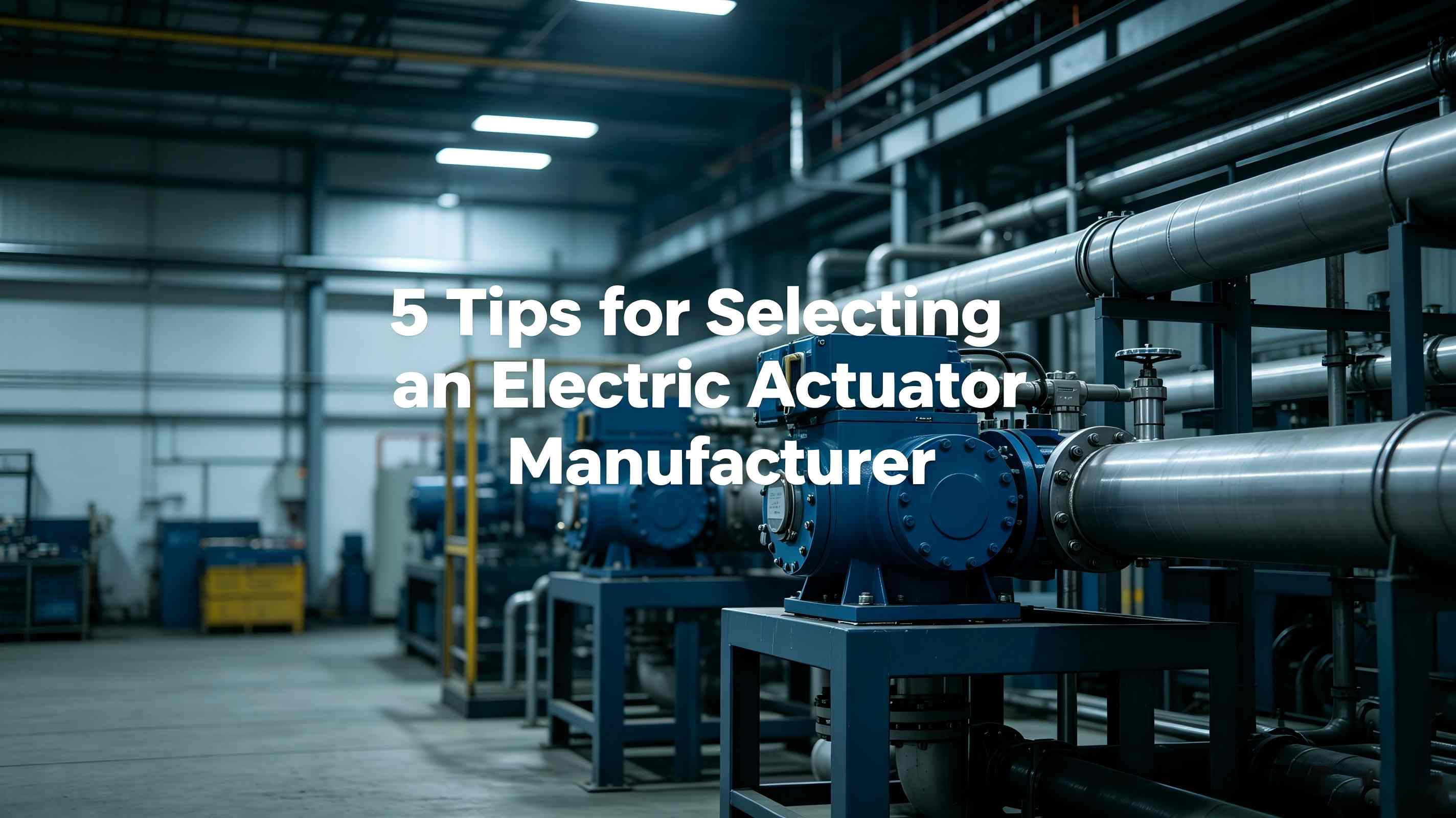
Electric actuators are core precision components for industrial automation, pipeline control, HVAC, water treatment, oil & gas and chemical systems. They drive valves for precise fluid regulation and automatic operation. Their stability and durability directly impact project efficiency, maintenance costs and production safety, so picking a trustworthy manufacturer is vital for long‑term reliable performance.
The actuator market includes genuine factories, OEM workshops and trading agents, bringing many procurement pitfalls. To help buyers select qualified suppliers and avoid risks, ValenTech summarizes 5 practical core tips for choosing electric actuator manufacturers for various industrial‑project procurement.
1. Clarify your project requirements to accurately define model‑selection orientation
Before model selection, sort out core project requirements first to avoid procurement errors caused by mismatched parameters and working conditions. Focus on confirming three key points: first, application scenarios, distinguishing common indoor, outdoor high‑humidity, underwater, explosion‑proof, corrosive and other special working conditions, and matching applicable valves such as ball valves, butterfly valves and gate valves; second, technical specifications, confirming equipment torque, opening‑closing speed, power supply voltage, control modes (on‑off type / modulating type), and compatibility requirements for control systems such as PLC and SCADA as well as dedicated communication protocols; third, procurement budget. Reject the “low‑price‑only” mindset and prioritize balancing product quality and full‑life‑cycle operating costs.
2. Verify formal qualifications and certifications to ensure equipment compliance and safety
Authoritative qualifications and certifications serve as direct evidence of a manufacturer’s standardized production and product compliance, and form the basic threshold for screening high‑quality suppliers. Reliable formal manufacturers shall possess complete production qualifications and ISO9001 quality management system certification, and their products shall hold general‑industry certifications including CE, RoHS and IP dust‑water‑protection certifications. For high‑risk explosion‑proof scenarios such as oil‑gas, mining and chemical industries, dedicated explosion‑proof certifications must be verified to prevent non‑compliant equipment from being put into service. Strictly avoid small workshops and intermediaries with incomplete qualifications. Their products feature inadequate protection and sealing performance, which may easily lead to equipment failures and safety hazards.
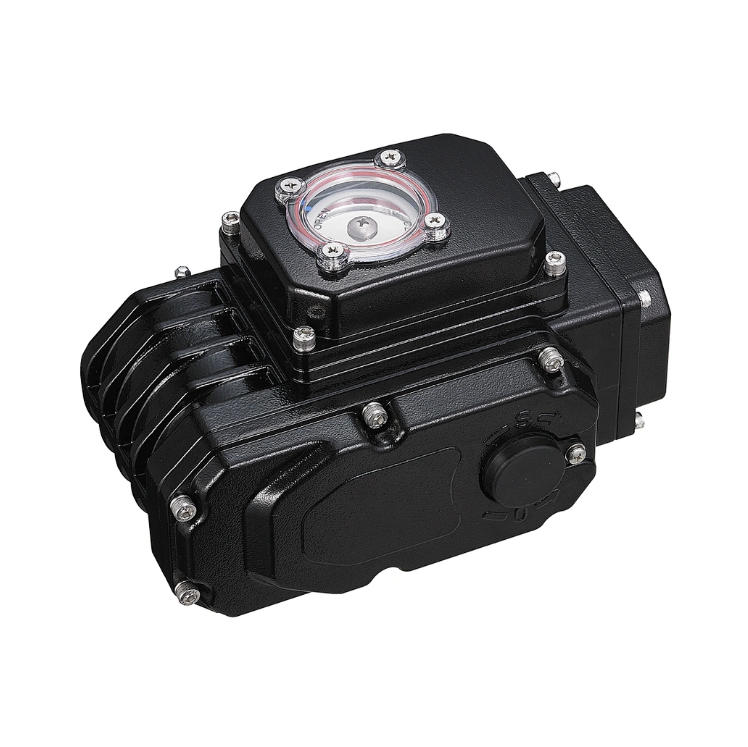
3. Match working conditions with product performance and reject generalized model selection
There is no universal all‑purpose electric actuator. Products with corresponding performance parameters shall be selected for different working conditions. Professional manufacturers will recommend suitable models according to on‑site working conditions instead of blindly promoting high‑priced products. Core reference parameters for model selection include torque range, operating voltage, opening‑closing speed, protection grade and high‑low‑temperature resistance. For outdoor and underwater projects, high‑protection waterproof models of IP67 / IP68 are preferred. For frequently‑operated equipment, low‑wear models with stable torque output are selected. For extreme high‑low‑temperature environments, confirm the equipment’s temperature‑range adaptability. Formal manufacturers can provide complete parameter sheets and working‑condition test reports.
4. Confirm customization capabilities for special non‑standard working‑condition adaptation
Standard actuators can only satisfy conventional projects. Complex scenarios such as chemical‑industry applications, offshore drilling and special pipelines generally require personalized non‑standard customization. High‑quality manufacturers can deliver comprehensive customization services, supporting personalized requirements such as special voltage, customized rotation angle and stroke, multi‑turn control, intelligent signal feedback, explosion‑proof and anti‑corrosion modification, and fail‑safe reset. They can adjust product structures, parameters and control modes according to customer drawings and working conditions to precisely adapt to various differentiated industrial scenarios. This also reflects a manufacturer’s comprehensive technical strength.
5. Inspect quality‑control capabilities and real‑world application cases
Product quality and durability are core considerations for model selection. High‑quality electric actuators feature accurate positioning, low noise and low power consumption, anti‑interference performance and high wear resistance, and can operate stably after thousands of opening‑closing cycle tests. Reliable manufacturers adopt sound quality‑control systems, implementing strict full‑process quality inspections covering raw‑material inspection, precision production, load testing and durability‑aging testing, and can provide complete test reports. Meanwhile, pay attention to the manufacturer’s industry reputation, long‑term customer feedback and application cases under similar working conditions. Prioritize manufacturers with long‑term industry experience whose products are widely used in water supply‑drainage, power, chemical, HVAC and other sectors, and avoid inexperienced emerging manufacturers.
Summary
What Size Valve Requires an Electric Actuator?
Key Usage Points for Switch‑Type Electric Actuators in Low‑Temperature Environments
Related Article