
Response Speed of Switch‑Type Electric Actuator
author: ATHENA GROUP
2026-10-16
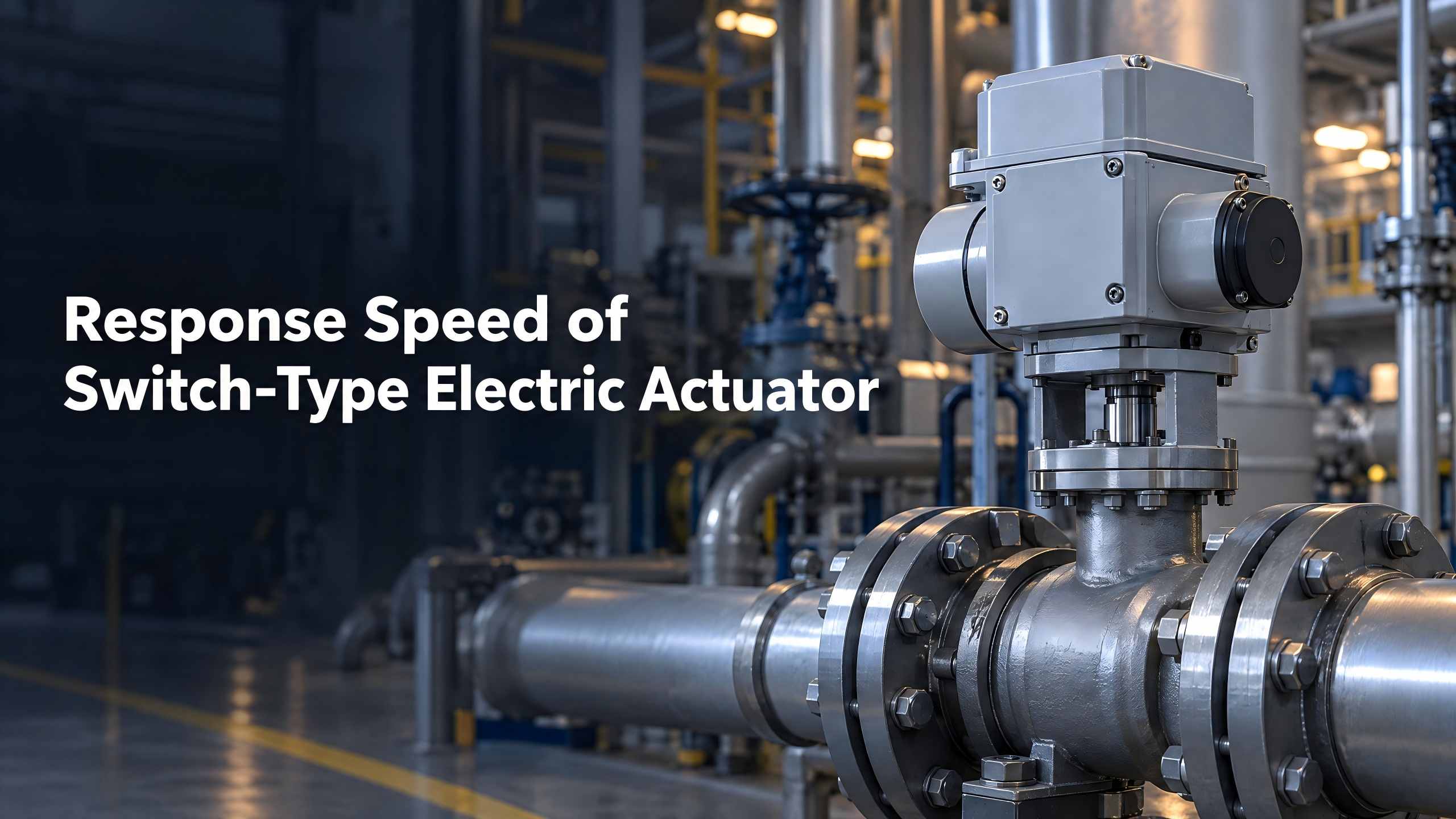
In industrial automation systems, electric actuator response speed is a core metric that purchasing engineers and automation project parties focus heavily on. Switch‑type electric actuators are critical components for valves to realize opening and closing control. Valen Tech has deep expertise in the valve actuator sector for many years. We understand that fast and reliable action response tightens production process connections, reduces waiting time and improves overall production efficiency. Good electric actuator response speed serves as an important foundation for ensuring efficient and stable operation of oil & gas, chemical, water treatment and other systems.
For switch‑type electric actuators, response speed generally refers to the total time consumed from when the actuator receives a switch signal to when the valve completes full opening or full closing. This parameter is often marked as response time in product datasheets. It differs from modulating actuators: modulating actuators are used for continuous position adjustment, while switch‑type actuators only achieve two states: fully open and fully closed. Therefore, their electric actuator response speed mainly examines full‑stroke action time instead of partial positioning speed.
For switch‑type electric actuators, response speed generally refers to the total time consumed from when the actuator receives a switch signal to when the valve completes full opening or full closing. This parameter is often marked as response time in product datasheets. It differs from modulating actuators: modulating actuators are used for continuous position adjustment, while switch‑type actuators only achieve two states: fully open and fully closed. Therefore, their electric actuator response speed mainly examines full‑stroke action time instead of partial positioning speed.
Internal Structural Factors Affecting Response Speed
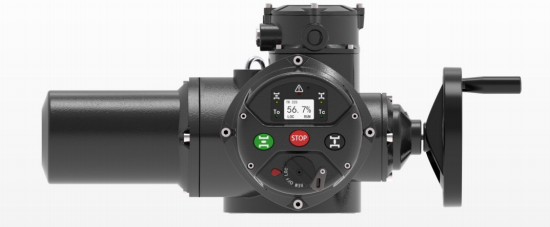
Motor performance directly determines response speed. Brushless DC motors show obvious advantages in fast‑response scenarios thanks to high rotating speed, high efficiency and favorable speed‑regulating performance. Stepper motors deliver excellent accuracy yet are limited in rotating speed. Meanwhile, motor power defines output torque. Insufficient power under heavy load will slow down both startup and operating speed and cause response delay.
The transmission mechanism converts the rotary motion of the motor into linear or angular displacement. Different mechanisms vary greatly in transmission efficiency and mechanical inertia: screw‑nut transmission offers high accuracy but low speed; rack‑and‑pinion transmission features high efficiency and enables high‑speed operation. Internal reduction ratio also affects action speed. A high‑speed motor paired with a smaller reduction ratio can complete the stroke faster, yet output torque will drop. Selection requires balancing electric actuator response speed and torque. Poor lubrication will increase friction and hinder power transmission.
External Factors Interfering with Response Speed
Control signal transmission delay cannot be ignored. Excessively long signal cables, poor transmission media or electromagnetic interference may result in signal attenuation, distortion and extended transmission time. Insufficient processing capacity of controllers and drivers will also prolong response time.
Working conditions can alter actual performance. Temperature changes affect motor winding resistance and lubricant viscosity: high temperature reduces motor efficiency, while low temperature solidifies lubricants and raises friction. High humidity may trigger electrical short‑circuits and corrosion. Severe vibration and shock can loosen components. In addition, longer valve stroke and higher torque mean greater frictional resistance the actuator needs to overcome, leading to lower speed. Voltage drop, corroded valve stems and misaligned installation can also cause discrepancies between nominal speed and field actual performance.
Practical Value of Response Speed
Response speed is directly related to system safety and project acceptance. In emergency shut‑off scenarios, pipelines for fire protection, oil & gas and chemical industries rely on actuators to quickly cut off media and prevent accidents. Water treatment, food processing and HVAC systems depend on rapid valve opening and closing for process switching. Many projects specify clear requirements for valve action time. Actuator response speed must meet technical specifications to pass on‑site acceptance.
Note: Do not blindly pursue excessive speed. Rapid valve movement may induce water hammer effect in liquid pipelines and damage pipelines and sealing parts.
Effective Ways to Improve Response Speed
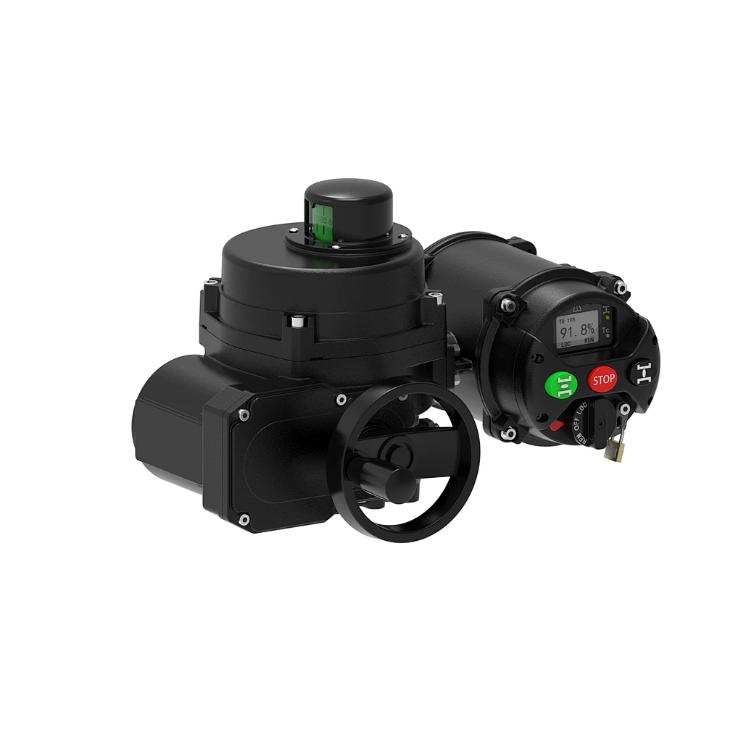
Optimize internal design: select high‑performance motors and fine‑tune parameters according to application requirements. For fast‑response scenarios, brushless DC motors are preferred; adjust pole pairs and winding turns to boost rotating speed and torque. Adopt lightweight high‑strength materials for transmission components to reduce mechanical inertia, and apply high‑precision manufacturing processes to minimize clearance and friction.
Improve control strategies: adopt PID and its improved algorithms to precisely tune proportional, integral and derivative parameters, enabling actuators to track signals rapidly and stably. Introduce intelligent algorithms such as fuzzy control and neural networks to adapt actuators to varying working conditions. Deploy controllers and drivers with fast computing speed to cut signal processing time.
Selection Method Based on Response Speed
During selection, first confirm the full‑stroke time required by the project technical specification. Check the nominal response time under rated voltage from actuator datasheets. Reserve safety margins considering on‑site voltage fluctuation and valve friction. Test actual response speed after installation and before formal commissioning.
Frequently Asked Questions
Are response speed and response time the same thing? In most valve actuator product manuals, both terms describe the same full‑stroke action parameter, and manufacturers tend to use response time in datasheets.
Can the response speed of a standard switch‑type electric actuator be adjusted? The stroke speed of conventional standard switch‑type electric actuators is fixed by gear and motor structures and cannot be simply adjusted; model replacement is required.
Conclusion
Electric actuator response speed is a key indicator determining the performance of industrial automation systems. In‑depth understanding of its internal and external influencing factors and targeted optimization can greatly boost performance and provide solid support for efficient and stable industrial production. Valen Tech can provide switch‑type electric actuators adapted to various working conditions for diverse valve automation projects. For customized solutions with specified response speed requirements, please visit our official website www.valen‑tech.com for detailed parameters, or send inquiry emails to k.pan@athenavalve.com. Our engineering team will verify electric actuator response speed‑related performance parameters and offer technical support, and match actuator solutions for ball valves, butterfly valves and gate valves.
Valve Actuator Wiring
Related Article
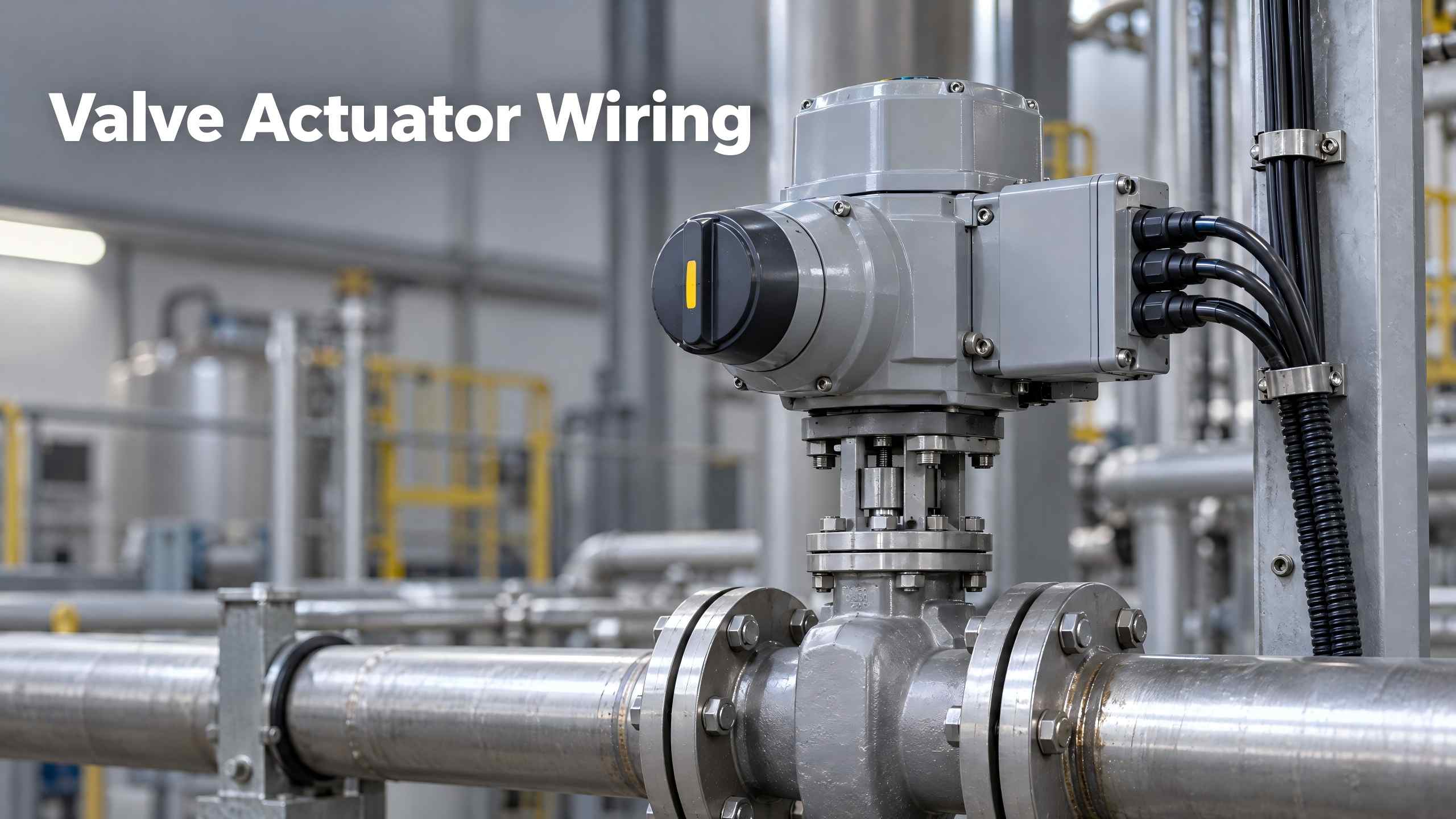
Valve Actuator Wiring describes wiring, commissioning and troubleshooting for electric valve actuators, guiding technicians to adopt standard wiring for stable industrial control.
Valve Actuator Wiring

Valen Tech explains electric valve actuator torque control and overload protection functions. Learn how multi‑turn & part‑turn actuators prevent jamming and mechanical damage for petroleum, chemical, power and water pipeline systems.
Introduction to Torque Control and Overload Protection Functions of Electric Valve Actuators

This article compares on‑off and modulating electric actuators, covering their functional differences, control logic and application conditions to provide practical actuator selection guidance.
Detailed Explanation of the Differences Between On‑Off and Modulating Electric Actuators

This guide covers common electric‑actuator on‑site commissioning faults, causes & practical fixes. It delivers practical actuator commissioning troubleshooting for power, chemical and water‑treatment industry engineers.
Actuator Commissioning Troubleshooting: Causes and Complete Solutions