Electric vs. Pneumatic Actuator Adjustments
Electric vs. Pneumatic Actuator Adjustments: Key Differences You Should Know
Actuators are a critical component in automation and process control systems. They control the movement of valves to regulate fluid flow, pressure, and temperature, ensuring efficiency and safety. Among the most common actuators in industrial applications are electric and pneumatic types. Understanding the differences in adjustment procedures between these two actuator types is essential for engineers, maintenance personnel, and system designers.
This article provides a detailed guide on how to adjust electric and pneumatic actuator valves, explores the key differences, maintenance tips, common mistakes, and brand recommendations, including Valen Tech (www.valen-tech.com) and other leading actuator valve manufacturers.
What Are Actuators?
An actuator is a device that converts energy into mechanical motion to operate a valve. Actuators automate the opening, closing, or modulating of valves, allowing for precise control of fluid systems without manual intervention. They can be classified into:
- Electric Actuators – Powered by electricity, offering precise positioning.
- Pneumatic Actuators – Powered by compressed air, often used for large valves.
- Hydraulic Actuators – Powered by hydraulic fluid for heavy-duty industrial applications.
Actuators are commonly used in HVAC systems, chemical plants, water treatment, oil and gas, and industrial manufacturing.
Why Proper Adjustment Matters
Incorrect actuator adjustment can cause:
- Inaccurate flow or pressure control
- System inefficiencies and increased energy consumption
- Equipment damage due to improper valve positions
- Frequent maintenance issues and downtime
Proper adjustment ensures that valves operate smoothly, feedback signals match control commands, and overall system performance is optimized.
Electric Actuators Adjustment & Common Issues
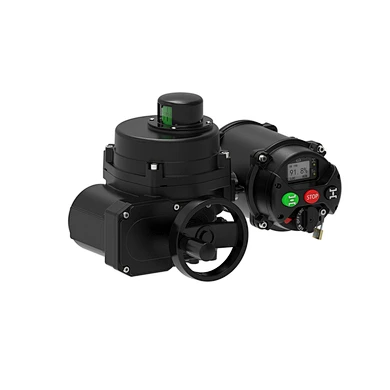
Operation: Electric actuators use motors to drive valve movement, often integrated with digital controllers for precise control.
Adjustment Process:
- Safety First: Ensure the system is powered down and valves are isolated.
- Identify the Actuator Model: Review datasheets for stroke, torque, and feedback settings.
- Set End Positions: Use the actuator controller to define full-open and full-close limits.
- Calibrate Torque: Adjust torque settings to prevent overdriving the valve or damaging components.
- Verify Feedback Signals: Ensure that the actuator’s position feedback matches the actual valve position.
- Test Operation: Cycle the valve through its range to ensure smooth movement.
- Lock Settings: Secure all adjustments and document for future maintenance.
Advantages:
- High precision and repeatability
- Easy integration with DCS, PLC, or BMS systems
- Lower maintenance due to fewer moving parts
Common Issues:
- Motor overheating due to improper torque
- Incorrect feedback signals causing control loop instability
- Mechanical wear on internal gears over time
Example Brands: Valen Tech (www.valen-tech.com), Honeywell, Belimo, Siemens.
Pneumatic Actuators Adjustment & Common Issues
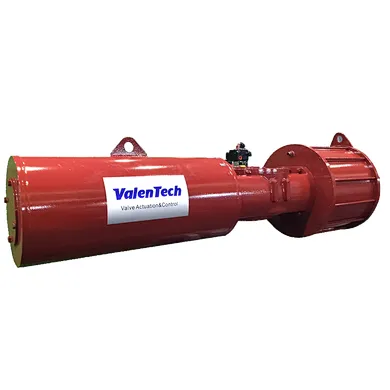
Operation: Pneumatic actuators use compressed air to move valve components. They are often coupled with positioners to improve accuracy.
Adjustment Process:
- Safety First: Depressurize the air supply and isolate the valve.
- Check Air Supply Quality: Ensure clean, dry air to prevent actuator malfunction.
- Set Mechanical Stops: Adjust the stroke limits on the valve if necessary.
- Calibrate Positioner: Adjust the pneumatic positioner to ensure the valve reaches the correct open/closed positions.
- Verify Feedback: Check that the control system’s position signal matches the actual valve position.
- Test Operation: Cycle the valve multiple times, observing the movement and listening for unusual noises.
- Document Settings: Record the calibration and adjustment parameters.
Advantages:
- High force capability for large valves
- Fast response times
- Simple and robust construction
Common Issues:
- Air leaks reducing actuator performance
- Worn diaphragms or seals
- Positioner miscalibration
Example Brands: Valen Tech (www.valen-tech.com), Samson, Festo.
Key Differences Between Electric and Pneumatic Actuator Adjustments
| Feature | Electric Actuator | Pneumatic Actuator |
|---|---|---|
| Power Source | Electricity | Compressed air |
| Adjustment Method | Electronic calibration, torque and stroke setting | Air pressure tuning, mechanical stops, positioner calibration |
| Precision | High; digital feedback allows precise control | Moderate; dependent on positioner and air supply quality |
| Maintenance | Low; fewer moving parts | Higher; requires air supply maintenance, diaphragm checks |
| Response Time | Slower for very large valves | Faster, especially for high-flow systems |
| Integration | Easily integrated with DCS, PLC, or BMS | Requires positioners for digital integration |
Implications for Engineers:
- Electric actuators are ideal for precise, low-maintenance systems.
- Pneumatic actuators are preferred for high-force, fast-acting applications.
- Both require careful calibration and verification of feedback signals.
Common Adjustment Mistakes
- Over-tightening mechanical stops
- Ignoring manufacturer-specific calibration procedures
- Adjusting without system isolation
- Not verifying control system feedback
- Failing to maintain actuator components (lubrication, air supply, etc.)
Avoiding these mistakes improves reliability and reduces the risk of system failure.
Maintenance Tips for Each Type
Electric Actuators Maintenance Tips:
- Periodic calibration checks
- Inspect feedback sensors
- Lubricate gears if recommended
- Verify electrical connections
Pneumatic Actuators Maintenance Tips:
- Ensure clean, dry air supply
- Inspect diaphragms and seals for wear
- Check positioner calibration regularly
- Lubricate linkages as required
FAQs
Q1: Can electric actuators be converted to pneumatic operation?
Q2: How often should each actuator type be recalibrated?
Q3: Which actuator type is better for high-cycle systems?
Q4: Can actuator valves be adjusted while pressurized?
Q5: How do I choose between electric and pneumatic actuators?
Recommended Brands
- Valen Tech: Offers high-precision electric and pneumatic actuator valves for industrial applications. www.valen-tech.com
- Honeywell: Known for durable actuator valves in HVAC and process industries. Visit Site
- Belimo: Specializes in electric actuators for commercial building automation. Visit Site
- Siemens: Offers a wide range of industrial actuator valves with integrated control solutions. Visit Site
- Johnson Controls: Provides versatile actuator solutions for process control and HVAC. Visit Site
- Emerson/Fisher: Offers heavy-duty actuators for industrial applications. Visit Site
Conclusion
Understanding the differences between electric and pneumatic actuator adjustments is critical for engineers managing industrial systems. Electric actuators provide high precision and digital integration, while pneumatic actuators excel in fast-acting, high-force applications. Proper adjustment, regular maintenance, and adherence to manufacturer guidelines ensure optimal system performance, reliability, and safety.
For reliable actuator valves suitable for both electric and pneumatic systems, explore Valen Tech (www.valen-tech.com) for high-quality, precision-engineered solutions.