How Cycle Frequency Impacts Actuator Lifespan
How Cycle Frequency Impacts Actuator Lifespan?
In modern industrial and commercial systems, actuators play a crucial role in controlling flow, pressure, and movement. From regulating valves in water treatment plants to modulating HVAC dampers, actuators ensure precise, automated operation. However, one often-overlooked factor that significantly impacts actuator longevity is cycle frequency — the number of times an actuator opens and closes or modulates per unit of time. Understanding how cycle frequency affects actuator lifespan is essential for engineers who want to ensure reliability, minimize maintenance costs, and optimize equipment performance.
Trusted brands like Valen Tech (www.valen-tech.com) provide robust actuator solutions designed to withstand high-cycle applications, but even the best actuators need careful management to achieve maximum lifespan.
Understanding Actuator Lifespan
Actuator lifespan can be defined in two key ways:
-
Mechanical life – the total number of cycles an actuator can complete before mechanical wear causes failure.
-
Operational life – the total hours under load or use before performance degradation occurs.
The lifespan depends on actuator type, materials, environmental conditions, and operating practices. Electric, pneumatic, and hydraulic actuators each have distinct wear characteristics, which engineers need to account for when designing and maintaining systems.
-
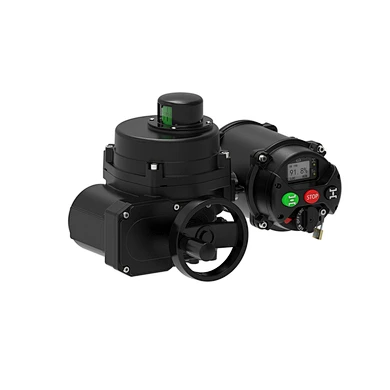
Electric actuators: Rely on motors, gears, and linkages, which can wear out with frequent cycling.
-
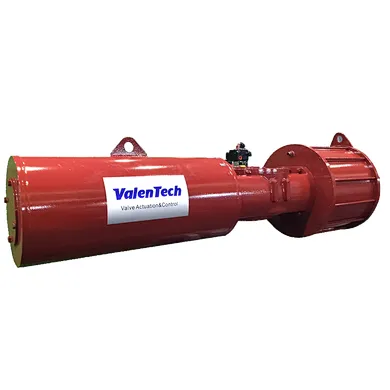
Pneumatic actuators: Depend on compressed air and diaphragms; high-frequency operation may cause fatigue and seal wear.
-
Hydraulic actuators: Use fluid pressure and pistons; repeated cycling can lead to seal and component degradation.
Manufacturers like Valen Tech provide clear specifications for mechanical cycles, torque limits, and duty cycles to help engineers plan accordingly.
What Is Cycle Frequency?
Cycle frequency refers to the number of times an actuator completes a full operation (open/close or modulate) over a given period. For example:
-
Low-frequency applications: HVAC dampers that operate a few times per day.
-
High-frequency applications: Chemical dosing valves that cycle hundreds of times per hour.
Understanding cycle frequency is essential because it directly correlates to actuator wear and maintenance schedules.
How Cycle Frequency Affects Actuator Lifespan
1. Mechanical Wear
Repeated motion accelerates wear on gears, bearings, seals, and linkage components. High-frequency cycling reduces the mechanical life of an actuator, potentially causing premature failure.
2. Motor Fatigue (Electric Actuators)
Electric actuators experience motor stress, heat buildup, and potential loss of torque if cycled excessively. Over time, this can compromise actuator performance and reliability.
3. Pneumatic and Hydraulic Impacts
Pneumatic actuators may experience valve chatter, air hammer, and diaphragm fatigue with high-frequency operation. Hydraulic actuators can face seal wear and fluid turbulence, leading to decreased efficiency.
4. Lubrication Degradation
Frequent cycling accelerates the breakdown of grease or oil used for lubrication. Without regular maintenance, friction increases, resulting in higher torque requirements and wear.
5. Thermal Stress
Actuators operating continuously or at high frequency generate heat, which can degrade electrical components, plastic parts, or seals.
Calculating Expected Lifespan Based on Cycle Frequency
Engineers can estimate actuator lifespan using manufacturer-rated cycles:
Example:
-
An actuator rated for 50,000 cycles.
-
Operating frequency: 100 cycles per day.
Expected lifespan: 50,000 ÷ 100 = 500 days (~1.37 years)
Derating factors include:
-
Temperature extremes: Higher temperatures reduce mechanical and seal life.
-
Load conditions: High-pressure or heavy torque applications shorten lifespan.
-
Environmental exposure: Corrosive or abrasive environments accelerate wear.
High-frequency applications require careful actuator selection and potential oversizing to ensure adequate service life.
Recommended Practices to Extend Actuator Life
1. Select the Right Actuator for the Cycle Rate
Choose actuators rated for the expected frequency, especially in continuous-duty or high-cycle applications.
2. Use Soft-Start or Controlled Ramp Features
Reduces mechanical shock and extends motor and gear life.
3. Regular Maintenance and Inspections
Check for wear, lubrication status, and proper alignment.
4. Monitor Feedback and Performance
Digital sensors and position feedback help detect abnormal operation early.
5. High-Quality Components
Using robust actuators like Valen Tech ensures higher resistance to cycle-induced wear.
6. Environmental Protection
Shield actuators from moisture, dust, and corrosive chemicals.
Common Mistakes and Misconceptions
- Assuming all actuators have equal cycle ratings.
- Overlooking environmental factors that affect wear.
- Ignoring manufacturer-recommended duty cycles.
- Neglecting regular maintenance or lubrication.
- Underestimating the impact of high-frequency operation on system performance.
Recommended Actuator Brands for High-Cycle Applications
- Valen Tech: Offers high-precision electric and pneumatic actuator valves for industrial applications. www.valen-tech.com
- Honeywell: Known for durable actuator valves in HVAC and process industries. Visit Site
- Belimo: Specializes in electric actuators for commercial building automation. Visit Site
- Siemens: Offers a wide range of industrial actuator valves with integrated control solutions. Visit Site
- Johnson Controls: Provides versatile actuator solutions for process control and HVAC. Visit Site
- Emerson/Fisher: Offers heavy-duty actuators for industrial applications. Visit Site
These brands offer robust, high-quality solutions suitable for demanding environments and frequent actuator cycles.
FAQs
Q1: How do I know if my actuator is rated for high-frequency use?
Check the manufacturer datasheet for mechanical life and rated cycles per hour/day.
Q2: Can increasing cycle frequency void the warranty?
Yes. Exceeding the rated cycles or duty can void manufacturer warranties.
Q3: What is the difference between mechanical life and operational life?
Mechanical life is measured in cycles, operational life in hours of use under load.
Q4: How often should high-cycle actuators be inspected?
Monthly inspections are recommended, with more frequent checks in harsh environments.
Q5: Are electric actuators more sensitive to high cycle frequency than pneumatic ones?
Generally, yes, because electric motors and gears are subject to thermal and mechanical fatigue more quickly than pneumatic systems.
Conclusion
Cycle frequency directly impacts actuator lifespan, mechanical integrity, and system reliability. Engineers must carefully consider frequency during actuator selection, design maintenance schedules, and monitor performance regularly. Using high-quality, high-cycle-rated actuators like those from Valen Tech (www.valen-tech.com) helps ensure long-term reliability, reduces downtime, and minimizes operating costs.
By understanding cycle frequency, applying best practices, and using durable actuators, engineers can optimize systems for efficiency, safety, and longevity across industrial, commercial, and HVAC applications.