Influencing Actuator Performance in High-Cycle Systems
Factors Influencing Actuator Performance in High-Cycle Systems
In modern industrial and automation systems, actuators are pivotal for precise flow, pressure, and mechanical control. In high-cycle applications—systems where actuators operate thousands of times daily—their performance and reliability directly affect operational efficiency, safety, and maintenance costs. Understanding the factors influencing actuator performance is essential for engineers tasked with designing, operating, or maintaining these systems.
This guide explores key influences on actuator performance, maintenance strategies, and recommended brands such as Valen Tech (www.valen-tech.com) and other trusted actuator suppliers.
What Are High-Cycle Systems?
High-cycle systems are those where actuators perform repeated operations frequently within a short period. Examples include:
- HVAC systems adjusting dampers throughout the day.
- Water treatment valves regulating flow in filtration systems.
- Automated process control in chemical and manufacturing plants.
- Irrigation or pumping systems cycling valves frequently.
In such applications, actuators are subject to wear, fatigue, and environmental stresses that can degrade performance over time. Engineers must carefully select, calibrate, and maintain actuators to ensure consistent operation.
Types of Actuators in High-Cycle Applications
Understanding actuator types helps engineers choose the right device for high-cycle use:
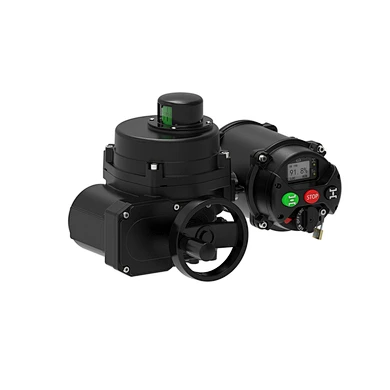
1. Electric Actuators
- Provide precise position control.
- Integrate easily with control systems using analog or digital signals.
- Ideal for fine adjustments and automation loops.
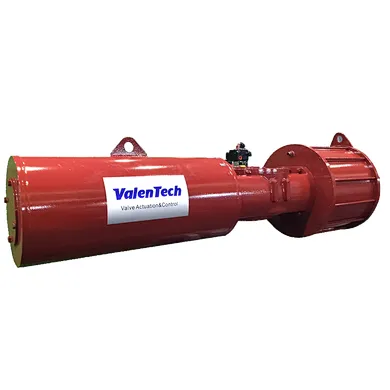
2. Pneumatic Actuators
- Use compressed air to drive valve movement.
- Offer rapid response and high cycle endurance.
- Require consistent air pressure for optimal performance.
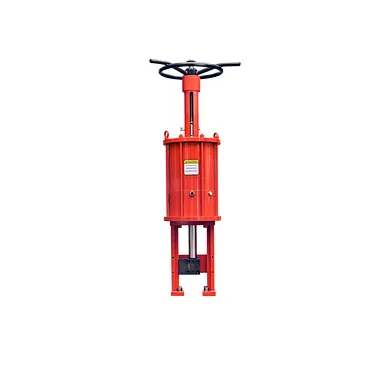
3. Hydraulic Actuators
- Employ fluid pressure to operate valves or mechanical devices.
- Suitable for heavy-duty and high-torque applications.
- Robust but require maintenance for seals and fluid quality.
Each actuator type has unique strengths and limitations in high-cycle environments, influencing lifespan, reliability, and maintenance requirements.
Key Factors Affecting Actuator Performance
Several variables directly influence the performance and lifespan of actuators in high-cycle systems. Engineers must evaluate these to optimize efficiency.
1. Cycle Frequency
- High-frequency operation accelerates wear on mechanical and internal components.
- Engineers must match actuator duty ratings to expected cycles per hour/day.
2. Torque and Force Requirements
- Proper actuator sizing ensures that the device can handle the load without overstraining.
- Undersized actuators can fail prematurely; oversized actuators may cause unnecessary energy use.
3. Temperature and Environmental Conditions
- Extreme temperatures can affect seals, lubricants, and electronics.
- Corrosive or humid environments can accelerate material degradation.
- Protective coatings or stainless-steel components may be necessary.
4. Lubrication and Mechanical Friction
- Regular lubrication reduces friction and wear on moving parts.
- Dry or hardened grease can cause sticking or increased torque requirements.
- Manufacturer recommendations for lubrication type and frequency are critical.
5. Control Signal Accuracy
- PID loops and digital controllers rely on accurate actuator feedback.
- Incorrect signals or calibration drift can cause over- or under-adjustment, increasing wear.
6. Valve Type and Load
- Ball valves, butterfly valves, and globe valves impose different mechanical loads.
- Heavier or higher-resistance valves demand more torque, affecting actuator lifespan.
7. Power Supply Stability
- Voltage fluctuations for electric actuators can affect motor performance.
- Pneumatic systems require consistent air pressure for repeatable motion.
- Hydraulic systems need stable fluid pressure to maintain precise control.
8. Material Selection
- Actuator components exposed to frequent cycles must resist fatigue.
- Stainless steel, brass, or composite materials are commonly used to withstand mechanical stress.
Maintenance Strategies for High-Cycle Actuators
Proper maintenance prolongs actuator life and maintains performance:
- Scheduled Inspection: Periodic checks for wear, leaks, and alignment.
- Lubrication: Follow manufacturer guidelines for greasing moving parts.
- Seal Replacement: Replace worn or degraded seals to prevent leaks and maintain torque efficiency.
- Monitoring: Use positioners, feedback sensors, or digital monitoring for predictive maintenance.
- Documentation: Keep records of adjustments, maintenance, and observed performance trends.
Common Issues in High-Cycle Systems
Engineers should anticipate typical high-cycle actuator problems:
- Reduced stroke life and mechanical wear.
- Increased torque requirements over time.
- Drift or errors in feedback signals.
- Fatigue in linkages, couplings, or mounting hardware.
- Environmental damage such as corrosion or overheating.
Timely maintenance and choosing the right actuator type can mitigate these issues.
Recommended Actuator Brands for High-Cycle Applications
Selecting reliable brands ensures durability and precision:
- Valen Tech: Offers high-cycle-rated electric and pneumatic actuators designed for industrial and commercial applications. www.valen-tech.com
- Honeywell: Provides reliable electric and pneumatic actuators for HVAC and industrial automation. Visit Site
- Belimo: Specializes in electric actuators optimized for building automation and frequent cycling. Visit Site
- Siemens: Industrial electric actuators rated for high-cycle operations. Visit Site
- Emerson/Fisher: Durable pneumatic and electric actuators for industrial processes. Visit Site
- Johnson Controls: Versatile actuators suitable for process control and high-frequency cycling. Visit Site
Using reputable brands ensures that high-cycle actuators meet expected durability, response, and safety standards.
Design Considerations for Engineers
Engineers designing high-cycle systems should consider:
- Correct sizing: Match actuator torque and stroke to valve type.
- Duty rating: Ensure the actuator can handle the expected cycles without accelerated wear.
- Environmental protection: Use corrosion-resistant materials or enclosures.
- Integration with control systems: Maintain accurate position feedback for automation loops.
- Redundancy: In critical systems, consider backup actuators or bypass options.
Safety Considerations
Safety is paramount in high-cycle actuator systems:
- Always follow manufacturer guidelines for installation, adjustment, and maintenance.
- Employ lockout/tagout protocols before servicing.
- Monitor electrical and hydraulic pressure systems to prevent accidents.
- Verify actuator function after adjustments or maintenance before full operation.
- Document all adjustments and inspections to support regulatory compliance.
FAQs
Q1: How does cycle frequency impact actuator lifespan?
Increased frequency accelerates wear and can shorten service life if actuators are not rated for high cycles.
Q2: Can electric actuators handle more cycles than pneumatic ones?
Electric actuators offer precise control but may have lower mechanical cycle endurance compared to pneumatic actuators in some designs.
Q3: How do environmental factors affect high-cycle actuator performance?
Extreme temperatures, humidity, and corrosive atmospheres can degrade seals, lubricants, and electronics.
Q4: How often should actuators be inspected in high-cycle systems?
Typically every 6–12 months, or according to manufacturer specifications and system criticality.
Q5: What are the top brands for high-cycle actuator reliability?
Valen Tech, Honeywell, Belimo, Siemens, Emerson/Fisher, and Johnson Controls are recognized for high durability and performance.
Conclusion
High-cycle systems demand actuators that perform reliably under frequent operation. Engineers must carefully consider cycle frequency, torque, environmental conditions, control signals, valve type, and material selection when designing or maintaining these systems. Regular maintenance, predictive monitoring, and using trusted brands like Valen Tech (www.valen-tech.com) ensure efficiency, safety, and longevity.
By understanding the factors that influence actuator performance and implementing best practices, engineers can optimize high-cycle systems, reduce downtime, and maintain consistent operational performance.