Choosing the Right Actuator for a Low Torque Valve Step by Step
What Is a Low Torque Valve?
If you're involved in industrial automation, valve control, or actuator selection, you've probably heard the term "low torque valve" come up more than once. But what does it really mean? And why does it matter when choosing an actuator?
In this article, we’ll break it down in simple, human terms — no jargon, no fluff. Whether you're upgrading an existing system or designing a new one, understanding low torque valves will help you make smarter, more cost-effective decisions.
So, What Exactly Is a Low Torque Valve?
A low torque valve is simply a valve that requires relatively little rotational force to open or close. This force — known as torque — is measured in Newton-meters (Nm) or pound-inches (lb-in).
Think of it like opening a door: if the door opens easily with a light push, it has low resistance — just like a low torque valve. These valves are typically smaller, used in low-pressure systems, or designed with materials that reduce friction and resistance.
In most cases, a low torque valve operates with less than 50–80 Nm of torque, making it ideal for electric actuators, which are often sized based on torque rather than pressure (like their pneumatic counterparts).
Why Torque Matters When Choosing an Actuator
Choosing the right actuator is about more than just picking the biggest or most powerful one. If the actuator’s torque is too high, it can damage the valve stem or sealing mechanism. If it’s too low, the actuator might stall or fail to move the valve at all.
That’s why understanding the torque requirements of your valve is critical. It ensures:
- Smooth, reliable operation
- Longer valve and actuator life
- Reduced maintenance and downtime
- Energy-efficient automation
Common Types of Low Torque Valves
Not all valves are created equal — and not all require the same amount of torque. Here are some of the most common low torque valve types you’ll encounter:
| Valve Type | Common Size | Torque Range (Nm) |
|---|---|---|
| Ball Valve | ½”–1” | 5–50 Nm |
| Butterfly Valve | 2”–4” | 20–80 Nm |
| HVAC Damper | Small | 10–60 Nm |
| Gate Valve | 1”–2” | 30–70 Nm |
These valves are often found in:
- HVAC systems
- Water treatment plants
- Light industrial automation
- Commercial plumbing
- Pneumatic control loops (where signal pressure is 3–15 psi)
Choosing the Right Actuator for a Low Torque Valve Step by Step
Low torque valves — typically ball valves, butterfly valves, or dampers — require less rotational force to operate, often in the range of 5–80 Nm, depending on size and application. These valves are commonly found in HVAC systems, water treatment, light industrial automation, and pneumatic control loops.
Next we will see a step-by-step approach to selecting the ideal actuator for your low torque valve — whether you're upgrading from a pneumatic system or designing a new one.
Step 1: Understand Your Valve’s Torque Requirements
Before choosing an actuator, you must know how much torque your valve requires to operate.
There are three key torque values to consider:
- Breakaway Torque: The force needed to start moving the valve from a stationary position.
- Running Torque: The force required to keep the valve moving once it’s in motion.
- Seating Torque: The force needed to fully close the valve and create a tight seal.
Tip: Always get these numbers from the valve manufacturer’s specifications. If you don’t have access to them, use general torque charts as a starting point — but always add a safety margin (more on that later).
Step 2: Choose Between Electric and Pneumatic Actuators
When it comes to low torque valves, both electric actuators and pneumatic actuators are viable options — but they serve different needs.
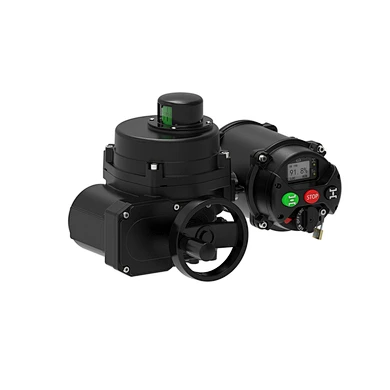
Electric Actuators – Ideal for Low Torque Applications
Why they’re a great fit:
- Precise control (especially with modulating actuators)
- No need for compressed air systems
- Energy-efficient — only draw power when in motion
- Easy integration with PLCs and digital systems
Best for:
- HVAC systems
- Water and wastewater treatment
- Remote locations without air supply
- Systems needing position feedback or smart control
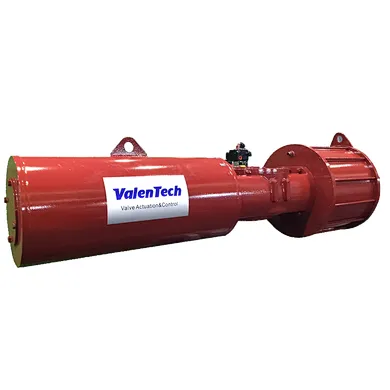
Pneumatic Actuators – Still Used in Many Applications
Common pressure range: 60–100 psi
Control signal range: 3–15 psi
Why they’re still used:
- Fast response time
- Spark-free operation (ideal for hazardous environments)
- Simple, reliable design
Best for:
- Systems with existing compressed air infrastructure
- Hazardous environments
- On/off control where precision isn’t critical
Step 3: Match the Actuator to the Valve
Once you’ve decided on the actuator type, it’s time to match the actuator’s torque output to your valve’s requirements.
General Torque Ranges for Low Torque Valves
| Valve Type | Size | Typical Torque Range (Nm) |
|---|---|---|
| Ball Valve | ½”–1” | 5–50 Nm |
| Butterfly Valve | 2”–4” | 20–80 Nm |
| HVAC Damper | Small | 10–60 Nm |
| Gate Valve | 1”–2” | 30–70 Nm |
Tip: Choose an actuator that provides at least 20–30% more torque than your valve’s maximum requirement. This ensures reliable operation even if conditions change (e.g., increased friction, pressure changes, or wear over time).
Step 4: Consider the Control Signal and Integration
The actuator must be compatible with your control system.
Electric Actuators Use:
- 4–20 mA analog signal – for proportional control
- Modbus RTU / CANopen / Ethernet/IP – for digital communication
- Digital I/O – for simple on/off control
Pneumatic Actuators Use:
- 3–15 psi pneumatic signal – for position control via valve positioners
- Electric-to-pneumatic (I/P) converters – when integrating with electrical control systems
Tip: If you're upgrading from a pneumatic system, ensure the new electric actuator can mimic the same control behavior (e.g., 4–20 mA input for 0–100% position control).
Step 5: Think About the Environment and Installation
Even a low torque valve can fail prematurely if the actuator isn’t suited for the environment.
Ask yourself:
- Will the actuator be exposed to moisture or dust?
- Is there a risk of corrosion?
- Will the actuator need to operate in extreme temperatures?
- Is space limited for mounting and wiring?
Tip: Look for actuators with at least IP65 or IP67 protection in outdoor or washdown environments. For hazardous areas, choose explosion-proof or intrinsically safe models.
Why Electric Actuators Are a Great Fit for Low Torque Valves
Electric actuators have become a popular choice for low torque applications — and for good reason.
Here’s why:
- Precision Control: Electric actuators offer modulating control, allowing for smooth, proportional movement — perfect for low torque systems.
- No Compressed Air Needed: Unlike pneumatic actuators, which typically operate between 60–100 psi, electric actuators run on electricity — eliminating the need for compressors, regulators, and air prep units.
- Energy Efficiency: Electric actuators only draw power when in motion, making them more efficient than constantly running air compressors.
- Low Maintenance: No air lines means fewer leaks, fewer filters, and fewer maintenance headaches.
- Easy Integration: Modern electric actuators work seamlessly with PLCs, SCADA systems, and digital networks.
Common Mistakes to Avoid When Automating Low Torque Valves
Even experienced engineers can make mistakes when choosing an actuator for a low torque valve. Here are a few to watch out for:
1. Just because a bigger actuator can do the job doesn’t mean it should. Too much torque can damage the valve stem or internal components.
2. Make sure the actuator’s control signal matches your system — whether it's 4–20 mA, 0–10 VDC, or pneumatic 3–15 psi.
3. Don’t just match the torque exactly — always add a 20–30% safety margin to account for wear and unexpected load changes.
4. Even a low torque valve can fail prematurely if the actuator isn’t rated for the environment — especially in wet, dusty, or corrosive conditions.
Low Torque Valves Are a Smart Automation Fit
Low torque valves may not be the biggest or strongest in your system, but they play a vital role in keeping things running smoothly. And with the right actuator — especially an electric actuator — they can deliver precise, energy-efficient, and reliable performance for years to come.
Whether you're upgrading from a pneumatic system or designing a new one, always start by understanding your valve’s torque needs. It’s the foundation of a successful automation project.
Need Help Choosing the Right Actuator?
At Valen Tech Co., Ltd., we specialize in delivering high-quality electric actuators tailored for a wide range of industrial applications — including low torque valve automation.
Contact us for custom solutions
Let us help you find the perfect match for your system — where precision meets performance.