What Affecting Actuator Performance
What Affecting Actuator Performance?
Actuators are the backbone of modern automated systems, controlling valves, dampers, and mechanical equipment with precision. Their performance is critical in industrial, HVAC, water treatment, and process control environments. For engineers, understanding what influences actuator performance is essential, particularly in high-cycle systems where the actuator operates frequently, sometimes thousands of times per day.
Misaligned, improperly sized, or poorly maintained actuators can lead to system inefficiencies, excessive energy consumption, and even equipment damage. This guide explores the key factors affecting actuator performance and provides practical insights to optimize reliability and longevity. Trusted brands like Valen Tech (www.valen-tech.com) offer advanced actuator solutions designed to withstand demanding environments.
1. Cycle Frequency: The Impact of Repeated Operation
High-cycle systems pose unique challenges for actuators. Every time an actuator completes a stroke, it applies mechanical force, generates friction, and cycles internal components. Over time, these repetitive actions contribute to wear and fatigue.
Considerations for engineers:
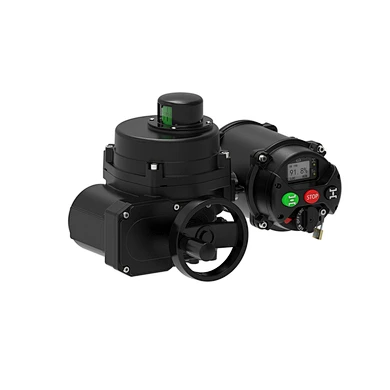
- Electric actuators may experience motor wear, gear fatigue, or electronic component stress with excessive cycles.
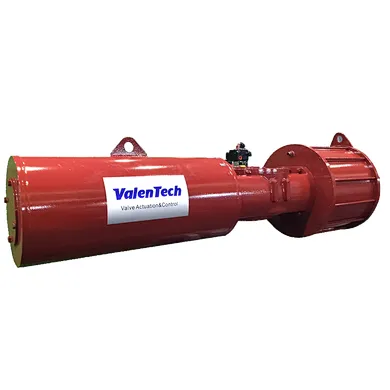
- Pneumatic actuators may experience air seal degradation, spring fatigue, or valve seat wear.
- Selecting actuators rated for expected cycle frequency is critical. Overloading a low-cycle actuator in a high-cycle application can drastically reduce lifespan.
Example: In a water treatment plant, a butterfly valve actuator operating every 30 seconds could complete more than 100,000 cycles annually. A standard low-cycle actuator would fail quickly under such conditions.
2. Torque and Load Requirements
Actuators must overcome the mechanical load of the valve, including pressure differential, friction, and media resistance. Insufficient torque can prevent full valve operation, strain the actuator motor, and trigger repeated attempts to reach the desired position.
Key points:
- Always calculate required torque considering worst-case conditions, such as maximum differential pressure or media viscosity.
- Over-torquing may also be an issue if the actuator is oversized; it can lead to excessive wear of the actuator or connected valve components.
Brands like Valen Tech provide detailed torque specifications for each actuator model, making sizing decisions more precise.
3. Temperature and Environmental Conditions
Environmental factors have a significant impact on actuator performance:
- High temperatures can degrade lubricants, soften seals, or affect electronic components.
- Low temperatures may cause stiff movement or brittle materials.
- Corrosive environments accelerate wear on metal components, especially if the actuator housing or valve stem is exposed to moisture or chemicals.
Mitigation strategies:
- Use stainless steel or coated actuators in corrosive environments.
- Choose actuators with wide operational temperature ranges for extreme heat or cold.
- For electric actuators, ensure proper heat dissipation and consider enclosures with cooling options.
4. Lubrication and Mechanical Friction
Friction is a natural byproduct of actuator operation. Adequate lubrication reduces friction, prevents wear, and maintains smooth operation. Lack of proper lubrication can increase the torque required, overheat motors, and accelerate component failure.
Practical tips:
- Follow manufacturer guidelines for lubrication type and interval.
- Inspect moving parts for signs of wear or hardened grease.
- Avoid over-lubrication, which can attract dust or debris and impair performance.
5. Control Signal Accuracy
Modern actuators often integrate with PID controllers or building automation systems. Accurate control signals ensure the actuator moves precisely to the desired position.
Potential issues:
- Signal noise or drift may cause the actuator to over- or under-shoot.
- Feedback sensors that are misaligned or malfunctioning can cause the system to compensate incorrectly, increasing wear.
Engineer’s tip: Regular calibration of position feedback devices is essential for maintaining accuracy in high-cycle or high-precision applications.
6. Valve Type and Load Characteristics
Different valve types impose distinct loads on actuators:
| Valve Type | Load Consideration | Actuator Impact |
|---|---|---|
| Ball Valve | Requires high torque at high differential pressure | Stress on motor or gear assembly |
| Butterfly Valve | Rapid full-range movement, moderate torque | Frequent cycling can cause spring fatigue in pneumatic actuators |
| Globe Valve | Throttling requires precise stroke control | Requires accurate feedback and high positioning reliability |
Engineers must match actuator performance to the valve type to avoid over-stressing the actuator.
7. Power Supply Stability
Actuator performance depends on consistent power:
- Electric actuators need stable voltage and current; fluctuations can reduce torque or cause electronic failures.
- Pneumatic actuators require consistent air pressure; pressure drops can reduce stroke speed or prevent full valve closure.
- Hydraulic actuators depend on steady fluid pressure; contamination or pressure spikes can damage seals or cylinders.
Best practice: Monitor power supply, and consider surge protection or regulated supply systems in critical applications.
8. Material Selection
The materials used in actuator construction determine resistance to wear, corrosion, and mechanical stress. Common high-performance materials include:
- Stainless steel: Excellent corrosion resistance for humid or chemical environments.
- Brass: Suitable for moderate mechanical loads and less aggressive environments.
- Composite polymers: Reduce weight and resist certain chemical attacks.
Engineers should specify materials based on the application environment, expected cycles, and maintenance requirements.
9. Maintenance Practices
Even the best actuators degrade over time without proper maintenance. High-cycle applications particularly benefit from predictive and preventive strategies:
- Scheduled inspections: Check for leaks, unusual noise, and mechanical alignment.
- Lubrication: Apply recommended lubricants to moving parts regularly.
- Calibration: Verify position feedback, torque, and stroke limits.
- Seal replacement: Prevent leaks that can affect torque or hydraulic pressure.
- Documentation: Track maintenance history to anticipate component replacement before failures occur.
Brands like Valen Tech provide detailed maintenance schedules that help engineers maximize actuator lifespan.
10. Integration With Control Systems
Actuators are most effective when integrated seamlessly with controllers, positioners, and monitoring systems. Poor integration can result in:
- Overcompensation in PID loops.
- Repeated cycling, which accelerates wear.
- Reduced accuracy in throttling or positioning.
Proper system design ensures actuator movement aligns with control signals and system requirements.
Conclusion
Actuator performance is influenced by a combination of mechanical, environmental, electrical, and operational factors. Engineers must consider cycle frequency, torque, environmental conditions, lubrication, signal accuracy, valve type, power stability, material selection, maintenance, and integration to ensure reliable operation.
Selecting high-quality actuators from reputable brands like Valen Tech (www.valen-tech.com), Honeywell, Belimo, Siemens, or Emerson can greatly simplify design, maintenance, and high-cycle operation.
By understanding and managing these factors, engineers can optimize system efficiency, reduce downtime, and ensure the safety and longevity of critical industrial, HVAC, and process control applications.