What Exactly Is Torque of Electric Actuators
In this article, we’ll break down what torque means for electric actuators, why it matters, and how it compares to the pressure range in pneumatic systems — all in simple, easy-to-understand language.
What Exactly Is Torque?
Torque is a measure of rotational force — basically, how much "twisting power" an actuator can apply. Think of it like turning a wrench to loosen a bolt or twisting a doorknob to open a door. The harder you twist, the more torque you're applying.
For rotary electric actuators, torque is measured in:
- Newton-meters (Nm) – the metric unit
- Pound-inches (lb-in) or pound-feet (lb-ft) – the imperial units
This number tells you how strong the actuator is when it comes to rotating something — like a ball valve or butterfly valve.
Why Torque Matters (And Why You Should Care)
When choosing an electric actuator, torque is one of the most important specs to look at. Just like low air pressure causes weak movement in a pneumatic actuator, low torque means your electric actuator might not be strong enough to do its job properly.
Here’s what can happen if you choose an actuator with too little torque:
- It may struggle to open or close a valve.
- It could stall or overheat under load.
- It might wear out faster due to constant strain.
On the flip side, using an actuator with way more torque than needed can also be a problem — it might damage the valve or system it's connected to.
So, just like how pneumatic actuators need the right amount of pressure (usually between 60–100 psi), electric actuators need the right amount of torque to work safely and efficiently.
How Is Torque Generated in Electric Actuators?
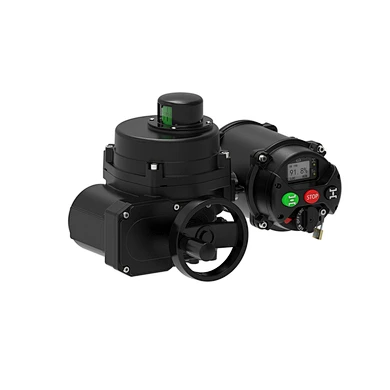
Electric actuators create torque using a motor and gears. Here’s how it works:
- An electric motor spins at high speed but with relatively low torque.
- Gears inside the actuator reduce the speed but multiply the torque — kind of like shifting into a lower gear on a bicycle makes it easier to climb a hill.
- The final output gives you controlled, powerful rotation that can move heavy loads.
The voltage and current supplied to the motor also play a big role — just like how low air pressure affects a pneumatic actuator, low voltage or unstable power can reduce torque and cause performance issues.
Real-World Examples of Torque Needs
Let’s say you’re automating a water treatment plant. You have a few different-sized ball valves that need to be opened and closed automatically.
Here’s what kind of torque you might expect:
| Valve Size | Typical Torque Required |
|---|---|
| ½ inch | 5–20 Nm |
| 1 inch | 20–50 Nm |
| 2 inches | 50–150 Nm |
| 4 inches | 150–300+ Nm |
You’d need to pick an actuator that matches or slightly exceeds these numbers to ensure smooth operation.
Comparing Torque to Pneumatic Pressure
To make things clearer, let’s compare torque in electric actuators to pressure in pneumatic ones:
| Feature | Pneumatic Actuators | Electric Actuators |
|---|---|---|
| Power Source | Compressed Air | Electricity |
| Key Performance | Air Pressure (psi/bar) | Torque (Nm/lb-in) |
| Standard Operating Range | 60–100 psi (4–7 bar) | Varies by application |
| Control Signal | 3–15 psi (pneumatic signal) | 4–20 mA, Modbus, Digital I/O |
| Precision | Moderate | High |
Think of torque as the electric actuator’s version of pressure. Both determine how much force the actuator can produce to do real work.
Tips for Choosing the Right Torque of Electric Actuators
When it comes to electric actuators, torque is one of the most important factors you’ll need to consider. Just like how pneumatic actuators rely on a standard pressure range of 60–100 psi to operate reliably, electric actuators depend on having enough torque to perform their job effectively.
Torque is the rotational force an actuator uses to open or close a valve, rotate a damper, or move a mechanical component. If you choose an actuator with too little torque, it might struggle to do its job — or worse, overheat and fail. On the other hand, choosing way more torque than needed can be unnecessary and costly.
Here are some practical tips to help you choose the right torque for your electric actuator:
1. Know Your Valve’s Torque Requirements
Before selecting an actuator, always check what torque your valve requires. The manufacturer usually provides two key numbers:
- Breakaway Torque: The initial torque required to start moving the valve from a closed or seated position.
- Running Torque: The torque needed to keep the valve moving once it's started.
Always size your actuator based on the higher breakaway torque, not just the running torque.
Think of this like trying to push a stalled car — it takes more effort to get it moving from a stop than to keep it rolling once it’s going.
2. Add a Safety Margin (20–30%)
Even if you know the exact torque required, it’s smart to add a safety margin. We recommend selecting an actuator that can provide at least 20–30% more torque than the valve’s maximum requirement.
Why?
- Over time, valves may become harder to turn due to wear, corrosion, or increased process pressure.
- Unexpected system conditions (like temperature changes or debris) can increase resistance.
- A small buffer helps prevent stalling, overheating, or premature motor failure.
This is similar to how pneumatic systems ensure consistent air pressure within the optimal range — it’s all about reliability.
3. Understand the Difference Between Static and Dynamic Torque
Electric actuators often list two torque ratings:
- Static Torque (Holding Torque): The amount of force the actuator can apply when stopped — useful for keeping a valve in position against system pressure.
- Dynamic Torque (Running Torque): The torque available while the actuator is moving.
Make sure both values meet your needs. Some actuators have high static torque but lower dynamic torque — which could mean they hold well but struggle to move under load.
4. Consider the Operating Environment
Environmental conditions can affect how much torque your actuator actually delivers or needs:
- Extreme Temperatures: Can reduce motor efficiency and lubrication effectiveness.
- Humidity or Corrosive Environments: May cause valves to seize or require more force to move.
- Vertical Loads or Gravity Effects: In rotary applications, gravity can increase the effective load depending on orientation.
Just as low air pressure affects pneumatic actuators, harsh environments can impact electric actuators — so always account for real-world conditions.
5. Choose the Right Gearing for Your Application
Gears play a big role in how torque is delivered:
- High Gear Reduction = More torque, slower speed
- Low Gear Reduction = Less torque, faster speed
If your application needs strong, steady motion (like closing a tight valve), go for higher gear reduction. If speed matters more than strength (like opening a lightweight damper), lower gear reduction may be fine.
It’s a balance — just like adjusting the gears on a bicycle!
6. Check the Power Supply
Torque isn’t just about the actuator itself — it also depends on the power supply. Make sure:
- The voltage matches the actuator’s specifications.
- The power source is stable and capable of delivering enough current.
- Wiring is sized correctly to avoid voltage drop.
Think of this like checking the air compressor output for a pneumatic system — if the pressure (or voltage) is too low, performance will suffer.
7. Use Position Feedback for Modulating Applications
In applications where precise control is needed (like modulating a valve to maintain a specific flow rate), use an actuator with position feedback such as:
- Potentiometers
- Encoders
- Digital communication protocols (Modbus, Profibus, etc.)
These allow for closed-loop control, ensuring the actuator delivers the right amount of torque at the right time — just like how a 3–15 psi signal precisely controls a pneumatic valve.
8. Don’t Forget About Duty Cycle
Some electric actuators are designed for continuous operation, while others are built for short bursts of activity. Exceeding the recommended duty cycle can lead to overheating and reduced torque over time.
Always match the actuator to how often it will run — whether it’s once per hour or non-stop throughout the day.
While pneumatic actuators depend on air pressure (60–100 psi) to function, electric actuators rely on motor power, gearing, and torque to get the job done. Understanding torque is key to selecting the right actuator — whether you're replacing a pneumatic system or designing something new.
At the end of the day, torque is the electric actuator’s strength. Get it right, and your system will run smoothly and reliably for years to come.
Need help finding the perfect electric actuator for your system?
Check out Valen Tech Co., Ltd. for high-quality, durable electric actuators built for industrial precision and performance. Whether you're upgrading old equipment or building something from scratch, Valen Tech has the tools and expertise to keep your automation running strong.