
What Size Valve Requires an Electric Actuator?
author: ATHENA GROUP
2026-08-29
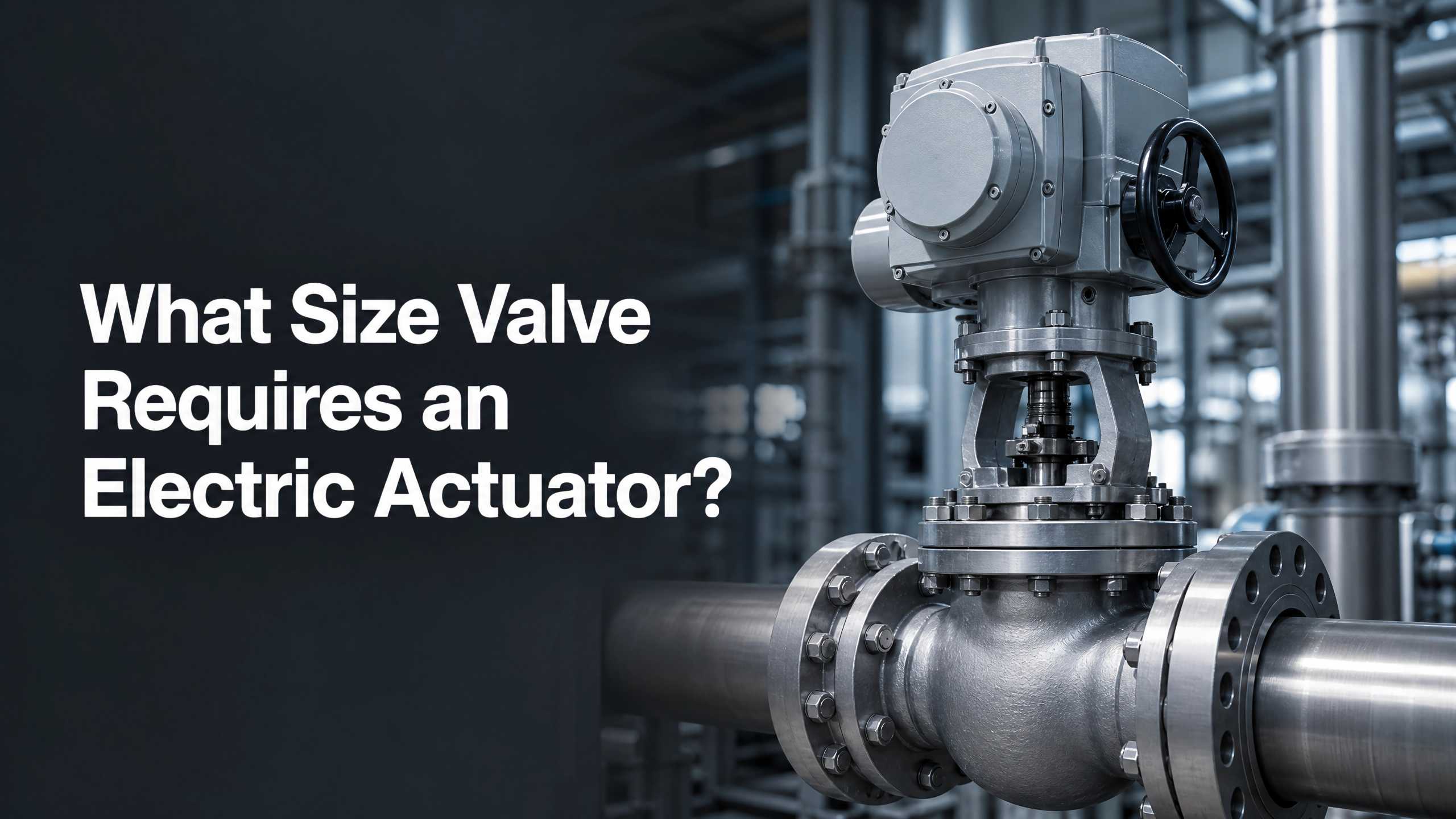
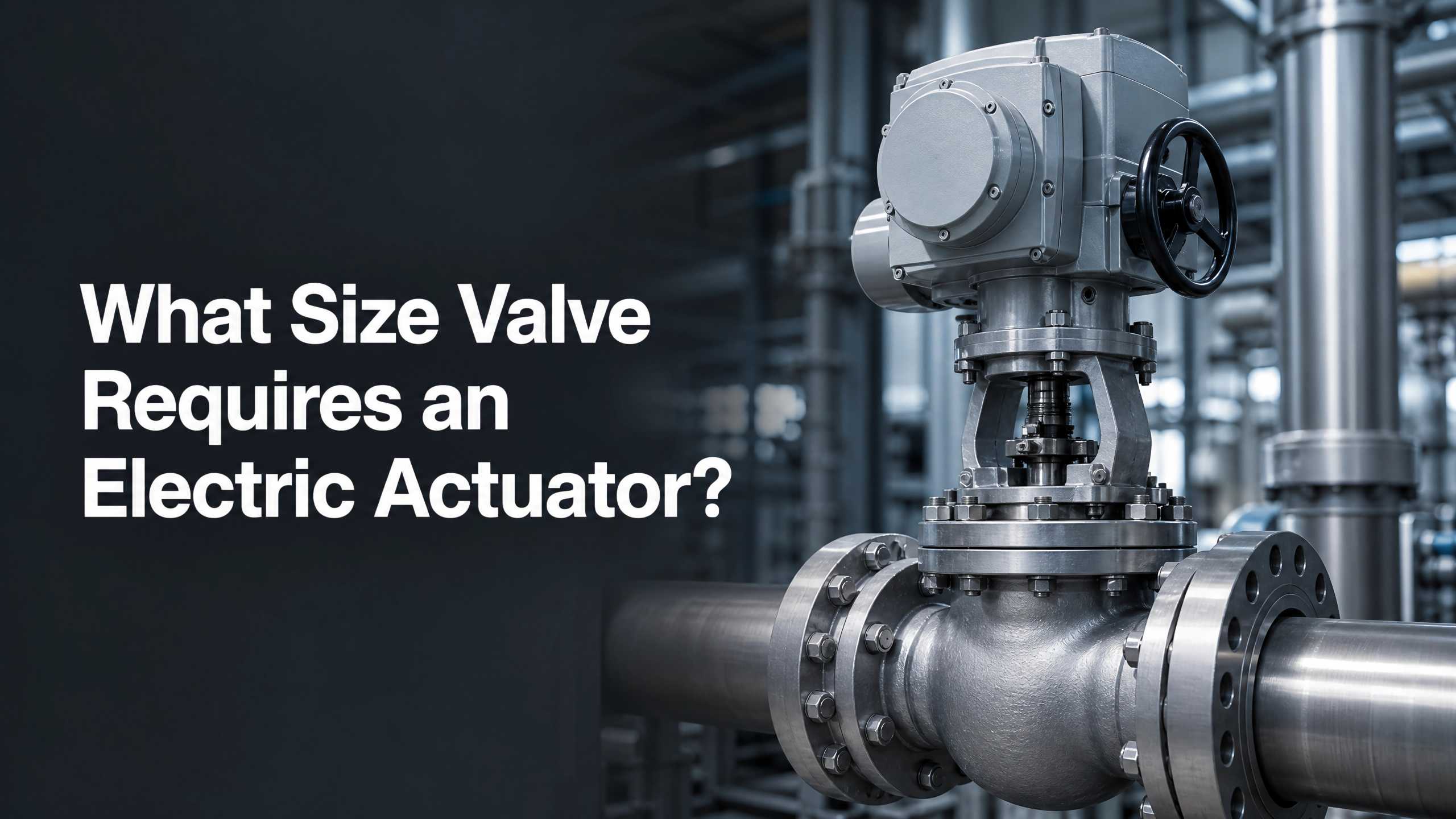
ValenTech is deeply engaged in the industrial valve actuation sector, dedicated to delivering reliable actuator solutions for diverse fluid‑control systems. Within fluid‑control systems, valves serve as core components for media cut‑off and flow regulation. The selection of actuation mode directly bears on system operational stability, automation level and operational‑maintenance safety. Boasting precise control performance and convenient remote‑linkage features, electric actuators have become the mainstream choice for valve actuation in industrial‑automation scenarios.
I. Basic Adaptation Boundaries Based on Valve Nominal Diameter
Valve nominal diameter directly determines the torque or thrust required for operation, which constitutes the core prerequisite for judging whether to adopt an electric actuator. Manual actuation relies on human‑power transmission and is constrained by human physical limits, hence presenting clear adaptation boundaries.
Small‑size valves (DN ≤ 50 mm)
These valves demand low operating torque and can complete basic opening‑closing cycles via manual actuation. Normally no additional electric actuator is required. Upgrading to electric actuation shall only be considered under special working conditions.
These valves demand low operating torque and can complete basic opening‑closing cycles via manual actuation. Normally no additional electric actuator is required. Upgrading to electric actuation shall only be considered under special working conditions.
Medium‑size valves (DN 50‑200 mm)
Operating torque rises substantially. Manual actuation calls for handwheels to amplify human force, resulting in drastically reduced operating efficiency and compromised control accuracy. For this diameter range, actuation modes can be flexibly selected according to operating frequency. Electric actuators deliver prominent advantages when valves require frequent opening‑closing or precise regulation.
Operating torque rises substantially. Manual actuation calls for handwheels to amplify human force, resulting in drastically reduced operating efficiency and compromised control accuracy. For this diameter range, actuation modes can be flexibly selected according to operating frequency. Electric actuators deliver prominent advantages when valves require frequent opening‑closing or precise regulation.
Large‑size valves (DN > 200 mm)
The torque required for operation far exceeds human physical limits. Even with auxiliary devices such as gearboxes, efficient and stable operation can hardly be achieved. Within this range, electric actuators constitute a rigid requirement, and manual operation is barely feasible.
The torque required for operation far exceeds human physical limits. Even with auxiliary devices such as gearboxes, efficient and stable operation can hardly be achieved. Within this range, electric actuators constitute a rigid requirement, and manual operation is barely feasible.
Special note: For valves of identical nominal diameter, operating torque varies considerably with valve types. Partial‑turn valves such as ball valves and butterfly valves feature relatively stable torque curves and require lower torque than linear‑stroke valves including gate valves and globe valves at equal nominal diameters. Accordingly, the adaptable nominal‑diameter range for electric actuators may be moderately extended.
II. Revision of Adaptation Criteria by Working‑Condition Parameters
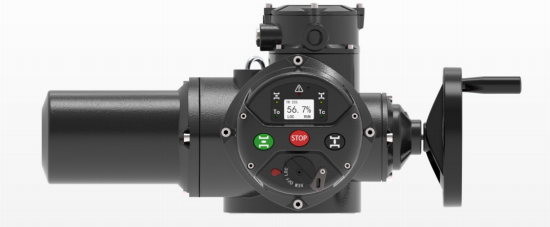
Judging the need for an electric actuator solely by nominal diameter is not comprehensive. Differences in working‑condition parameters will markedly alter valve‑operation requirements and therefore revise adaptation logic.
Nominal pressure serves as a critical variable
Under high‑pressure working conditions, frictional force between valve‑seat sealing surfaces increases, driving up torque required for valve opening and closing. Even a DN50 small‑size valve may prove strenuous for manual actuation under high‑pressure environments, where an electric actuator shall be adopted to compensate for insufficient driving force.
Under high‑pressure working conditions, frictional force between valve‑seat sealing surfaces increases, driving up torque required for valve opening and closing. Even a DN50 small‑size valve may prove strenuous for manual actuation under high‑pressure environments, where an electric actuator shall be adopted to compensate for insufficient driving force.
Medium characteristics shall not be overlooked
For working conditions involving corrosive, toxic‑hazardous, flammable‑explosive media, manual operation forces personnel to get close to valves, bringing obvious safety risks. Regardless of nominal diameter, electric actuators for remote control shall be prioritized to fundamentally isolate operators from hazardous environments.
For working conditions involving corrosive, toxic‑hazardous, flammable‑explosive media, manual operation forces personnel to get close to valves, bringing obvious safety risks. Regardless of nominal diameter, electric actuators for remote control shall be prioritized to fundamentally isolate operators from hazardous environments.
Extreme‑medium‑temperature conditions also merit attention. High or low temperatures degrade mechanical performance of manual operating components, whereas electric actuators can adapt to extreme working conditions through special protective designs to guarantee stable valve operation.
Operating frequency and control accuracy
Valves with high‑frequency opening‑closing impose heavy labour intensity for manual operation and accelerate component wear. Electric actuators deliver stable power output and effectively extend overall equipment service life.
Valves with high‑frequency opening‑closing impose heavy labour intensity for manual operation and accelerate component wear. Electric actuators deliver stable power output and effectively extend overall equipment service life.
For scenarios requiring continuous opening‑degree adjustment to regulate flow or pressure, electric actuators achieve control accuracy within 0.5 %, vastly superior to empirical judgement for manual operation. For such scenarios, electric actuators are recommended regardless of nominal diameter.
III. Core Principles for Accurate Electric‑Actuator Sizing
Once an electric actuator is confirmed necessary, sizing shall not be based merely on nominal diameter. Full‑range matching of torque, control mode, protection rating and mechanical interfaces is required to avoid equipment failures.
1. Torque / Thrust Matching
To cope with valve ageing, medium jamming and working‑condition fluctuations, the output torque or thrust of an electric actuator shall reserve a safety margin of 1.2‑1.5 times (the industry‑general 25‑30 % margin standard), so as to prevent opening‑closing failures and equipment jamming caused by insufficient driving force.
2. Control‑Mode Adaptation
For pipelines requiring only full‑open / full‑close isolation, on‑off type electric actuators shall be selected. For process pipelines demanding continuous flow‑or‑pressure regulation, modulating‑type electric actuators shall be chosen, with matching of on‑site power supply and control‑signal parameters (4‑20 mA / 0‑10 V).
3. Environmental Protection and Mechanical Adaptation
For outdoor, humid and dusty environments, electric actuators with a protection rating of IP66 or higher shall be adopted. Explosion‑proof‑type actuators shall be fitted for flammable‑explosive working conditions. Anti‑freeze heaters may be installed for low‑temperature environments. Mechanical interfaces shall strictly comply with ISO 5211 standards. Flange specifications F10/F12/F14/F16 shall be matched in accordance with valve types. Installation space shall be reserved. Models with manual emergency functions are preferred to facilitate later‑stage operation and maintenance.
To cope with valve ageing, medium jamming and working‑condition fluctuations, the output torque or thrust of an electric actuator shall reserve a safety margin of 1.2‑1.5 times (the industry‑general 25‑30 % margin standard), so as to prevent opening‑closing failures and equipment jamming caused by insufficient driving force.
2. Control‑Mode Adaptation
For pipelines requiring only full‑open / full‑close isolation, on‑off type electric actuators shall be selected. For process pipelines demanding continuous flow‑or‑pressure regulation, modulating‑type electric actuators shall be chosen, with matching of on‑site power supply and control‑signal parameters (4‑20 mA / 0‑10 V).
3. Environmental Protection and Mechanical Adaptation
For outdoor, humid and dusty environments, electric actuators with a protection rating of IP66 or higher shall be adopted. Explosion‑proof‑type actuators shall be fitted for flammable‑explosive working conditions. Anti‑freeze heaters may be installed for low‑temperature environments. Mechanical interfaces shall strictly comply with ISO 5211 standards. Flange specifications F10/F12/F14/F16 shall be matched in accordance with valve types. Installation space shall be reserved. Models with manual emergency functions are preferred to facilitate later‑stage operation and maintenance.
Conclusion
What size valve requires an electric actuator? Matching between valve nominal size and electric actuators essentially represents precise balancing of driving‑force requirements and system capabilities, with no absolute fixed criteria. Retain this simple judgement logic:
Under conventional working conditions, DN250 and above valves basically require electric actuation; for DN50‑200 valves, decisions depend on differential pressure, operating frequency and control accuracy; DN≤50 valves are predominantly manually operated. The core logic is “human‑operability plus safety / automation requirements”.
Under conventional working conditions, DN250 and above valves basically require electric actuation; for DN50‑200 valves, decisions depend on differential pressure, operating frequency and control accuracy; DN≤50 valves are predominantly manually operated. The core logic is “human‑operability plus safety / automation requirements”.
ValenTech specialises in valve‑actuation solutions, offering professional electric‑actuator sizing, technical support and full‑lifecycle operation‑maintenance services for valves of all sizes under complex working conditions, to support safe and stable operation of industrial fluid‑control systems.
How to Commission Intelligent Electric Valve Actuators?
5 Tips for Selecting an Electric Actuator Manufacturer
Related Article
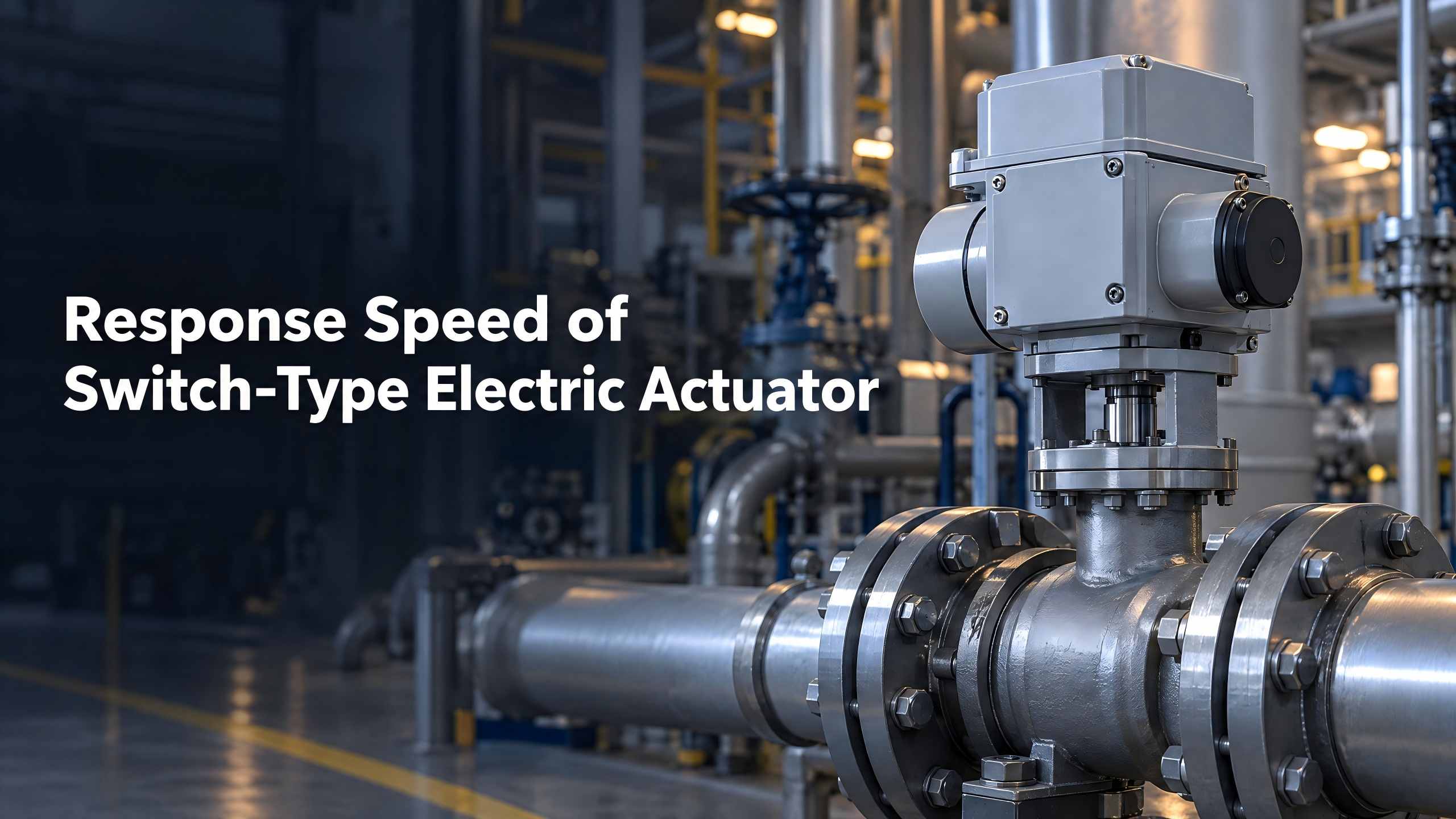
Learn about electric actuator response speed, internal and external influencing factors and key selection points, to select suitable actuators for valve automation projects and ensure efficient and stable system operation.
Response Speed of Switch‑Type Electric Actuator
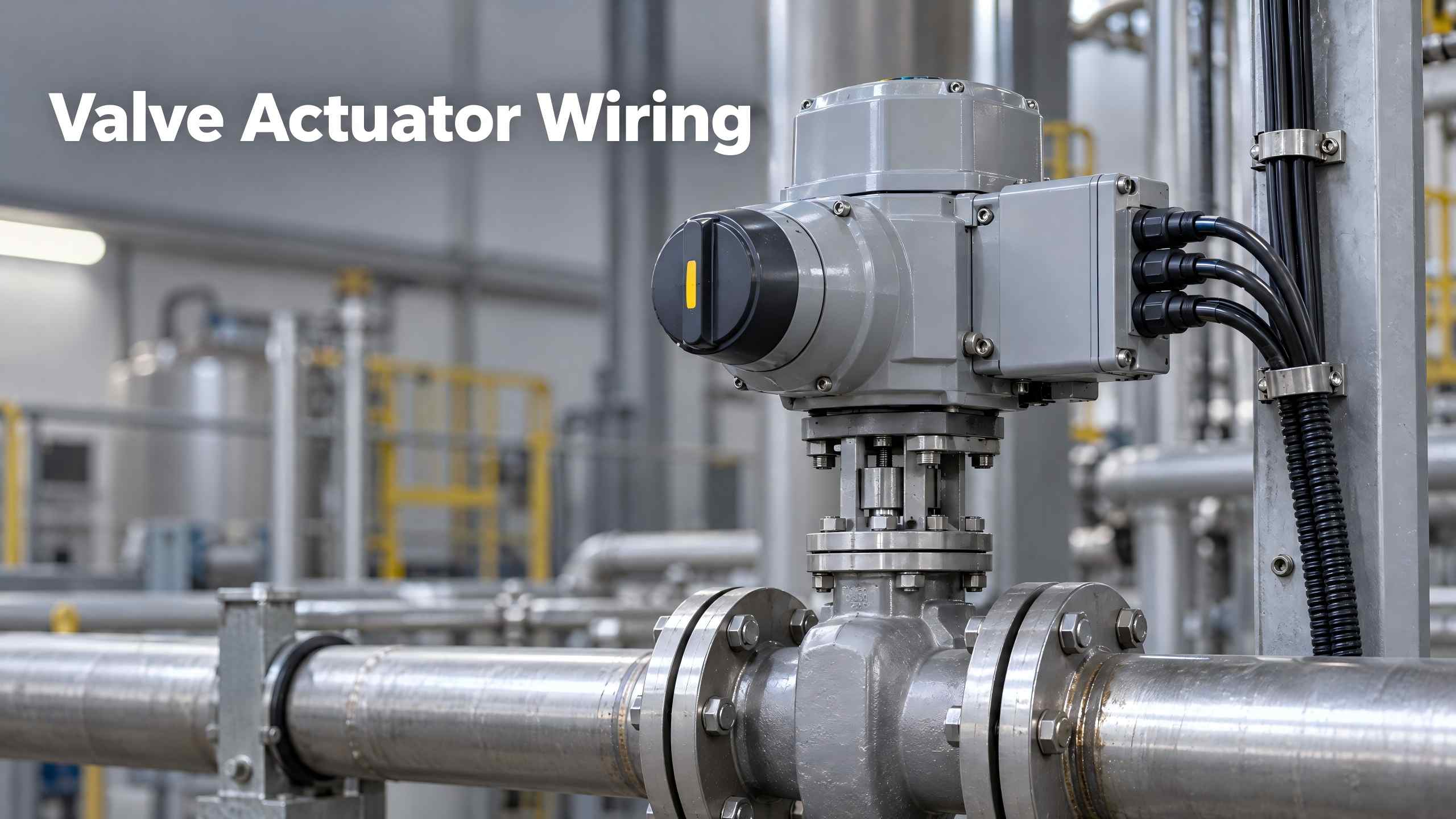
Valve Actuator Wiring describes wiring, commissioning and troubleshooting for electric valve actuators, guiding technicians to adopt standard wiring for stable industrial control.
Valve Actuator Wiring
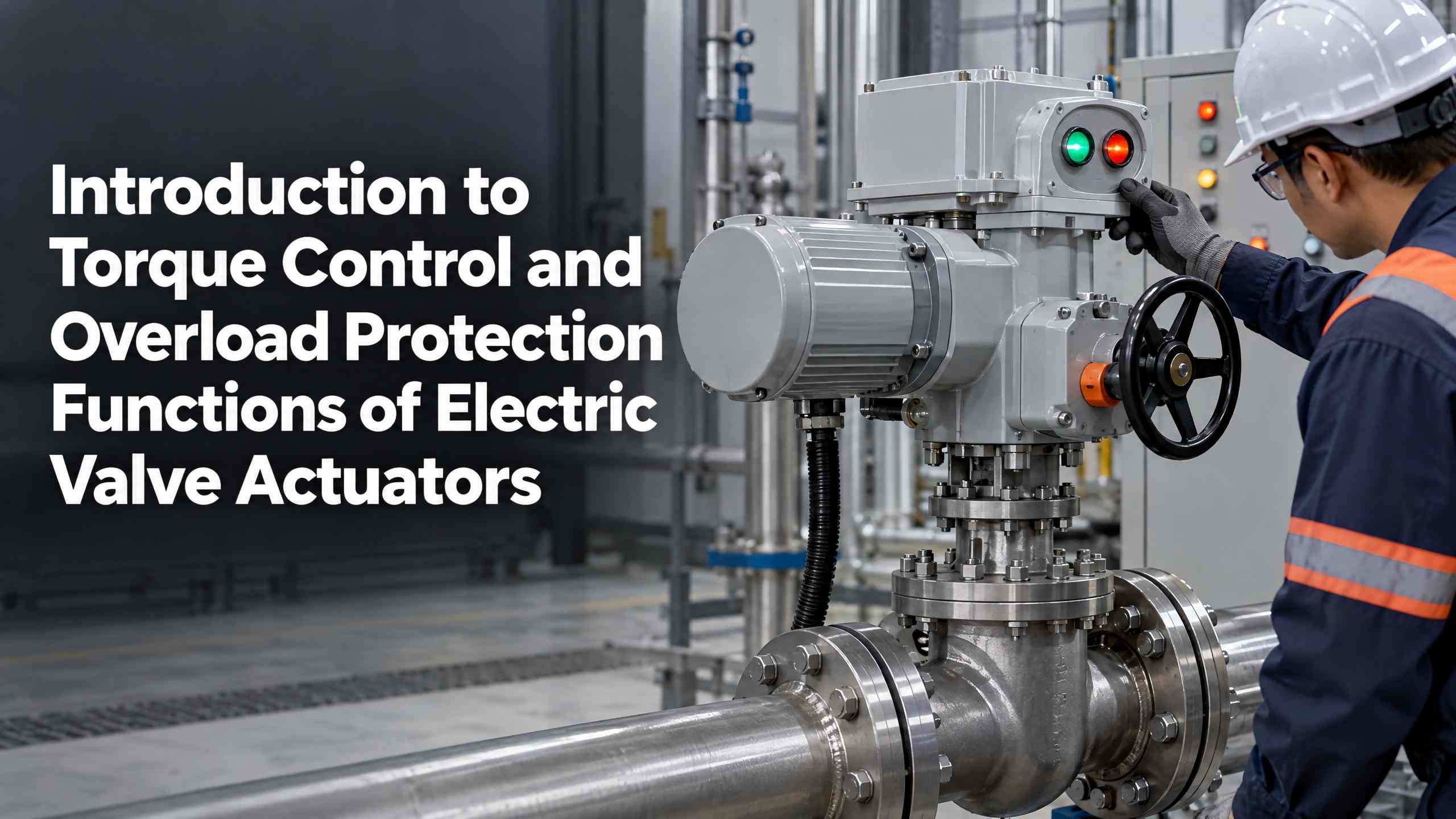
Valen Tech explains electric valve actuator torque control and overload protection functions. Learn how multi‑turn & part‑turn actuators prevent jamming and mechanical damage for petroleum, chemical, power and water pipeline systems.
Introduction to Torque Control and Overload Protection Functions of Electric Valve Actuators
