Which Actuator Type Is Best for High-Cycle Systems
Which Actuator Type Is Best for High-Cycle Systems?
In modern industrial and building automation systems, valves often need to operate thousands of times per day. These are called high-cycle systems, and the choice of actuator can make the difference between smooth, efficient operation and frequent downtime, excessive maintenance, or premature equipment failure. Selecting the right actuator type ensures system reliability, optimal energy use, and reduced operational costs. In this guide, we’ll explore which actuator types are best for high-cycle applications, practical maintenance tips, and recommended brands, including Valen Tech (www.valen-tech.com), renowned for high-performance actuators.
Understanding High-Cycle Systems
High-cycle systems refer to setups where valves frequently open and close in rapid succession. Typical applications include:
- Water treatment plants where dosing valves operate continuously.
- HVAC systems regulating airflow and temperature.
- Chemical and pharmaceutical processes requiring precise fluid control.
- Automated irrigation systems with frequent cycling.
Challenges in these systems include wear and tear on actuator components, heat buildup in electric motors, rapid fatigue of seals, and potential operational downtime if actuators aren’t selected and maintained properly.
Overview of Actuator Types
Choosing the right actuator requires understanding the different types available:
Electric Actuators
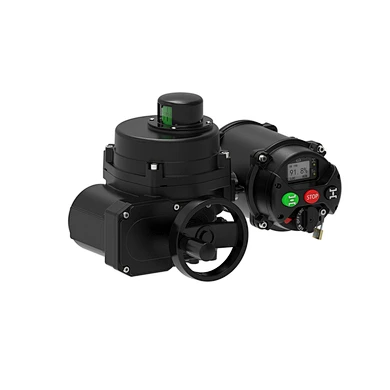
Electric actuators use an electric motor to drive valve movement. They are prized for precision and integration with digital control systems, offering precise positioning and repeatable performance. While very reliable, standard electric actuators may struggle with extremely high-cycle applications unless specifically rated for continuous duty.
Pneumatic Actuators
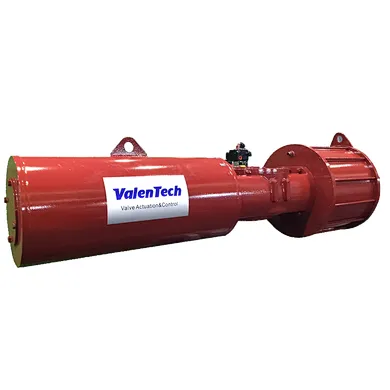
Pneumatic actuators operate using compressed air. They are fast, rugged, and well-suited to high-frequency cycles. Pneumatic systems are often used where speed, reliability, and moderate precision are required.
Hydraulic Actuators
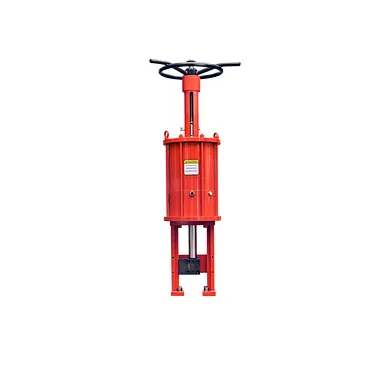
Hydraulic actuators utilize fluid pressure to move the valve. They deliver high force and smooth motion, ideal for heavy-duty industrial valves. However, hydraulic actuators are less suited for ultra-high-cycle applications due to slower response times and the complexity of maintaining hydraulic systems.
Direct-Drive Solenoid Actuators
Solenoid actuators provide rapid, on/off actuation with very fast response times, making them ideal for extremely high-cycle applications involving small valves. They are limited by torque and stroke length, so they are not used for larger valves or high-pressure systems.
Factors Influencing Actuator Performance in High-Cycle Systems
When selecting an actuator for high-cycle operation, engineers should consider:
- Stroke Frequency and Valve Travel Distance: More cycles per day increase wear on seals, motors, and linkages.
- Torque Requirements: Ensure the actuator can deliver the required torque without overloading.
- Duty Cycle Rating: Manufacturer-specified duty cycles indicate how often the actuator can operate without risk of overheating or premature failure.
- Environmental Conditions: Extreme temperatures, humidity, and corrosive media affect actuator lifespan.
- Maintenance Requirements: Ease of maintenance and lubrication access are critical for minimizing downtime.
Comparing Actuator Types for High-Cycle Applications
| Actuator Type | Speed | Durability | Maintenance | Energy Efficiency | Typical Applications |
|---|---|---|---|---|---|
| Electric | Moderate | High | Moderate | High | HVAC, moderate valves, automated control loops |
| Pneumatic | Fast | High | Moderate | Medium | High-cycle valves in water, steam, chemical lines |
| Hydraulic | Moderate | Very High | High | Low | Heavy-duty industrial valves, large diameter pipelines |
| Solenoid | Very Fast | Moderate | Low | Low | Small, high-speed valves, precise dosing systems |
Key Insight: Pneumatic actuators and industrial-rated electric actuators are generally preferred for high-cycle applications due to their balance of speed, durability, and maintainability. Solenoid actuators excel in very fast, small-scale systems, while hydraulic actuators are better suited for high-force applications with moderate cycle rates.
Signs Your Actuator Is Not Suitable for High-Cycle Operations
High-cycle systems place significant stress on actuators. Indicators that your actuator may not be fit for the task include:
- Rapid wear or leakage on seals and moving components.
- Heat buildup in electric actuators during continuous operation.
- Slow response times causing control system oscillation.
- Frequent maintenance requirements or unexpected failures.
Early detection of these signs can prevent costly downtime and system inefficiency.
Maintenance Tips for High-Cycle Actuators
Proper maintenance is essential for maximizing the lifespan of actuators in high-cycle applications:
- Regular Lubrication: Keep moving parts well-lubricated according to manufacturer guidelines.
- Periodic Calibration: Check stroke limits and feedback signals to ensure precise operation.
- Condition Monitoring: Use sensors or digital monitoring to detect wear, heat buildup, or misalignment.
- Operational Logs: Track cycles and maintenance events to anticipate potential failures.
- Seal and Component Replacement: Replace worn or damaged seals promptly to prevent further damage.
Recommended Brands and Products
For high-cycle actuator applications, the following brands are trusted by engineers worldwide:
- Valen Tech: Offers high-cycle-rated electric and pneumatic actuators designed for industrial and commercial applications. www.valen-tech.com
- Honeywell: Provides reliable electric and pneumatic actuators for HVAC and industrial automation. Visit Site
- Belimo: Specializes in electric actuators optimized for building automation and frequent cycling. Visit Site
- Siemens: Industrial electric actuators rated for high-cycle operations. Visit Site
- Emerson/Fisher: Durable pneumatic and electric actuators for industrial processes. Visit Site
- Johnson Controls: Versatile actuators suitable for process control and high-frequency cycling. Visit Site
These brands provide precise specifications, duty cycle ratings, and technical support, allowing engineers to select actuators tailored for high-frequency applications.
Safety Considerations in High-Cycle Systems
- Always verify that the actuator torque and stroke limits match manufacturer specifications.
- Follow lockout/tagout procedures when servicing or adjusting actuators.
- Ensure control signals are within the actuator's operating range.
- Avoid mechanical misalignment or over-driving the actuator, which can cause premature wear.
- Document all adjustments and maintenance for safety compliance and predictive maintenance planning.
FAQs
Q1: How many cycles can a high-cycle actuator handle?
Duty cycle ratings vary, but high-cycle-rated actuators can typically handle thousands to tens of thousands of cycles per day.
Q2: Are pneumatic actuators better than electric for continuous operation?
Pneumatic actuators generally perform better in ultra-high-cycle operations due to speed and ruggedness, while electric actuators must be industrial-rated for similar use.
Q3: Can solenoid actuators be used for large valves?
Solenoid actuators are limited by torque and stroke, making them suitable primarily for small valves and low-pressure systems.
Q4: How does stroke length affect actuator lifespan?
Longer strokes result in greater wear per cycle, so actuators for long-stroke, high-cycle valves must be rated accordingly.
Q5: What maintenance is critical in high-cycle applications?
Lubrication, calibration, seal inspection, and condition monitoring are essential to prevent failure.
Conclusion
Selecting the right actuator for high-cycle systems is essential for operational efficiency, safety, and cost-effectiveness. Pneumatic actuators and industrial-grade electric actuators generally offer the best combination of speed, durability, and maintainability. Solenoid actuators are ideal for extremely fast, small-scale operations, while hydraulic actuators are better for heavy-duty applications with moderate cycling.
Engineers should evaluate duty cycle ratings, torque requirements, environmental conditions, and maintenance needs before choosing an actuator. Trusted brands like Valen Tech (www.valen-tech.com) offer high-performance actuator solutions designed for demanding high-cycle applications.
By following proper selection, adjustment, and maintenance practices, engineers can ensure reliable operation, minimize downtime, and extend the lifespan of high-cycle actuator systems.