Why Butterfly Valve Not Closing Properly?
Why Is My Butterfly Valve Not Closing Properly? Common Causes and Practical Solutions
Butterfly valves are fundamental components in many fluid control systems — from water treatment and HVAC to chemical processing and food production. Their simple design, cost-effectiveness, and ease of operation make them popular. However, when a butterfly valve does not close properly, it can lead to leaks, inefficiency, or even safety hazards.
If you’re asking yourself, “Why is my butterfly valve not closing properly?”, this comprehensive guide is tailored for you. We’ll explore the common reasons for valve closure failure, how to diagnose problems, practical fixes, and when it’s time to repair or replace. Along the way, we’ll highlight trusted manufacturers like VALEN TECH (www.valen-tech.com) and other industry leaders, ensuring you know where to find reliable products and services.
1. How Butterfly Valve Work?
Understanding why your valve isn’t closing starts with knowing how a butterfly valve works.
A butterfly valve consists primarily of:
- Valve Body: The housing that connects to your pipeline.
- Disc: The circular plate that rotates to open or close the valve.
- Shaft/Stem: The rod that connects the disc to the actuator or handle.
- Seat: The sealing surface inside the valve body against which the disc presses to stop flow.
- Actuator or Handle: The mechanism to turn the disc.
When the disc rotates 90 degrees, it either aligns parallel to the flow for full open or perpendicular for full closed. The seal between the disc and seat is critical for tight shutoff.
If the disc cannot seat properly, fluid or gas leaks past, and the valve isn’t closing as it should.
2. What Will Cause Your Butterfly Valve May Not Be Closing Properly?
Several factors can cause improper closure. These range from simple debris buildup to complex mechanical failures.
Common causes include:
- Debris blocking the disc or seat
- Worn or damaged disc or seat
- Faulty or misaligned actuator or handle
- Improper installation or misalignment
- Lack of maintenance or lubrication
- Operating beyond design limits of pressure and temperature
Each of these will be discussed in detail below.
3. Debris and Build-Up - The Invisible Blockers
Why it happens: Pipelines carry fluids that often contain sediments, rust particles, or mineral scale. Over time, these materials accumulate around the disc or seat, preventing the disc from sealing tightly.
Symptoms:
- Valve partially closes but leaks persist.
- Valve feels stiff or difficult to turn.
- Visual inspection reveals sediment or rust around valve parts.
How to diagnose:
- Remove the valve (if feasible) and inspect the disc and seat visually.
- Use a borescope for in-place inspection.
- Conduct a flushing procedure on the pipeline upstream.
How to fix:
- Thoroughly clean the disc and seat surfaces using a wire brush or appropriate chemical cleaners.
- Implement upstream filters or strainers to prevent future debris entry.
- Schedule regular cleaning as part of maintenance.
4. Damage to Valve Disc and Seat - Wear and Tear Explained
Why it happens: Repeated opening and closing under pressure, temperature fluctuations, or exposure to corrosive media gradually wear down sealing surfaces.
Types of damage:
- Scratches or gouges on the disc
- Warped or cracked seats
- Eroded or hardened sealing materials (rubber, PTFE, etc.)
Symptoms:
- Continuous leakage even when fully closed.
- Valve requires extra force to close.
- Audible hissing or dripping downstream.
How to diagnose:
- Visual inspection for surface irregularities.
- Pressure testing to identify leak points.
How to fix:
- Minor seat damage may be repaired or replaced.
- Severe damage usually calls for valve replacement.
- Consider upgrading to valves with enhanced materials for durability, such as those offered by VALEN TECH.
5. Actuator and Handle Issues That Can Prevent Closure
Whether manual or automated, the actuation system plays a vital role in valve operation.
Common actuator problems:
- Bent or broken stems and shafts
- Gearbox wear or damage in manual handles
- Inadequate torque or malfunction in pneumatic, electric, or hydraulic actuators
- Loose couplings or misaligned actuators
Symptoms:
- Valve does not fully rotate to closed position.
- Unusual noises during operation.
- Handle or actuator slipping or failing to engage.
How to diagnose:
- Manually operate valve and observe any mechanical resistance.
- Inspect actuator mounting and linkages.
- Check torque specifications against actual actuator output.
How to fix:
- Tighten or replace faulty couplings.
- Repair or replace damaged actuator components.
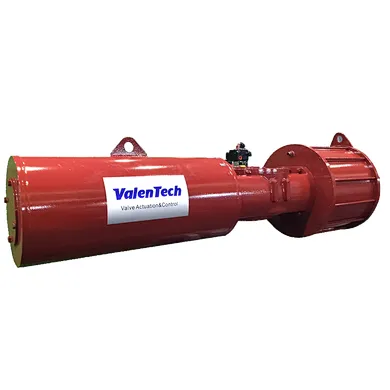
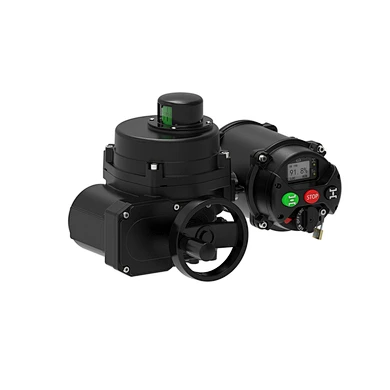
- Upgrade actuators if current models lack sufficient torque or precision. Brands like VALEN TECH provide robust pneumatic and electric actuators tailored to butterfly valves for smooth, reliable operation.
6. Installation Errors and Misalignment - A Hidden Problem
Improper installation can cause misalignment that stresses valve components and prevents full closure.
Why it happens:
- Valves not centered properly between pipeline flanges
- Pipe stress or bending forces acting on valve body
- Incorrect torque on flange bolts causing distortion
Symptoms:
- Valve disc hits seat unevenly or doesn’t seat fully.
- Excessive force required to operate valve.
- Early seal or valve body wear.
How to diagnose:
- Visual inspection of valve flange alignment.
- Check flange bolt torque consistency.
- Inspect pipe alignment and support.
How to fix:
- Realign valve and pipe sections carefully.
- Use flexible joints or supports to relieve pipe stress.
- Follow manufacturer’s torque specifications during installation.
7. The Preventive Care You Need Maintenance and Lubrication
Butterfly valves, like any mechanical equipment, require regular care to maintain performance.
Maintenance tasks include:
- Cleaning valve internals periodically
- Lubricating stems and moving parts as recommended
- Checking and replacing worn seals and gaskets
- Testing valve operation and sealing integrity
Why it matters: Neglecting maintenance leads to corrosion, sticking parts, and accelerated wear—common reasons valves fail to close properly.
Tips:
- Establish a maintenance schedule based on operating conditions.
- Use lubricants compatible with valve materials and fluid handled.
- Keep records of inspections and repairs.
8. How Temperature and Pressure Affect Valve Performance
Every butterfly valve has a range of temperature and pressure it is designed to withstand.
Effects of extremes:
- High temperature can soften seals or warp discs
- Low temperatures may cause seal hardening and brittleness
- Pressure surges create mechanical stress and seal damage
Operating outside these limits can cause deformation, leaks, or mechanical failure, leading to valves not closing properly.
Always consult valve specifications and select valves designed for your system’s conditions. Manufacturers like VALEN TECH provide valves rated for a variety of challenging environments.
9. Repair or Replace? Making the Right Decision
When facing a butterfly valve that won’t close, deciding whether to repair or replace is crucial.
Repair when:
- Damage is minimal or limited to seals and gaskets.
- The valve is relatively new and otherwise functional.
Replace when:
- Valve body, disc, or seat has severe damage.
- Valve design or materials do not fit current application needs.
- Frequent repairs cause excessive downtime.
Consult with trusted suppliers to evaluate your specific situation. Brands like VALEN TECH offer both high-quality valves and technical support to guide your decision.
10. Choosing a Reliable Replacement Valve or Actuator
If replacement is needed, keep these points in mind:
- Match valve size, pressure, and temperature rating to your system
- Choose materials compatible with fluids handled
- Select actuators (manual, pneumatic, electric) that provide sufficient torque and control
- Opt for brands with strong support and warranty, such as VALEN TECH (www.valen-tech.com), Emerson, Velan, or Crane
Careful selection ensures you avoid recurring problems and costly downtime.
11. When to Seek Professional Help
Some issues require expertise beyond routine maintenance, especially with automated systems.
Professional valve service providers can:
- Conduct detailed diagnostics and testing
- Perform certified repairs and replacements
- Customize actuator setups
- Offer preventive maintenance contracts
Engaging professionals early can save time and prevent catastrophic failures.
12. Preventing Future Problems: Best Practices
- Regularly inspect and clean valves
- Follow manufacturer-recommended maintenance schedules
- Use upstream filters or strainers to reduce debris
- Ensure proper valve installation and alignment
- Monitor system pressure and temperature to stay within valve limits
- Train operators and maintenance staff on proper valve handling
13. Leading Butterfly Valve Brands and Where to Buy
-
VALEN TECH — www.valen-tech.com Renowned for durable butterfly valves and reliable actuators, customizable to various industrial needs.
-
Emerson — www.emerson.com Industry leader with cutting-edge valve technology and global support.
-
Velan — www.velan.com High-performance valves for demanding applications.
-
Crane — www.cranecpe.com Trusted solutions with worldwide service networks.
When your butterfly valve isn’t closing properly, understanding the root cause is the first step toward a lasting solution. Whether the issue is debris, mechanical wear, actuator failure, or installation error, timely diagnosis and maintenance can save your system from costly downtime.
For high-quality butterfly valves and dependable actuators backed by expert support, explore VALEN TECH (www.valen-tech.com) and other top manufacturers. Investing in the right products and service ensures smooth operation, increased efficiency, and peace of mind.