Why Torque Matters for Valves?
What Is Torque in Valves?
If you’ve ever worked with industrial valves — especially in automation — you’ve probably heard the word “torque” come up more than once. But what exactly does torque in valves mean? And why is it so important when choosing an actuator?
Whether you're upgrading an existing system or designing a new one, understanding valve torque is key to ensuring smooth, reliable operation. In this article, we’ll break it down in simple terms, explain how it affects actuator selection, and give you the tools to make smart decisions.
Why Torque Matters for Valves
Torque is the rotational force needed to open or close a valve. Think of it like this: when you twist a doorknob or open a jar lid, you’re applying torque. In valve systems, that twisting force is what turns a ball valve, butterfly valve, or damper — and it needs to be strong enough to overcome friction, pressure, and other resistance.
Choosing the right amount of torque is crucial:
- Too little, and the actuator might stall or fail to move the valve.
- Too much, and you risk damaging the valve stem or over-tightening the seal.
In short: Torque is the muscle behind valve automation.
Types of Torque in Valve Operation
Not all torque is the same. Here’s a breakdown of the different types you’ll encounter:
1. Breakaway Torque
This is the initial force needed to start moving the valve from a stationary position. It’s usually the highest torque value because of friction and pressure resistance.
Think of it like the push you need to get a car rolling from a stop.
2. Running Torque
Once the valve starts moving, it requires less force to keep it going — that’s running torque. It’s typically lower than breakaway torque.
Like keeping a car rolling once it’s moving — it takes less effort than starting it.
3. Seating Torque
This is the force required to fully close the valve and create a tight seal. It’s important in applications where leak-tight shut-off is critical.
Similar to screwing a lid on a jar until it’s completely sealed.
How Torque Affects Actuator Selection
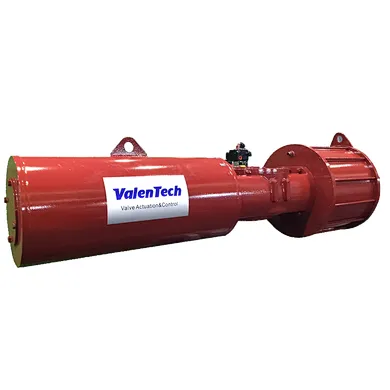
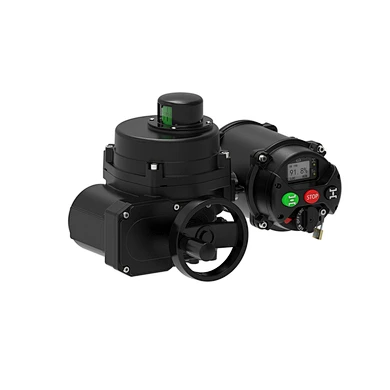
When choosing an actuator — whether electric or pneumatic — torque is one of the most important specifications to match.
For Electric Actuators:
- Torque is measured in Newton-meters (Nm) or pound-inches (lb-in).
- Electric actuators are often used in applications requiring high precision, modulating control, or long-term energy efficiency.
For Pneumatic Actuators:
- Torque is indirectly determined by air pressure, typically in the range of 60–100 psi.
- Pneumatic actuators are often used where fast response, simple on/off control, or hazardous environment compatibility is needed.
But whether you're using electric or pneumatic, the goal is the same: match the actuator's output to the valve's torque needs.
Torque Requirements by Valve Type and Size
Different valves require different amounts of torque. Here's a general guide:
| Valve Type | Size Range | Typical Torque Range (Nm) |
|---|---|---|
| Ball Valve | ½”–1” | 5–50 Nm |
| Ball Valve | 1”–4” | 50–300 Nm |
| Butterfly Valve | 6”+ | 300–1000+ Nm |
| Gate Valve | 2”–12” | 100–2000+ Nm |
| Plug Valve | 1”–6” | 50–800 Nm |
Tip: Always add a 20–30% safety margin when selecting an actuator. This helps account for wear, pressure changes, or unexpected resistance over time.
How to Calculate Required Torque
The best way to determine the torque needed for your valve is to:
- Check the valve manufacturer’s specifications. They often provide:
- Breakaway torque
- Running torque
- Seating torque
- Add a safety margin to cover real-world conditions.
- Consider environmental factors like:
- Backpressure
- Temperature
- Frequency of operation
- Corrosion or debris buildup
Example:
If a 4” ball valve has a breakaway torque of 200 Nm, you should select an actuator with at least 250–300 Nm of output torque.
A Quick Comparison Torque vs. Pneumatic Pressure
If you're familiar with the Valen Tech article on pneumatic actuators, you’ll know that most operate within the 60–100 psi range. That pressure is what gives them the force to move.
In contrast, electric actuators rely on torque — and just like low air pressure causes weak movement in pneumatics, low torque causes poor performance in electric actuators.
Here’s a simple comparison:
| Feature | Pneumatic Actuator | Electric Actuator |
|---|---|---|
| Power Source | Compressed Air | Electricity |
| Force Generation | Air Pressure (60–100 psi) | Torque (Nm/lb-in) |
| Control Signal | 3–15 psi (pneumatic signal) | 4–20 mA, Modbus, Digital I/O |
| Precision | Moderate | High |
| Maintenance | Higher | Lower |
| Energy Efficiency | Lower | Higher |
Common Mistakes When Choosing Actuator Torque
Even experienced engineers can make mistakes when selecting torque for valve actuators. Here are the most common ones:
1. Underestimating Torque Requirements
- Relying on generic charts without checking actual valve specs.
- Ignoring environmental resistance or pressure buildup.
2. Ignoring the Safety Margin
- Going with the exact torque number without allowing for wear or load changes.
3. Mismatching Control Signals
- Using an actuator with incompatible control signals (e.g., 4–20 mA vs 3–15 psi).
4. Oversizing the Actuator
- Choosing an actuator with way more torque than needed can damage the valve or system.
Torque Is Key to Reliable Valve Automation
Understanding what torque in valves means isn’t just technical jargon — it’s a practical necessity for anyone involved in automation, maintenance, or procurement.
By matching the actuator’s torque output to the valve’s requirements, you ensure:
- Smooth operation
- Longer equipment life
- Fewer maintenance headaches
- Better system efficiency
Whether you're replacing a pneumatic system or designing a new electric one, always start with the basics: know your valve torque.
Need Help Choosing the Right Actuator?
At Valen Tech Co., Ltd., we specialize in delivering high-performance electric actuators designed for industrial durability and precision. Whether you need a compact actuator for light-duty valves or a high-torque model for large butterfly valves, Valen Tech has the right solution for your automation needs.
Contact us for custom solutions
Let us help you make the right choice for your next automation project — where torque meets performance.
Check out Valen Tech Co., Ltd. for high-quality, durable electric actuators built for industrial precision and performance. Whether you're upgrading old equipment or building something from scratch, Valen Tech has the tools and expertise to keep your automation running strong.