2026 Pneumatic Valve Actuator Procurement Guide
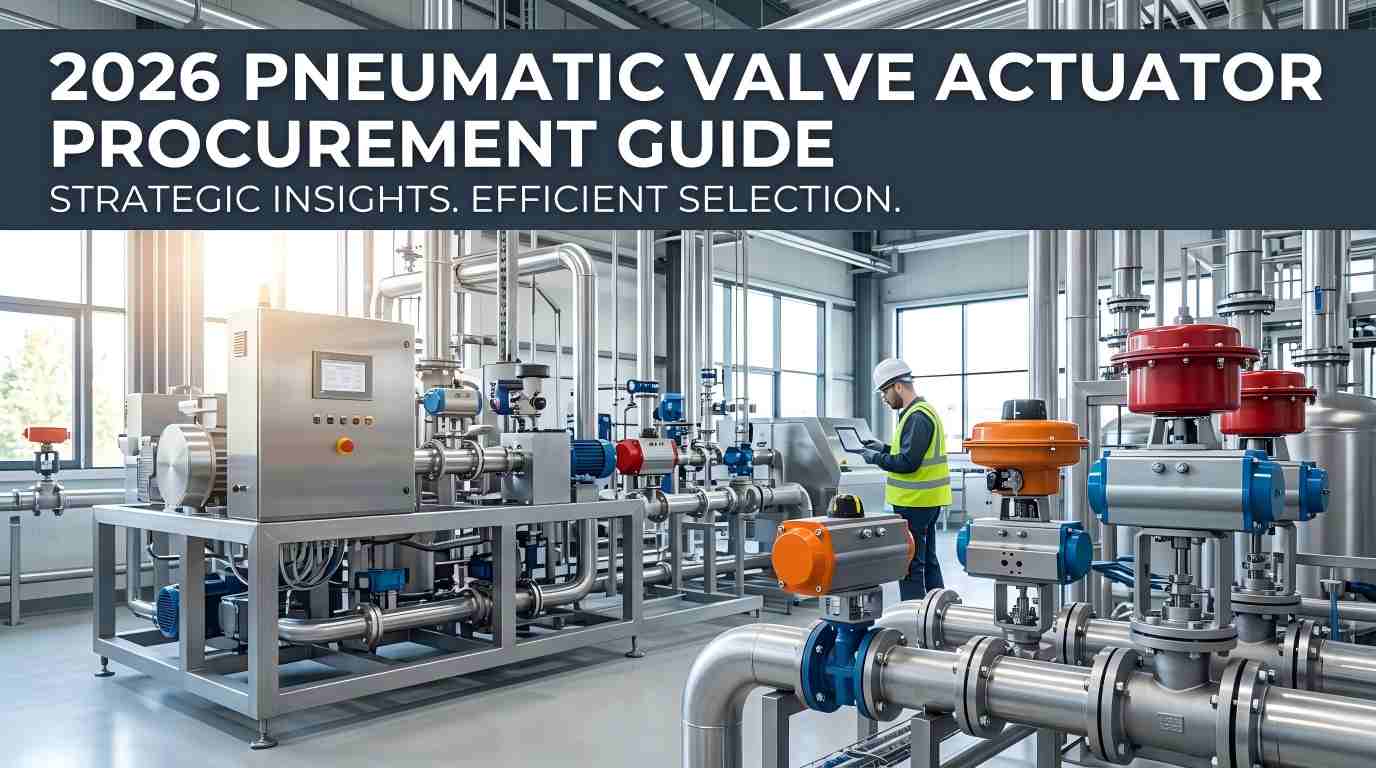
What is a Pneumatic Valve Actuator?
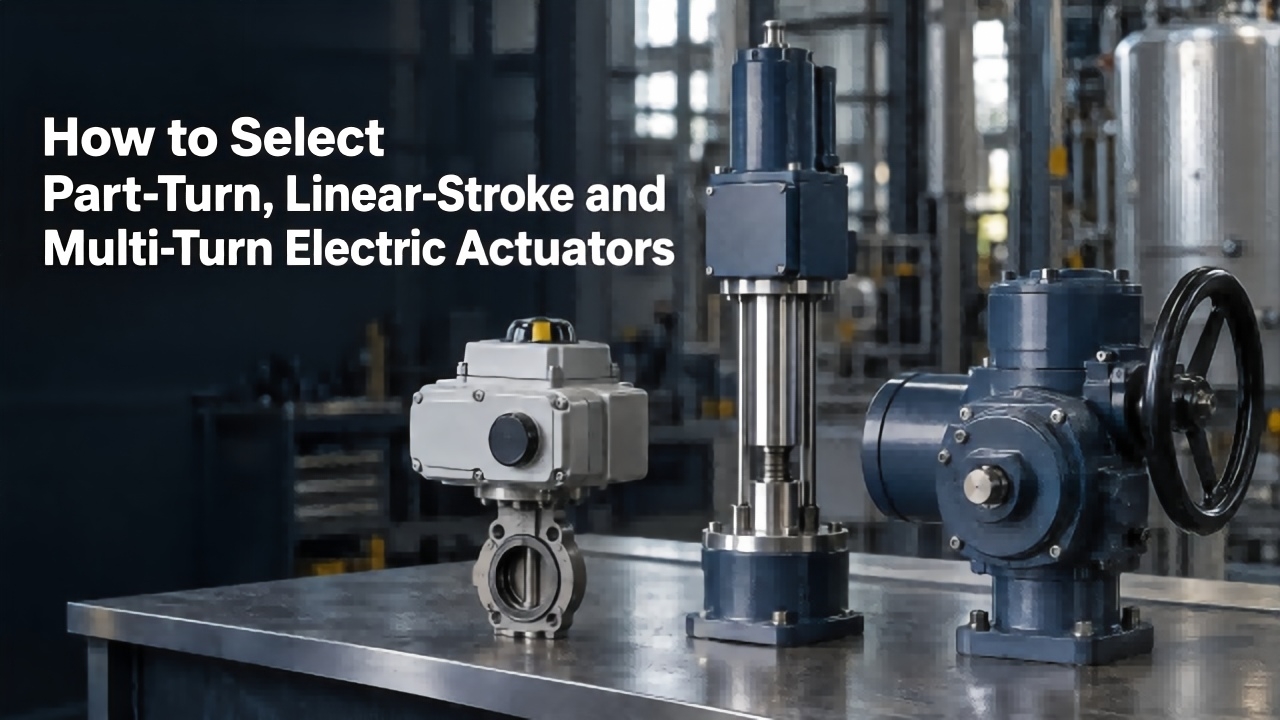
Valve actuators provide power for industrial valves, mainly divided into manual and power-driven (electric, pneumatic, hydraulic, etc.) types. Pneumatic actuators can convert linear motion into rotary motion to drive valves, adopt a structure with die-cast aluminum as the core for durability, and are equipped with configurations such as double-acting and spring return, suitable for various industrial needs.
Their applications cover many industries including wastewater treatment, thermal power generation, and petroleum refining: remote automatic control in oil and gas pipelines to ensure safety; fluid flow regulation in power plants to optimize efficiency; explosion-proof structure in chemical workshops to adapt to flammable and explosive environments; stable operation in outdoor wastewater treatment scenarios relying on corrosion and weather resistance.
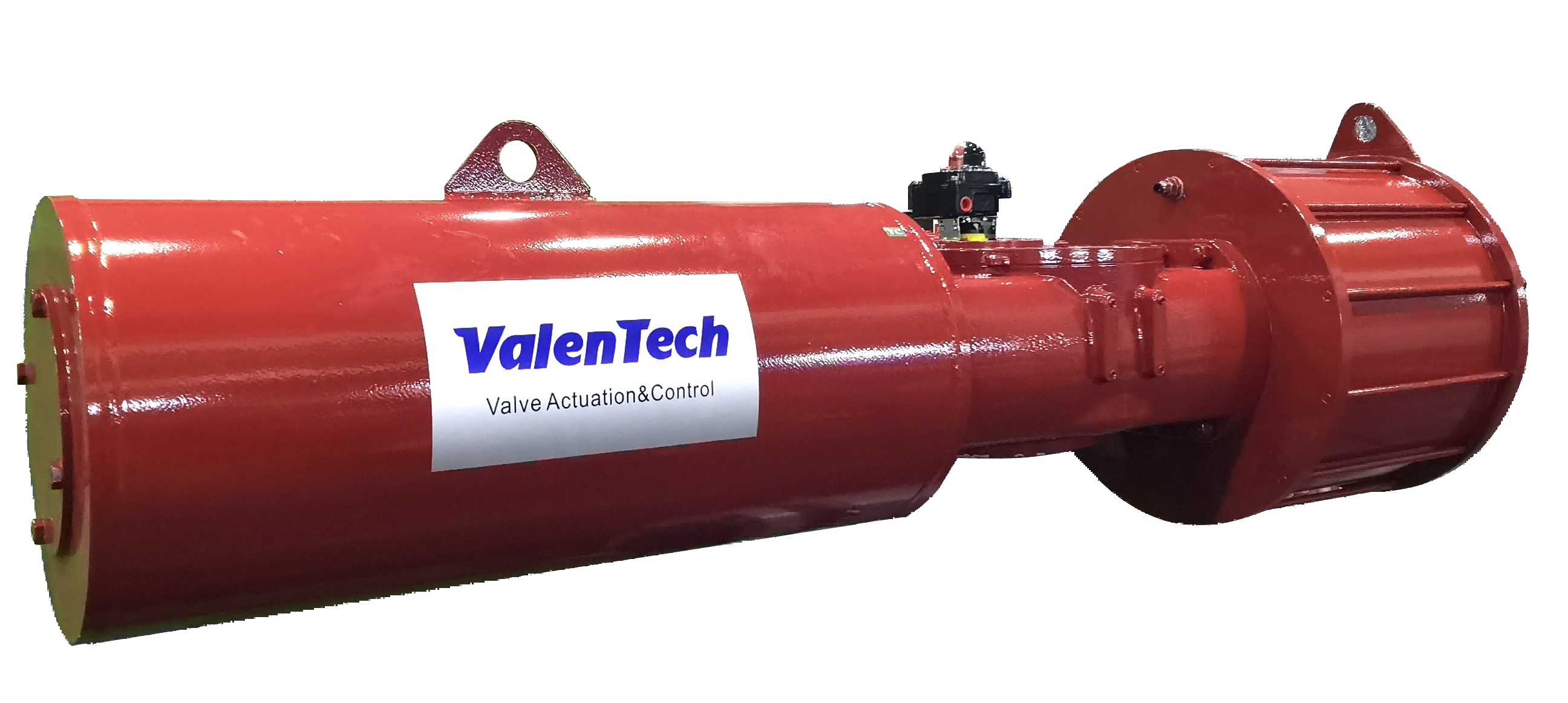
Working Principle of Pneumatic Valve Actuators
Pneumatic actuators use air pressure to push pistons or diaphragms to generate movement, divided into two modes: double-acting (compressed gas drives the piston to open and close the valve) and spring return (unidirectional drive, spring reset). Their system efficiency is 10%-20%. New materials and intelligent sensors have improved their durability, with an operating speed of 0.3-6 seconds and a supply pressure range of 35-150 PSI, adapting to various industrial scenarios.
Key Components and System Collaboration
A complete pneumatic valve control system is not only composed of valves and actuators, but also includes a series of key accessories, which jointly determine the performance of the system:
| Component Name | Function Description | Procurement Suggestions |
|---|---|---|
| Solenoid Valve | Controls the on-off and commutation of the air circuit | Must match the actuator interface (e.g. NAMUR standard) with fast response time. |
| Valve Positioner | Receives control signals and accurately adjusts air supply pressure | Intelligent positioners have self-diagnosis functions, which can greatly improve regulation accuracy. |
| Limit Switch | Feeds back valve open/close position signals | Mechanical or inductive type, used for central control room monitoring. |
| Air Source Treatment Trio | Filters impurities, regulates air pressure and lubricates | Ensures clean and dry air source, prolongs actuator service life. |
| Handwheel Mechanism | Manual emergency operation in case of air source failure | Especially for double-acting actuators, the handwheel is an important safety backup. |
Types of Valves with Pneumatic Actuators
Common types and features:
1.Pneumatic Actuator Butterfly Valve
Lightweight, economical and easy to maintain. Controls fluid by rotating a disc, suitable for narrow spaces requiring fast control such as water plants and HVAC systems.
2.Pneumatic Actuator Ball Valve
Sturdy, flexible and fast to open/close. Resists high and low temperatures and corrosion. Spark-free design is suitable for hazardous industries such as petroleum and natural gas, and acts faster than electric ball valves.
3.Other Common Types
Gate valves are suitable for high-pressure scenarios, used in water treatment and power plants; globe valves provide precise flow control, applicable to chemical and power generation fields; diaphragm valves prevent pollution, suitable for food and pharmaceutical industries; knife gate valves can cut solids, used in mining, wastewater treatment and other scenarios.
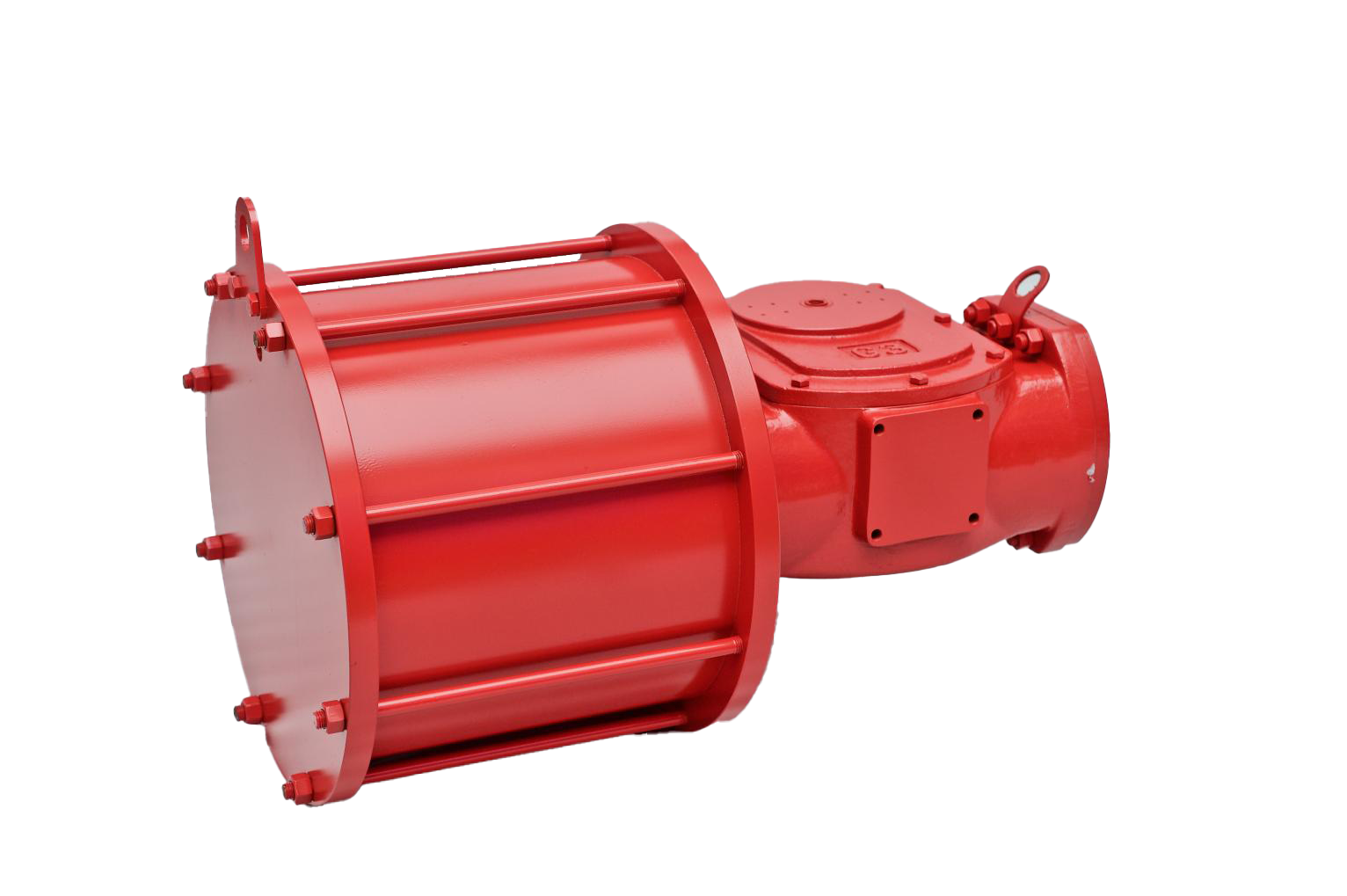
Advantages of Pneumatically Driven Valves
1.Cost-Effectiveness
Lower upfront procurement cost than electric actuators; energy saving and consumption reduction by reducing supply pressure; note that they have relatively high energy consumption and slightly higher maintenance frequency, which need to be weighed according to needs.
2.High Reliability and Safety
Adapt to extreme environments; spark-free design improves safety in hazardous scenarios; regular inspection, lubrication and installation of protective covers can extend service life.
3.Automation and Precise Control
Fast response and precise flow control. Equipped with intelligent sensors and positioners, it can monitor and adjust in real time, reduce human errors and improve system efficiency.
Summary
Valve actuators are core components of fluid control in industrial automation. Pneumatic actuators are widely used in oil and gas, chemical, water treatment and other industries due to their advantages of high cost-effectiveness, safety and explosion-proof, and fast response. When selecting models, priority should be given to system matching, stability and adaptability to ensure reliable operation of the circuit. With mature pneumatic technology and complete supporting solutions, ValenTech provides users with stable and efficient valve actuator products. For more industry selection knowledge and technical solutions, please visit the official website: www.valen-tech.com
How to Remove an Actuator Valve
Industrial Actuator Selection Guide: Matching Actuator Type to Application
Related Article