
6 Key Tips for Selecting the Right Pneumatic Valve
author: ATHENA GROUP
2026-02-24
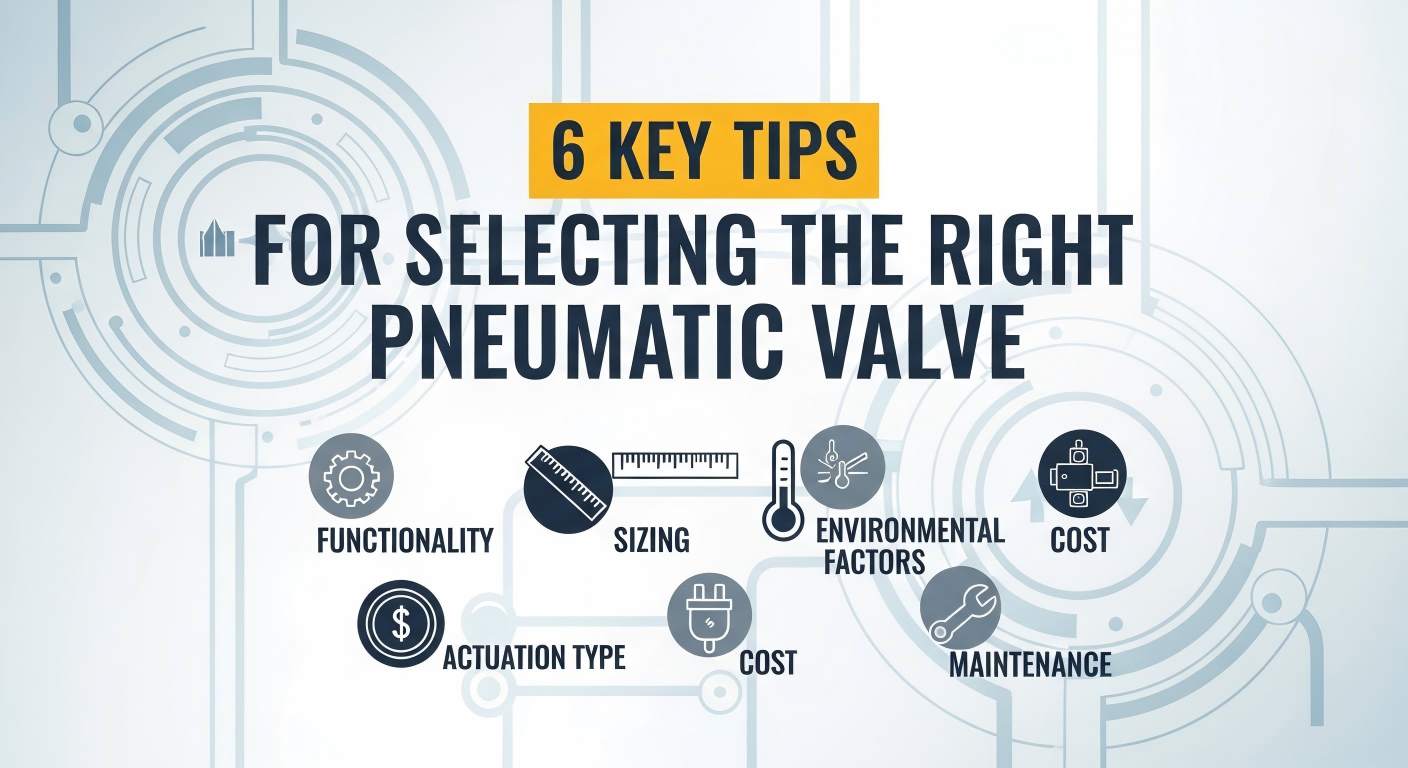
Valen Tech fully understands that selecting the right pneumatic valve is a core prerequisite for ensuring the safe and efficient operation of industrial fluid control systems. It not only saves energy and reduces maintenance costs but also extends the service life of equipment. Pneumatic valves use compressed air to drive actuators for controlling fluid flow, and are widely applied in fields with high requirements for precision and reliability such as petrochemicals, water treatment, electric power, and pharmaceuticals. This article concisely summarizes 6 core selection tips to help quickly avoid misunderstandings and accurately match working conditions.
1. Clarify the core parameters of working conditions and lay a solid foundation for selection
Selection must be based on the verification of three core points of working conditions to align with actual operation requirements:
- Fluid characteristics: Clarify the medium type and corrosivity, select suitable materials (e.g., stainless steel for rust prevention, PTFE seals for leak prevention), and match the medium viscosity and temperature range.
- Temperature and pressure requirements: Confirm the system working pressure (0.4-0.7 MPa for conventional applications) and temperature range. The rated pressure of the valve should reserve a 20%-30% safety margin to adapt to high-pressure, high and low temperature working conditions.
- Environment and flow rate: For outdoor valves, select weather-resistant materials (e.g., SUS 304 stainless steel); measure the flow pressure drop with a flow meter and match the valve flow capacity (Cv value) to avoid malfunctions caused by improper sizing.
2. Select the appropriate valve type and structure rationally
Choose the valve type according to the application scenario and pay attention to structural details to improve adaptability:
- Core types: Ball valves are suitable for high-pressure and quick shut-off scenarios; butterfly valves are ideal for large-caliber and medium-pressure working conditions; gate valves are adapted for high-pressure, high-temperature and large-caliber pipelines; diaphragm valves excel in handling corrosive and viscous media (e.g., pharmaceutical industry).
- Structural details: The installation method (body inlet/base) affects compatibility; the connection method (flange/thread/welding) is adapted to different calibers and pressures; the port configuration (3/5 ports) determines the action range; the sealing method (soft/hard seal) matches the temperature and pressure requirements.
3. Choose the Right Actuator: Single-Acting vs Double-Acting
The actuator is the "brain" of a pneumatic valve, and its power source determines the safety logic.
- Single-Acting (Spring Return): It is opened by air pressure on one side and reset by a spring. Its core advantage is the Fail-safe function—it automatically resets (normally open or normally closed) when air supply is lost, making it suitable for working conditions with extremely high safety requirements.
- Double-Acting: Both opening and closing are driven by compressed air. They can provide greater output torque and more precise control, and feature a more compact structure, making them suitable for automated production lines with stable air supply.
4. Focus on Sealing and Wear Resistance to Reduce Operation and Maintenance Risks
Sealing and wear resistance directly affect the service life of the valve and system safety:
- Sealing performance: Select the sealing grade according to working conditions (zero leakage is required for flammable and explosive media) and match the sealing materials (nitrile rubber/fluororubber/PTFE/metal seals).
- Wear resistance: For working conditions with particulate media and frequent on-off operations, select valve cores and seats made of stainless steel and cemented carbide; prioritize modular and easy-to-clean valves to reduce maintenance costs.
5. Balance Installation, Maintenance and Cost Control
Balance performance and cost-effectiveness to reduce the whole-life cycle cost:
- Installation and maintenance: Select the valve size and connection method according to the installation space and pipeline layout; prioritize valves with simple structures and universal accessories, and match with positioners and other devices for easy fault diagnosis. Conduct regular inspections for leaks and lubrication.
- Cost control: Choose high-quality domestic valves for ordinary working conditions and high-performance valves for complex working conditions; prioritize energy-efficient actuators, taking into account both the initial procurement cost and long-term energy consumption and maintenance costs.
6. Pay Attention to Standards and Certifications: The Final Safety Line
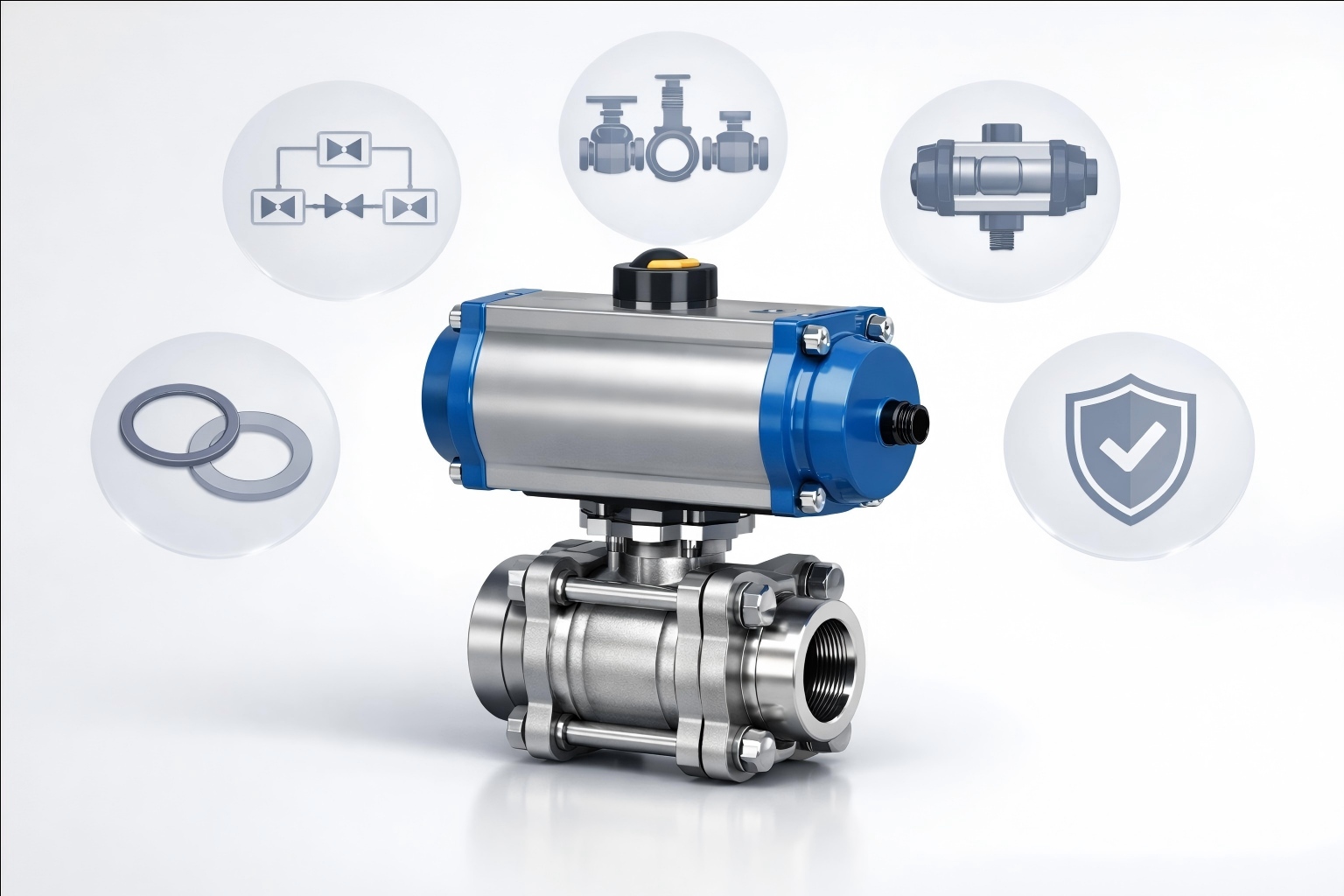
Finally, ensure that the selected products comply with relevant industry standards and certifications. For example, the installation and connection dimensions of actuators should conform to international standards such as ISO 5211 to facilitate interchangeable installation with valves from different manufacturers. In explosive environments, actuators and accessories with corresponding explosion-proof certifications must be selected.
Summary
Selecting the right pneumatic valve is a systematic task that requires a comprehensive consideration of process requirements, working condition parameters, safety levels and economic costs. Following the above six tips—clarifying the valve type, analyzing the working conditions, selecting the actuator, accurately calculating the torque, properly matching the accessories, and paying attention to standards—Valen Tech is committed to providing professional fluid control solutions for various industries, and helping enterprises achieve accurate selection with professional technology and high-quality products, so as to realize the efficient, safe and stable operation of industrial production.
How to Select a Suitable Motor Actuator Ball Valve?
How to Maintain Rack and Pinion Pneumatic Actuator
Related Article
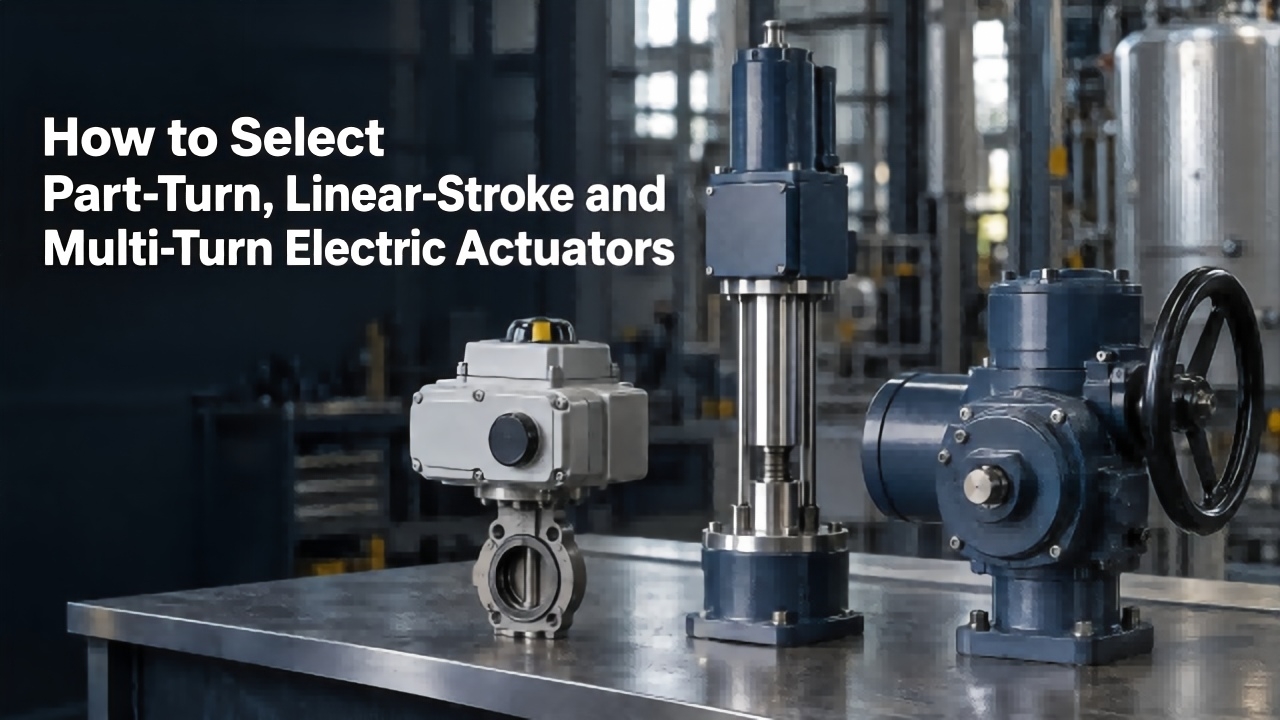
Learn differences among part‑turn, linear‑stroke and multi‑turn electric actuators. This guide covers matching valves, torque‑thrust calculation, 5‑step selection process and typical pitfalls for your industrial actuator applications.
How to Select Part‑Turn, Linear‑Stroke and Multi‑Turn Electric Actuators
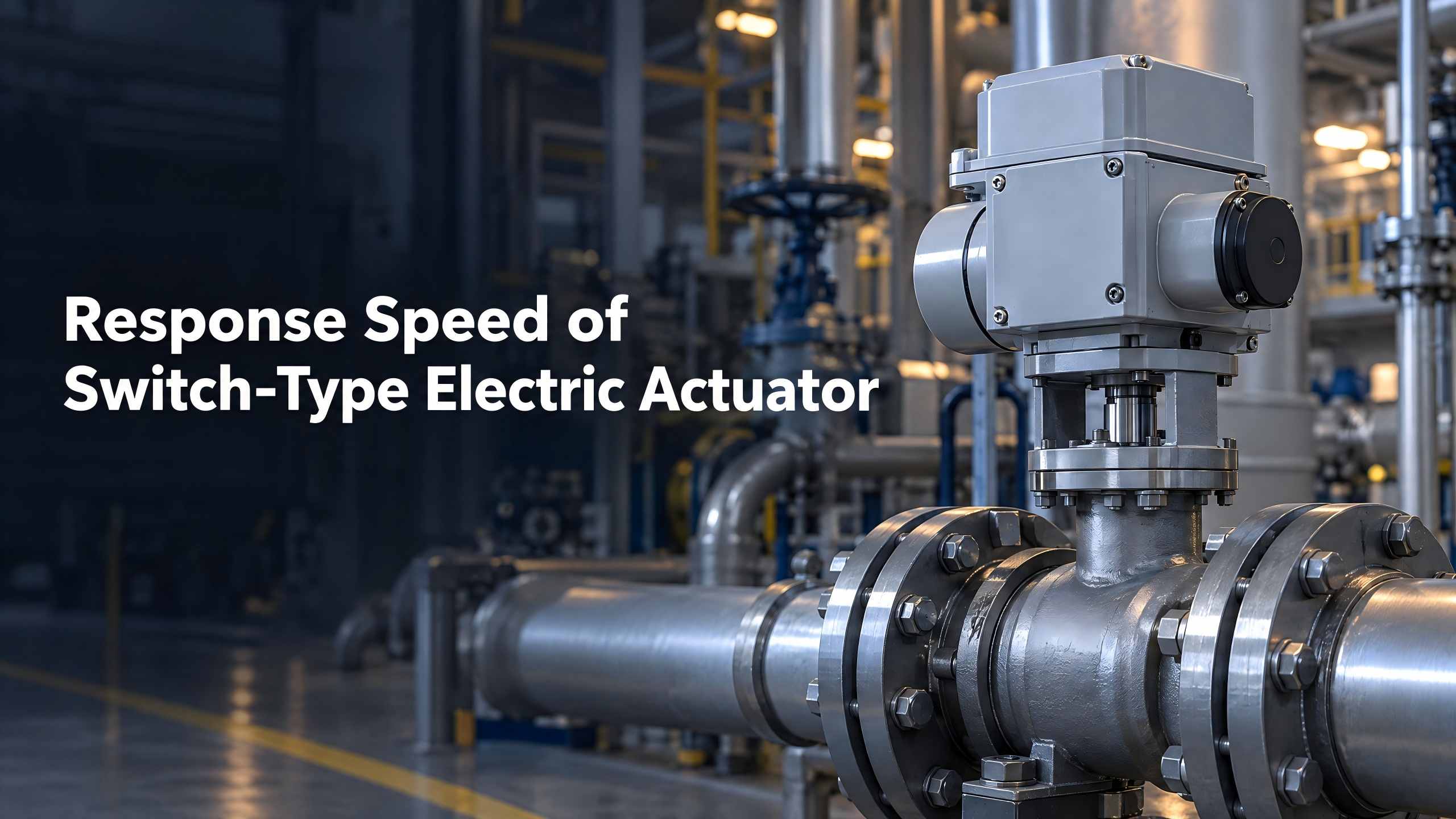
Learn about electric actuator response speed, internal and external influencing factors and key selection points, to select suitable actuators for valve automation projects and ensure efficient and stable system operation.
Response Speed of Switch‑Type Electric Actuator
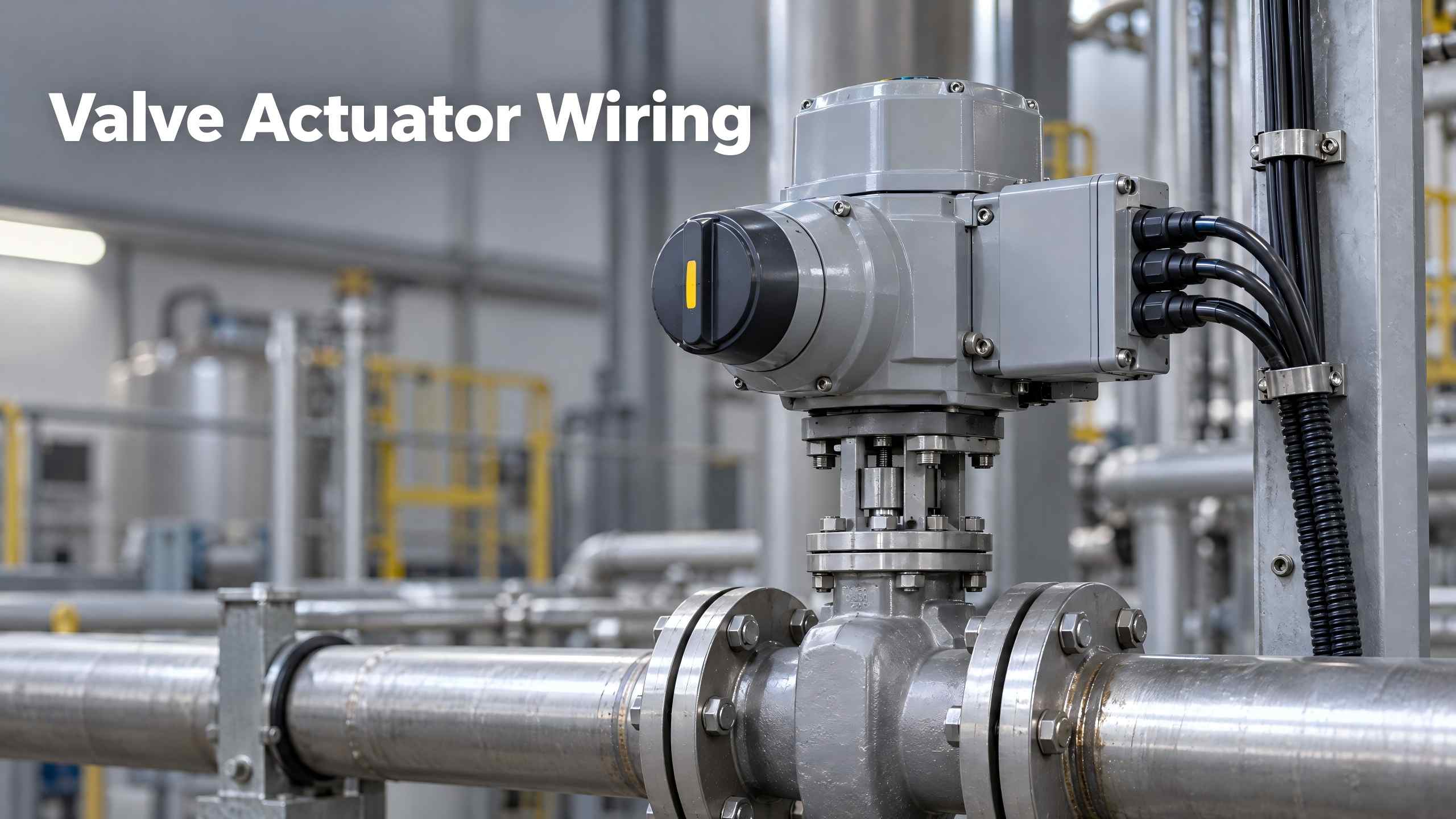
Valve Actuator Wiring describes wiring, commissioning and troubleshooting for electric valve actuators, guiding technicians to adopt standard wiring for stable industrial control.
Valve Actuator Wiring
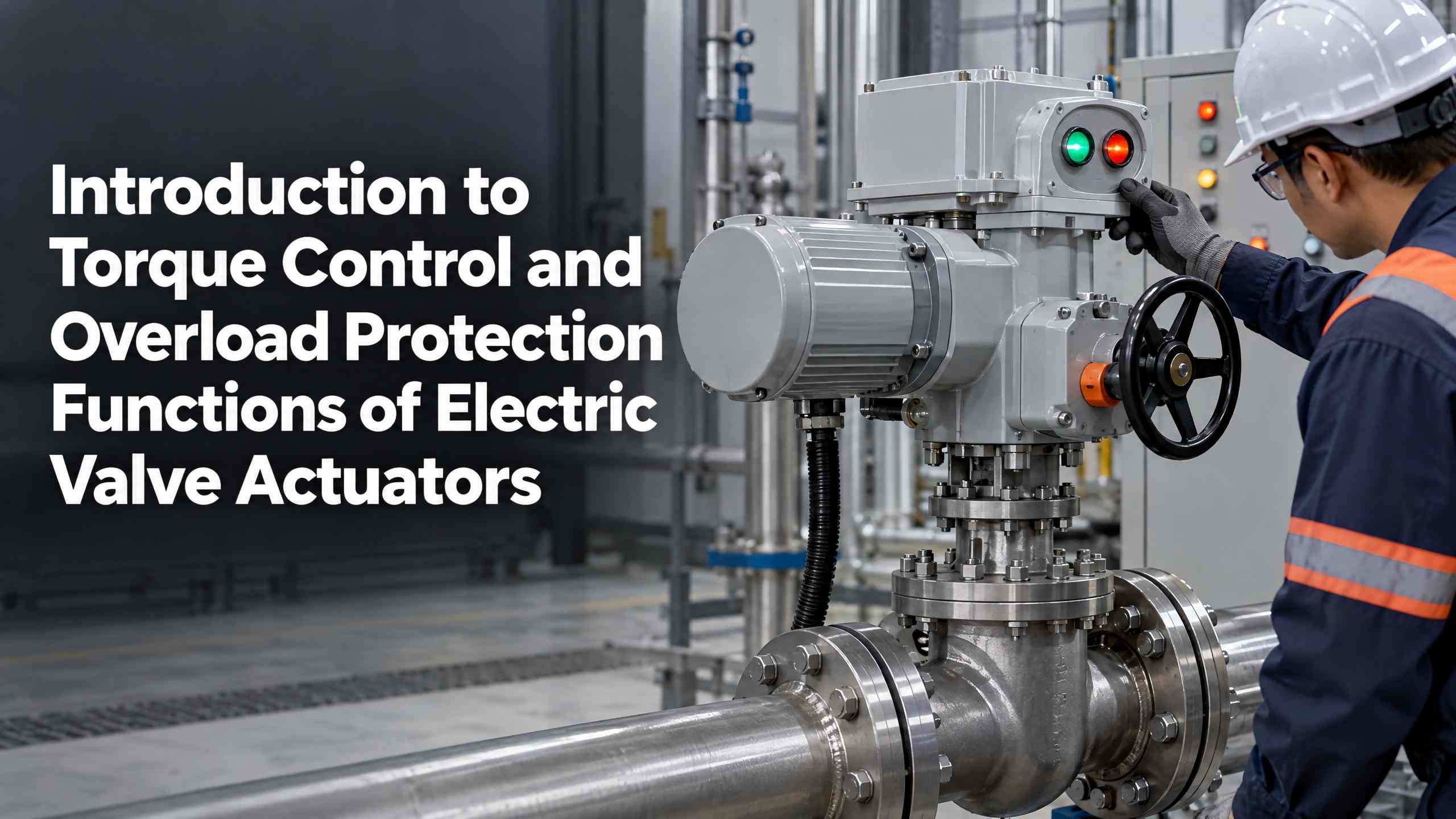
Valen Tech explains electric valve actuator torque control and overload protection functions. Learn how multi‑turn & part‑turn actuators prevent jamming and mechanical damage for petroleum, chemical, power and water pipeline systems.
Introduction to Torque Control and Overload Protection Functions of Electric Valve Actuators