
Actuator Valve Working Principle
author: ATHENA GROUP
2026-04-08
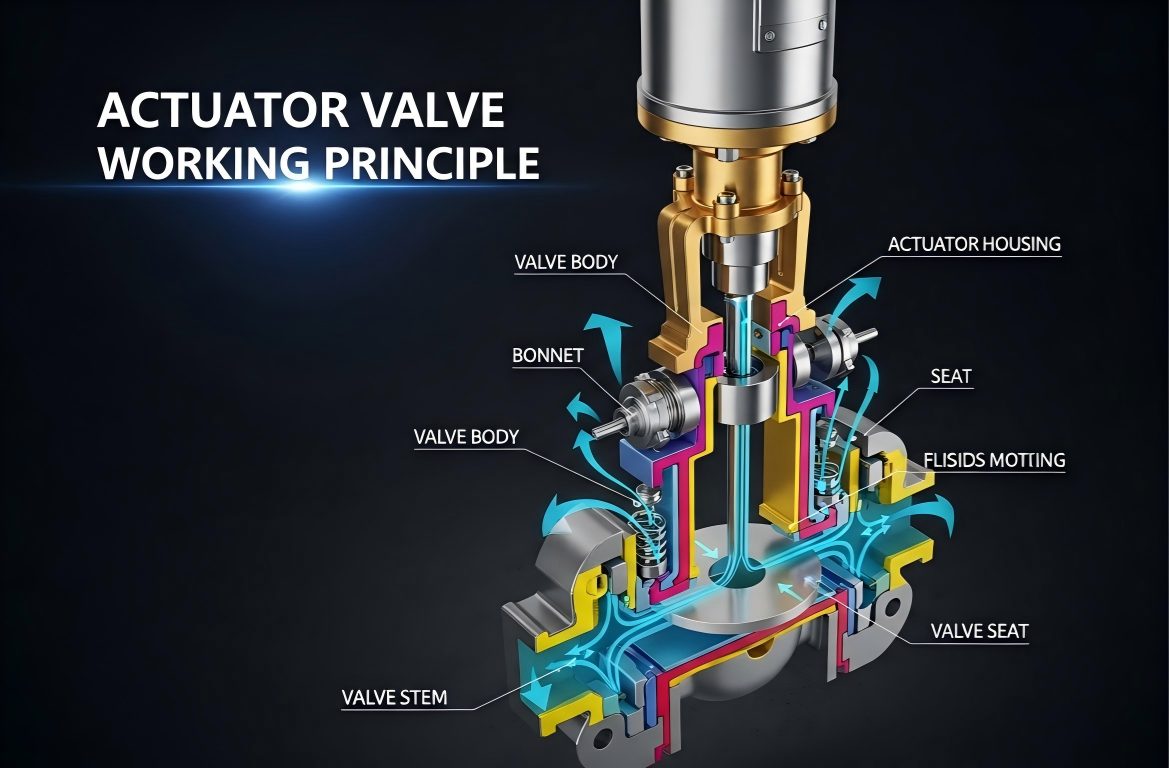
Understanding the working principle of actuator valves is critical for professionals working in industrial automation, mechanical engineering, or fluid control. Valves are responsible for controlling the flow of media (liquids or gases), while actuators are the components that provide mechanical force to operate the valves. This article technically analyzes how these key devices convert energy into motion.
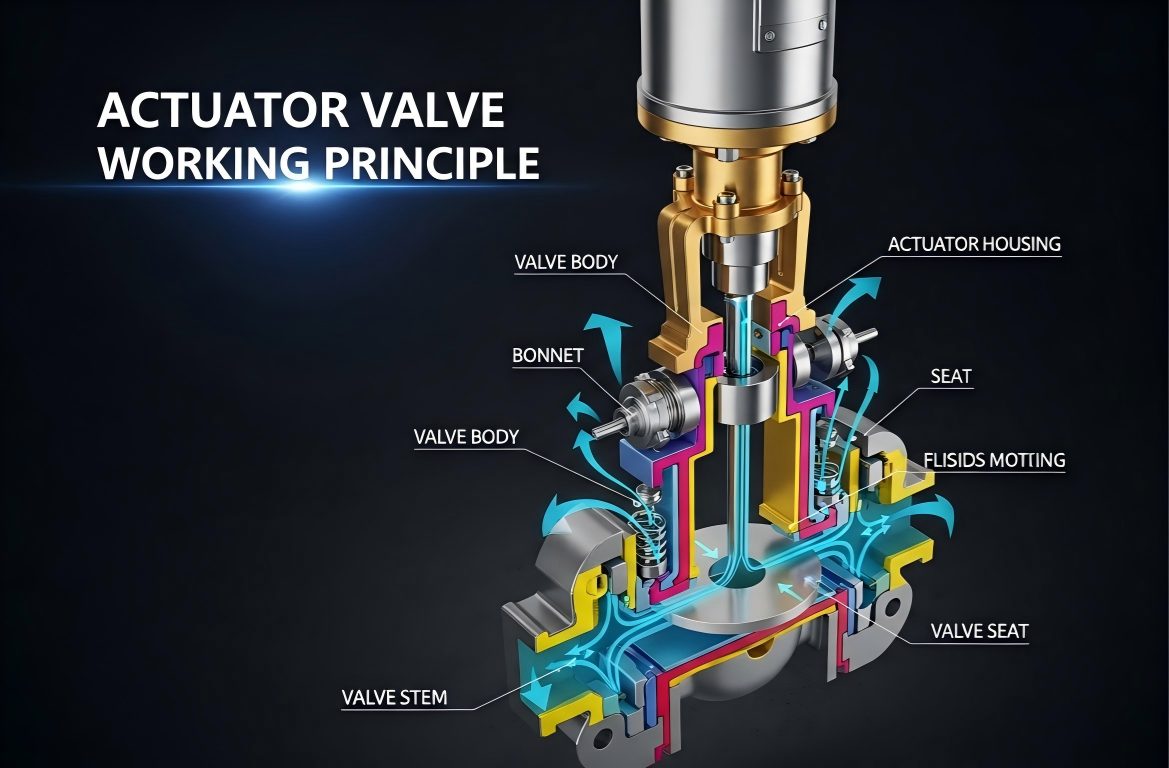
What Is an Actuator Valve?
An actuator valve is a combination of a valve body and an actuator. The actuator acts as the "muscle" of the system. It receives control signals—electrical, pneumatic (air pressure), or hydraulic (fluid pressure)—and converts them into physical motion (linear or rotary) to open, close, or modulate the valve.
Core Working Principles of Different Types of Actuators
The working principle varies depending on the power source:
Working Principle of Electric Actuators
In an electric actuator, an electric motor drives a gear assembly. When powered, the motor rotates and drives a lead screw or worm gear. This rotary motion is converted into linear thrust or rotary torque to move the valve stem. Modern electric actuators are usually equipped with limit switches and positioners to ensure precise control and feedback, stopping the motor once the target valve position is reached.
Working Principle of Pneumatic Actuators
Pneumatic actuators operate using compressed air. In a double-acting cylinder, air is supplied alternately to both sides of the piston. Pressure differential forces the piston to move, generating linear motion, which is then converted into rotary motion via a rack-and-pinion or scotch-yoke mechanism. In a single-acting (spring-return) design, air pressure pushes the piston in one direction, and a spring returns it to the default position when air is exhausted—critical for safety (fail-safe) applications.
Working Principle of Hydraulic Actuators
Similar to pneumatic types, but uses incompressible hydraulic oil instead of air. Since liquids cannot be compressed, hydraulic actuators deliver extremely high driving force and precise holding force. They are suitable for high-pressure, heavy-duty applications, especially large-bore valves that need to overcome significant friction or differential pressure.
Common Troubleshooting Related to Actuator Valve Working Principle
Understanding the actuator valve working principle helps you troubleshoot common issues that may arise. Below are common problems and their root causes, all related to the working principle:
- Valve fails to move: For pneumatic actuators, low air pressure or clogged air ports; for electric actuators, power failure or motor malfunction; for hydraulic actuators, hydraulic system leakage or pump failure.
- Inconsistent valve positioning: Usually caused by faulty position sensors or misaligned gear sets (electric actuators), or unstable air/hydraulic pressure (pneumatic/hydraulic actuators).
- Slow response time: For pneumatic actuators, blocked air lines or worn diaphragms; for electric actuators, insufficient motor power or damaged gear sets.
- Fail-safe function failure: For single-acting actuators, broken springs or stuck pistons.
Conclusion
Understanding actuator valve working principle is essential for selecting the right automation solution for your application. Whether you need the precision of electric actuators, the speed and safety of pneumatic actuators, or the strong power of hydraulic systems, the core concept remains the same: converting control signals into reliable mechanical action to control fluids.
Valentech
Industrial Actuator Selection Guide: Matching Actuator Type to Application
The Applications of a Spring-Return Scotch Yoke Pneumatic Actuator
Related Article
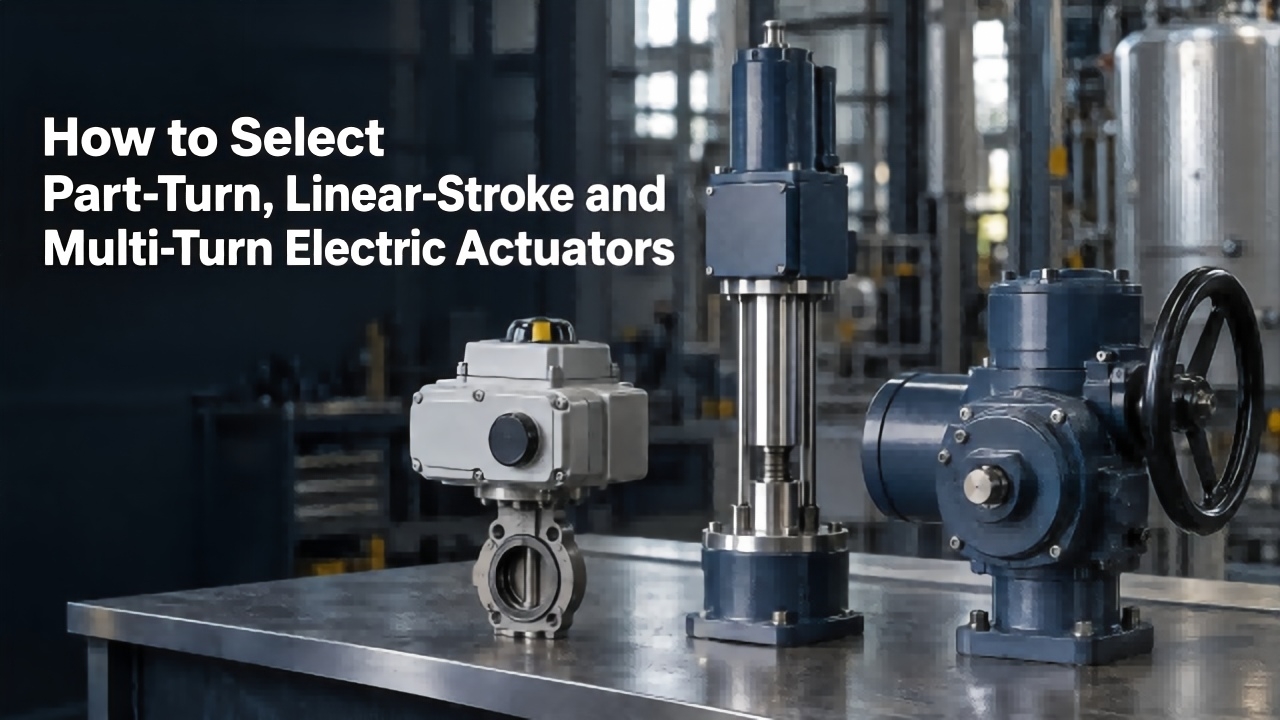
Learn differences among part‑turn, linear‑stroke and multi‑turn electric actuators. This guide covers matching valves, torque‑thrust calculation, 5‑step selection process and typical pitfalls for your industrial actuator applications.
How to Select Part‑Turn, Linear‑Stroke and Multi‑Turn Electric Actuators
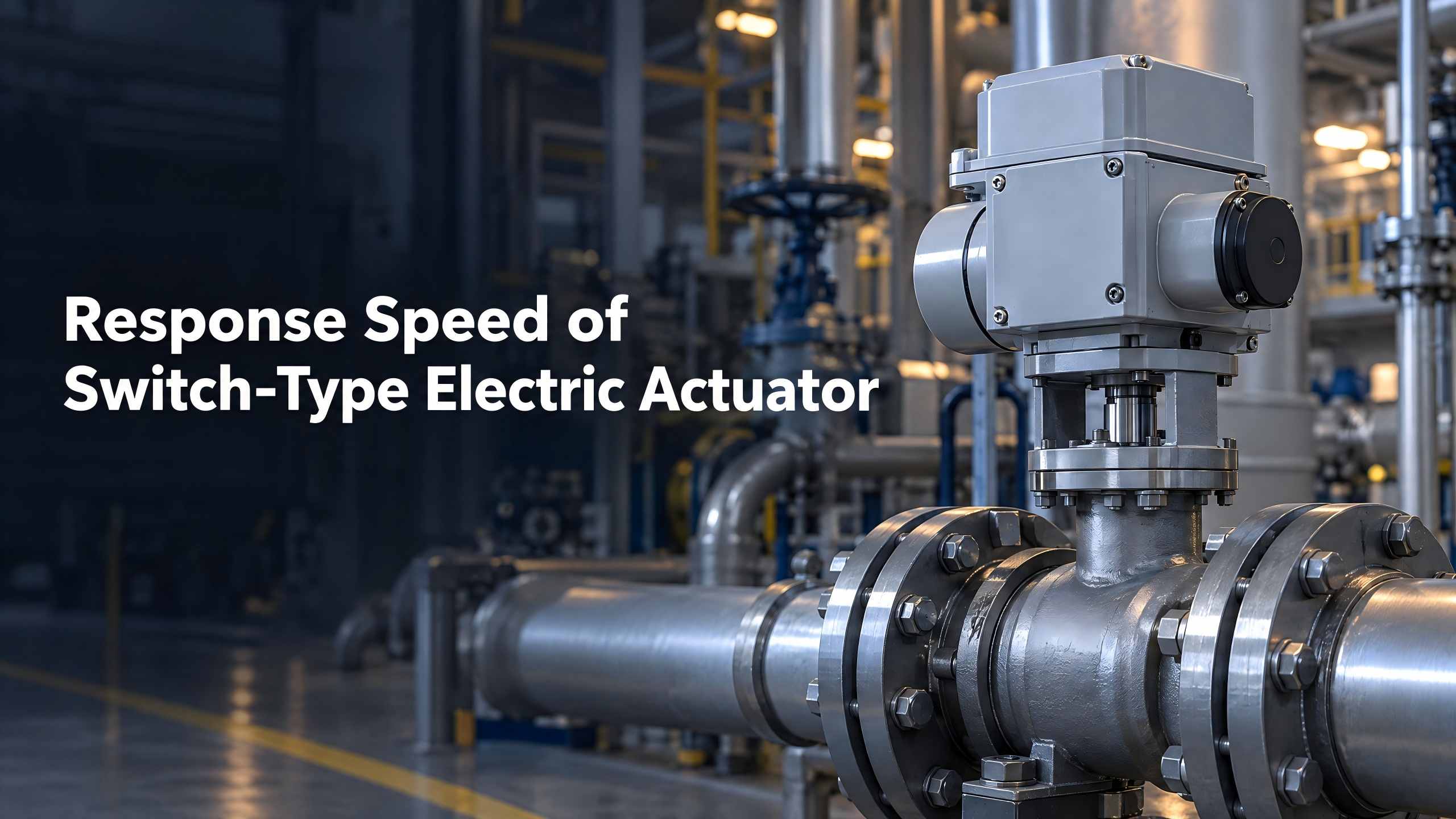
Learn about electric actuator response speed, internal and external influencing factors and key selection points, to select suitable actuators for valve automation projects and ensure efficient and stable system operation.
Response Speed of Switch‑Type Electric Actuator
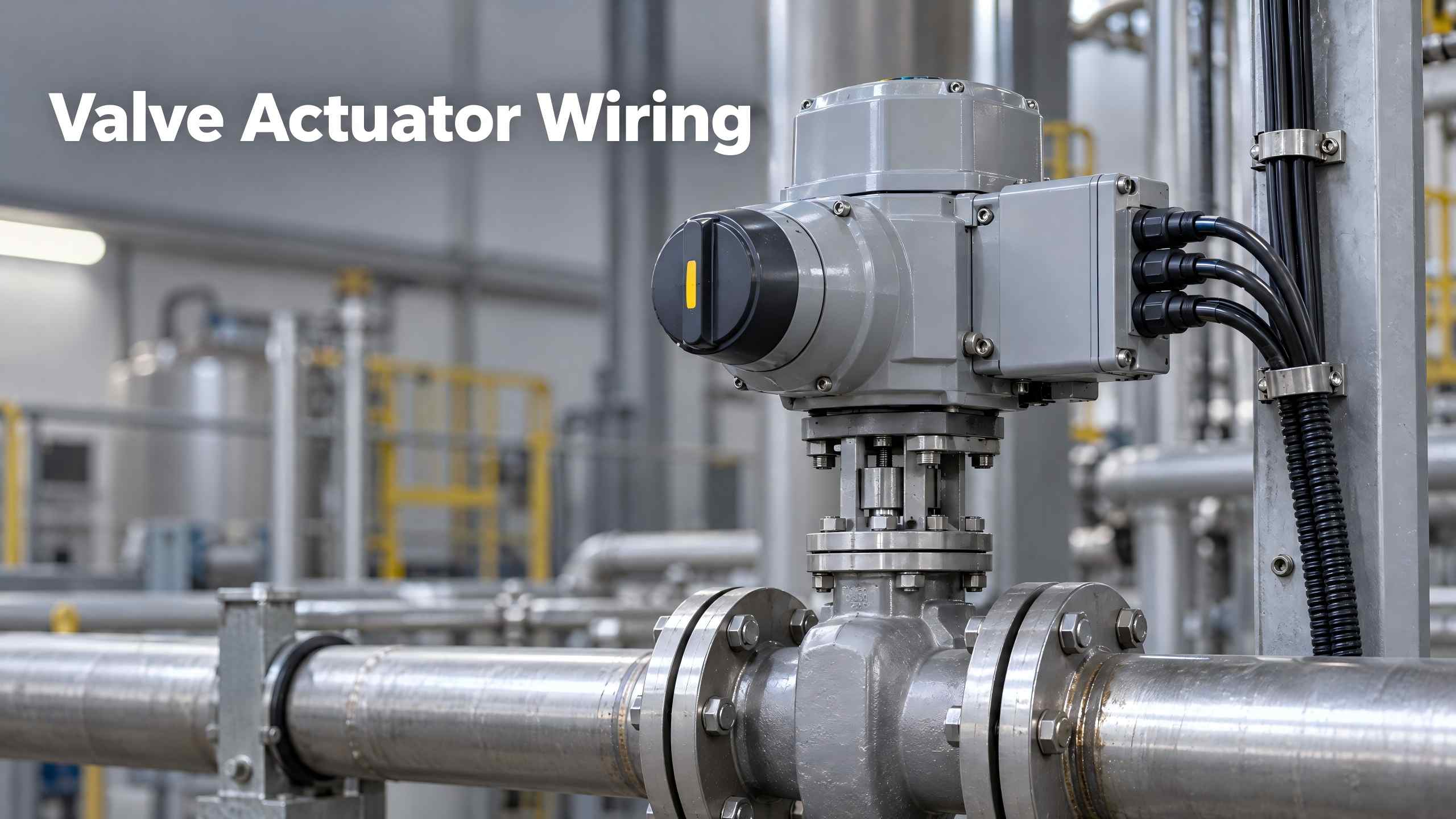
Valve Actuator Wiring describes wiring, commissioning and troubleshooting for electric valve actuators, guiding technicians to adopt standard wiring for stable industrial control.
Valve Actuator Wiring
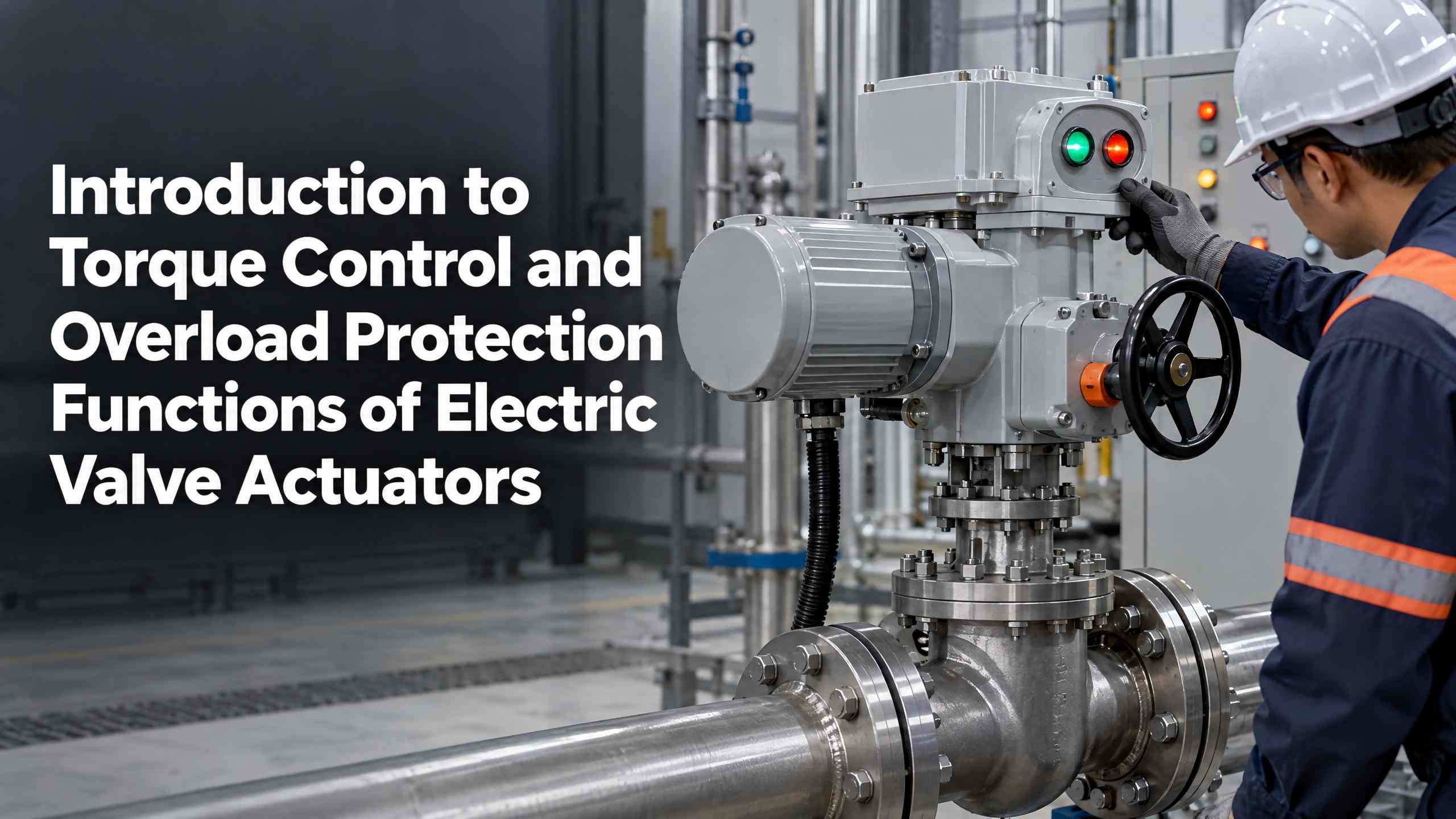
Valen Tech explains electric valve actuator torque control and overload protection functions. Learn how multi‑turn & part‑turn actuators prevent jamming and mechanical damage for petroleum, chemical, power and water pipeline systems.
Introduction to Torque Control and Overload Protection Functions of Electric Valve Actuators