
Angular Travel Electric Actuator: Advantages, Applications and Selection Guide
author: ATHENA GROUP
2025-06-18
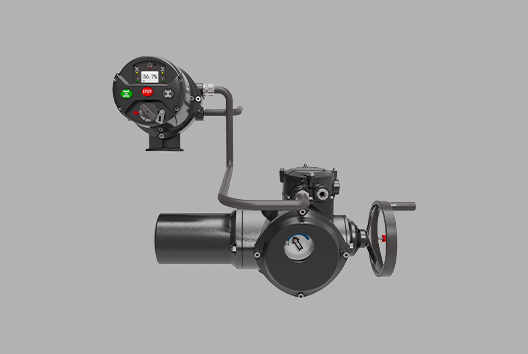
In industrial automation systems, rotary electric actuators are common yet crucial devices. Although they are less noticeable than sensors or control systems, they play an indispensable role in valve control.
So, what is a rotary electric actuator? Why is it called "rotary"? How does it differ from other types of actuators? This article will take you through the details.
What is a Rotary Electric Actuator?
As the name suggests, "rotary" refers to the rotational motion of the actuator's output shaft rather than linear motion. Typically, the rotation angle of such actuators is 90 degrees, which precisely corresponds to the opening and closing actions of valves like ball valves or butterfly valves. It is named "rotary" because of this angular unit of motion.
Advantages of Rotary Electric Actuators
Compared with other types of actuators, rotary electric actuators have many remarkable advantages:
- Compact Structure: Small in size and flexible in installation, especially suitable for sites with limited space.
- Precise Control: Capable of achieving accurate angle adjustment to meet the fine requirements of processes for flow or pressure.
- Stable Operation: Modern products generally use low-noise motors and high-precision reduction mechanisms, featuring smooth operation and minimal vibration.
- Easy Operation: Supports remote control and is easily integrated into PLC or DCS systems, enhancing the level of automation.
- Low Maintenance Cost: Simple in structure with few components, requiring little daily maintenance and providing long-term peace of mind.
Differences Between Rotary Electric Actuators and Other Actuators
Differences from Linear Actuators
Linear actuators are mainly used for linear motion, such as gate valves and globe valves, while rotary actuators are suitable for rotary valves, such as ball valves and butterfly valves. The two have obvious differences in driving methods and mechanical structures.
Differences from Pneumatic/Hydraulic Actuators
Pneumatic and hydraulic actuators rely on external power sources (such as compressed air or hydraulic oil), while electric actuators only need a power supply, reducing investment in pipeline laying and auxiliary equipment. In addition, electric actuators are more likely to achieve remote control and automation integration.
Common Applications in Valves and Industries
The most common partners of rotary electric actuators are the following valves:
- Ball Valves: Widely used in petroleum, natural gas, and other industries, featuring rapid opening and closing and good sealing performance.
- Butterfly Valves: Suitable for large-diameter pipelines, often used in water treatment, HVAC, and other systems.
- Plug Valves: Suitable for high-temperature and high-pressure environments, such as metallurgy, chemical industry, and other fields.
In terms of industry applications, it can be seen almost wherever fluid control is needed:
- Petrochemical industry
- Water treatment plants
- Power plants
- Food and beverage industry
- Pharmaceutical industry
These fields have high requirements for control accuracy, safety, and stability, which rotary electric actuators can well meet.
How to Choose a Cost-effective Rotary Actuator?
Selection is not difficult as long as several key points are grasped:
Clarify Working Conditions and Requirements
For example, valve type, required torque, operating frequency, ambient temperature, etc., which will directly affect the model selection.
Pay Attention to Performance Parameters
Output torque, protection level, control mode, communication protocol, etc., are all factors that must be considered. In particular, it is necessary to judge whether special functions such as explosion-proof and corrosion-proof are required according to the actual application scenario.
Brand and Service are Also Important
Choosing a brand with mature technology and a good reputation can not only ensure product quality but also reduce many troubles in the after-sales stage. Valen-Tech is a professional manufacturer focusing on the production of electric actuators, providing factory direct supply, reasonable prices, and thoughtful services, which is worthy of trust.
Don't Only Look at the Price
Although the budget is important, blindly pursuing a low price is not advisable. Only by comprehensively considering factors such as service life, maintenance cost, and energy-saving performance can we select a truly "good value for money" product.
Conclusion
Rotary electric actuators, although inconspicuous, are a very important part of industrial automation. Whether you are engaged in process control, equipment integration, or project management, understanding their characteristics and selection methods will make your work more effective.
If you are looking for a suitable actuator for a project, please feel free to contact Valen-Tech - a professional team will recommend the most suitable products for you, with factory direct supply and quality assurance to help your project land smoothly!
Need help? Contact us to make automation more efficient and reliable!
Official website: www.valen-tech.com
A Detailed Step-by-Step Guide to Clean a Solenoid Actuator
What Techniques Reducing Pneumatic Actuator Speed
Related Article

Valen Tech wrapped up its presence at OGA 2026 in Kuala Lumpur. We exhibited premium valve actuators & custom fluid‑control solutions for onshore & offshore oil‑gas applications. Our team connected with SEA and Middle East clients, generating quality leads and strengthening regional brand footprint.
Exhibition Participation Valen Tech Successfully Completes OGA 2026
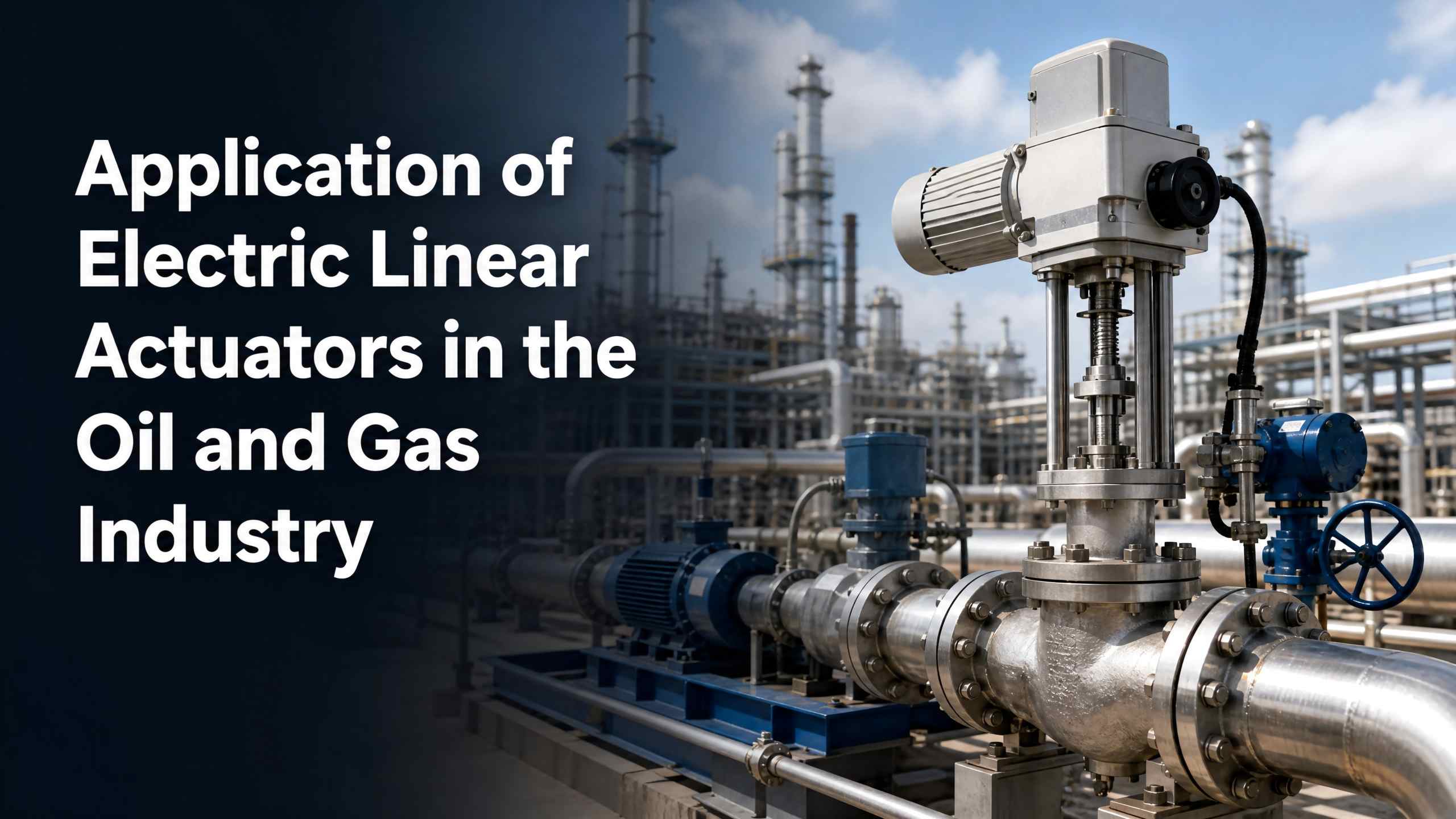
This paper introduces Valen Tech electric linear actuators, analyzing their advantages, valve applications, full‑scenario adaptability and selection points in the oil‑gas industry. It compares them with traditional actuators and offers troubleshooting solutions, illustrating their role in driving intelligent upgrades for the sector.
Application of Electric Linear Actuators in the Oil and Gas Industry

This document describes the full‑site commissioning workflow for intelligent electric valve actuators, including preparation, calibration, safety tests, acceptance and common‑fault troubleshooting.
How to Commission Intelligent Electric Valve Actuators?
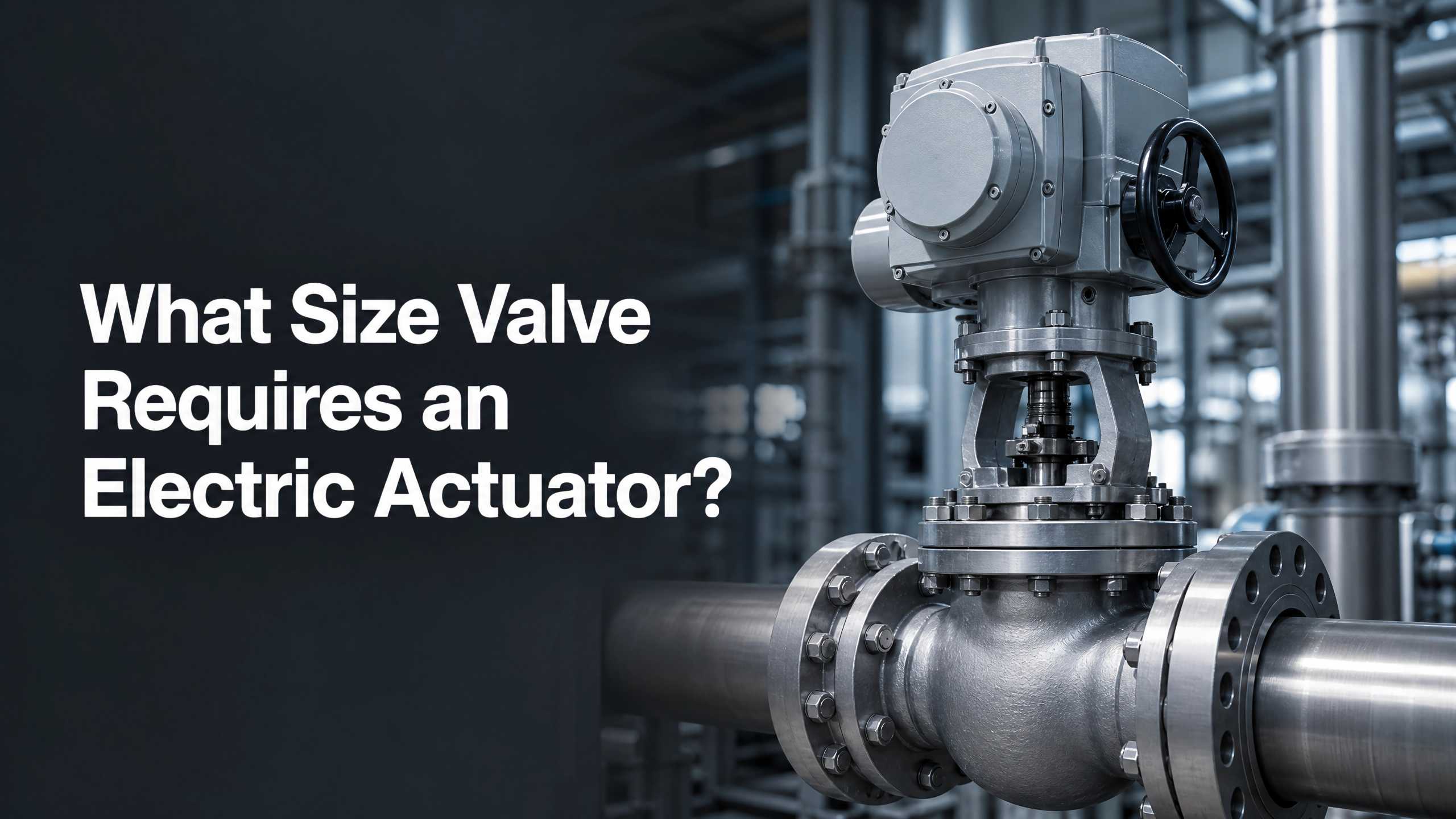
This guide outlines electric actuator selection for valves. Large valves (DN>200) usually need electric actuators, medium ones rely on working conditions, and small valves are mostly manual. Pressure, media and precision affect selection, requiring proper torque margin.
What Size Valve Requires an Electric Actuator?