
Butterfly Valve Actuators vs Ball Valve Actuators: Core Differences, Selection Guidelines and Application Scenarios
author: ATHENA GROUP
2026-06-08
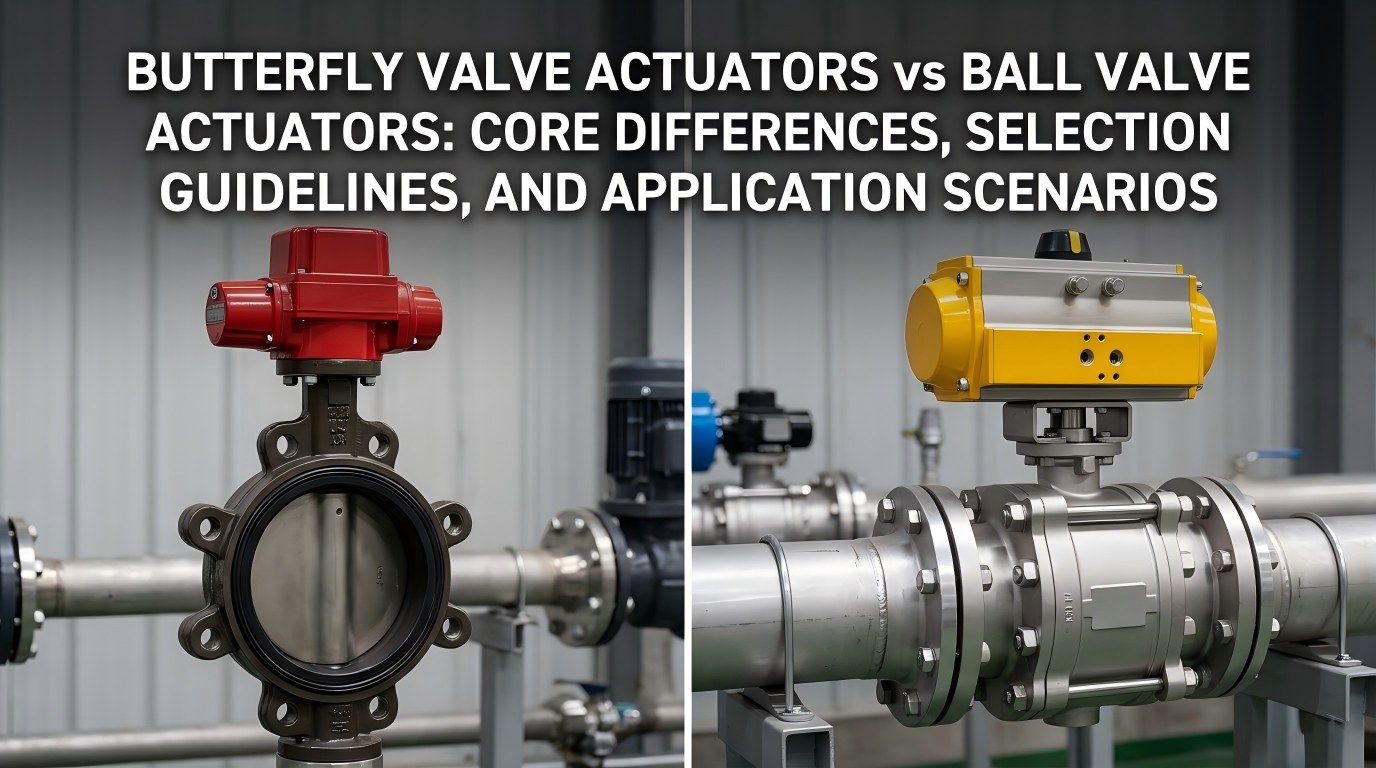
Valve actuators serve as the power core that drives butterfly valves and ball valves for automatic opening, closing and fluid regulation. While both rely on part-turn power to achieve on-off or modulating control, they differ significantly in torque requirements, overall dimensions and applicable working conditions. This article breaks down their key distinctions item by item to simplify actuator selection.
Core Mechanical Differences: Torque and Motion Trajectory
Understanding the fundamental mechanical principles of butterfly valves and ball valves is the first step for proper selection.
Butterfly Valve Actuators
A butterfly valve controls fluid flow via a rotating disc positioned at the center of the pipeline.
- Torque characteristics: The torque required for a butterfly valve at the fully open or fully closed position is relatively low. However, the torque peaks at a rotation angle of approximately 45° to 70° due to the frictional resistance exerted by fluid on the disc.
- Actuator matching: Given its low torque demand, butterfly valves are generally paired with compact pneumatic rack-and-pinion actuators or light-duty electric actuators.
- Space advantage: For space-constrained installations or large-diameter pipelines where weight and footprint are critical considerations, butterfly valve actuators are the ideal choice.
Ball Valve Actuators
A ball valve opens and closes pipelines through a spherical plug with a central flow bore.
- Torque characteristics: Ball valves usually require a higher breakaway torque, especially under high-pressure conditions or when handling viscous media. Its torque curve remains relatively stable throughout the 90° rotation stroke.
- Actuator matching: Due to high torque requirements, ball valves are often equipped with pneumatic actuators of larger cylinder bores and heavy-duty electric actuators with gear transmission systems. Multi-turn actuators are even adopted for extra-large diameter models.
- Sealing friction: Tight sealing between the ball plug and valve seat generates substantial friction. Accordingly, a torque margin of 20% to 30% shall be reserved when calculating the safety factor of actuators.
Overall Dimensions, Weight and Installation Compatibility
Characteristics of Butterfly Valve Actuators
- Slim and compact body, suitable for installation in narrow pipeline spaces.
- Wafer-style and lug-style butterfly valves all comply with the ISO 5211 standard for actuator connection.
- The complete valve assembly is lightweight and can be hoisted by a single worker, with no need for reinforced load-bearing supports.
- Ideal for cramped installation scenarios such as heating, ventilation and air conditioning (HVAC), water treatment and marine pipelines.
Characteristics of Ball Valve Actuators
- Thick and wide housing, internally fitted with high-torque reduction gear sets.
- Large-diameter ball valves are matched with larger-size ISO 5211 mounting flanges.
- The combined weight of the valve and actuator is high, so reinforcing supports are usually required for pipelines.
- Standard top-mounted layout, which demands ample overhead clearance above the valve for operation.
Comparison of Safety Reset and Modulating Performance
On-Off Type vs Modulating Type Control
Both types of actuators support two control modes:
- On-off type: Fully open or fully closed, applied for pipeline isolation and shutoff.
- Modulating type: Equipped with positioners to realize fine flow regulation ranging from 0 to 100%.
Butterfly valve actuators deliver smooth and stable flow regulation in large-flow and low-pressure pipelines. Ball valve actuators excel at achieving bubble-tight zero leakage when fully closed.
Spring Return Fail-Safe Type
- Spring return actuators for butterfly valves adopt small-sized springs with low preload.
- Spring return actuators for ball valves require heavy-duty thick springs to offset the considerable friction from valve seats, resulting in larger spring chambers and wider overall dimensions.
Main Industrial Application Scenarios
Applicable Scenarios for Butterfly Valve Actuators
- Municipal water supply and wastewater treatment plants
- Chilled water and hot water circulating pipelines for HVAC systems
- Large-scale cooling water circulating systems in power plants
- Seawater and bilge water pipelines on vessels
- General industrial medium and low-pressure process pipelines
Applicable Scenarios for Ball Valve Actuators
- High-pressure transmission pipelines for petroleum and natural gas
- Delivery lines for solvents and corrosive media in refineries and chemical plants
- Process systems for high-pressure compressed air and steam
- Critical process loops requiring emergency shutoff with zero leakage (metal hard-seated ball valves)
- Precise chemical dosing and pipeline shutoff applications for small-diameter pipelines
Final Conclusion
Neither butterfly valve actuators nor ball valve actuators are universally superior. The key is to select actuators in accordance with actual process parameters.
You may take the following factors into consideration: What is the target torque? Do you prioritize fast response or precise regulation? Are there explosion-proof requirements on site?
Always calculate the maximum operating torque under the most severe pressure conditions and reserve a sufficient safety margin before finalizing the actuator model.
Need Professional Guidance?
Improper actuator selection may lead to premature equipment failure, leakage and even safety incidents. [Click here to contact our engineering team] for free consultation, customized torque calculation and automated solutions tailored for your plant.
Actuator Anti-jamming Selection for Pulverized Coal and Ash Slurry Media
Key Points for Replacement of Fatigued Torque Springs on Aged Actuators
Related Article
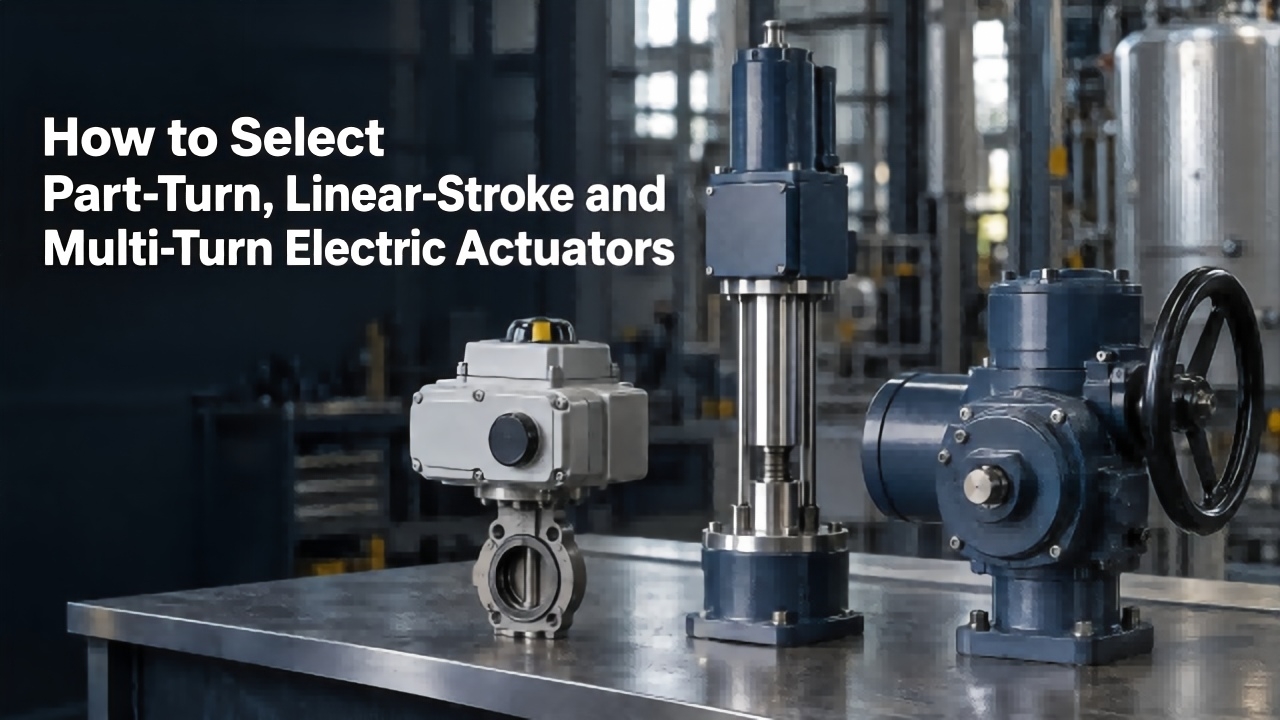
Learn differences among part‑turn, linear‑stroke and multi‑turn electric actuators. This guide covers matching valves, torque‑thrust calculation, 5‑step selection process and typical pitfalls for your industrial actuator applications.
How to Select Part‑Turn, Linear‑Stroke and Multi‑Turn Electric Actuators
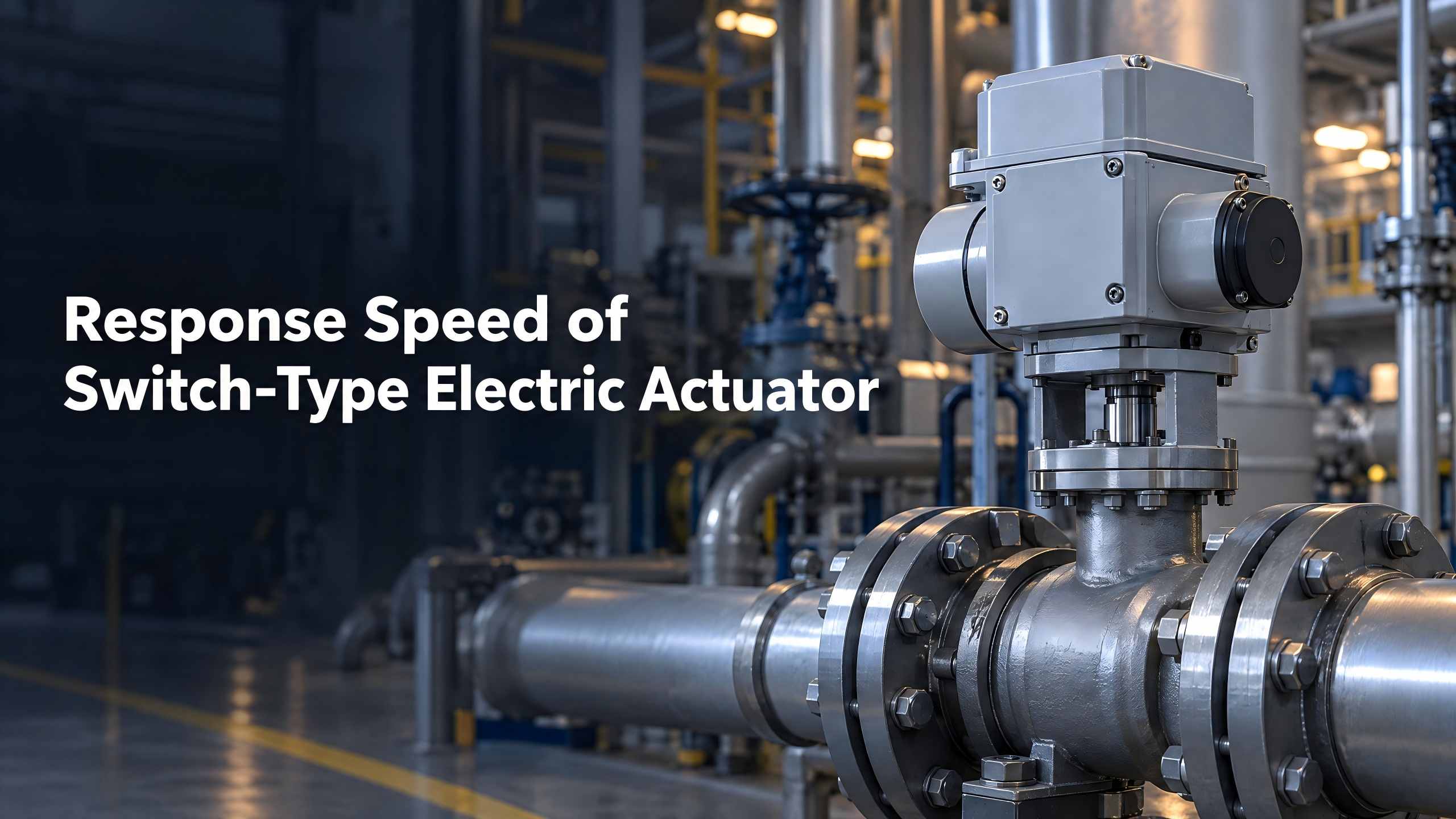
Learn about electric actuator response speed, internal and external influencing factors and key selection points, to select suitable actuators for valve automation projects and ensure efficient and stable system operation.
Response Speed of Switch‑Type Electric Actuator
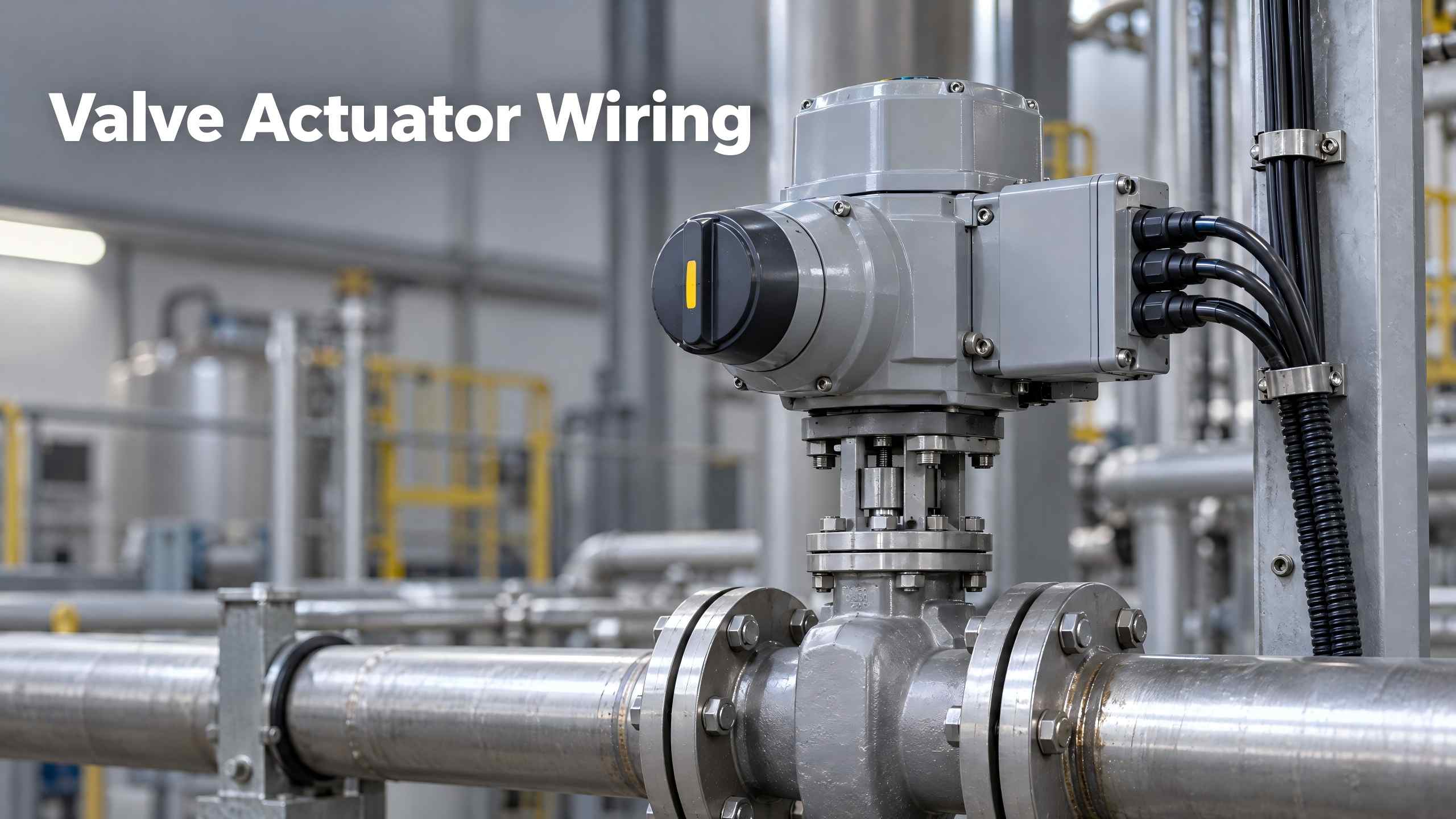
Valve Actuator Wiring describes wiring, commissioning and troubleshooting for electric valve actuators, guiding technicians to adopt standard wiring for stable industrial control.
Valve Actuator Wiring
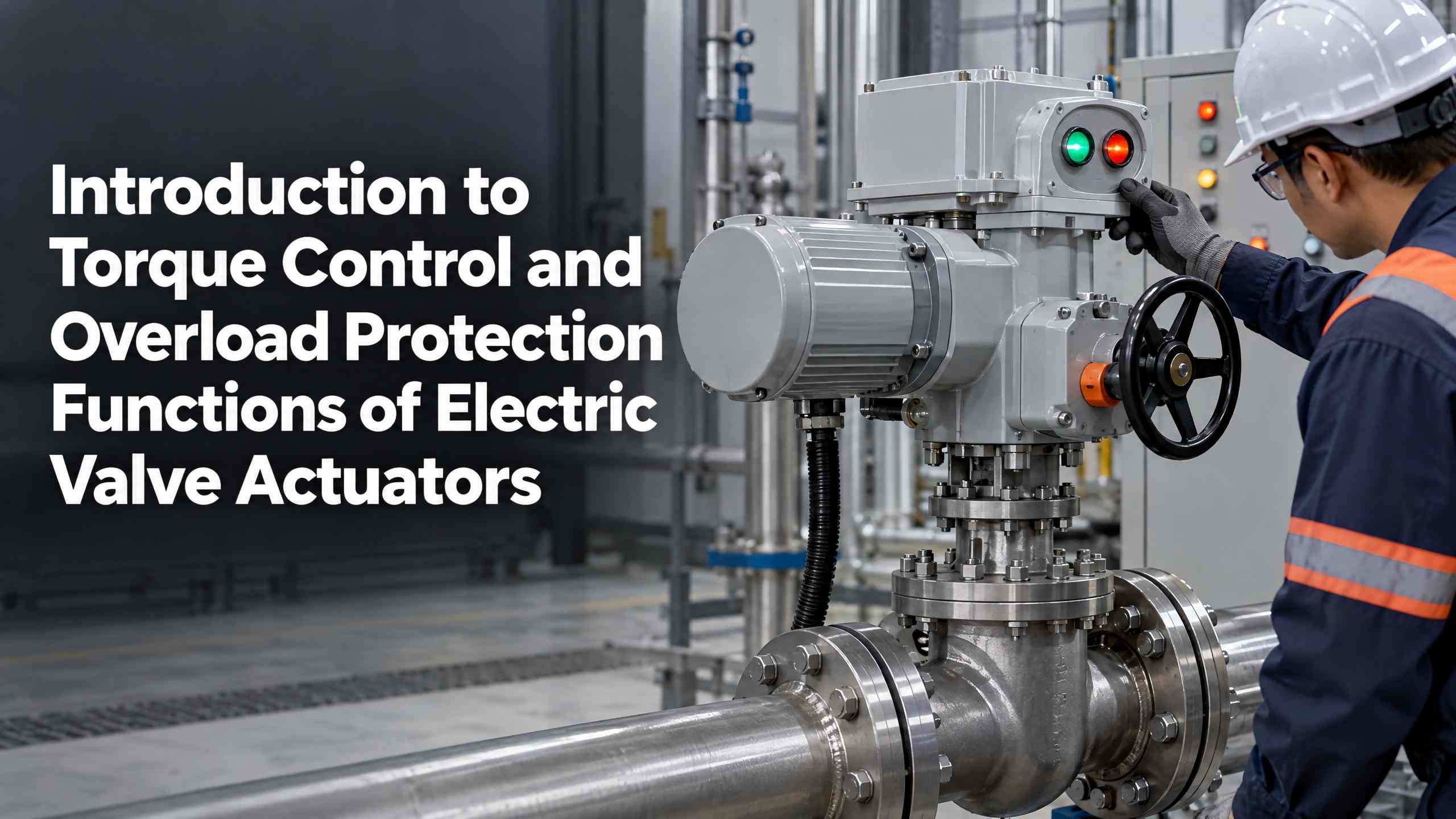
Valen Tech explains electric valve actuator torque control and overload protection functions. Learn how multi‑turn & part‑turn actuators prevent jamming and mechanical damage for petroleum, chemical, power and water pipeline systems.
Introduction to Torque Control and Overload Protection Functions of Electric Valve Actuators