
Classification of Electric Butterfly Valve Actuators
author: ATHENA GROUP
2026-07-15

As the core component of industrial fluid control, electric butterfly valve actuators are responsible for opening, closing and regulating pipeline media. Faced with complex working conditions, selecting the correct actuator type is the key to ensuring system stability and reducing operation and maintenance costs. This article sorts out mainstream classifications and applicable scenarios to help you make accurate model selection.
I. Classification by Driving Power Supply
Classified by power supply type, electric actuators fall into DC and AC types, with distinct performance and applicable scenarios.
DC Electric Actuators: Fast response, stable operation, high control accuracy, support frequent start-stop and precise regulation, low energy consumption and impact-free operation. Mainly used in precision working conditions such as water treatment equipment and automated production lines, matching small and medium-caliber butterfly valves.
AC Electric Actuators: Mature structure, reliable stability, high durability, large load torque, capable of long-term continuous operation and resistant to overload damage. Suitable for heavy-duty industrial scenarios including petroleum, chemical industry and large power plants, serving as the first choice for large-caliber butterfly valves.
II. Classification by Operation Control Mode
This is the most commonly adopted classification method, divided into on-off type and modulating type to meet different control accuracy requirements.
On-off Actuators: Only support two valve states, fully open and fully closed. Simple structure, low failure rate and cost-effective. Suitable for scenarios without fine flow adjustment, such as fire water supply, general water supply and drainage, and waste gas emission systems.
Modulating Actuators: Accept 4-20mA or 0-10V analog signals to realize stepless adjustment from 0% to 100% opening, accurately controlling medium flow, pressure and temperature. Widely applied in high-precision process scenarios including chemical engineering, pharmaceutical manufacturing, precision water treatment and HVAC constant temperature systems.
III. Classification by Motion Structure
Based on motion and mounting structures, they are categorized into rotary type, linear type, direct-mounted type and split type.
Rotary Actuators: Adapt to the 0°-90° rotation working mode of butterfly valves, featuring efficient opening and closing and strong versatility, serving as the mainstream structure for most civil and industrial butterfly valves.
Linear Actuators: Driven by linear reciprocating motion with ultra-high control accuracy, mostly used for custom special regulating valves and niche precision fluid control equipment.
Direct-mounted Actuators: Integrated connection between valve body and actuator, compact structure, easy installation and excellent sealing performance, applicable to conventional indoor HVAC and small industrial pipeline scenarios.
Split Actuators: Separated control box and drive main body allowing remote installation, avoiding equipment damage caused by high temperature, vibration and corrosion, suitable for harsh working conditions such as outdoor sites and chemical plants.
IV. Classification by Protection Grade and Service Environment
Classified by protection capacity into standard type, waterproof and dustproof type, and explosion-proof type.
Standard Type: General protection grade, applicable to indoor dry, non-corrosive and dust-free civil HVAC and domestic water supply scenarios.
Waterproof and Dustproof Type: Reach IP65 or higher protection rating, moisture-proof, rain-proof and dust-proof, matching municipal pipe networks, outdoor sewage treatment, mines and other outdoor working conditions.
Explosion-proof Type: Adopt flameproof structures to prevent electric spark leakage with professional explosion-proof certification, specially designed for high-risk scenarios such as petroleum, natural gas and flammable and explosive chemical workshops.
V. Classification by Driving Torque
Torque determines load driving capacity and matches different valve calibers.
Small torque: Fits small-caliber butterfly valves DN50 and below, lightweight and energy-saving;
Medium torque: Matches conventional butterfly valves DN65-DN200, suitable for most general working conditions;
Large torque: Strong load-bearing capacity, applied to large-caliber butterfly valves DN250 and above, widely used in water plants, power plants and large chemical equipment.
VI. Application Fields
Electric butterfly valve actuators cover a wide range of application scenarios.
Water treatment industry: Stabilize water volume and guarantee water quality;
Petroleum and chemical industry: Adopt explosion-proof and high-stability models to ensure safe transportation of hazardous media;
HVAC systems: Intelligently regulate air and water flow to stabilize indoor ambient temperature, acting as an indispensable supporting device for modern industrial automation.
Summary
How to select electric butterfly valve actuators? Remember four key points: Choose DC type for precise regulation, AC type for long-term heavy-duty operation, explosion-proof type for harsh working conditions, and integrated type for regular on-off control. A well-matched model delivers more stable systems and lower costs!
ValenTech (subsidiary of Athena Group) specializes in the R&D of high-quality actuators, providing full-range products and professional technical support. Feel free to contact us for model selection or customization demands, and we will develop exclusive solutions for your working conditions!
Differences Between On-off Type and Modulating Type Multi-turn Electric Valve Actuators
How Actuated Ball Valves Obtain Dual ATEX and IECEx Certifications for Hazardous Environments
Related Article
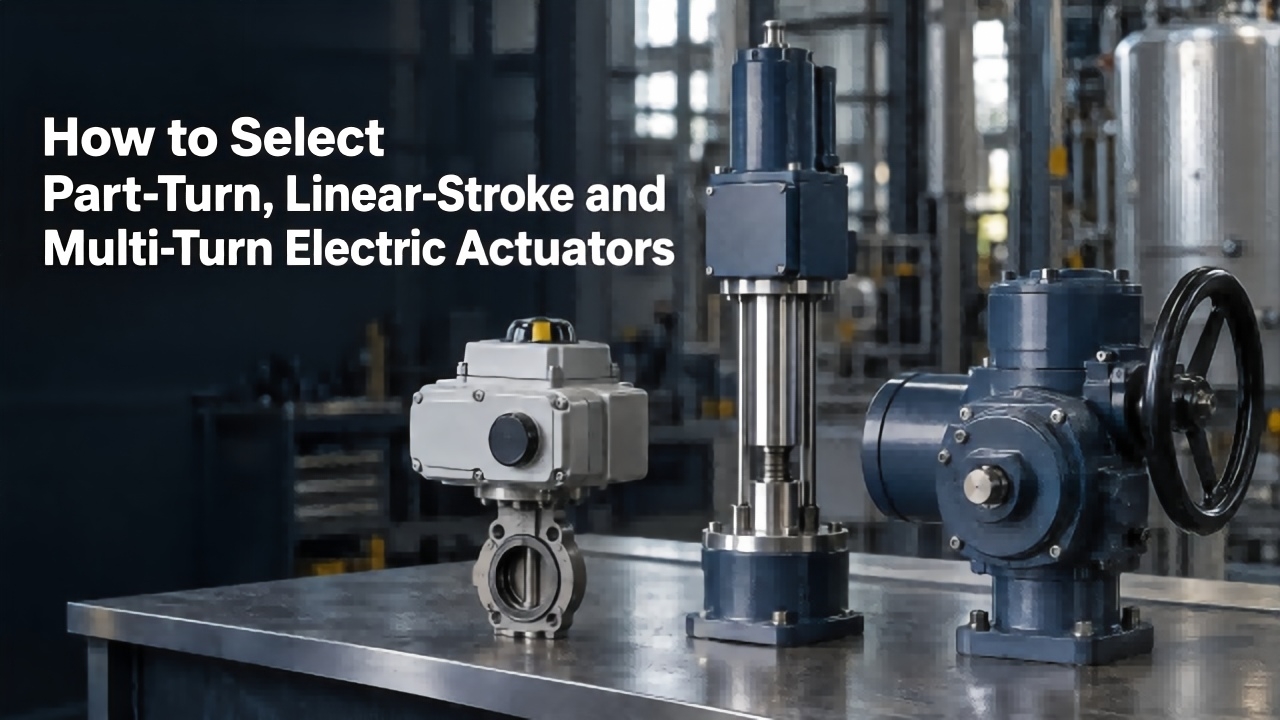
Learn differences among part‑turn, linear‑stroke and multi‑turn electric actuators. This guide covers matching valves, torque‑thrust calculation, 5‑step selection process and typical pitfalls for your industrial actuator applications.
How to Select Part‑Turn, Linear‑Stroke and Multi‑Turn Electric Actuators
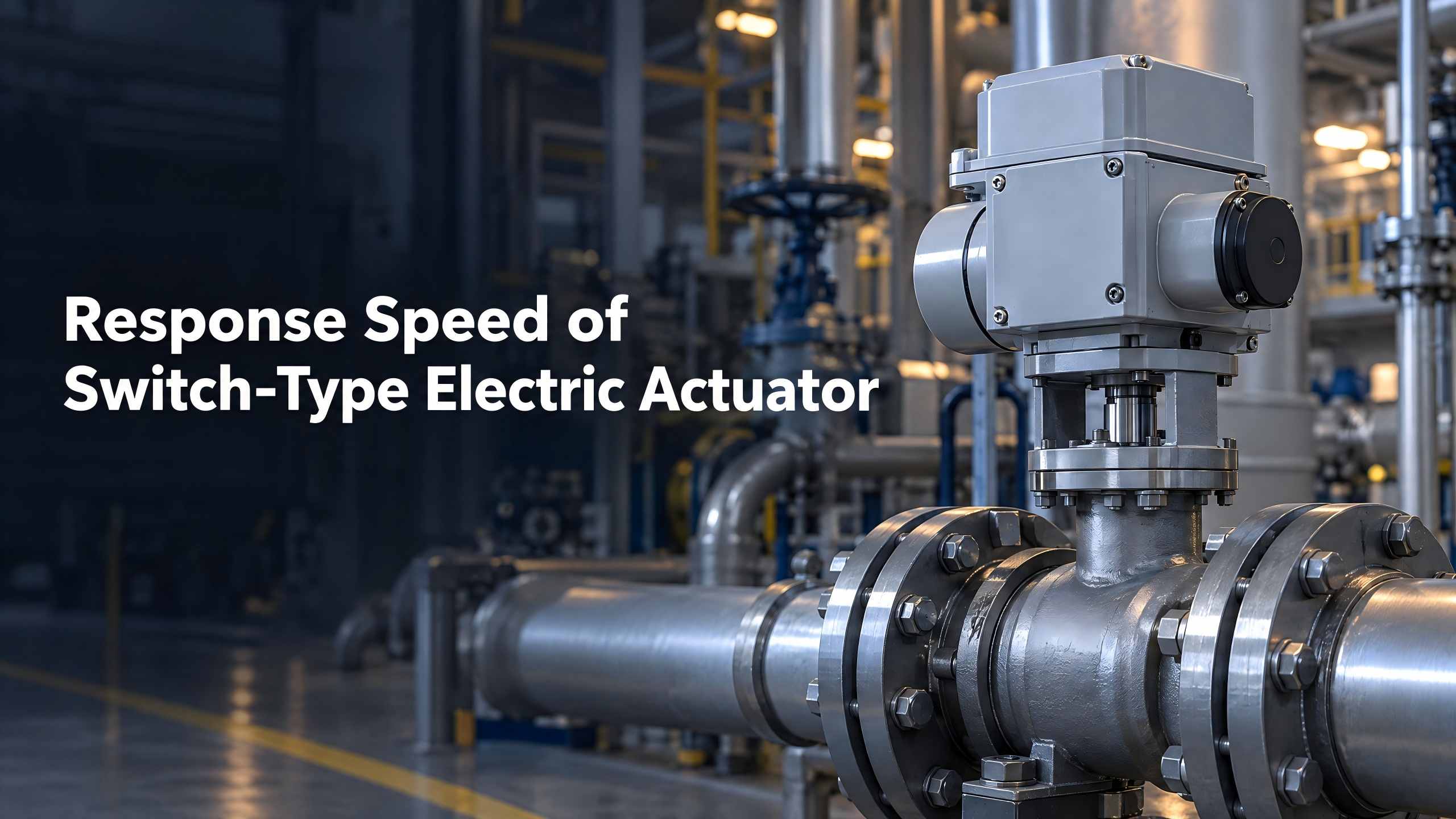
Learn about electric actuator response speed, internal and external influencing factors and key selection points, to select suitable actuators for valve automation projects and ensure efficient and stable system operation.
Response Speed of Switch‑Type Electric Actuator
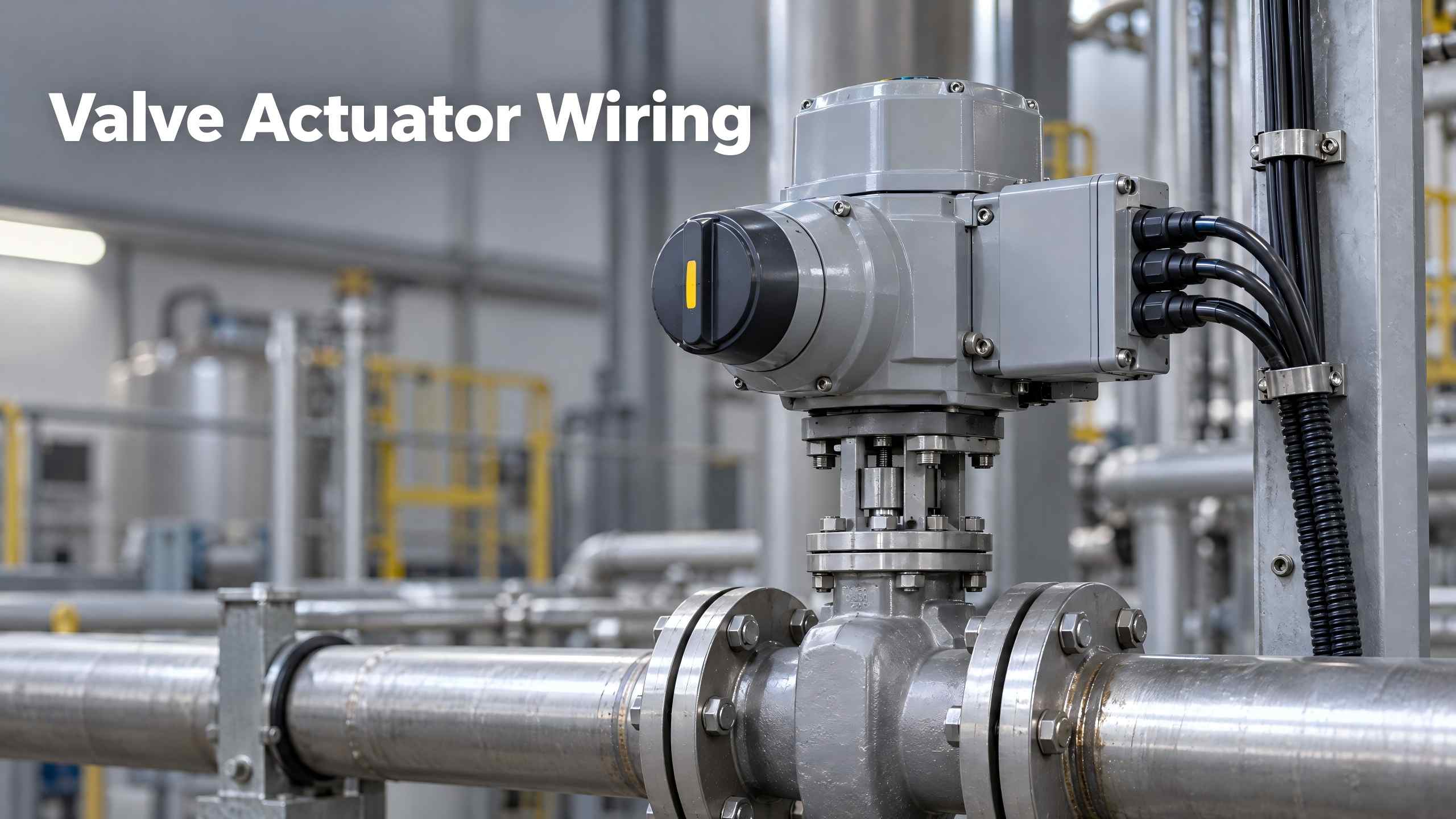
Valve Actuator Wiring describes wiring, commissioning and troubleshooting for electric valve actuators, guiding technicians to adopt standard wiring for stable industrial control.
Valve Actuator Wiring
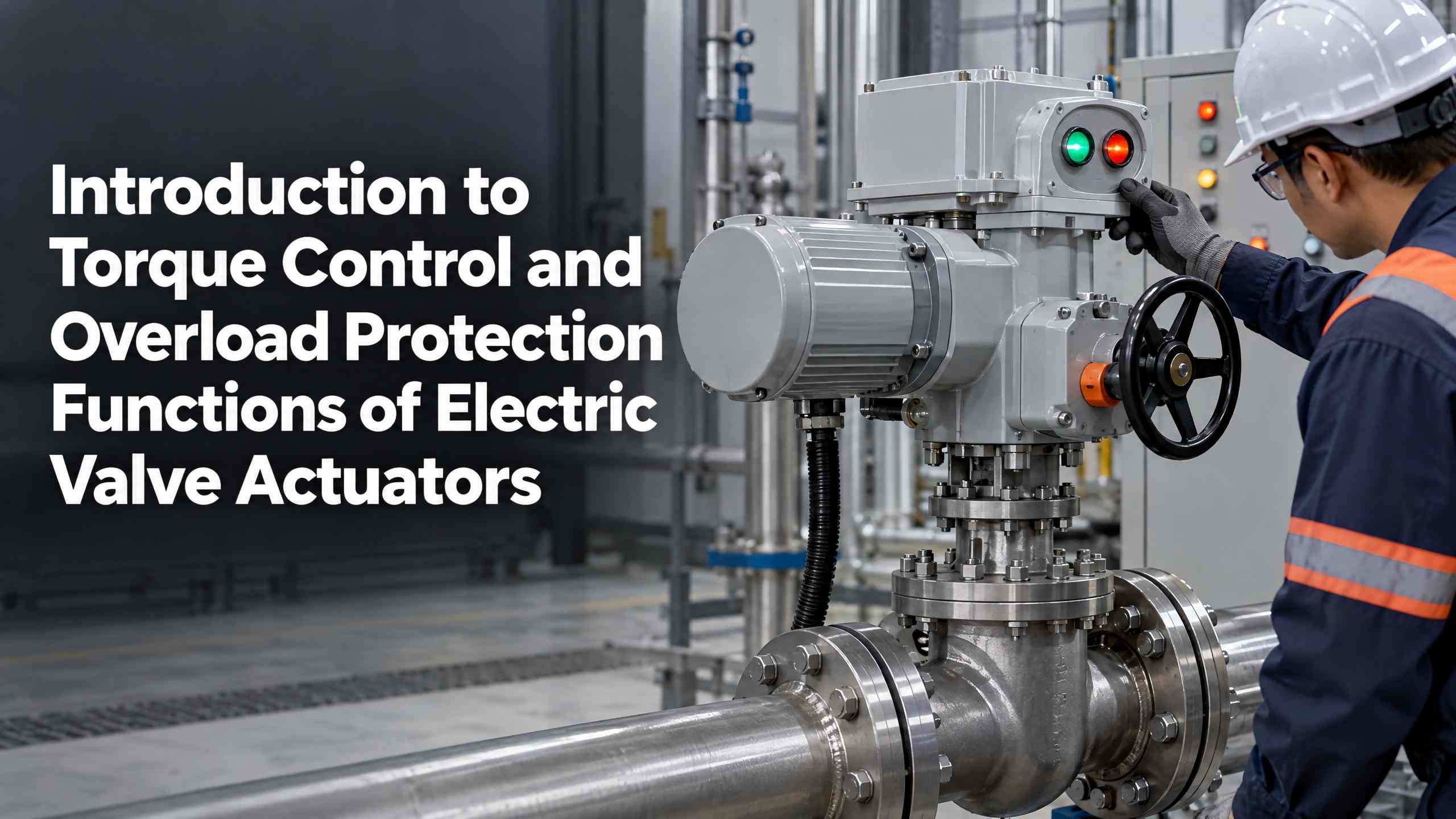
Valen Tech explains electric valve actuator torque control and overload protection functions. Learn how multi‑turn & part‑turn actuators prevent jamming and mechanical damage for petroleum, chemical, power and water pipeline systems.
Introduction to Torque Control and Overload Protection Functions of Electric Valve Actuators