
Comprehensive Guide to Pneumatic Actuator Butterfly Valves
author: ATHENA GROUP
2025-11-14
In modern industrial control systems, there is a device that is rarely seen by end-users but silently supports the efficient operation of countless processes — it is the pneumatic actuator butterfly valve. As one of the core components in the field of fluid control, the pneumatic butterfly valve has been widely used in water treatment, food and beverage, chemical, pharmaceutical, and even energy industries due to its compact structure, rapid response, and easy maintenance. Today, from the perspective of frontline engineers, we will discuss why this "invisible champion" can firmly occupy a place in the wave of automation.
What is a Pneumatic Actuator Butterfly Valve?
Simply put, a pneumatic actuator butterfly valve = butterfly valve + pneumatic actuator.
The butterfly valve itself is a type of valve that controls the on-off or flow regulation of media through the rotation of a disc (butterfly plate) around an axis; the pneumatic actuator uses compressed air as the power source to drive the butterfly plate to open or close. Combined, they can achieve remote automatic control without manual intervention.
Take a municipal sewage treatment project I participated in last year as an example: a pumping station needed rapid cut-off control for the main water inlet pipeline, requiring a response time of less than 3 seconds and explosion-proof performance. We ultimately selected a double-acting pneumatic actuator equipped with a high-performance tri-eccentric butterfly valve. After the system was put into operation, in the event of sudden power failure or emergency shutdown, it could still complete a full opening and closing action through air supply from the air storage tank, ensuring process safety.
Why Choose Pneumatic Over Electric?
Many customers ask: "Now that electric actuators are so popular, why still use pneumatic ones?" This is actually a typical misunderstanding. Pneumatic actuators are not "outdated technology" but have more advantages in specific scenarios:
Intrinsically safe: Pneumatic systems have no risk of electric sparks, making them especially suitable for flammable and explosive environments (such as petrochemical and natural gas stations).
High torque-to-weight ratio: Compared with electric products of the same volume, pneumatic actuators output much higher torque, making them suitable for driving large-diameter butterfly valves.
Cost and maintenance: With a simple structure and low failure rate, daily maintenance only requires checking air source cleanliness and lubrication.
Extremely fast response speed: Compressed air-driven pistons act almost instantaneously, making them suitable for working conditions that require frequent start-stop or emergency cut-off.
I remember a technical renovation at a dairy factory: the original system used electric butterfly valves to control the CIP cleaning circuit, but overheating protection frequently occurred due to frequent start-stop of the motor. After replacing 6 of them with spring-return single-acting pneumatic butterfly valves, not only did the operation become more reliable, but it also saved nearly 20,000 yuan in electricity fees and maintenance costs every year.
Practical Guide: How to Correctly Select and Install?
Inappropriate selection is the most common cause of pneumatic butterfly valve failure. Below are the "Five Principles of Selection" summarized by our team:
- Check the medium: Corrosive liquid? High-temperature steam? Food-grade requirements? The material must match (e.g., 316L stainless steel valve body, EPDM sealing ring for drinking water).
- Check pressure and temperature: Confirm that the working pressure range is within the valve's PN rating to avoid overpressure leakage.
- Check the control method: Double-acting (requires continuous air supply to maintain state) or single-acting (automatic reset when air is cut off)? The latter is more suitable for safety interlocking.
- Check the actuator size: Select the actuator model based on the torque required by the butterfly valve + 20% safety margin. Don't choose a smaller size, otherwise it will "fail to drive" the valve.
- Check accessory requirements: Do you need limit switches, solenoid valves, or filter regulators? These often determine system stability.
During installation, be sure to note: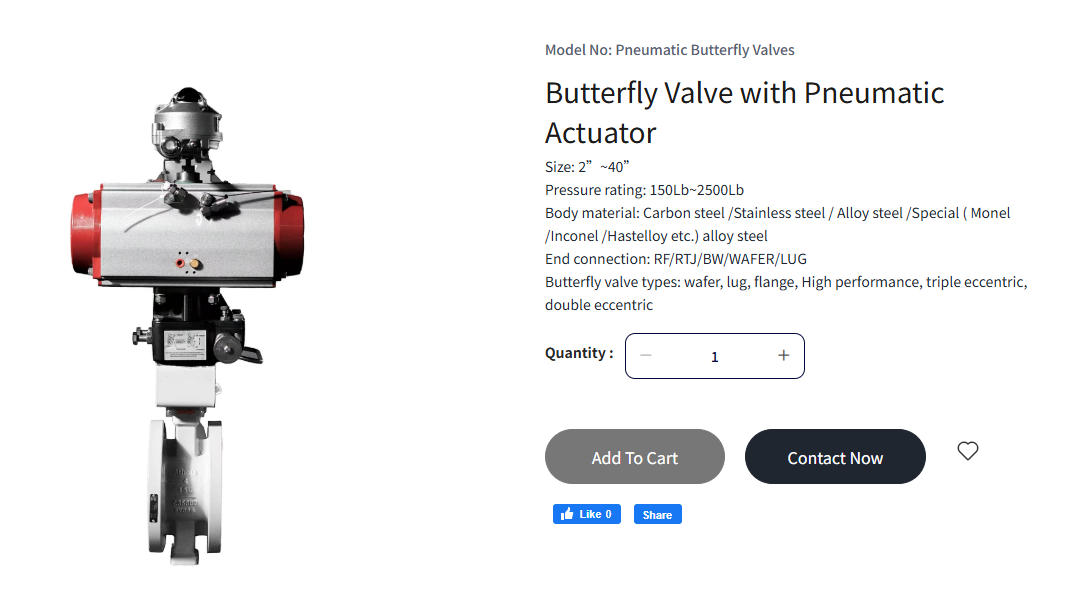
- The air source must be filtered, decompressed, and lubricated (F.R.L. unit), otherwise moisture and impurities will clog the pilot valve or wear the piston seal.
- The connection between the actuator and the valve stem must be accurately aligned to avoid jamming caused by lateral forces.
- For initial commissioning, it is recommended to pre-adjust the opening with a manual device before connecting to the air circuit to prevent "violent opening and closing" from damaging the sealing surface.
Real Case: How Pneumatic Butterfly Valves Improve Production Line Efficiency?
Last year, we renovated the NMP (N-methylpyrrolidone) solvent recovery system of a new energy battery material factory. The original manual butterfly valves were cumbersome to operate and had the risk of volatile leakage. We customized 8 sets of explosion-proof pneumatic tri-eccentric butterfly valves for them, integrated into the DCS system.
The results were immediate:
✅ Opening and closing time shortened from 2 minutes to 4 seconds;
✅ Achieved interlocking control with reactors and condensers, eliminating misoperations;
✅ Annual leakage reduced by 90%, meeting VOCs emission standards;
✅ Reduced 2 operators, with an annual comprehensive benefit exceeding 500,000 yuan.
The customer's person in charge sighed: "I used to think pneumatic technology was 'old', but now I realize that the right technology is the best technology."
Conclusion
If you are looking for a solution for a fluid control project, you may wish to re-examine the pneumatic butterfly valve. It may not have a cool screen or complex algorithms, but it is like a silent craftsman, accurately executing every opening and closing deep in the pipeline — not making noise, but speaking volumes. In this field, Valentech has always escorted the application of pneumatic actuator butterfly valves with professional technology and reliable products. Whether it is selection guidance, customized scheme design, or later maintenance services, Valentech can rely on its profound industry experience to help enterprises overcome fluid control challenges, making industrial automation processes more efficient, safer, and more stable, and becoming a trustworthy partner for enterprises in the wave of industrial automation.
Why Do Standard Industrial Actuators Fail at Sea
What is Marine-Grade Electric Linear Actuator
Related Article
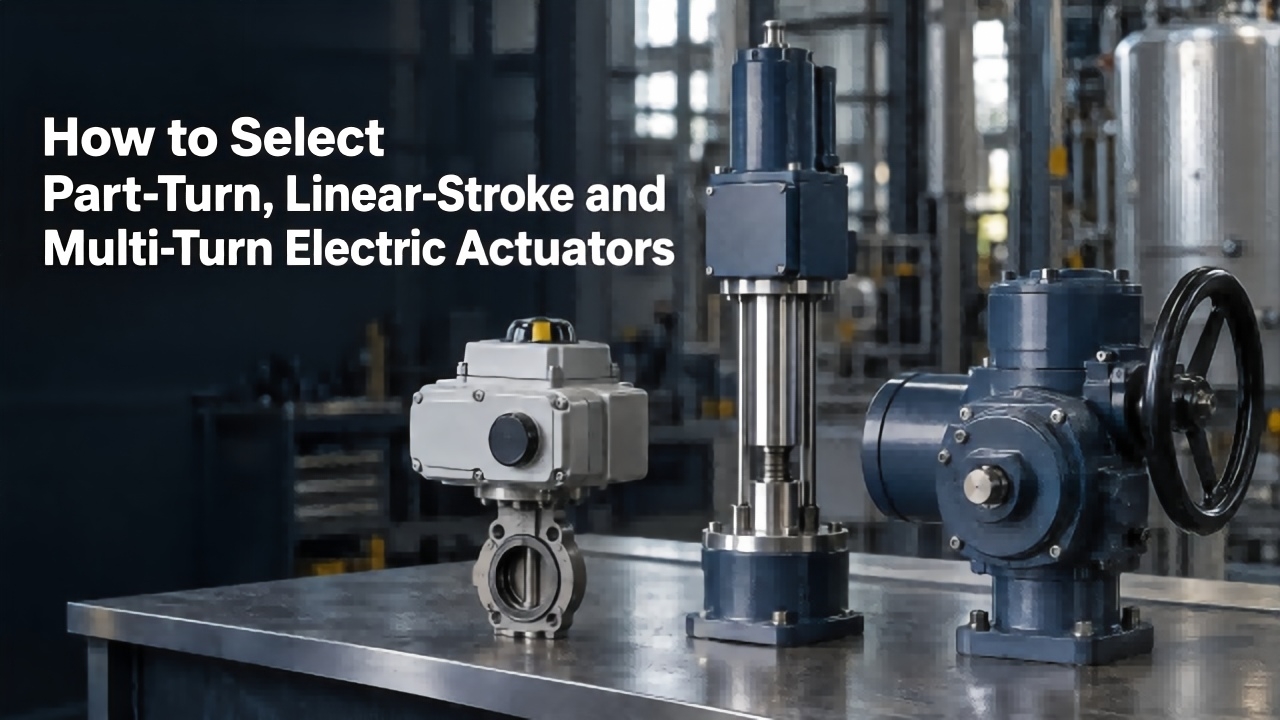
Learn differences among part‑turn, linear‑stroke and multi‑turn electric actuators. This guide covers matching valves, torque‑thrust calculation, 5‑step selection process and typical pitfalls for your industrial actuator applications.
How to Select Part‑Turn, Linear‑Stroke and Multi‑Turn Electric Actuators
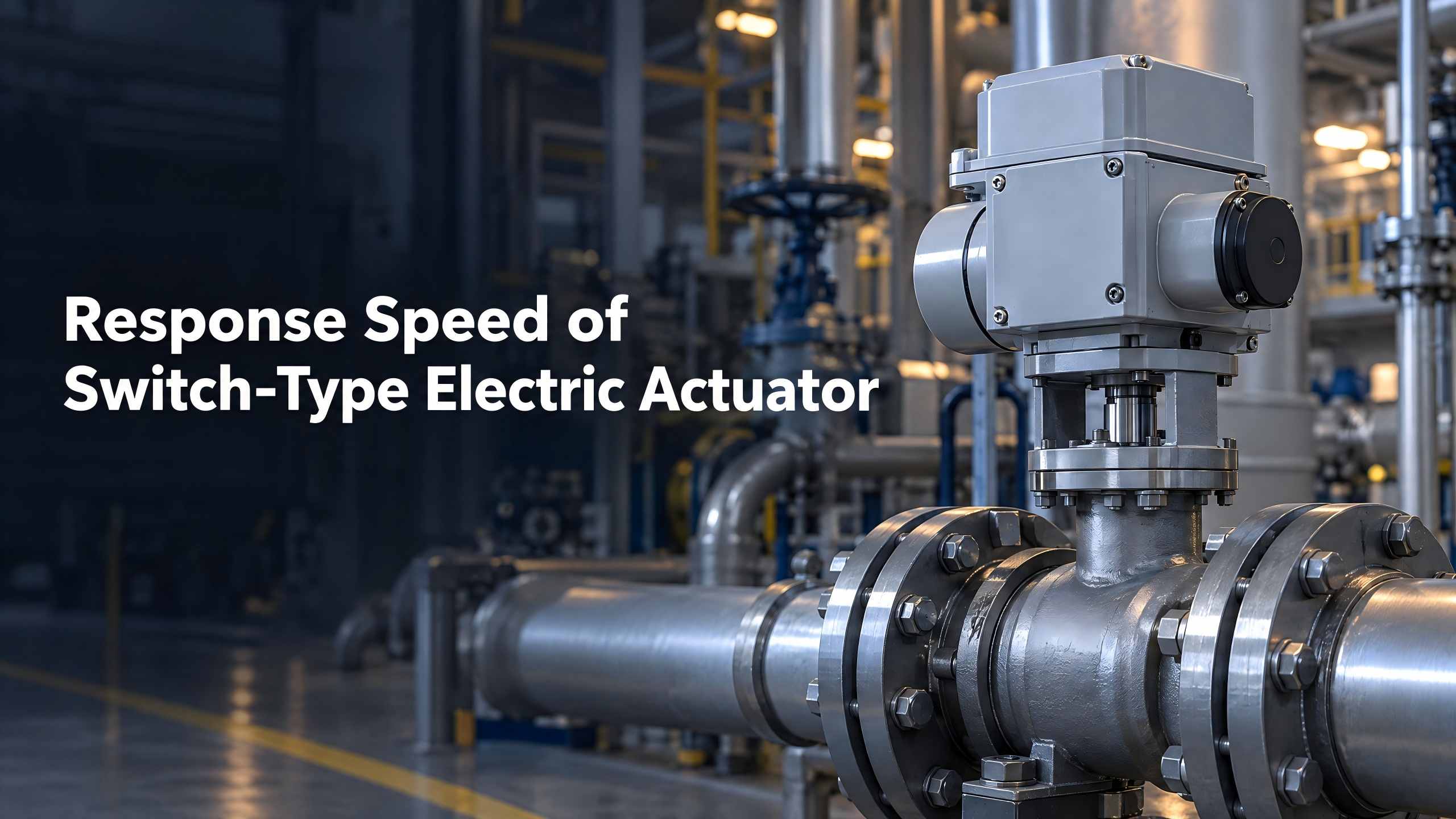
Learn about electric actuator response speed, internal and external influencing factors and key selection points, to select suitable actuators for valve automation projects and ensure efficient and stable system operation.
Response Speed of Switch‑Type Electric Actuator
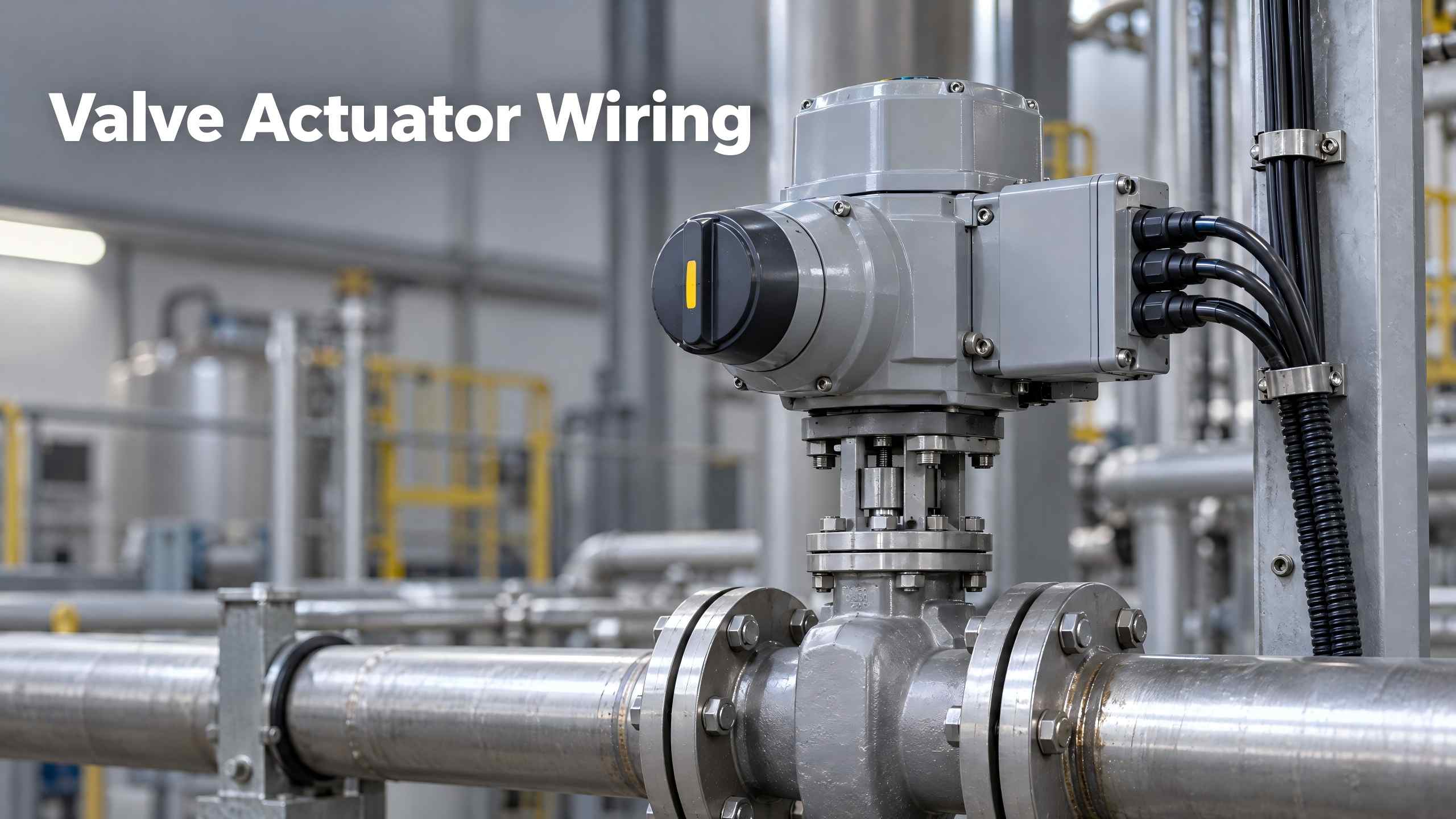
Valve Actuator Wiring describes wiring, commissioning and troubleshooting for electric valve actuators, guiding technicians to adopt standard wiring for stable industrial control.
Valve Actuator Wiring
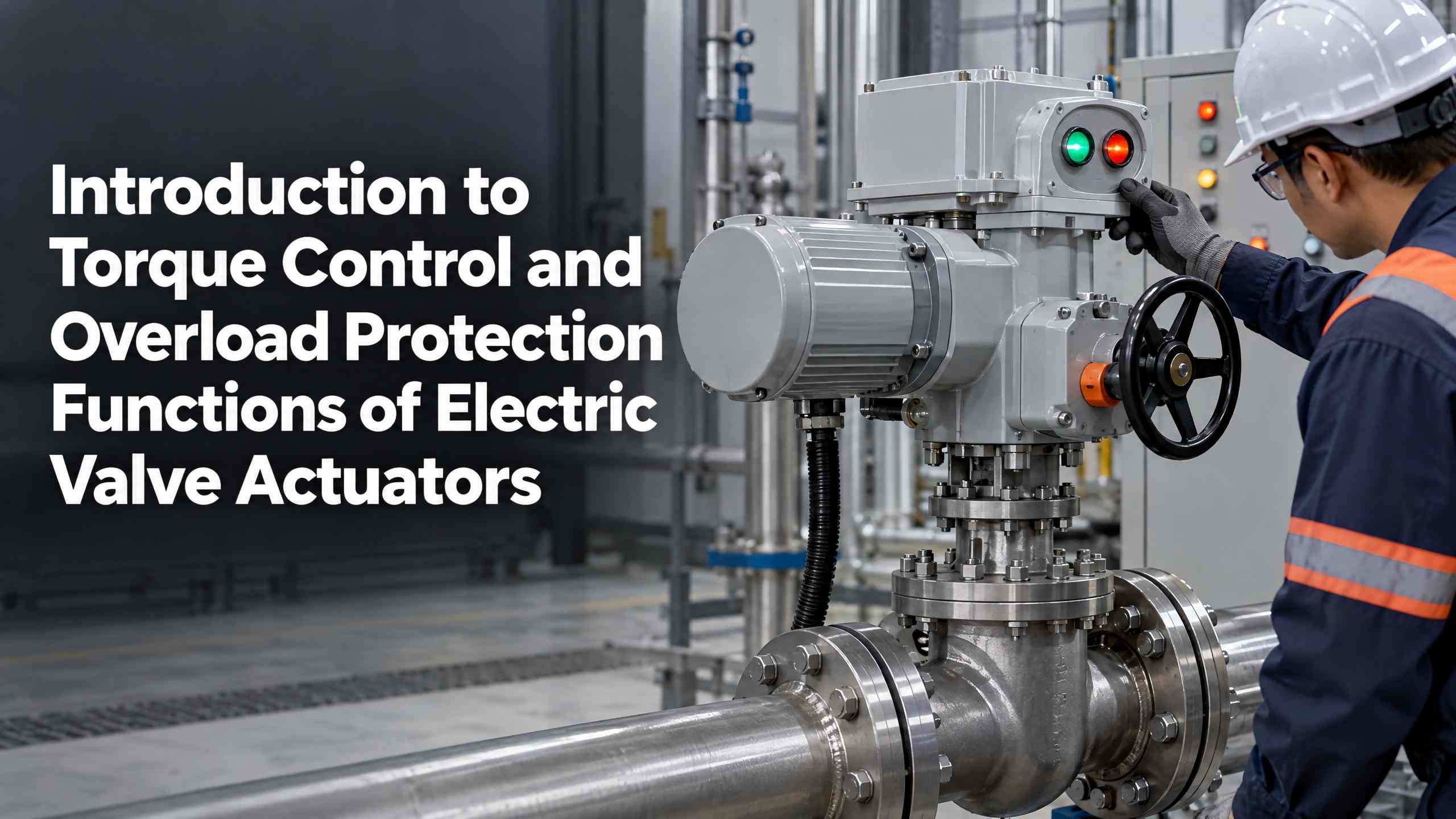
Valen Tech explains electric valve actuator torque control and overload protection functions. Learn how multi‑turn & part‑turn actuators prevent jamming and mechanical damage for petroleum, chemical, power and water pipeline systems.
Introduction to Torque Control and Overload Protection Functions of Electric Valve Actuators