
Detailed Classification of Industrial Electric Actuators
author: ATHENA GROUP
2026-07-25
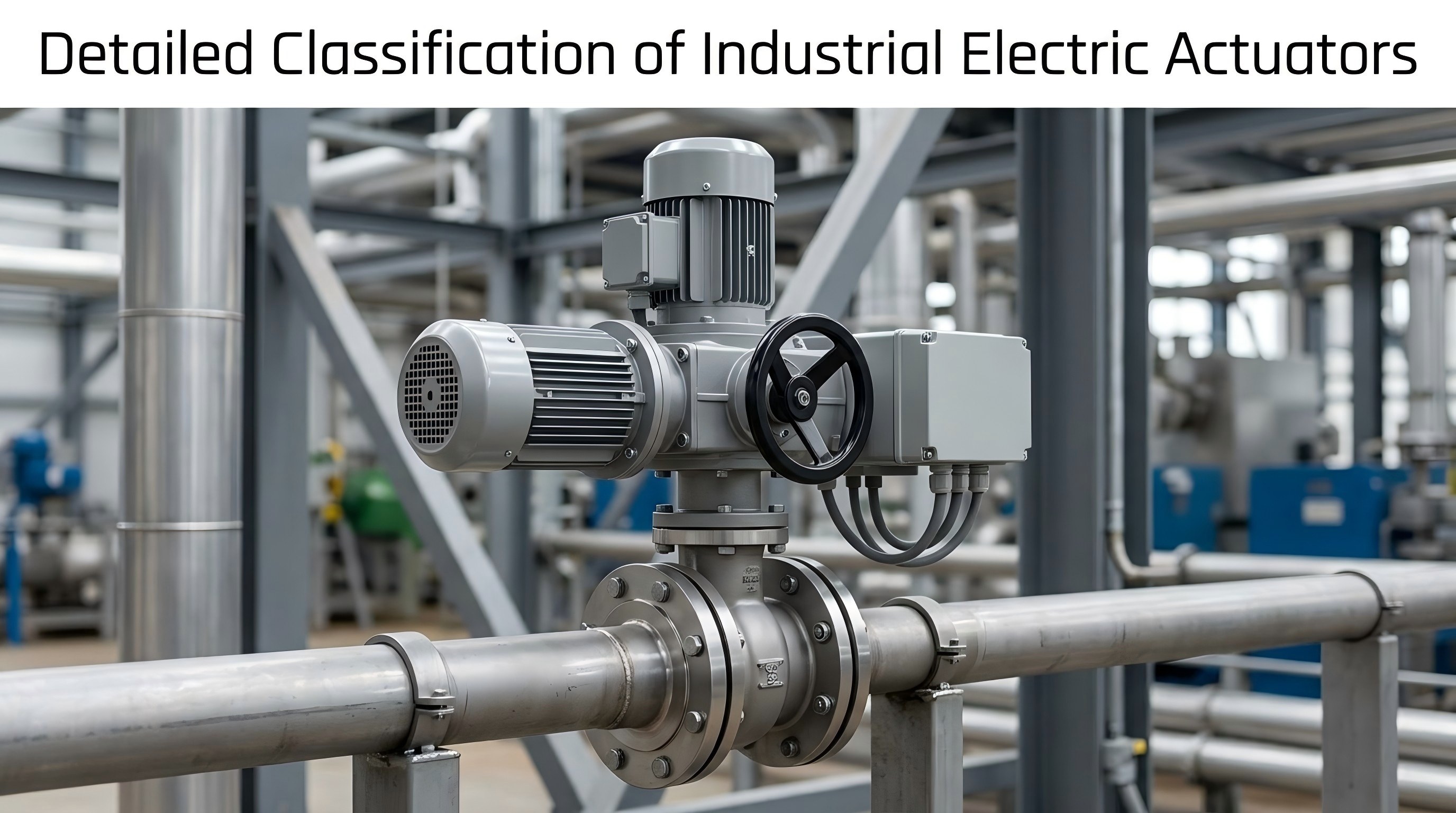
As core electromechanical equipment for industrial automation, electric actuators convert electrical energy into mechanical energy to drive the operation of industrial equipment such as valves and baffles. Compared with pneumatic and hydraulic actuators, they require no auxiliary systems such as air sources and hydraulic circuits. Featuring precise control, remote operation and maintenance support, stable operation and low energy consumption, they are widely adopted in various industrial automatic control scenarios. This article systematically sorts out the classification and core characteristics of industrial electric actuators from four dimensions: power supply mode, control function, mechanical output form and industrial application working conditions. Combined with the technical advantages of ValenTech products, it provides professional and accurate references for industrial engineering selection.
1. Classification by Driving Power Mode
According to power supply types, electric actuators are divided into DC and AC types, which adapt to working conditions with different precision and stability requirements.
DC Electric Actuators: They feature high starting torque, excellent speed regulation performance and high control accuracy, with stable start-stop operation, simple structure and low maintenance cost, making them suitable for refined control scenarios requiring high precision and frequent start-stop actions. Their main limitation is high dependence on power supply stability; supporting voltage stabilization equipment is required to avoid control errors caused by voltage fluctuations. Equipped with precision voltage stabilization modules, ValenTech DC electric actuators effectively eliminate the impact of voltage fluctuations and further improve operational accuracy and stability.
AC Electric Actuators: Driven by industrial alternating current, these actuators have strong anti-fluctuation capability, high operational stability and long service life. They are easy to install and wire without complex adaptation devices. As universal equipment, they are widely used in conventional automatic control scenarios in industrial and municipal projects and serve as the mainstream choice for engineering projects. Optimized and calibrated for diverse working conditions, ValenTech AC electric actuators feature wider adaptability and lower failure rates, meeting the long-term stable operation requirements of general industrial scenarios.
2. Classification by Control Function Type
Based on control and regulation capabilities, electric actuators are categorized into switch type and regulating type to meet the requirements of equipment on-off control and precise process regulation respectively.
Switch-Type Electric Actuators: They only have fully open and fully closed operating states without continuous regulation functions. With a simple structure, high reliability and cost performance, they are applicable to scenarios that only require start-stop control such as pipeline switching without parameter fine-tuning. Adopting high-durability limit structures, ValenTech switch-type electric actuators resist wear and frequent start-stop impacts, greatly reducing equipment failure risks.
Regulating-Type Electric Actuators: Equipped with high-precision sensors and closed-loop control systems, these actuators receive standard industrial analog signals to realize stepless adjustment of valve opening in real time, dynamically controlling core process parameters including flow rate, pressure and liquid level. They deliver fast response and high regulation accuracy, and are widely used in high-end process scenarios such as fine chemical and precision automatic control. ValenTech regulating products adopt optimized closed-loop control algorithms with higher regulation accuracy and lower response delay, precisely matching the requirements of refined production processes.
3. Classification by Mechanical Output Form
According to the mechanical movement forms of output ends, electric actuators are classified into rotary type and linear type, which are designed for different types and specifications of industrial valves.
Rotary Electric Actuators: They output rotational mechanical energy to realize multi-angle and multi-turn movement. Compact and flexible in operation, they are mainly compatible with angular travel valves such as ball valves, butterfly valves and plug valves, and are commonly used for fluid control in small and medium-diameter pipelines. Featuring streamlined structure and high transmission efficiency, ValenTech rotary electric actuators adapt to narrow installation spaces and operate flexibly without jamming.
Linear Electric Actuators: They output linear reciprocating push-pull displacement through screw transmission, with stable thrust and strong load-bearing capacity. Matched with linear travel valves including gate valves and globe valves, they are suitable for large-diameter, medium and high-pressure heavy-duty pipelines and high-precision linear operation working conditions. Adopting reinforced transmission structures, ValenTech linear electric actuators deliver excellent load-bearing performance and can operate stably under long-term heavy-load and high-pressure harsh working conditions.
4. Classification by Industrial Application Working Condition
Working conditions vary greatly across industries. Specialized electric actuators are customized and optimized in protection, weather resistance, corrosion resistance and explosion-proof performance to adapt to industry-specific scenarios. With in-depth research on multi-industry working conditions, ValenTech develops customized electric actuators for different fields with outstanding scenario adaptability.
Actuators for Petrochemical Industry: Adopting explosion-proof, anti-corrosion and high-temperature resistant materials and high-strength sealing structures, these actuators withstand harsh and high-risk working conditions such as high temperature, high pressure, strong corrosion and flammable and explosive environments, complying with industrial safety standards for oil and gas exploitation and chemical production scenarios. Certified with multi-level explosion-proof and anti-corrosion qualifications, ValenTech petrochemical actuators ensure long-term stable operation in high-risk chemical environments with superior safety and durability.
Actuators for Water Treatment Industry: With excellent waterproof, dustproof, anti-deposition and anti-corrosion performance, these actuators adapt to long-term humid and impurity-rich working conditions in sewage treatment, water purification and industrial wastewater treatment projects, effectively preventing equipment faults such as water ingress, jamming and corrosion. Optimized with upgraded sealing and anti-deposition structures, ValenTech water treatment actuators adapt to long-term underwater and high-humidity environments with extended operation and maintenance cycles.
Actuators for Building Automation: Featuring compact size, low operating noise and fast response, these actuators are suitable for light-load fine-tuning scenarios such as central air conditioning, ventilation and fresh air systems in buildings to meet the demand for high-frequency precise control. Adopting lightweight, energy-saving and low-noise design, ValenTech building automation actuators perfectly match the comfortable and intelligent automatic control systems of modern buildings.
5. Selection Summary
The selection of electric actuators directly determines the operational stability, safety and maintenance cost of industrial automatic control systems. Electric actuators with different power supply types, control modes, output structures and industry customization have distinct performance advantages and applicable scenarios. Engineering selection requires comprehensive consideration of on-site power supply conditions, control accuracy requirements, load types, working environments and industrial specifications. As a professional brand of industrial automatic control equipment, ValenTech boasts mature technical systems and rich experience in working condition adaptation, providing a full range of electric actuators to accurately meet the needs of general and special industrial scenarios. The scientific selection of standardized and customized ValenTech actuators effectively improves the accuracy and reliability of automatic control systems, reduces operation and maintenance costs, and supports stable, efficient and high-efficiency production upgrading for enterprises.
ValenTech to Participate in Oil & Gas Asia 2026 (OGA)
Understand Electric Butterfly Valves: From Basics to Advanced Applications
Related Article
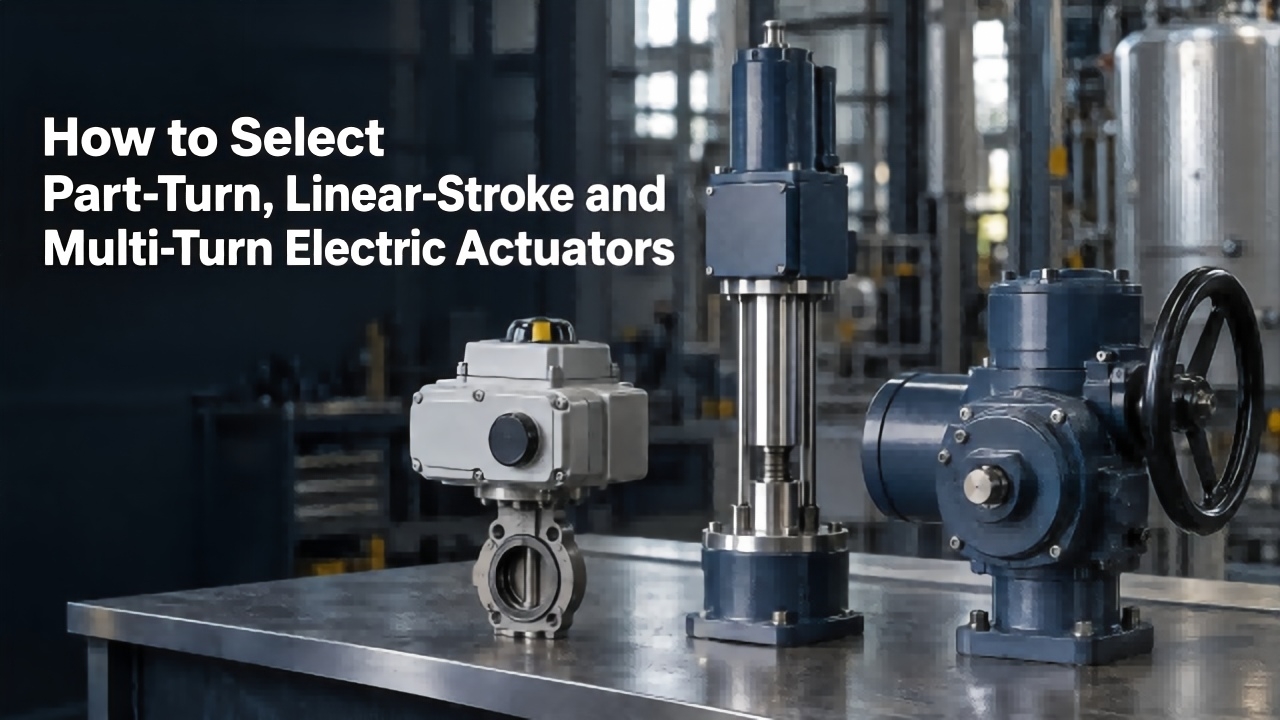
Learn differences among part‑turn, linear‑stroke and multi‑turn electric actuators. This guide covers matching valves, torque‑thrust calculation, 5‑step selection process and typical pitfalls for your industrial actuator applications.
How to Select Part‑Turn, Linear‑Stroke and Multi‑Turn Electric Actuators
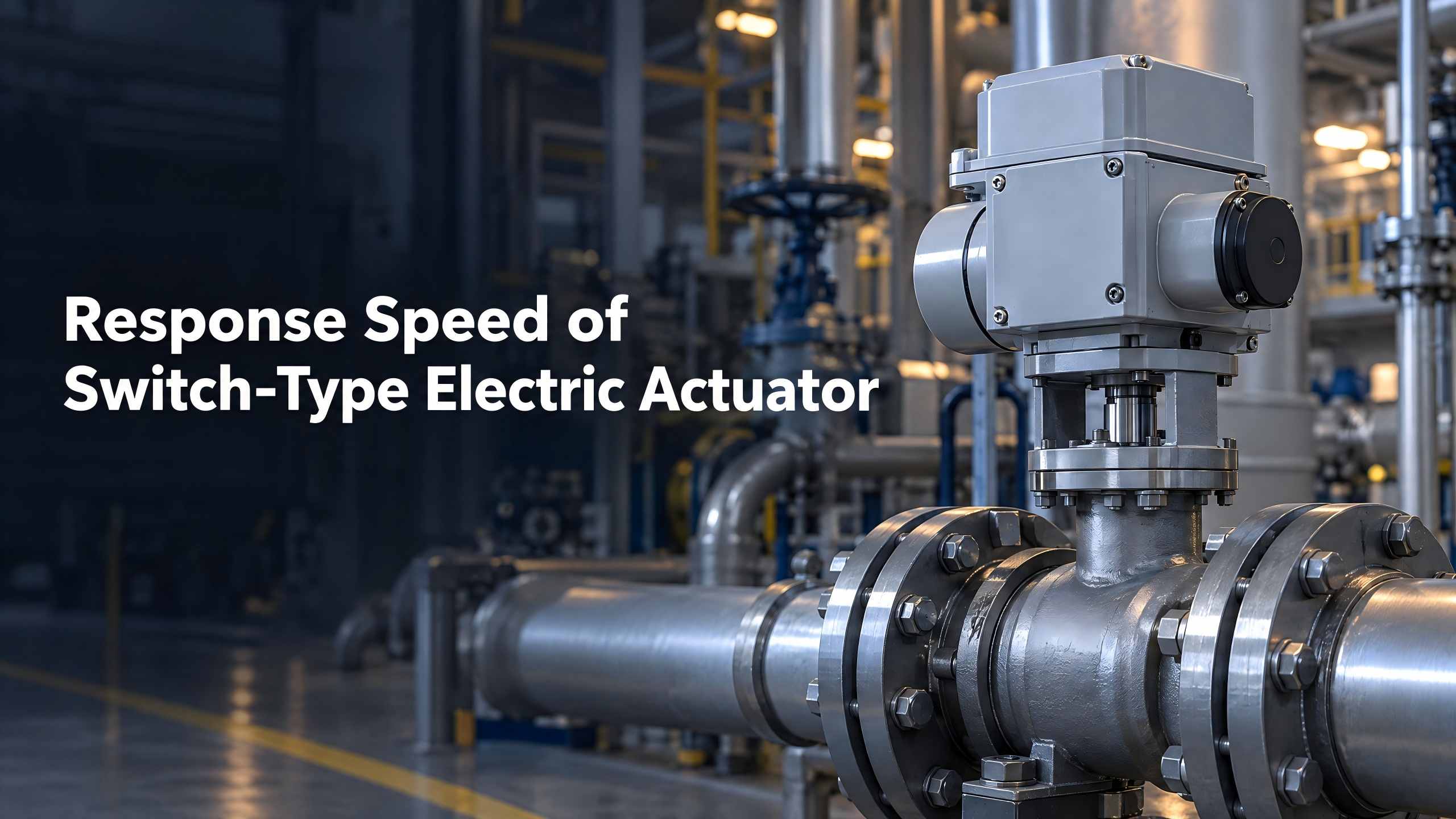
Learn about electric actuator response speed, internal and external influencing factors and key selection points, to select suitable actuators for valve automation projects and ensure efficient and stable system operation.
Response Speed of Switch‑Type Electric Actuator
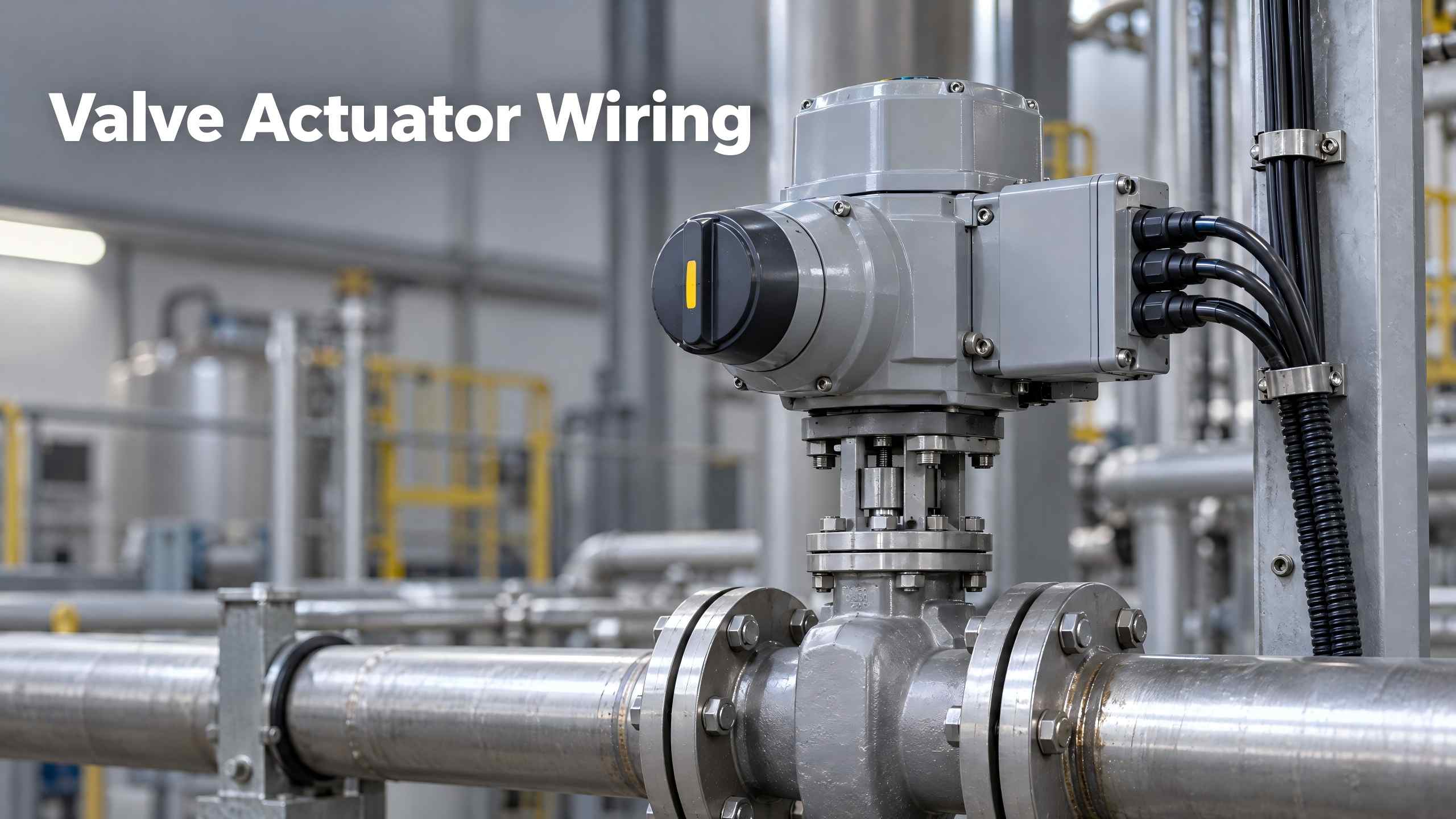
Valve Actuator Wiring describes wiring, commissioning and troubleshooting for electric valve actuators, guiding technicians to adopt standard wiring for stable industrial control.
Valve Actuator Wiring
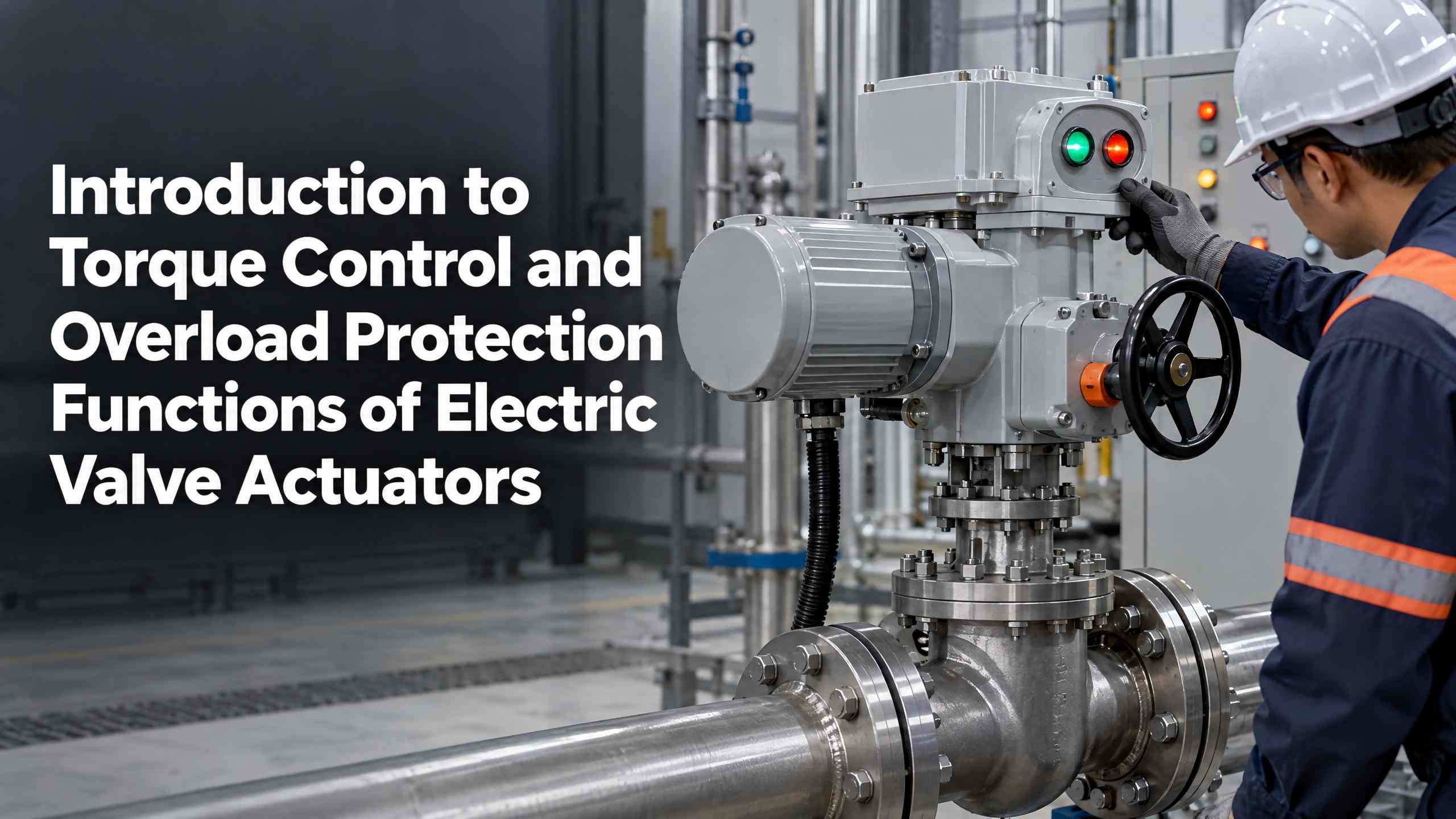
Valen Tech explains electric valve actuator torque control and overload protection functions. Learn how multi‑turn & part‑turn actuators prevent jamming and mechanical damage for petroleum, chemical, power and water pipeline systems.
Introduction to Torque Control and Overload Protection Functions of Electric Valve Actuators