
Electric Actuators for Industrial Automation: A Complete Guide to Principles, Types, Selection and Applications
author: ATHENA GROUP
2026-08-06
Electric actuators are core terminal execution units of industrial automatic control systems. Driven by electric energy, they are built-in with motors, reduction mechanisms, control boards and sensors. Matched with valves, air duct dampers and regulating valves, they receive control signals from PLC and DCS to complete displacement and angle adjustment. Widely used in process manufacturing, energy, water treatment and other industries, they make up for the shortcomings of manual, pneumatic and hydraulic control, serving as basic equipment for the digital transformation of smart factories.
I. What Are Electric Actuators for Industrial Automation?
An industrial automation electric actuator is an integrated automatic driving device powered by electricity, incorporating motors, precision reduction transmission mechanisms, intelligent control modules and sensing components. It is mainly matched with industrial valves, HVAC air dampers, dust removal baffles, water treatment regulating valves and other automatic control components.
Within a complete closed-loop industrial automatic control system, the control system issues operation commands, sensors collect on-site working condition data, while industrial automation electric actuators act as the sole physical execution carrier to accurately complete various automated operations. They fundamentally resolve industrial pain points including large manual operation errors, low efficiency and inoperability under high-risk working conditions, comprehensively improving the stability, safety and standardization of industrial production. They are indispensable core equipment in industrial automation systems.
II. Core Working Principles
Electric actuators operate fully automatically based on closed-loop feedback control logic without manual intervention. Their operation falls into four key procedures:
- Signal Reception: The industrial control system transmits switching or 4-20mA analog control signals as the basis for equipment action.
- Power Output: The built-in servo/asynchronous motor starts up. The reduction mechanism lowers rotational speed and amplifies stable torque to deliver sufficient driving power.
- Mechanical Execution: The transmission structure drives valve stems and rotating shafts to perform linear or rotary motion, realizing pipeline on-off, flow regulation, air duct switching and other operations.
- Feedback Calibration: Built-in position, torque and temperature sensors collect real-time operating data and send it back to the central control system. The system dynamically modifies opening values and implements fault prediction as well as overload protection.
The whole process features fast response and high repeated positioning accuracy, suiting continuous and large-scale industrial production demands.
III. Common Types of Electric Actuators for Industrial Automation
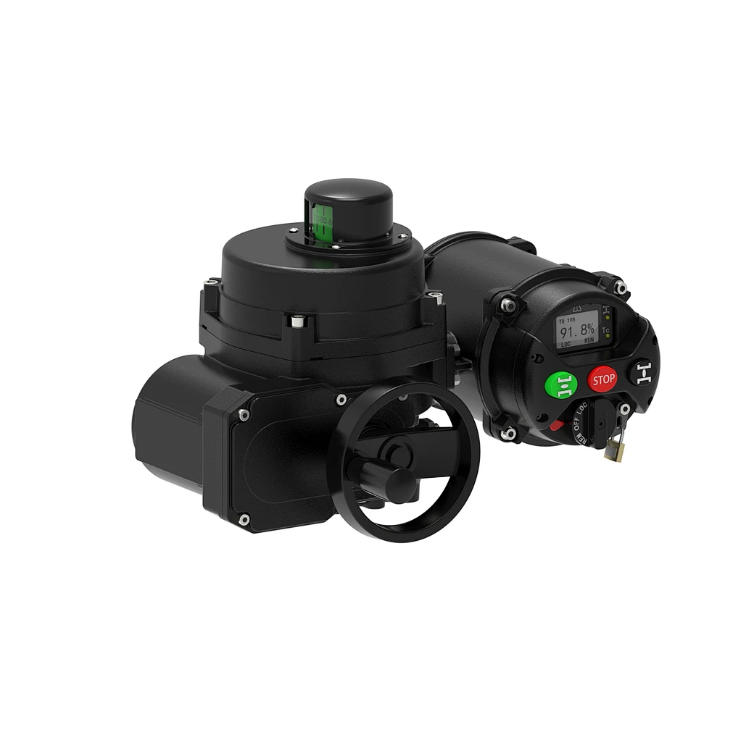
Classified by control mode, motion characteristics and applicable working conditions, electric actuators for industrial automation fall into three mainstream categories, which are core product ranges for industrial project selection:
1. On-off Electric Actuators
On-off electric actuators are basic on-off equipment with only fully open and fully closed operating states. They feature simple structure, low failure rate and high cost performance. Without requirements for precise adjustment of process parameters, this type is mainly applied to basic automation scenarios such as on-off control of water supply and drainage pipelines, fire-fighting pipelines and ordinary ventilation ducts, making it a mainstream option for automation upgrading of light and basic industries.
2. Modulating Electric Actuators
Modulating electric actuators support stepless opening adjustment ranging from 0 to 100%. They accurately receive 4-20mA analog signals and dynamically adjust valve opening according to production process requirements, precisely controlling core parameters including pipeline medium flow, pressure and temperature. Widely deployed in production lines requiring high-precision process control such as chemical rectification, electric power and heat supply, sewage treatment and precision manufacturing, they serve as core supporting equipment for refined industrial production.
3. Integrated Intelligent Electric Actuators
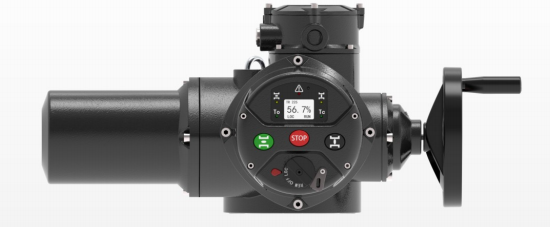
Integrated intelligent models are new-generation upgraded equipment equipped with multi-functional modules including high-definition liquid crystal displays, intelligent self-diagnosis, remote communication and data acquisition. They support mainstream industrial communication protocols such as RS485 and Modbus. Capable of seamless connection to the Industrial Internet of Things and intelligent central control platforms, they enable remote monitoring, online commissioning, real-time data uploading and equipment linkage control, perfectly matching the digital upgrading needs of Industry 4.0 smart factories and unattended automated workshops.
IV. Core Application Values
1. Precise Regulation to Stabilize Process Standards
Industries with continuous production such as chemical engineering, electric power and pharmaceuticals impose strict requirements on consistent process parameters. Manual operation leads to deviations and response delays, while long-term operation of pneumatic and hydraulic equipment easily causes parameter drift. Supported by closed-loop sensor control, electric actuators deliver stable fine opening adjustment, drastically narrowing fluctuation ranges of flow, pressure and temperature. This ensures consistent quality of mass-produced products and reduces defective losses caused by process abnormalities.
2. Labor Replacement to Optimize Workforce Allocation
Numerous high-risk on-site environments feature high temperature, high pressure, flammable and explosive substances, and strong corrosiveness, bringing severe safety hazards and high labor intensity to on-site manual operation. Electric actuators support centralized remote control and 24/7 unattended automatic operation, drastically cutting frontline operator posts and labor costs to build an intensive automated production model.
3. Multiple Protection Functions to Boost Production Safety
Pipeline leakage, valve jamming and medium overpressure are major triggers of industrial safety accidents. Actuators monitor real-time torque, temperature and opening data. Once overload, stalling or abnormal pressure is detected, protection mechanisms activate automatically to cut off pipelines urgently and block risk spread. In high-risk scenarios such as oil and gas transportation and hazardous chemical manufacturing, they effectively prevent leakage, explosions and other safety incidents to improve intrinsic plant safety.
4. Simplified Supporting Systems to Cut Operation and Maintenance Costs
Pneumatic actuators require supporting air compressors and complete air supply pipelines, while hydraulic equipment suffers from hydraulic oil leakage and aging accessories that incur high post-operation maintenance costs. Electric actuators boast high integration without complex auxiliary systems, minor mechanical wear and reliable sealing for a long service life with low failure rates. Intelligent models enable precise fault location, shifting full-range inspection to targeted maintenance and significantly reducing production capacity losses from unplanned shutdowns.
5. Digital Compatibility to Support Smart Factory Transformation
Traditional pneumatic and hydraulic equipment have weak data collection capabilities, easily forming data silos that hinder production line intelligent upgrading. Equipped with standardized industrial communication interfaces, electric actuators enable two-way data exchange with various industrial control and MES management platforms. They support real-time uploading of operating and fault data as well as linkage regulation of full-line equipment, suiting the automation and digital upgrading demands of small, medium and large enterprises alike.
V. Main Industrial Application Scenarios
With precise, stable, safe and intelligent performance, electric actuators for industrial automation cover production and upgrading scenarios across all industries. Their core application fields are as follows:
- Water Treatment Automation: On-off control of pipeline valves, water quality parameter adjustment and automatic management of sewage discharge systems in sewage and clean water plants;
- Chemical and Petrochemical Industry: Explosion-proof electric actuators matched with chemical pipelines to realize safe automatic control of flammable, explosive and highly corrosive media;
- Electric Power and Energy Industry: Precise regulation and automatic on-off control of circulating water systems, air duct baffles and flue gas treatment systems in power plants;
- HVAC Building Automation: Intelligent adjustment of central air conditioning, fresh air systems and ventilation baffles to realize energy-saving automatic control of buildings;
- Metallurgy and Mining Industry: Adaptation to harsh high-temperature and high-dust working conditions for automatic regulation of dust removal equipment and conveying pipelines;
- Food and Pharmaceutical Industry: Sanitary electric actuators meeting sterile, high-precision and pollution-free requirements for refined production processes.
VI. Key Selection Points for Industrial Electric Actuators
Scientific and reasonable selection serves as a prerequisite for stable operation of automatic control systems. Combined with on-site working condition demands, five core parameters shall be prioritized during selection to avoid equipment overload, insufficient precision and poor adaptability to working conditions:
- Torque/Thrust Parameters: Match torque specifications based on valve and baffle dimensions. A torque margin of approximately 20% is recommended to prevent equipment overload and jamming under complex working conditions.
- Control Mode: Choose on-off type for basic on-off working conditions, analog modulating type for precise process adjustment, and communication intelligent type for digital upgrading of smart factories.
- Working Condition Protection Class: Adopt standard protection models for conventional indoor working conditions, IP65 or higher high-protection equipment for outdoor, humid and high-dust scenarios, and explosion-proof actuators for flammable and explosive environments.
- Voltage Matching: Strictly distinguish voltage specifications including AC220V, AC380V and DC24V to match the on-site power supply system and avoid equipment faults caused by mismatched voltage.
- Operating Speed: Select appropriate opening/closing and regulating speeds in accordance with production line process rhythm to prevent equipment impact from excessive speed or low production efficiency caused by insufficient speed.
Conclusion
Electric actuators are core execution devices for industrial digitalization, delivering precise regulation, safe operation and low energy consumption to support automation upgrading across all industries. ValenTech’s full range of electric actuators adapt to various complex working conditions with stable performance and convenient digital connection, providing reliable driving solutions for factory automatic control transformation.
Anti-Rust Treatment of Electric Actuators for Water Treatment Valves
ValenTech to Participate in Oil & Gas Asia 2026 (OGA)
Related Article
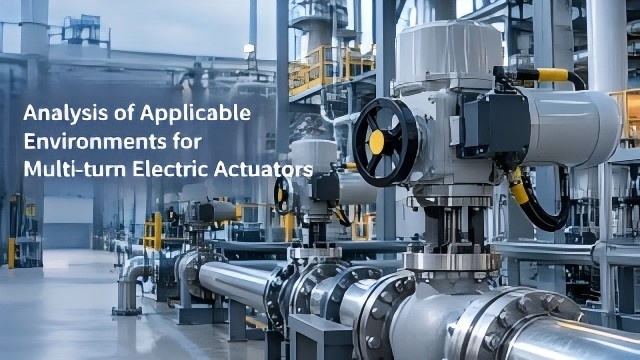
This article analyses multi‑turn electric actuator operating environments. It covers temperature, protection, vibration and power‑supply factors, guiding Actuator Working Condition Selection and listing prohibited application scenarios.
Analysis of Applicable Environments for Multi‑turn Electric Actuators
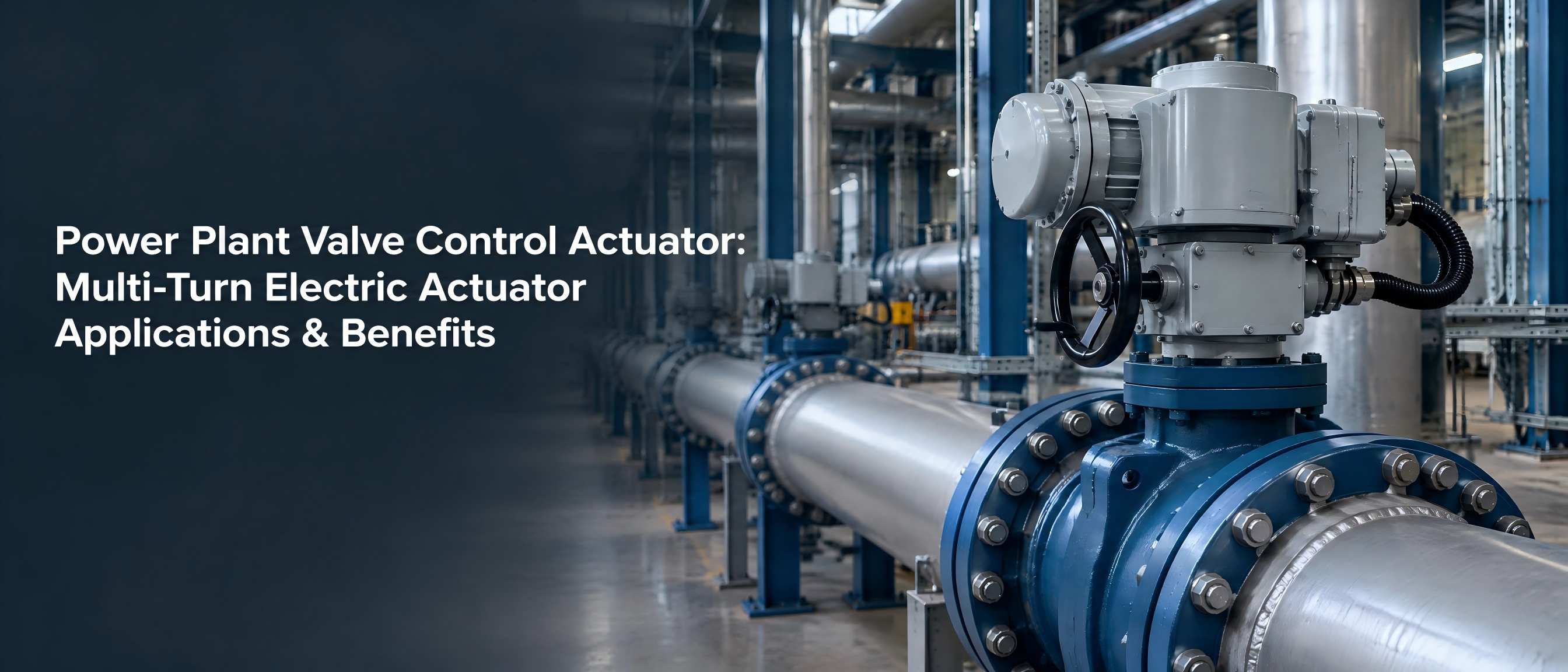
Multi‑turn electric power plant valve actuator converts control signals into valve movements. Featuring high‑torque output, self‑locking and closed‑loop control, it adapts to harsh power‑plant conditions for thermal, hydropower and new‑energy stations, with reliable protection and easy‑maintain performance.
Power Plant Valve Control Actuator: Multi‑Turn Electric Actuator Applications & Benefits

Valen Tech wrapped up its presence at OGA 2026 in Kuala Lumpur. We exhibited premium valve actuators & custom fluid‑control solutions for onshore & offshore oil‑gas applications. Our team connected with SEA and Middle East clients, generating quality leads and strengthening regional brand footprint.
Exhibition Participation Valen Tech Successfully Completes OGA 2026
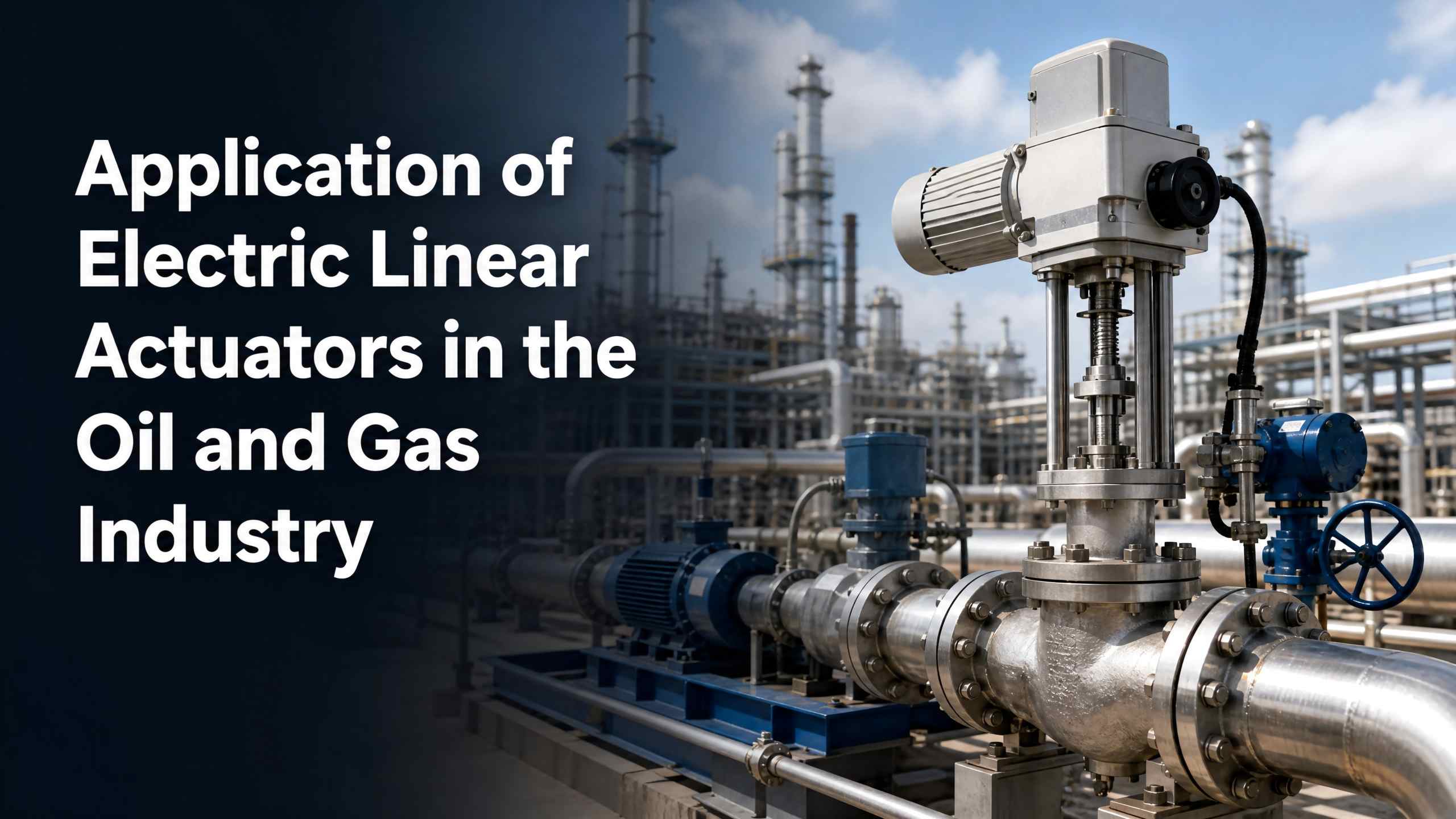
This paper introduces Valen Tech electric linear actuators, analyzing their advantages, valve applications, full‑scenario adaptability and selection points in the oil‑gas industry. It compares them with traditional actuators and offers troubleshooting solutions, illustrating their role in driving intelligent upgrades for the sector.
Application of Electric Linear Actuators in the Oil and Gas Industry