
Function of Actuator Valve
author: ATHENA GROUP
2026-03-14
In the complex ecosystem of industrial process control, few components are as critical yet often misunderstood as valve actuators. Whether you manage a water treatment plant, oil and gas pipelines, or a pharmaceutical production line, a thorough understanding of the functions of valve actuators is essential to ensuring safety, efficiency and reliability.
What is the main function of a valve actuator?
At its core, the fundamental functional mechanism of a valve actuator is to enable the automatic operation of valves. Manual valves require human rotation of a handwheel, while actuators use an external power source to replace human effort and drive the valve stem or spindle.
In modern factories, however, its specific functions include:
- Remote operation: Allows operators to control flow from a central control room, even via cloud-based interfaces. This is crucial for hazardous or hard-to-reach locations.
- Precise regulation: Unlike manual valves, which are usually only fully open or fully closed, actuators (especially electric and pneumatic actuators with positioners) can hold the valve in any intermediate position, thus precisely adjusting flow, pressure or temperature.
- Fail-Safe: In the event of power failure or signal fault, many actuators are designed to automatically drive the valve to a safe position (fully open or fully closed) to prevent accidents, leaks or equipment damage.
- High-speed cycling: For processes requiring rapid shutoff (such as Emergency Shutdown Systems (ESD)), actuators can close large valves in a matter of seconds, a feat impossible for human operators.
Core Functions of a Valve Actuator
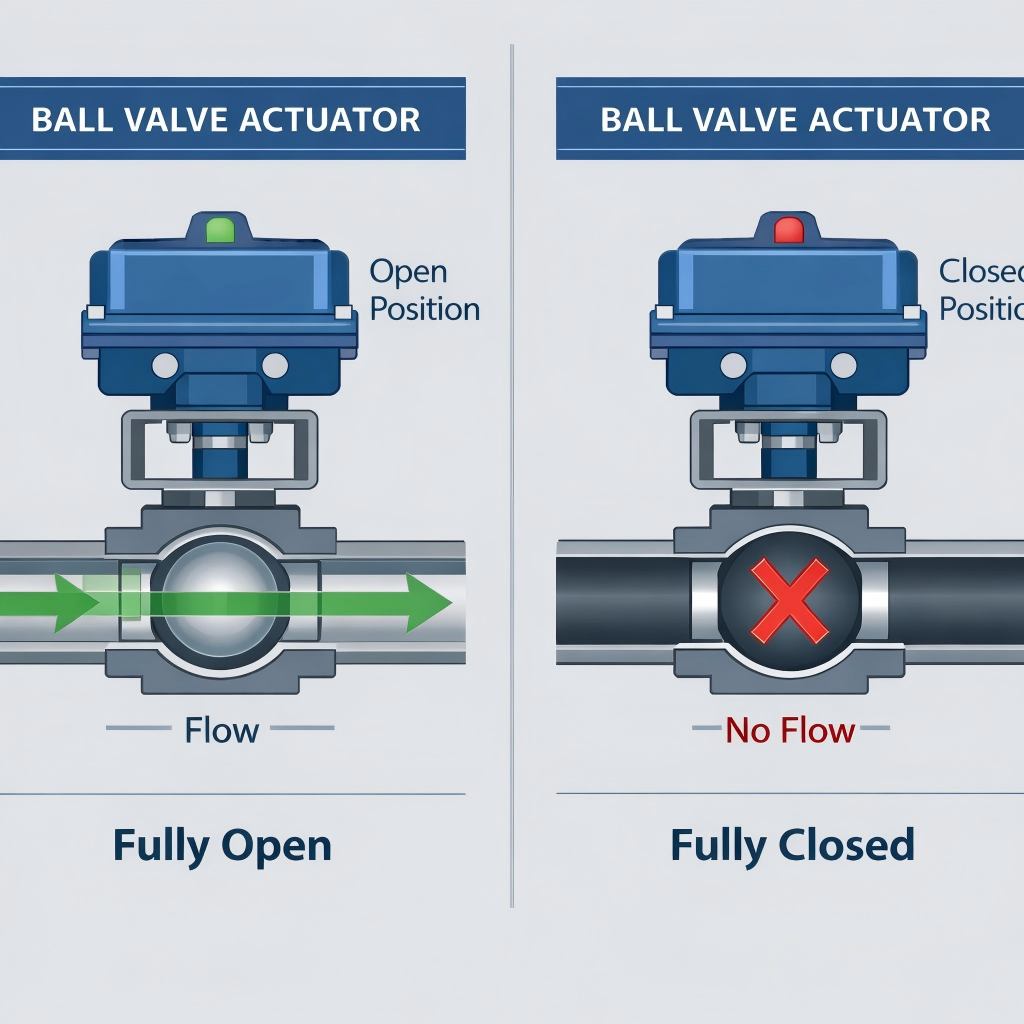
The primary function of a valve actuator is to control the position of internal valve components (such as the spool of ball valves, gate valves or butterfly valves), thereby regulating the flow of media in the pipeline. This core function can be broken down into three key operational roles, each critical to the efficiency and safety of industrial processes.
On-Off Control
Moves the valve to the fully open or fully closed position to completely cut off or allow flow, suitable for scenarios such as maintenance, emergency shutdown or full-load operation. For example, controlling water intake and cut-off in water treatment plants. Pneumatic actuators are commonly used for such control due to their fast response and high reliability; electric actuators can be an alternative when air supply is unavailable.
Regulating Control
Positions the valve at any intermediate position to achieve precise adjustment of flow, pressure or temperature, applicable to processes requiring stable parameters such as chemical engineering, heating, ventilation and air conditioning (HVAC), and power generation. For example, adjusting fuel or air flow in boiler systems. Electric and hydraulic actuators are often used for regulating control due to their high precision and stable positioning.
Safety and Emergency Control
Actuators can respond rapidly in the event of equipment abnormality, sudden pressure surge or power failure, automatically switching the valve to a safe position to avoid accidents, damage or environmental pollution. Many models are equipped with fail-safe mechanisms, such as spring return upon power or air loss, which automatically close (or open) the valve. For example, in oil and gas pipelines, flammable or toxic media can be cut off in a timely manner to prevent leaks and explosions.
How Do Valve Actuators Realize Their Functions?
To achieve the above functions, valve actuators rely on the synergy of components and external signals. Below is a brief overview of this process:
- Signal input: The actuator receives a signal from the control system (such as a 4-20 mA electrical signal, pneumatic signal or digital signal) that instructs it how to position the valve.
- Power conversion: The actuator converts an external power source (electricity, air or hydraulic oil) into mechanical force to drive the movement of the valve stem.
- Position feedback: Most valve actuators include position sensors that send feedback to the control system to confirm the valve's current position. This ensures control accuracy and allows adjustments if the valve is not in the desired position.
Different Types of Valve Actuators and Their Functional Differences
The functions of valve actuators vary slightly depending on the type used. Below are the most common types and their functional characteristics:
- Electric valve actuators: Drive valves using electricity, feature high precision and are suitable for regulating control. They are ideal for applications where remote control and position feedback are critical, such as automated manufacturing systems.
- Pneumatic valve actuators: Operate using compressed air, have a fast response speed and are suitable for on-off control. They are durable, cost-effective and well-suited for harsh industrial environments (such as high-temperature and corrosive medium scenarios).
- Hydraulic valve actuators: Generate enormous power using hydraulic oil, suitable for large valves or applications requiring heavy-duty operation (such as oil and gas pipelines and large-scale water treatment plants).
Conclusion
The function of valve actuators is the cornerstone of industrial automation and fluid control. In an era that pursues extreme precision and long-term reliability, it is crucial to choose a partner with a strong engineering background. Valen Tech is committed to combining advanced actuation technology with stringent industrial requirements, and providing robust protection for your pipeline safety through excellent torque control and intelligent feedback systems. Whether in complex regulating working conditions or critical fault protection scenarios, Valen Tech is always your ideal choice for improving system efficiency and advancing towards Industry 4.0.
How Does a Spring-Return Scotch Yoke Actuator Work
Iraq Oil Gas Petrochemicals Exhibition 2026
Related Article
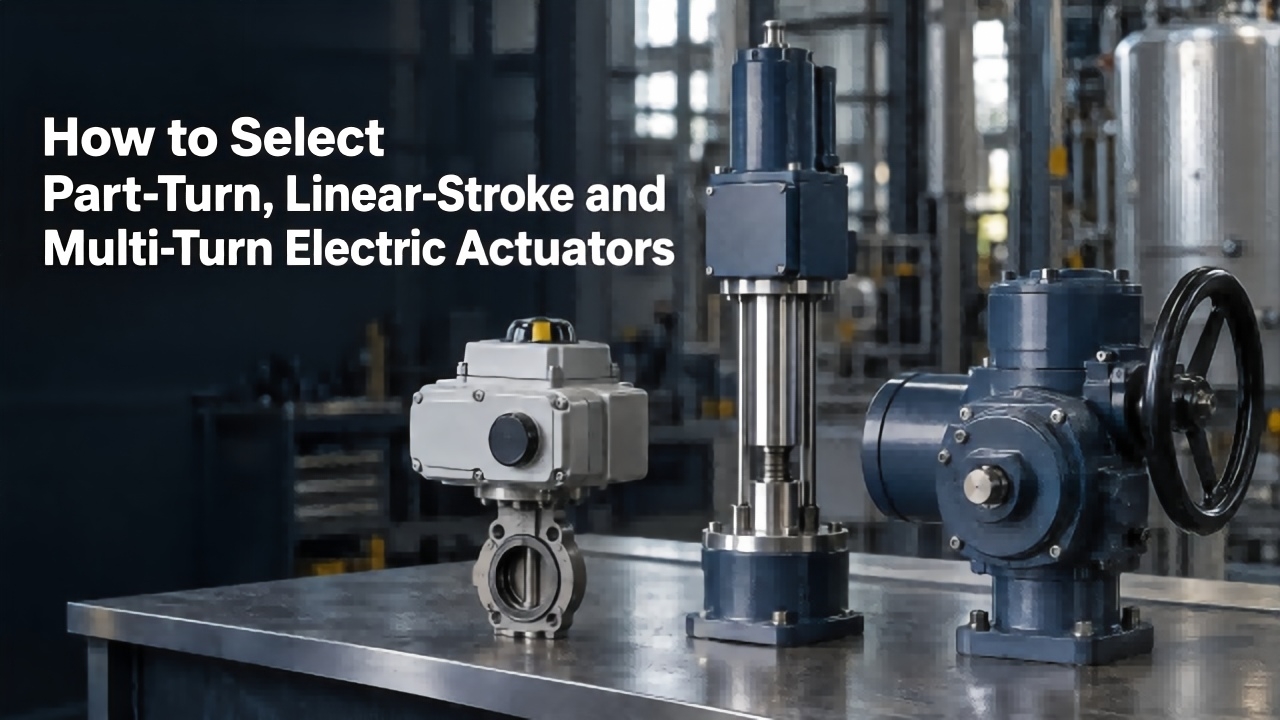
Learn differences among part‑turn, linear‑stroke and multi‑turn electric actuators. This guide covers matching valves, torque‑thrust calculation, 5‑step selection process and typical pitfalls for your industrial actuator applications.
How to Select Part‑Turn, Linear‑Stroke and Multi‑Turn Electric Actuators
Learn about electric actuator response speed, internal and external influencing factors and key selection points, to select suitable actuators for valve automation projects and ensure efficient and stable system operation.
Response Speed of Switch‑Type Electric Actuator
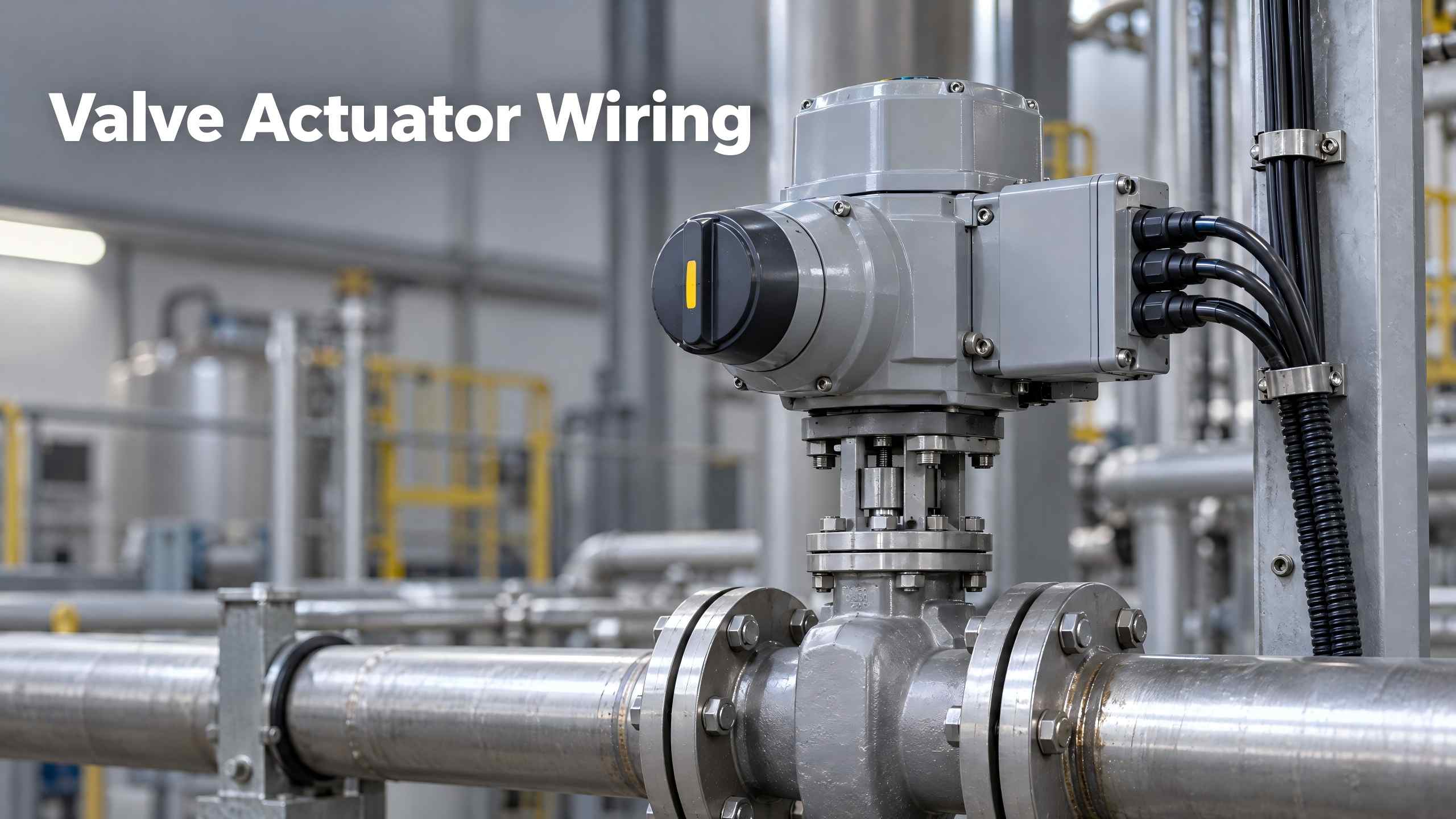
Valve Actuator Wiring describes wiring, commissioning and troubleshooting for electric valve actuators, guiding technicians to adopt standard wiring for stable industrial control.
Valve Actuator Wiring
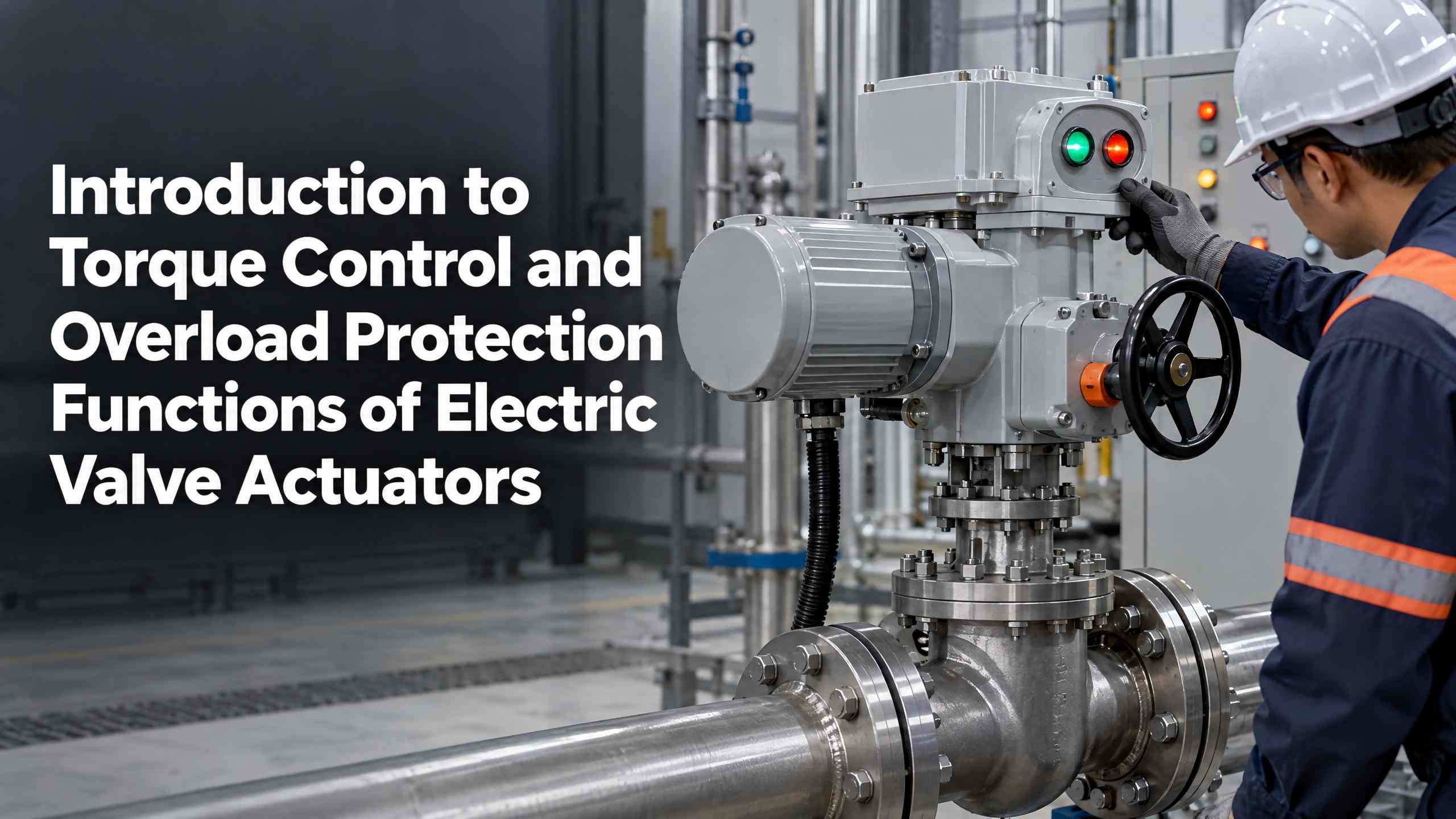
Valen Tech explains electric valve actuator torque control and overload protection functions. Learn how multi‑turn & part‑turn actuators prevent jamming and mechanical damage for petroleum, chemical, power and water pipeline systems.
Introduction to Torque Control and Overload Protection Functions of Electric Valve Actuators