
Guide to Purchasing Pneumatic Actuator Butterfly Valves
author: ATHENA GROUP
2025-06-05

In modern industrial automation systems, valves serve as critical components for fluid control, with their performance directly impacting the efficiency and safety of the entire system. Among them, pneumatic actuator butterfly valves have gradually become the preferred solution for various industrial process controls due to their fast response speed, compact structure, and reliable operation.
I. What is a Pneumatic Actuator Butterfly Valve?
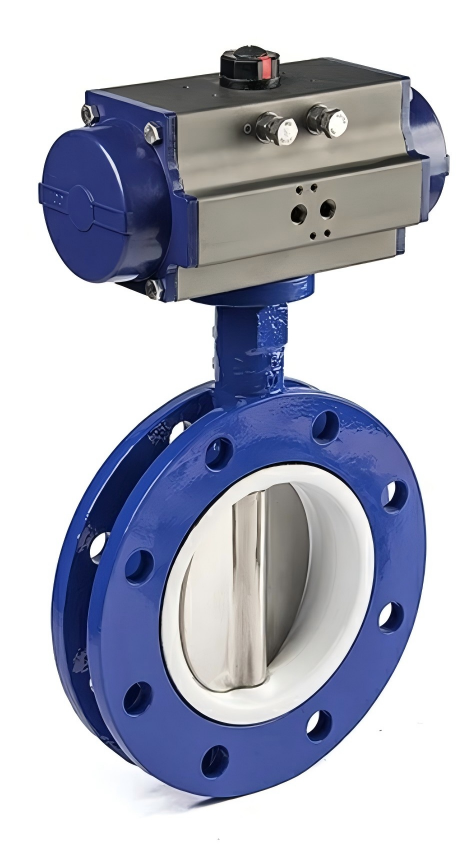
A pneumatic actuator butterfly valve is an automatic control valve composed of two main parts: the butterfly valve body and the pneumatic actuator. It drives the actuator through compressed air to rotate the valve disc of the butterfly valve, thereby achieving opening or closing and controlling the flow or pressure of the medium in the pipeline.
1. Basic Structure of the Butterfly Valve
Valve Body: Typically made of cast iron, stainless steel, or ductile iron, suitable for different media environments.
Valve Disc (Butterfly Disc): Installed inside the valve body, it adjusts the flow by rotating at an angle.
Valve Stem: Connects the valve disc and the actuator to transmit power.
Sealing Ring: Ensures the tightness of the valve when closed to prevent leakage.
2. Types of Pneumatic Actuators
Single-Acting Pneumatic Actuator: Uses spring reset and opens or closes when supplied with air.
Double-Acting Pneumatic Actuator: Achieves opening and closing actions by alternating air supply.
II. Core Advantages of Pneumatic Actuator Butterfly Valves
Precise Regulation
The outstanding advantage of these valves lies in their precise flow control. Pneumatic actuators can be calibrated to achieve precise positioning of the valve disc for fine-tuning flow rates. In chemical production, where even minor flow fluctuations can affect product quality, precise regulation is particularly critical.
Rapid Response
Pneumatic actuators are renowned for their fast response. For example, in water treatment plants, when water quality suddenly changes, the valve needs to quickly adjust the flow to maintain treatment effects; in emergency situations in chemical production, it can also open and close rapidly to ensure safety and reduce losses.
Durability and Reliability
Valves are made of high-quality materials such as stainless steel, ductile iron, and aluminum alloy, which can withstand harsh industrial environments, corrosion, erosion, and high pressure, ensuring a long service life. This reduces maintenance costs and improves production efficiency, making them a reliable guarantee for stable industrial operations.
Economic Efficiency
Compared with some other types of valves and actuators, pneumatic actuator butterfly valves have obvious cost advantages. Their simple design results in low manufacturing costs; using compressed air as a power source is generally more economical than hydraulic systems. Additionally, their long service life and low maintenance requirements further save overall costs.
III. Application Fields of Pneumatic Actuator Butterfly Valves
Pneumatic actuator butterfly valves are widely used in multiple industries due to their excellent performance:
? Industrial Manufacturing
Used to control the flow of media such as gases, liquids, and steam, such as in boiler systems and cooling water circulation systems.
⛽ Petroleum and Natural Gas
In oil and gas transmission pipelines, they are used for quick shut-off or flow regulation to ensure production safety.
In oil and gas transmission pipelines, they are used for quick shut-off or flow regulation to ensure production safety.
? Wastewater Treatment
Used to regulate the flow of media such as sewage and sludge, with good corrosion resistance and sealing performance.
Used to regulate the flow of media such as sewage and sludge, with good corrosion resistance and sealing performance.
?️ HVAC Systems
In heating, ventilation, and air conditioning systems, they are used to regulate air or cold water flow to improve energy efficiency.
In heating, ventilation, and air conditioning systems, they are used to regulate air or cold water flow to improve energy efficiency.
IV. How to Select an Appropriate Pneumatic Actuator Butterfly Valve?
In practical applications, selecting the right pneumatic actuator butterfly valve requires comprehensive consideration of the following aspects:
1. Medium Characteristics
Including temperature, pressure, corrosiveness, etc., which determine the selection of valve materials and sealing materials.
2. Control Mode
Choose the corresponding actuator model based on whether remote control, signal feedback, and other functions are required.
3. Drive Air Source
Confirm whether there is a stable compressed air supply on-site and ensure that the air source pressure meets the actuator's requirements.
4. Explosion Protection Rating
For use in explosive environments, select explosion-proof actuators that comply with ATEX or IECEx standards.
V. Valen-Tech Pneumatic Actuator Butterfly Valves
Valen-Tech is a professional brand focusing on the field of industrial automation control, dedicated to providing customers with high-performance pneumatic actuator solutions. Our pneumatic actuators are manufactured using high-quality aluminum alloy and precision machining processes, featuring high strength, corrosion resistance, and long service life. The products have a compact structure, rapid response, and support single-acting and double-acting drive modes, suitable for various complex working conditions. At the same time, Valen-Tech pneumatic actuators can be easily integrated into various valve systems such as butterfly valves and ball valves, and are widely used in industries such as petroleum, chemical, power, and water treatment, providing a solid guarantee for customers to achieve efficient, safe, and intelligent process control.
How to Select the Right Electric Actuator Based on Force Requirements
The Pressure Range (and Force Capabilities) of Electric Actuators
Related Article

Valen Tech wrapped up its presence at OGA 2026 in Kuala Lumpur. We exhibited premium valve actuators & custom fluid‑control solutions for onshore & offshore oil‑gas applications. Our team connected with SEA and Middle East clients, generating quality leads and strengthening regional brand footprint.
Exhibition Participation Valen Tech Successfully Completes OGA 2026
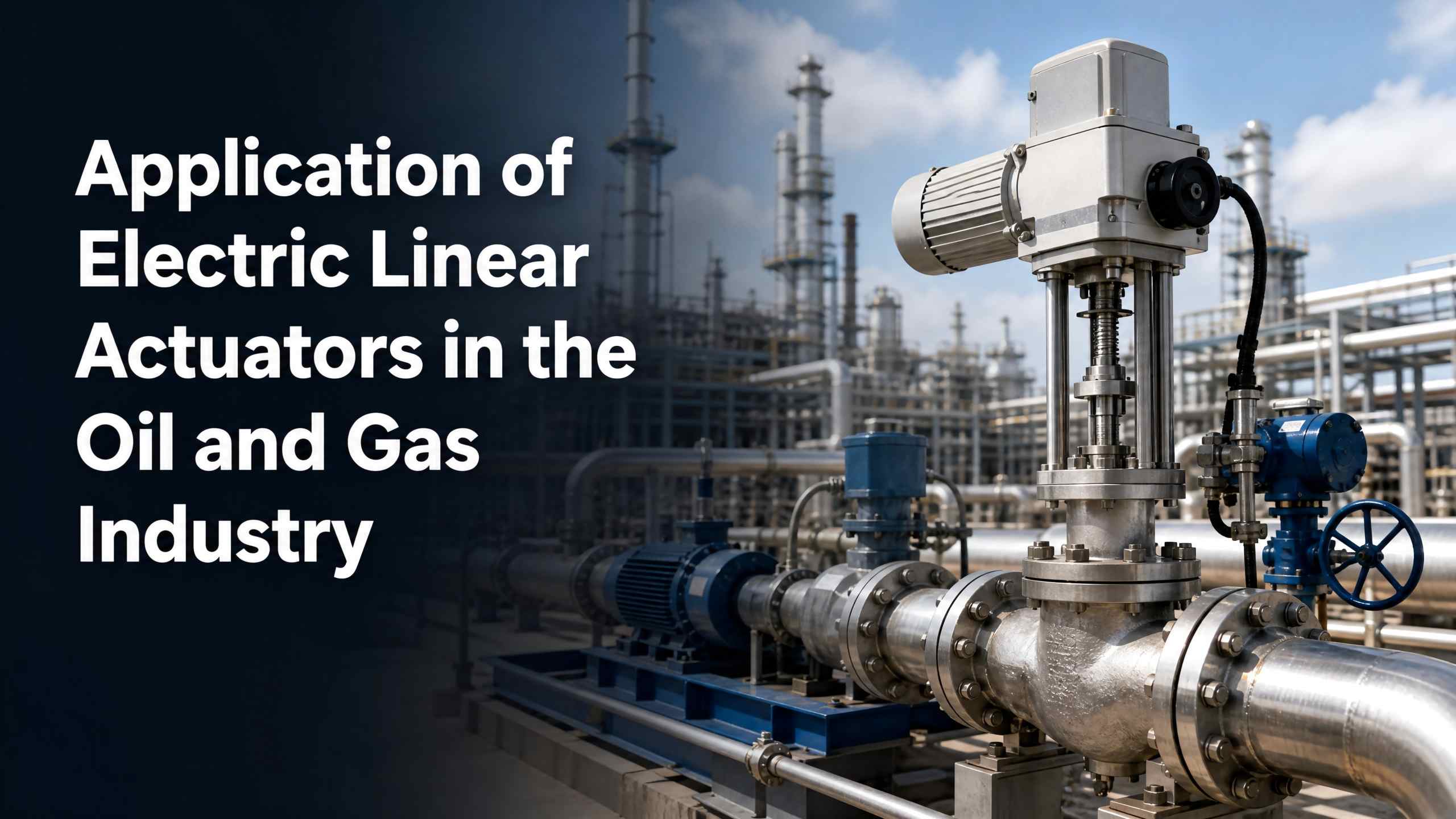
This paper introduces Valen Tech electric linear actuators, analyzing their advantages, valve applications, full‑scenario adaptability and selection points in the oil‑gas industry. It compares them with traditional actuators and offers troubleshooting solutions, illustrating their role in driving intelligent upgrades for the sector.
Application of Electric Linear Actuators in the Oil and Gas Industry

This document describes the full‑site commissioning workflow for intelligent electric valve actuators, including preparation, calibration, safety tests, acceptance and common‑fault troubleshooting.
How to Commission Intelligent Electric Valve Actuators?
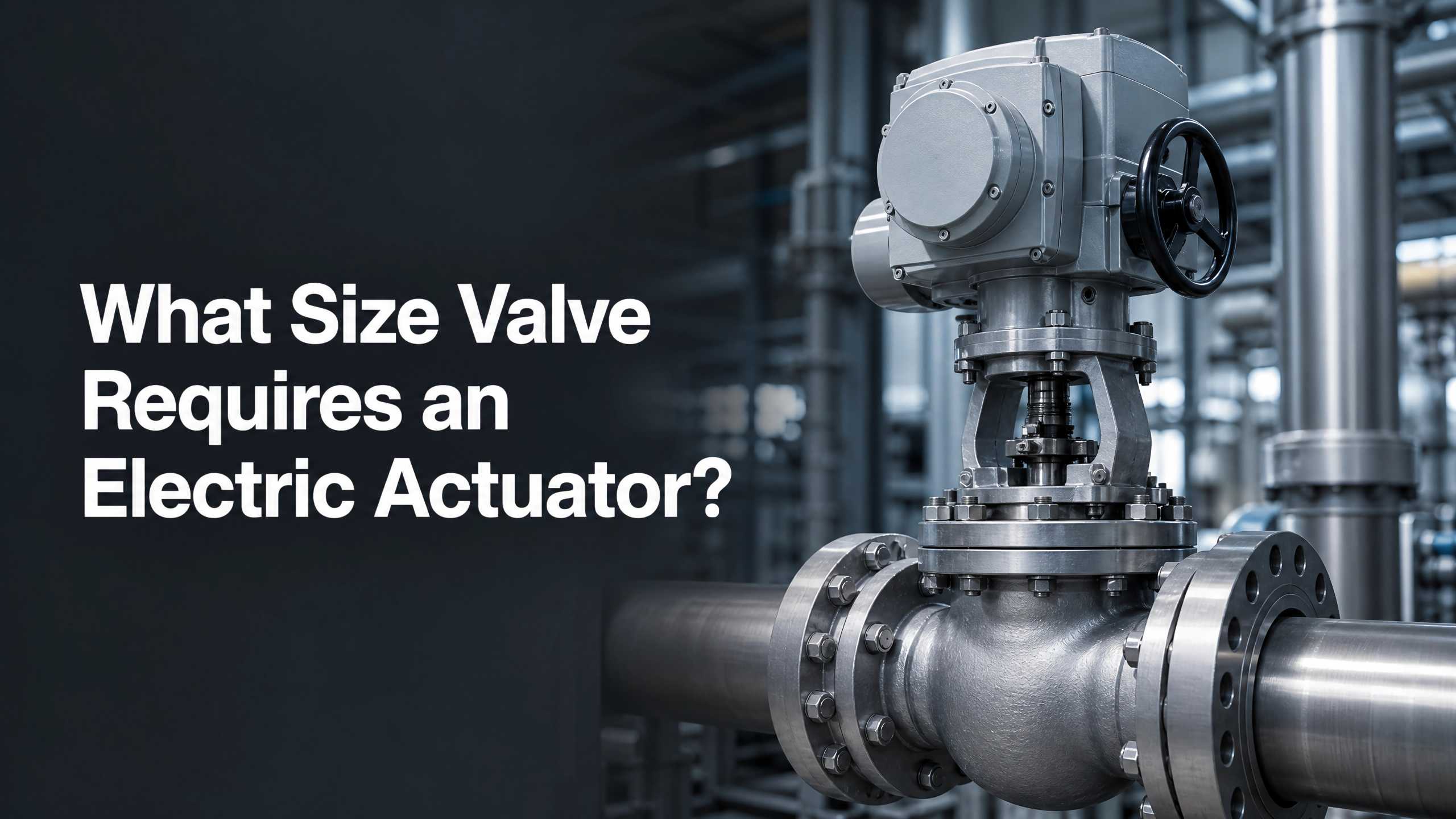
This guide outlines electric actuator selection for valves. Large valves (DN>200) usually need electric actuators, medium ones rely on working conditions, and small valves are mostly manual. Pressure, media and precision affect selection, requiring proper torque margin.
What Size Valve Requires an Electric Actuator?