
Hazards of Misusing Large-Stroke Actuators on Low-Torque Valves
author: ATHENA GROUP
2026-05-19
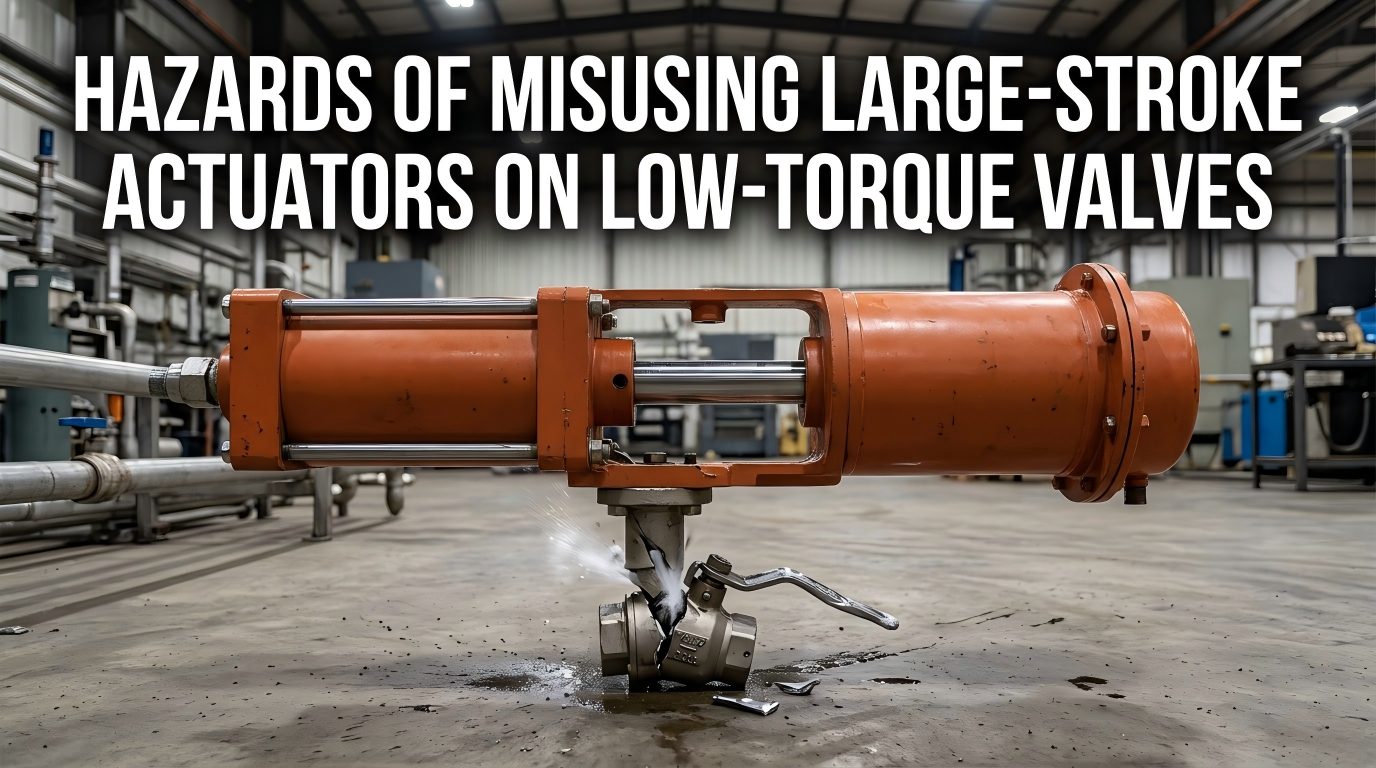
In the field of industrial automation and control, precise matching between valves and actuators is the cornerstone of safe and stable system operation. However, in practical engineering applications, engineers are often highly sensitive to torque matching while easily overlooking the importance of stroke matching.
Basic Definitions of Low-Torque Valves and Large-Stroke Actuators
Low-Torque Valves
These valves require low operating torque for opening and closing, with conventional torque values below 200 N·m. They are widely used in small and medium-diameter pipelines. Common types include small ball valves (DN15–DN100), light-duty butterfly valves, sanitary diaphragm valves, low-pressure gate valves, etc., which are mostly used in low-pressure flow and clean fluid delivery scenarios.
Large-Stroke Actuators
These are driving devices whose actual output stroke far exceeds the rated working stroke of the valve, including extended-stroke pneumatic actuators, large-size multi-turn electric actuators, high-thrust linear actuators, etc. The core conflict between the two is that the excessive output stroke and surplus torque of large-stroke actuators are seriously inconsistent with the lightweight and low-load operation design of low-torque valves.
Seven Core Hazards Caused by Mismatched Use
1.Valve Stem Deformation and Fracture, Sudden Equipment Shutdown
Low-torque valves feature slender valve stems with low structural strength, only suitable for low-load opening and closing conditions. The output torque of large-stroke actuators far exceeds the bearing limit of valve stems. Long-term use is prone to valve stem twisting, bending, thread slipping, and even direct fracture in severe cases, forcing emergency shutdown of production lines and fluid pipelines and affecting the overall production schedule.
2.Damage to Sealing Components and Media Leakage
Large-stroke actuators push the valve beyond the standard closing stroke, forcibly squeezing vulnerable parts inside the valve such as PTFE seats, elastic sealing rings, and packing seals, resulting in seal deformation, accelerated aging, and cracking failure. Eventually, internal and external leakage of the valve occurs, which not only causes industrial media loss but also brings environmental emission risks and significantly increases the frequency of seal replacement.
3.Reduced Regulation Accuracy and Unbalanced Pipeline Conditions
Most low-torque valves are used for precise flow regulation, suitable for fine automatic control scenarios such as HVAC water supply, food and pharmacy, and wastewater treatment. After being equipped with large-stroke actuators, over-travel regulation and excessive opening/closing impact are prone to occur, triggering pipeline water hammer, directly disrupting automatic control parameters, leading to inaccurate fluid flow and pressure regulation, and making production conditions difficult to stably control.
4.Sharply Increased Energy Consumption and Severe Resource Waste
Electric large-stroke actuators have higher operating power, with a sharp increase in no-load and start-stop power consumption; pneumatic large-stroke actuators consume far more air supply than standard specifications. Long-term use will increase the operating load of air compressors, and the overall power, water, and air supply energy consumption of the plant will continue to rise, resulting in high long-term cumulative production costs.
5.Doubled Installation and Operation Costs and Extremely Low Cost-Effectiveness
The procurement cost of large-stroke actuators is much higher than that of properly sized products for the same working conditions, with a price increase of 30%–80%; meanwhile, the equipment is heavier and requires reinforced special mounting brackets, increasing construction and installation costs. Coupled with frequent equipment failures, costs for spare parts procurement, manual maintenance, and shutdown maintenance rise simultaneously, greatly reducing the full-life-cycle cost-effectiveness.
6.Major Potential Safety Hazards in High-Risk Working Conditions
In high-risk applications such as emergency shut-off valves, fire pipelines, and oil and gas transmission, excessive torque is likely to cause the valve to jam and fail to close, or the valve stem to fracture resulting in uncontrolled full opening of the valve. In the event of an emergency, the valve cannot respond quickly to opening/closing commands, easily leading to industrial safety accidents.
7.Drastically Shortened Service Life of Actuators
When operating with light low-torque valves for a long time, the gearboxes, limit switches, and drive motors of large-stroke actuators frequently bear impact loads, frequently suffering from overload jamming, limit failure, motor overheating tripping and other faults. Their normal service life is greatly reduced, requiring repair or replacement in a short time.
Practical Guidelines for Precise Matching of Valves and Actuators
1.Accurately Calculate the Actual Opening and Closing Torque of the Valve
Comprehensively calculate static torque, dynamic flow torque, and opening/closing seat sealing torque, with a reasonable safety factor of 1.1–1.3 times. It is strictly prohibited to use a safety factor exceeding 1.5 times to avoid excessive torque.
2.Strictly Match the Rated Working Stroke
90° rotary-stroke valves shall only be equipped with standard 90° rotary-stroke actuators; linear-stroke valves shall be selected strictly in accordance with the rated stroke in millimeters of the valve. Extended-stroke models are prohibited without special working conditions.
3.Select the Driving Type According to Valve Category
Select rotary-stroke actuators for ball valves and butterfly valves; multi-turn actuators for gate valves and globe valves; short-stroke linear actuators are preferred for diaphragm valves.
4.Comply with General Industry Connection Standards
Select models strictly in accordance with ISO 5211 for rotary stroke and ISO 5210 for multi-turn flange connection standards to ensure seamless matching of valve stem diameter and mounting flange.
Summary
Applying a large-stroke actuator to a low-torque valve is by no means a reliable engineering selection. On the contrary, it is a high-risk and high-cost mismatched combination. ValenTech adheres to the principle of precise matching to help you reduce costs and improve efficiency. For details, visit:www.valen-tech.com
Comprehensive Analysis of IP Rating Markings
what is an actuator valve?
Related Article
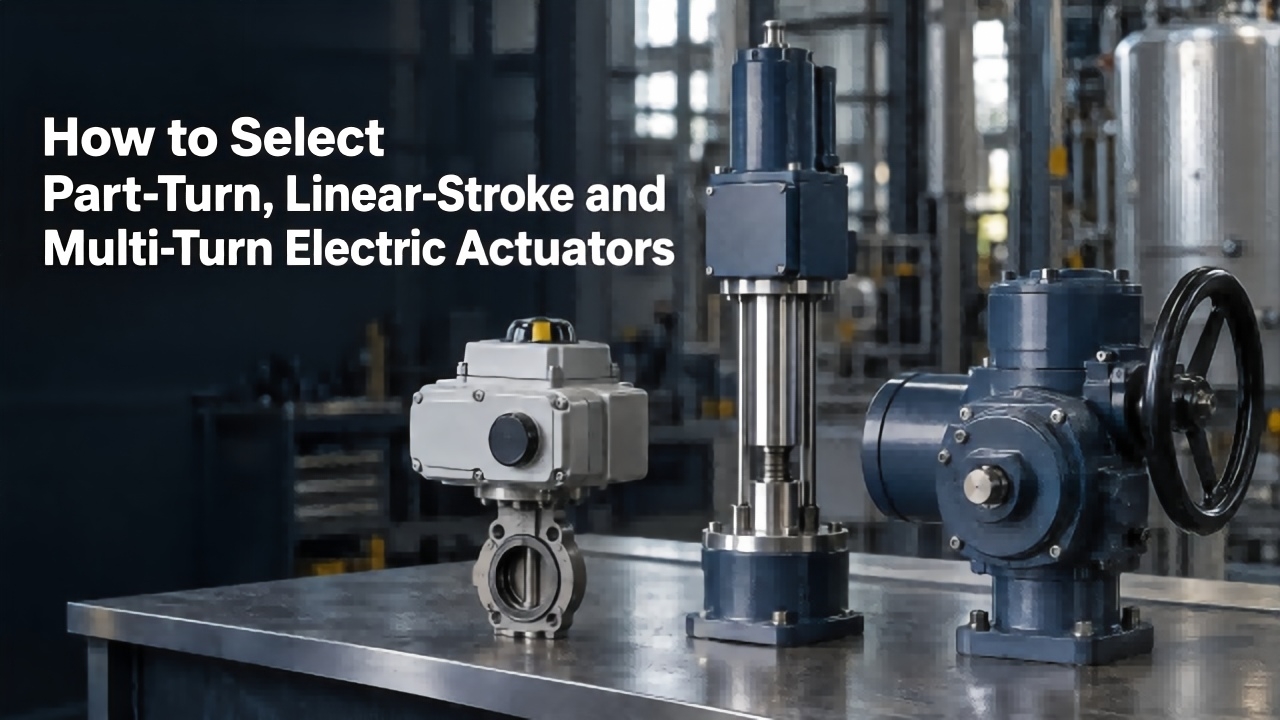
Learn differences among part‑turn, linear‑stroke and multi‑turn electric actuators. This guide covers matching valves, torque‑thrust calculation, 5‑step selection process and typical pitfalls for your industrial actuator applications.
How to Select Part‑Turn, Linear‑Stroke and Multi‑Turn Electric Actuators
Learn about electric actuator response speed, internal and external influencing factors and key selection points, to select suitable actuators for valve automation projects and ensure efficient and stable system operation.
Response Speed of Switch‑Type Electric Actuator
Valve Actuator Wiring describes wiring, commissioning and troubleshooting for electric valve actuators, guiding technicians to adopt standard wiring for stable industrial control.
Valve Actuator Wiring
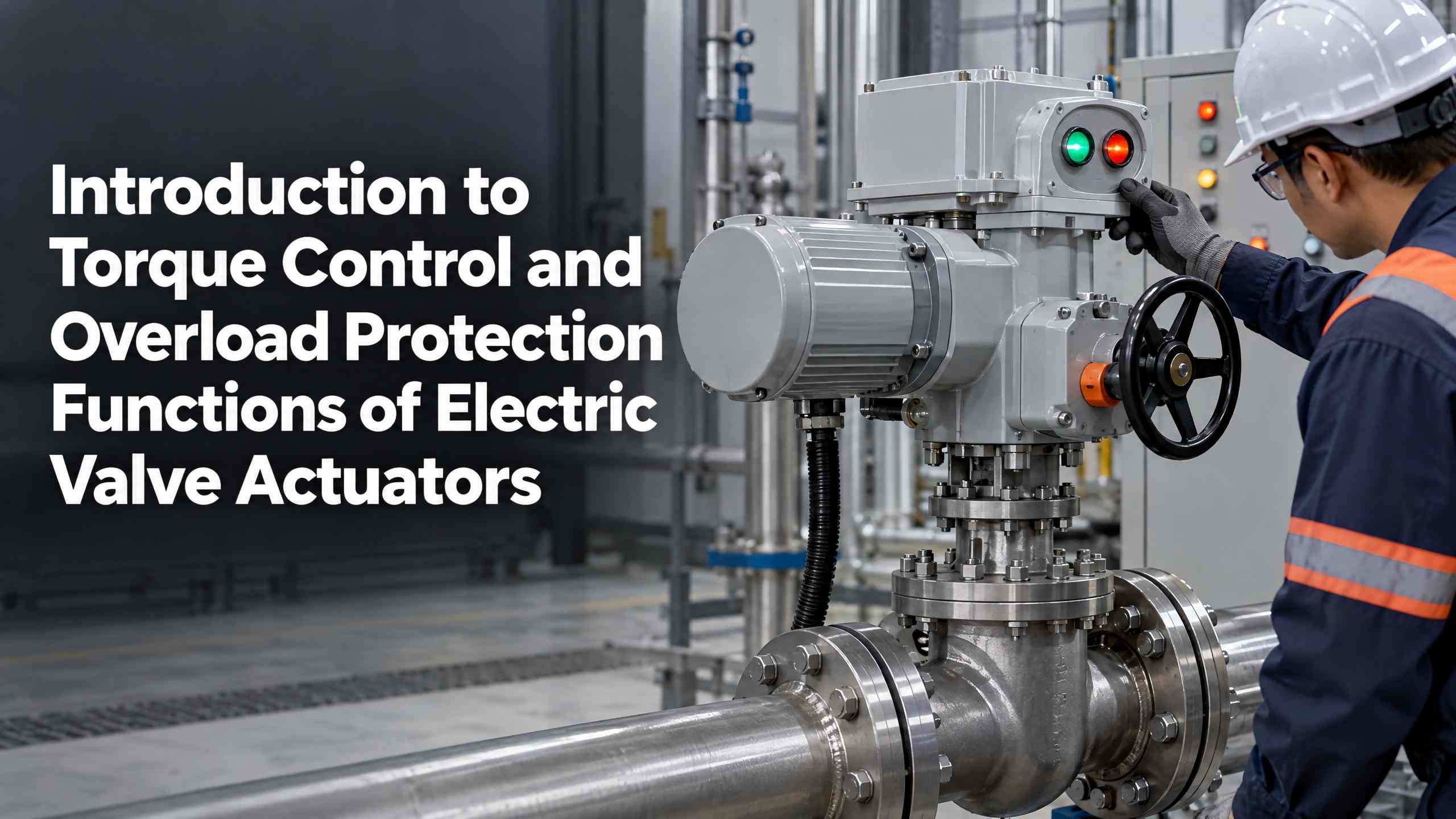
Valen Tech explains electric valve actuator torque control and overload protection functions. Learn how multi‑turn & part‑turn actuators prevent jamming and mechanical damage for petroleum, chemical, power and water pipeline systems.
Introduction to Torque Control and Overload Protection Functions of Electric Valve Actuators