
How Do Actuators Work?
author: ATHENA GROUP
2026-01-06
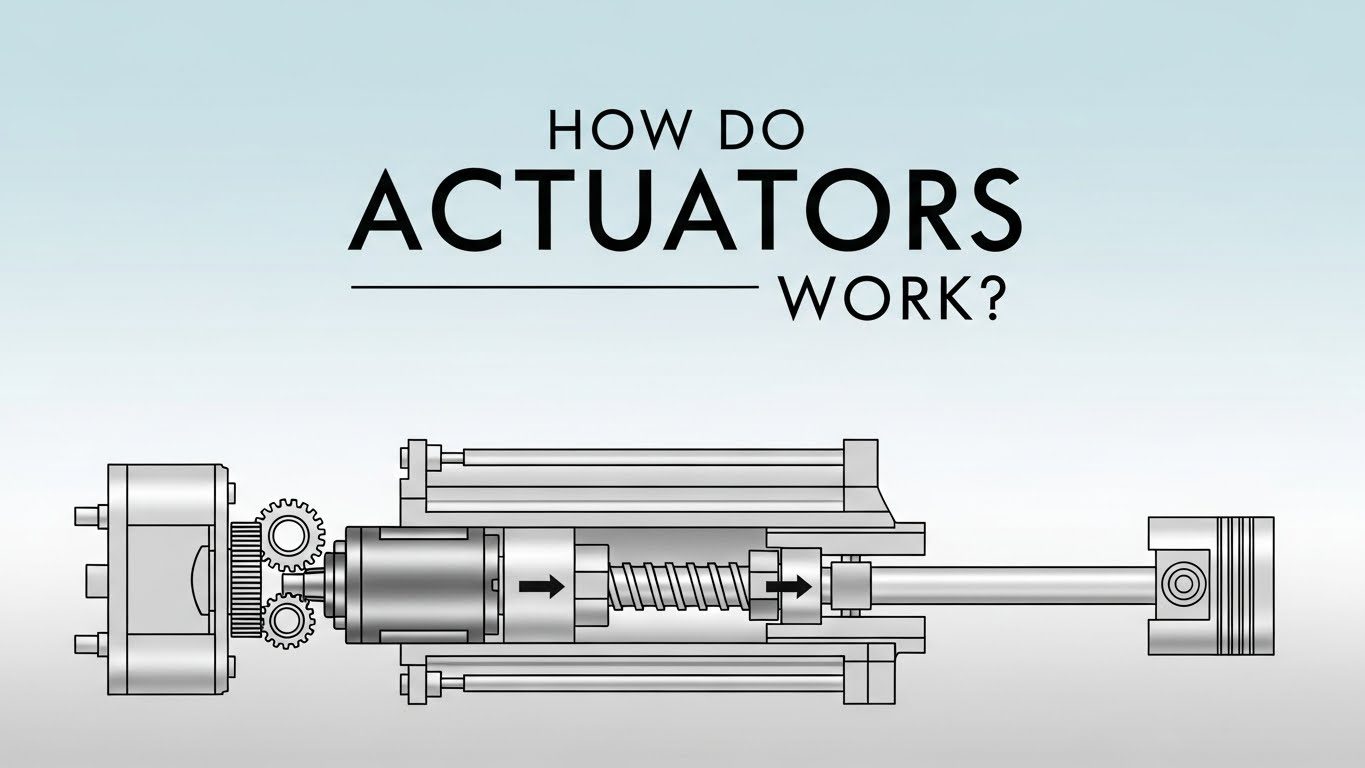
In modern industrial automation systems, valve actuators are the core components for controlling fluid flow. Whether in the oil and gas, chemical, power, or water treatment industries, a high-performance and high-reliability actuator can not only improve system efficiency but also significantly reduce maintenance costs and downtime risks. This article provides a comprehensive analysis of the working principle, main types of actuators, and their development trends in 2026.
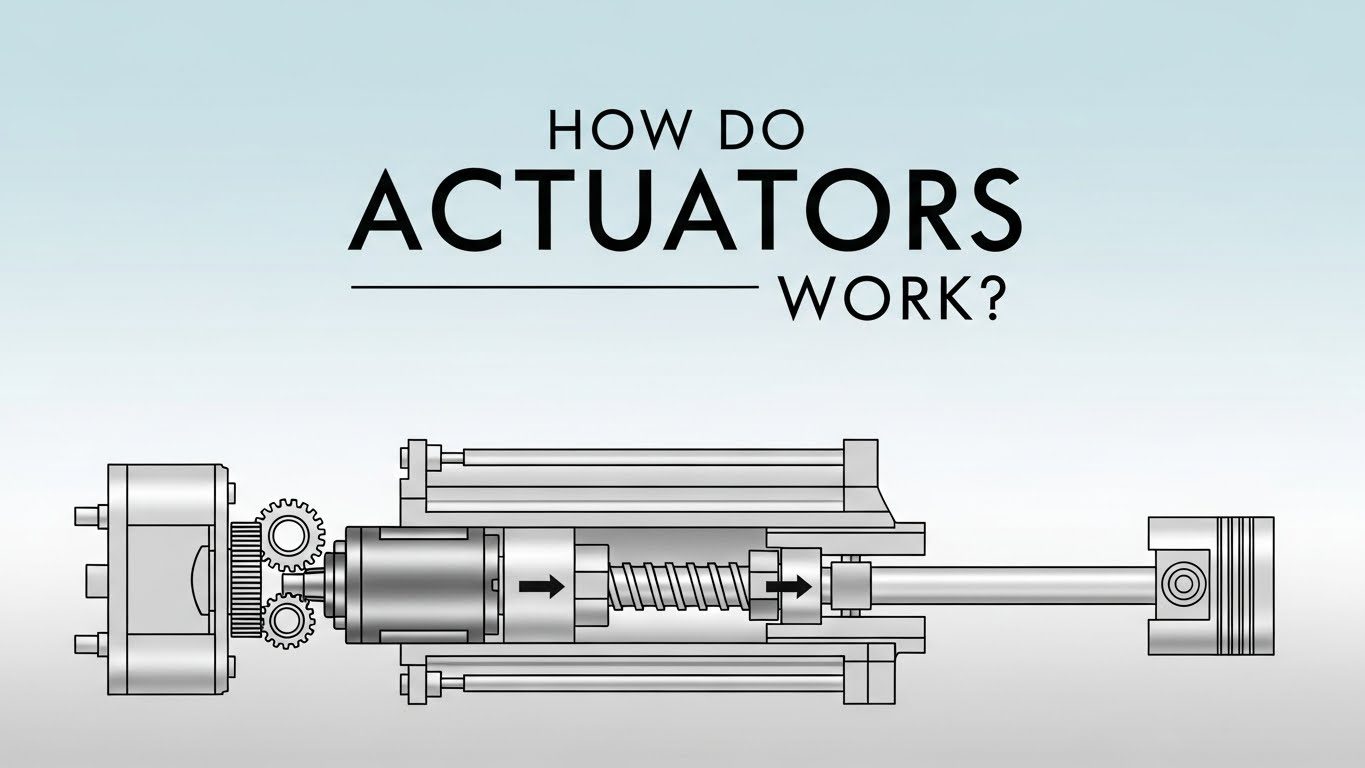
I. Core Definition of Actuators
Simply put, an actuator is an energy conversion device. Its essential function is to receive control signals (instructions) and energy (electricity, air pressure, or hydraulic pressure) and convert them into mechanical motion.
This motion is usually divided into two forms:
- Part-turn: Used for ball valves, butterfly valves, etc., typically rotating within a 90° range.
- Linear: Used for gate valves, globe valves, etc., generating linear thrust.
Ⅱ. Comparison of Main Actuator Types: Technical Selection Analysis
Industrial applications have diverse requirements for actuators, leading to the development of various types. Choosing the right type is the first step toward achieving efficient automation. The table below compares three of the most common types of valve actuators:
| Characteristics | Electric Actuator | Pneumatic Actuator | Hydraulic Actuator |
| Energy Source | Electricity (AC/DC) | Compressed air | Hydraulic oil |
| Control Precision | Extremely high (easy to achieve precise regulation) | Medium (affected by air supply pressure fluctuations) | High (suitable for precise control under large thrust) |
| Response Speed | Slow (depends on motor and transmission ratio) | Extremely fast (suitable for emergency shutdown) | Fast |
| Thrust/Torque | Wide range, easy to expand | Medium, limited by cylinder size | Extremely high (suitable for large high-pressure valves) |
| Environmental Adaptability | Susceptible to moisture and high temperatures | Intrinsically safe (suitable for explosive-proof areas) | High maintenance requirements, risk of leakage |
| Integration | Easy to integrate with DCS/PLC systems | Requires additional air supply and pipelines | Requires hydraulic station and pipelines |
Ⅲ.Classification by Motion Form: Matching Valve Structure
The mechanical motion form output by the actuator must match the type of valve it drives:
3.1 Rotary & Multi-turn
This type of actuator outputs rotational motion.
3.1 Rotary & Multi-turn
This type of actuator outputs rotational motion.
- Part-turn: Rotation angle less than 360 degrees, usually 90 degrees, suitable for ball valves, butterfly valves, etc.
- Multi-turn: Rotation angle greater than 360 degrees, suitable for gate valves, globe valves, and other valves that require multiple rotations to complete opening and closing.
3.2 Linear
This type of actuator outputs linear thrust or pull force, mainly used to drive control valves (such as single-seat valves, double-seat valves) or diaphragm valves to achieve precise flow regulation.
This type of actuator outputs linear thrust or pull force, mainly used to drive control valves (such as single-seat valves, double-seat valves) or diaphragm valves to achieve precise flow regulation.
Ⅳ.Conclusion: Professional Selection = Safety + Efficiency + Energy Conservation
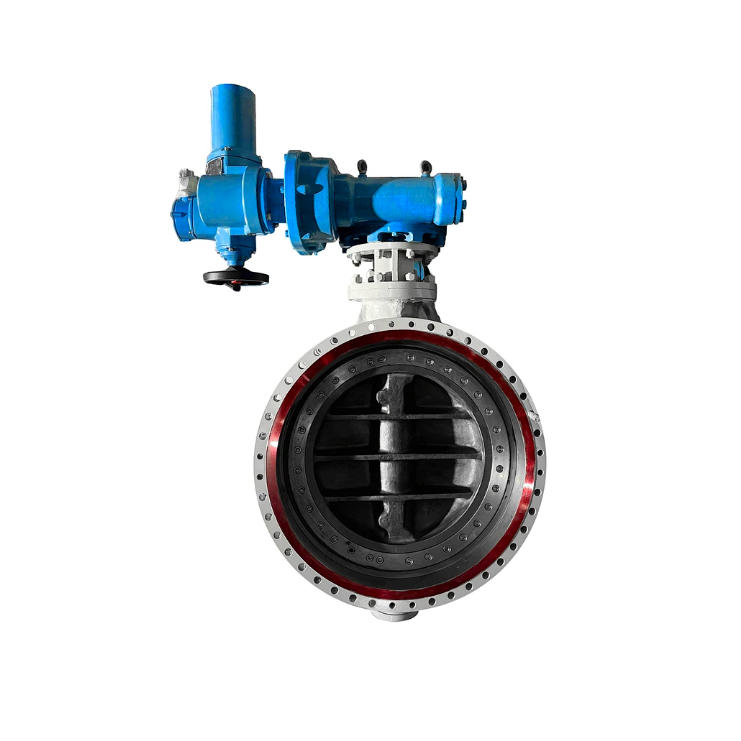
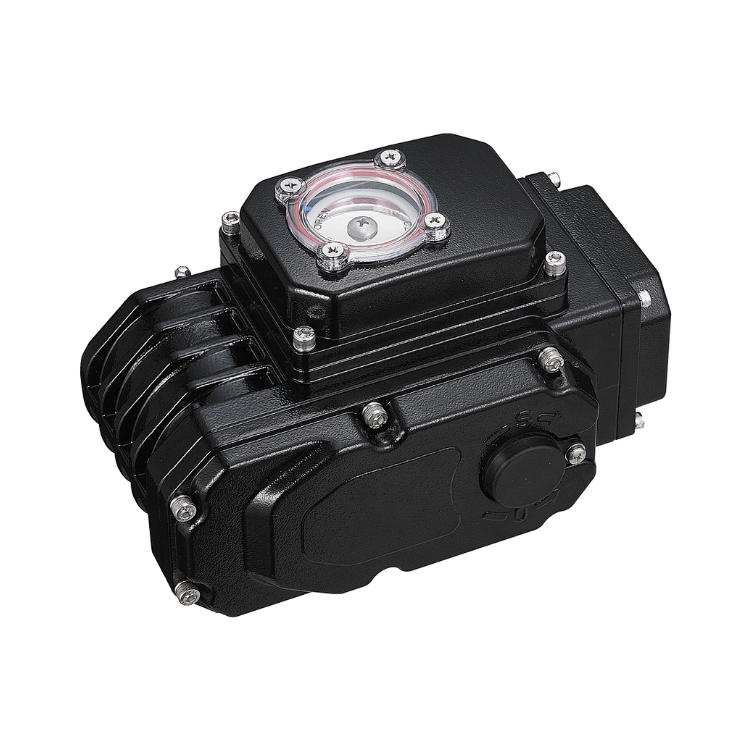
Choosing the right valve actuator is not only a technical decision but also an investment in the reliability and sustainability of the entire production system. Our actuators are SIL 2/3 certified. If you are planning your next automation project and need professional actuator selection advice, please contact ValenTech's expert team immediately. With ValenTech's leading technology and products, we will provide you with the most optimized and future-oriented valve automation solution based on your specific working conditions.
ValenTech VTEM Electric Actuators Power Athena Group's Landmark Iraqi Energy Project
What is the Key Limitations of a Scotch Yoke Actuator
Related Article
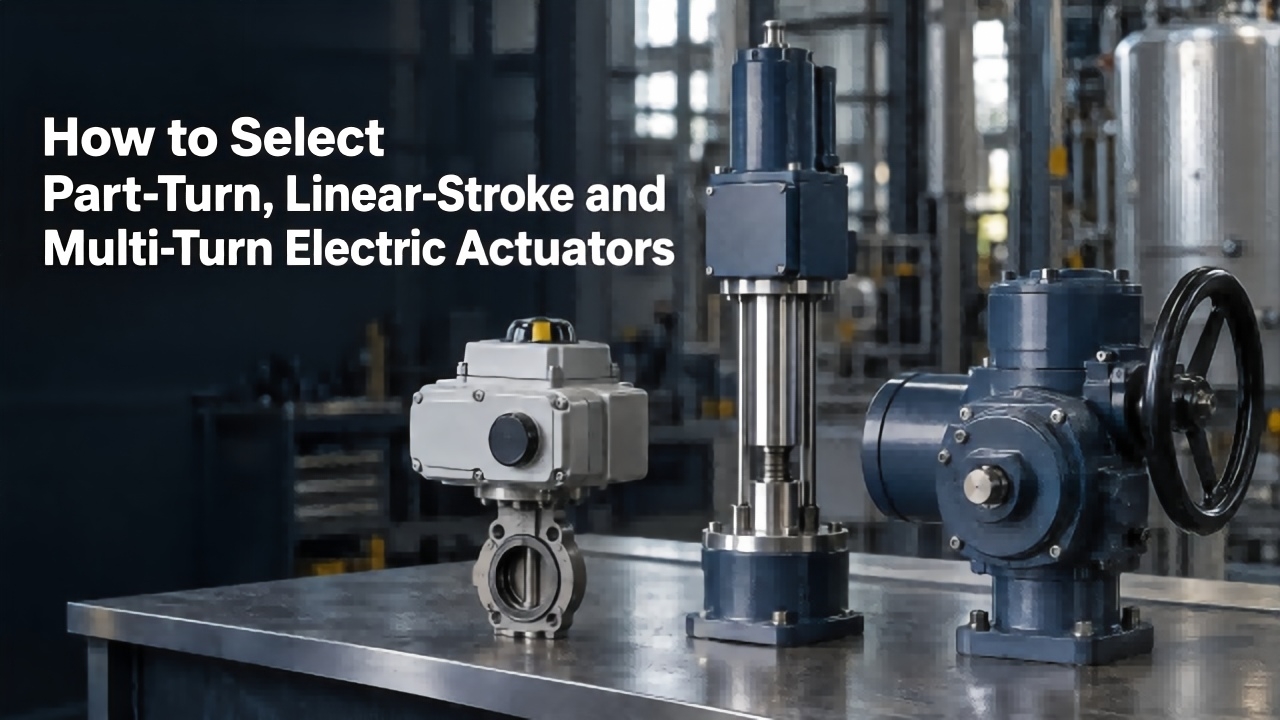
Learn differences among part‑turn, linear‑stroke and multi‑turn electric actuators. This guide covers matching valves, torque‑thrust calculation, 5‑step selection process and typical pitfalls for your industrial actuator applications.
How to Select Part‑Turn, Linear‑Stroke and Multi‑Turn Electric Actuators
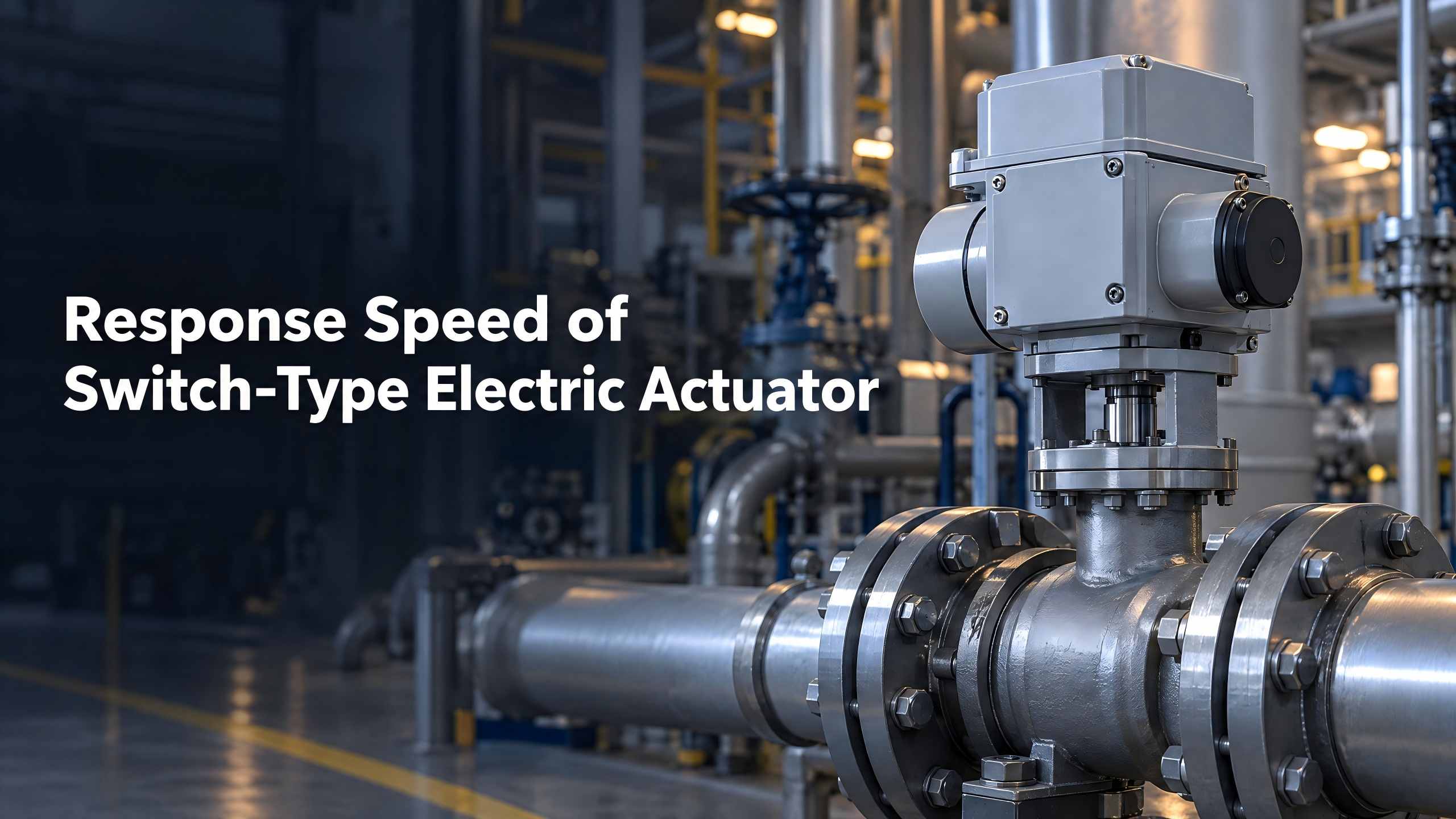
Learn about electric actuator response speed, internal and external influencing factors and key selection points, to select suitable actuators for valve automation projects and ensure efficient and stable system operation.
Response Speed of Switch‑Type Electric Actuator
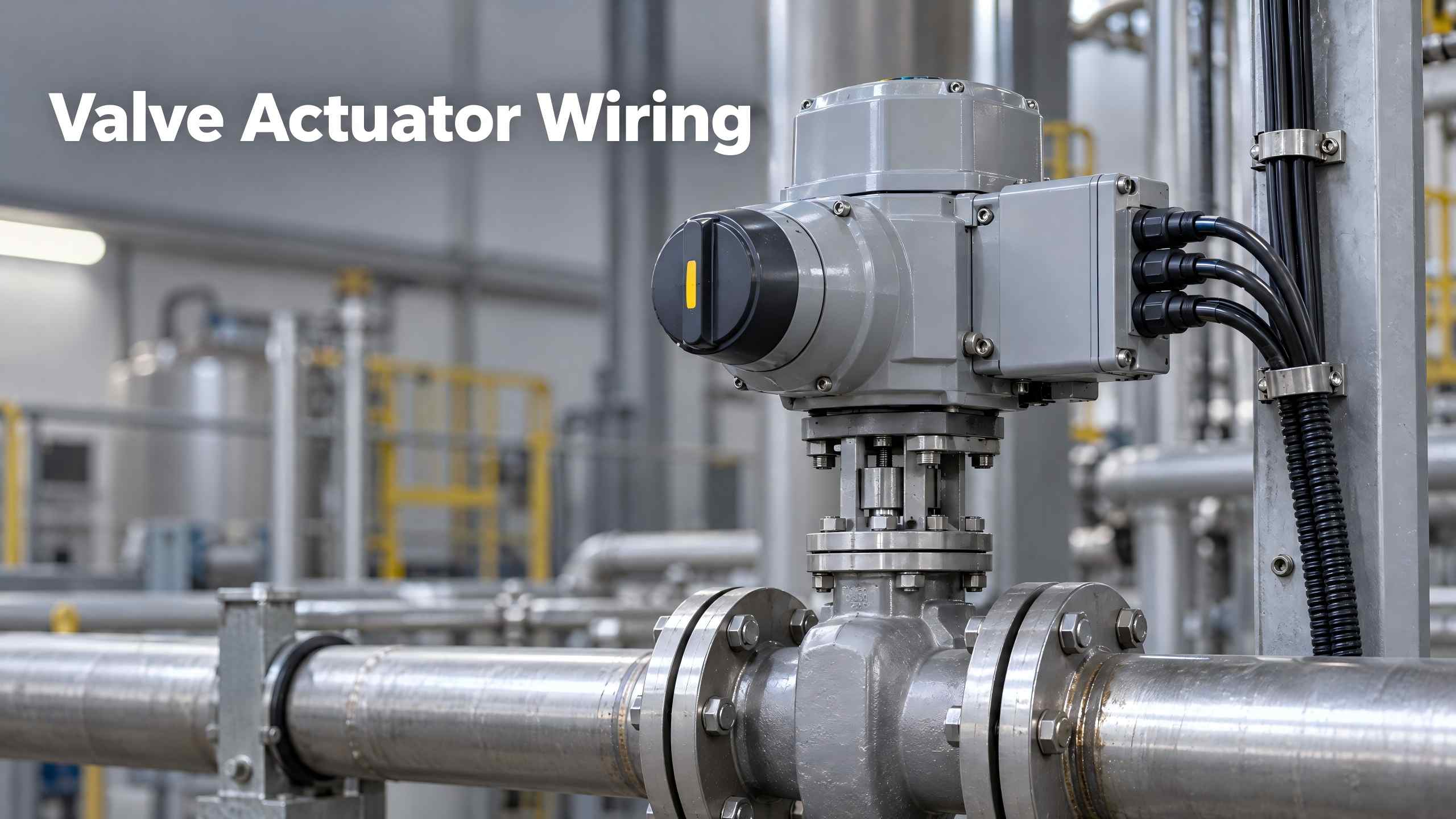
Valve Actuator Wiring describes wiring, commissioning and troubleshooting for electric valve actuators, guiding technicians to adopt standard wiring for stable industrial control.
Valve Actuator Wiring
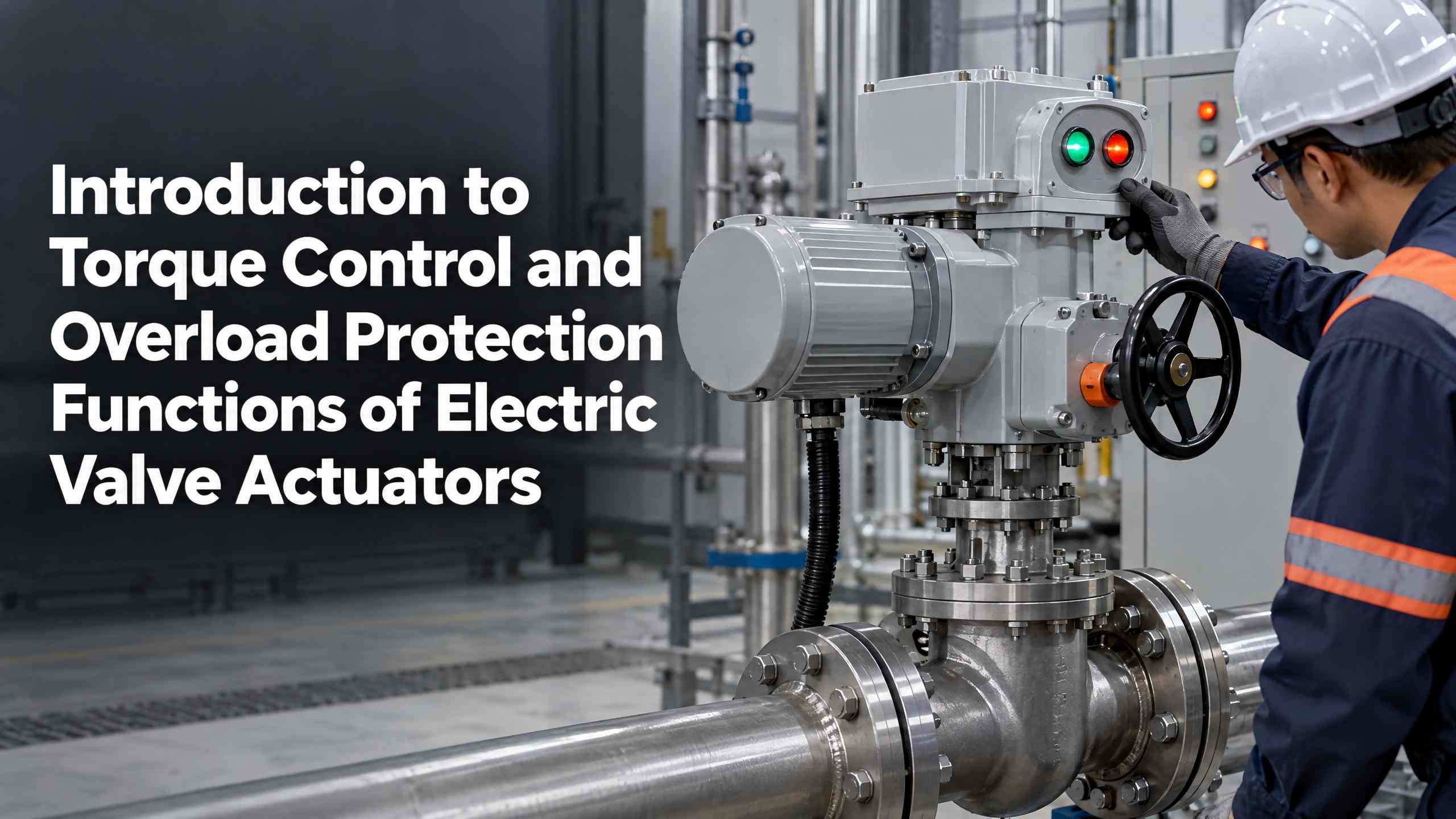
Valen Tech explains electric valve actuator torque control and overload protection functions. Learn how multi‑turn & part‑turn actuators prevent jamming and mechanical damage for petroleum, chemical, power and water pipeline systems.
Introduction to Torque Control and Overload Protection Functions of Electric Valve Actuators