How to Choose the Right Heavy-Duty Pneumatic Actuator for Bulk Orders
How to Choose the Right Heavy-Duty Pneumatic Actuator for Bulk Orders
If you’re in charge of sourcing industrial equipment, you already know one thing: not all pneumatic actuators are created equal. Whether you're managing procurement for a valve automation project, a pipeline expansion, or an OEM production line, selecting a good-quality heavy-duty pneumatic actuator matters — not just for performance, but also for long-term reliability and cost-efficiency.
Here’s a guide to help you make the right call when buying in bulk.
1. Stick With Manufacturers That Know Industrial-Grade Performance
When you're buying actuators for heavy use, experience matters. You're not just looking for a supplier — you're looking for a partner who understands high-pressure, high-cycle environments.
Look for a manufacturer that:
Has been in the actuator business for 10+ years
Regularly serves industries like oil & gas, water treatment, or chemical processing
Can provide certifications like ISO 9001, CE, or ATEX
These aren’t just badges — they show the company knows how to build actuators that last in tough conditions.
2. Know What’s Inside — Materials Make the Difference
When you're sourcing heavy-duty pneumatic actuators, don't just look at outer specs or price tags. What really matters is the quality of materials inside — because these directly affect the actuator’s durability, performance, and safety over time.
▶ Housing and End Caps
The body and end caps of the actuator are its first line of defense against corrosion, pressure, and environmental wear.
Aluminum (anodized or hard-coated) is a popular choice for its strength-to-weight ratio and corrosion resistance.
For especially corrosive environments (like offshore oil rigs or chemical plants), stainless steel is often preferred, though it's heavier and more costly.
▶ Piston and Rack
The pistons transfer air pressure into mechanical motion — if these fail, the actuator fails.
Look for aluminum alloy pistons for light weight, or carbon steel pistons with special coatings (like nickel or zinc plating) for durability.
Some actuators use composite pistons in lightweight models, but they must be tested for high-load applications.
▶ Pinion (Central Shaft)
This is the most stressed part in a rack-and-pinion actuator, and it must be built tough.
A nickel-plated or hard-chromed carbon steel pinion is ideal for resisting wear.
For food-grade or sanitary environments, stainless steel may be required by regulation.
▶ Seals and O-Rings
You don’t want air leaks or premature failure due to poor sealing.
High-quality Viton, NBR (Nitrile Rubber), or EPDM seals ensure long life and better performance under varying temperatures.
Avoid generic rubber — it degrades quickly, especially under temperature swings or chemical exposure.
▶ Springs (for Spring Return Models)
In spring-return models, the actuator uses preloaded springs to move the valve back to its fail-safe position.
Choose high-strength steel springs with anti-corrosion coatings.
Poor spring quality leads to failure during emergencies — the last thing you want in a shutdown scenario.
▶ Guide Bushings and Bearings
These components reduce friction and guide smooth movement.
Quality bushings are often PTFE-coated (Teflon) or bronze-lined.
This detail may seem small but it dramatically improves lifespan and operating efficiency.
Why It Matters
If you're ordering 50, 100, or even 500+ actuators, internal material quality will directly influence your total cost of ownership. A cheaper actuator with subpar seals or pinion wear can result in repeated failures, downtime, and expensive replacements.
So before you place a large order, ask the manufacturer for:
A material specification sheet
Internal exploded view drawings
A sample unit to inspect before approval
This step helps ensure you're not just buying actuators — you're investing in long-term system reliability.
3. Make Sure It Delivers the Torque You Actually Need
It's not just about whether the actuator fits the valve — it’s whether it has enough torque to turn it under pressure, in real-world conditions.
Here’s what to confirm:
Maximum operating pressure (often 6–8 bar for pneumatic models)
Torque curve — how it performs throughout the stroke
Any margin above your valve’s required torque (you want at least 20% headroom)
A good supplier should help you size actuators properly — especially if you’re ordering a few hundred or more.
4. Ask How Long It Will Last — and What Testing It’s Been Through
You don’t want actuators that will fail a year in. So ask about lifecycle and testing:
What’s the expected cycle life under full load?
Are actuators tested at the factory for leaks and stroke performance?
Can they provide batch or serial-number test reports?
If they can’t answer these questions clearly, move on.
5. Always Request Samples Before Placing a Large Order
It’s standard in B2B procurement: ask for 1–3 samples first. Test them internally or on a limited site installation.
Also ask:
Can they provide reference projects in your industry?
Do they have customer feedback or testimonials?
Will they support you with integration or commissioning?
A serious supplier will see this as a normal part of doing business.
6. Can the Actuator Be Customized to Fit Your System?
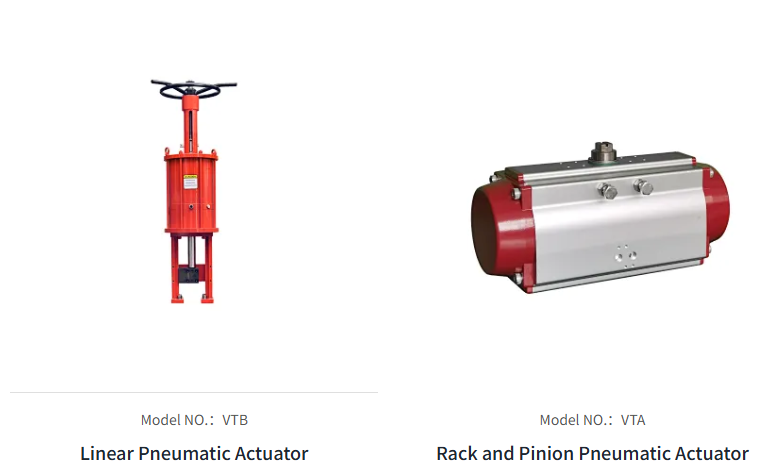
If your valves are custom, your actuators might need to be, too. Look for modular actuator designs that allow:
ISO 5211 flange options
Limit switch boxes, solenoid valves, and positioners
Manual override gearboxes or handwheels
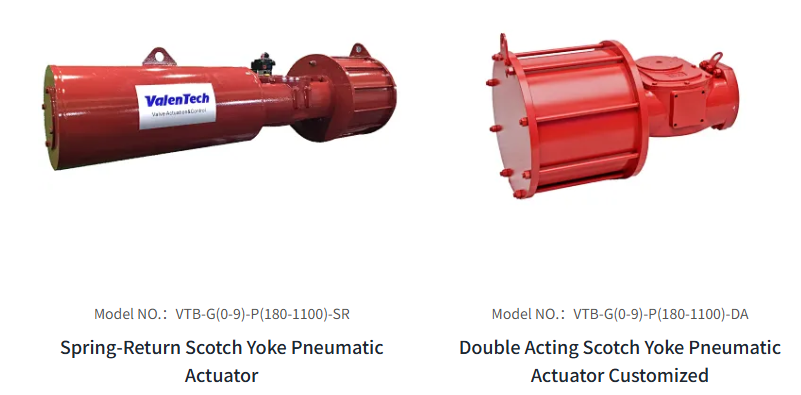
Spring-return or double-acting setups
Having these options upfront makes integration far easier down the line.
7. Plan Ahead for Maintenance and Spare Parts
Heavy-duty doesn’t mean maintenance-free. Over time, your maintenance team will need access to:
Seal kits, springs, pistons
Technical diagrams and service manuals
Ongoing product support from the supplier
Make sure they’re not just selling you the actuator — but also helping you maintain it.
8. Logistics and Production Capacity Matter More Than You Think
If you're buying 100+ units, you need a supplier that can scale. Ask about:
Lead times for bulk orders
Whether they offer warehousing or JIT delivery
Packaging quality for sea freight or air freight
On-time delivery rate for past export orders
If you’re working against tight project deadlines, this part is just as important as the actuator specs.
9. Don’t Forget Warranty, Price Tiers, and Technical Support
Before you place that bulk order, lock in the business terms:
What warranty do they offer? (1–2 years is typical)
Do they have pricing brackets for 50, 100, 500 units?
Who’s your point of contact if something goes wrong after shipping?
Also check: do they have a support office or distributor in your country?
Buy Smart, Not Just Cheap
There’s always a cheaper actuator out there. But in B2B procurement, the real cost shows up later — in the form of downtime, maintenance, or customer complaints.
Choose a manufacturer who understands industrial needs, has a strong track record, and supports you through the entire lifecycle. That’s how you get peace of mind when buying in bulk.
Why Actuator Noisy?
What Defines a Heavy Duty Pneumatic Actuator?
Related Article