
How to Select a Suitable Motor Actuator Ball Valve?
author: ATHENA GROUP
2026-03-03
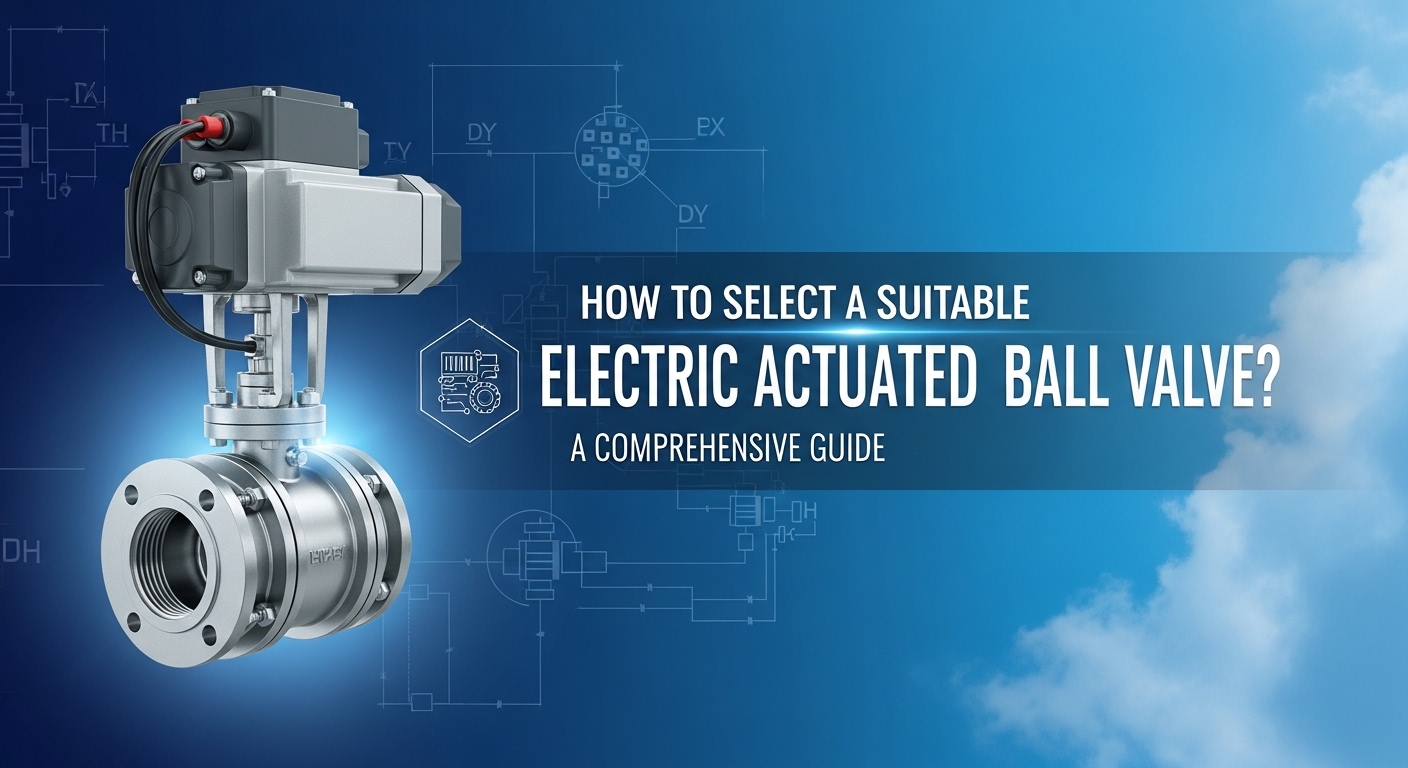
Nowadays, motor actuator ball valves have become an indispensable part of fluid control systems, playing a vital role in the automation upgrade of almost all fields and boasting an extensive range of applications. They offer more than just simple on-off control; they enable precise regulation and process optimization. In this guide, we will break down the core knowledge and key selection criteria for this valve type, helping you make the right decision and find the most suitable product based on your specific needs.
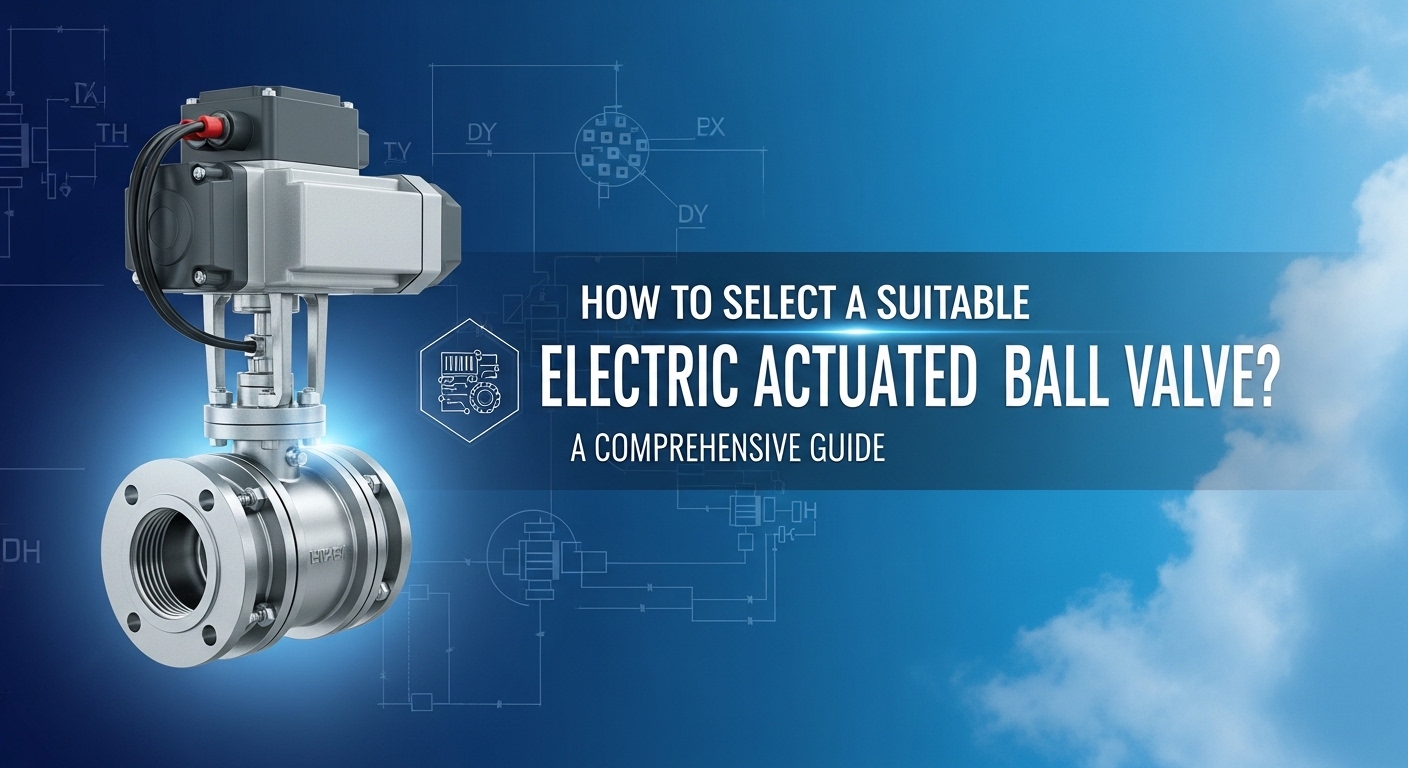
I. What is a Motor Actuator Ball Valve? An Analysis of Its Core Working Principle
Simply put, a motor actuator ball valve is an automated control device composed of an electric actuator and a ball valve body. Its core function is to drive the rotation of the ball through the electric actuator to realize the opening, closing or precise regulation of the valve.
Its working process can be easily understood as follows: After receiving signal instructions from the control system, the electric actuator energizes the synchronous motor, which drives the gear assembly to operate. The valve stem connected to the gear assembly then rotates clockwise or counterclockwise (usually by 90° or a specific angle). The spherical structure inside the valve body has a through hole, and the on-off or flow rate of the fluid can be controlled by rotating the ball.
Compared with manual valves, the biggest advantage of the motor actuator ball valve is remote operability. It can efficiently handle various media such as gas, liquid and slurry, greatly improving the efficiency and accuracy of fluid control. It is equivalent to equipping the pipeline system with an "automatic arm" that can accurately perform operations in accordance with control instructions.
II. Common Types of Motor Actuator Ball Valves: Select Precisely According to Needs
This valve type can be classified in various ways, and different types are suitable for different working conditions. Clarifying the classification is core to matching the application scenarios more accurately, which is also an important prerequisite for selection.
1. Classification by Control Function
- On-off Valves: The simplest and most widely used type, which can only realize full opening or full closing of the fluid. Suitable for scenarios with no precise requirements for flow regulation, such as on-off control of ordinary pipelines.
- Regulating/Proportional Control Valves: Equipped with an intelligent positioner, they can precisely adjust the opening angle of the ball according to the received input signals (e.g., 4-20mA, 0-10V) to achieve refined flow control. Some products can also integrate configurations such as automatic electrical return to realize fail-safe operation. Suitable for scenarios with high requirements for flow accuracy such as chemical industry and precision manufacturing.
2. Classification by Number of Ports
- Two-way Valves: The most common type with only one inlet and one outlet, controlling fluid flow in a single direction only. Suitable for most conventional fluid transportation scenarios.
- Three-way Valves: With three ports, they can realize fluid diversion, merging or path switching. Suitable for scenarios requiring complex flow control, such as fluid commutation and mixing control in chemical processes.
3. Classification by Valve Body Material
- Brass: Low cost, suitable for ordinary fluids such as water and air and non-corrosive liquids. Adapted to municipal water supply, ordinary industrial auxiliary pipelines and other scenarios for the motor actuator ball valve.
- Stainless Steel (SS304/SS316): Strong corrosion resistance, suitable for highly corrosive fluids. It also meets the sanitary standards and anti-corrosion requirements of industries such as food processing and chemical engineering, and is a commonly used material for this valve in industrial scenarios.
- Polyvinyl Chloride (PVC)/Plastic: Low cost and strong corrosion resistance, suitable for the control of highly corrosive fluids such as acids and alkalis, e.g., chemical wastewater treatment pipelines where the motor actuator ball valve is applied.
4. Classification by Connection Type
- Threaded Connection: Common in small valves, easy to install, usually adopting pipeline threads such as NPT. Suitable for small-diameter, low-pressure pipelines for the motor actuator ball valve.
- Flanged Connection: Suitable for large valves and high-pressure working conditions, with firm connection and good sealing performance. Adapted to large industrial pipeline systems.
- Clamped Connection: Easy to assemble and disassemble with good sanitary performance, commonly used in industries with high sanitary standards such as food and pharmaceutical industries for this valve type.
III. Core Advantages of Motor Actuator Ball Valves: Why They Become the Industrial First Choice?
Compared with other fluid control devices such as manual valves and solenoid valves, this valve has prominent advantages, which are also the core reasons for its wide application in various industries:
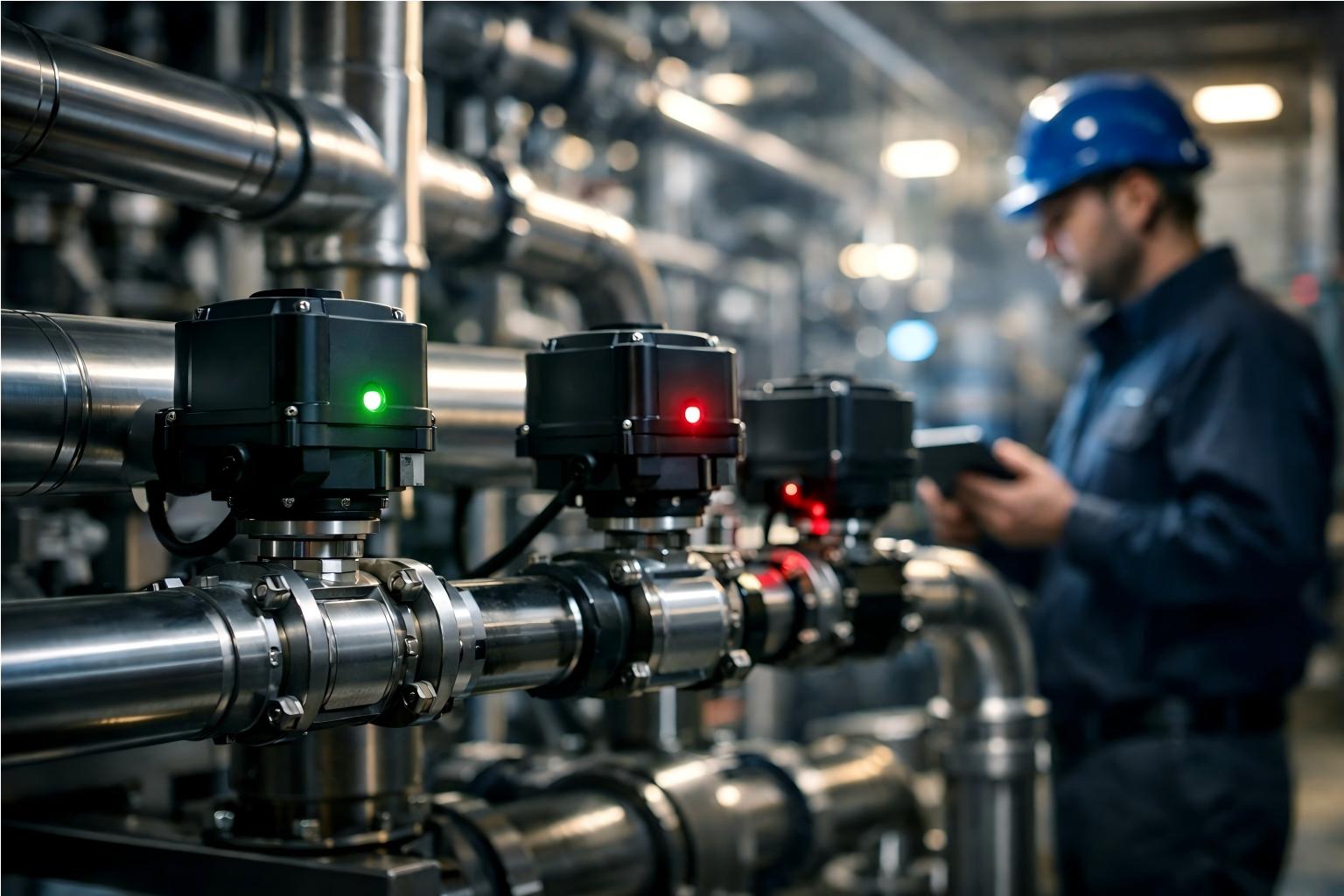
- Automation and Remote Control: It can be used in conjunction with DCS/PLC systems to achieve full automation and remote control, simplify work processes, support unattended scenarios, and greatly reduce labor operation costs and error rates.
- Precise Flow Control + Foolproof Protection: Regulating type products can realize refined flow control. At the same time, the progressive opening and closing method can effectively prevent water hammer, protect the pipeline system and extend the service life of equipment. The fail-safe configuration (such as automatic electrical return) of some motor actuator ball valve products can ensure system safety in case of power failure.
- Energy Saving and High Efficiency: From a thermodynamic perspective, the electric actuator only consumes energy during operation and stops consuming energy once it reaches the specified position. Compared with solenoid valves that need continuous energy consumption to maintain position, it has a more significant energy-saving effect.
- Durability and Reliability: With a stable structure, the motor actuator ball valve can adapt to harsh industrial environments (such as high temperature, high pressure and corrosive working conditions), featuring strong operational stability and low failure rate, which reduces the frequency of later maintenance.
IV. Core Selection Principles: Choose the "Suitable" One, Not the Expensive One
After understanding the basic information of the motor actuator ball valve, the core of selection is to "match the working condition requirements" — this is also the core pain point for users when searching for keywords such as "motor actuator ball valve selection" and "how to select this valve" on Google. Solving this pain point accurately is the key to maximizing the equipment's value.
Selection Criterion 1: Clarify Drive Parameters to Adapt to Working Conditions
The drive parameters of the electric actuator directly determine the adaptability of the valve and need to be accurately matched according to the working conditions:
- Drive Parameter Matching: Select the appropriate rated power, torque and rotational speed according to the working conditions. Choose low-torque, high-precision models for precision chemical scenarios; high-torque, explosion-proof models for oil and gas transportation scenarios; and conventional power models for ordinary scenarios such as municipal water supply for a balanced cost performance of the motor actuator ball valve.
- Protection Class (IP Rating): For outdoor or humid working conditions, select products with an IP rating of IP65 or above to prevent water vapor and dust from entering the actuator and affecting the service life of the equipment — a detail often overlooked by many engineers when selecting the motor actuator ball valve.
- Power Supply Type Matching: The power supply type of the electric actuator (AC 220V, 380V or DC 24V) must match the on-site power supply conditions to avoid equipment malfunction due to power supply incompatibility.
Misunderstanding Reminder: Do not blindly pursue high-end parameters. For example, selecting a high-torque explosion-proof model for ordinary municipal scenarios will cause resource waste; selecting products without explosion-proof function and insufficient torque for flammable and explosive scenarios will leave potential safety hazards for the motor actuator ball valve.
Before selection, it is essential to sort out your own working condition parameters first: medium type (whether flammable, explosive or corrosive), working pressure, temperature range, valve diameter, as well as whether remote control is required and the requirements for regulation accuracy of the motor actuator ball valve.
Before selection, it is essential to sort out your own working condition parameters first: medium type (whether flammable, explosive or corrosive), working pressure, temperature range, valve diameter, as well as whether remote control is required and the requirements for regulation accuracy of the motor actuator ball valve.
Selection Criterion 2: Focus on Precision and Stability, and Consider Later Maintenance
Combined with the functional characteristics of this valve, precision, stability and maintenance convenience are the keys to long-term use:
- Precision and Stability: For precision regulation scenarios (e.g., chemical reactors), select products with high precision and small error (positioning accuracy can reach ±0.5%) to ensure process stability; for large pipeline transportation scenarios, select products with stable operation and excellent sealing performance to avoid leakage and jamming.
- Maintenance Convenience: Prioritize products with detachable casings and built-in fault alarm functions to greatly reduce later maintenance costs and downtime losses of the motor actuator ball valve.
- Material Matching: Select the valve body material according to the corrosivity of the medium. For example, prioritize 316L stainless steel or plastic materials for corrosive media, and brass materials for ordinary fluids to extend the service life of the equipment.
Selection Criterion 3: Focus on Brand Reputation and After-sales Service
Products from high-quality brands have undergone strict factory inspections, with more guaranteed quality and mature industry case references available for motor actuator ball valve selection. Perfect after-sales service can respond quickly when equipment malfunctions, reducing downtime losses.
Many engineers easily overlook after-sales service, leading to delayed maintenance after equipment failure and affecting production progress. Therefore, when screening the motor actuator ball valve, it is recommended to prioritize brands with a sound after-sales service system, taking both product quality and later support into account.
Conclusion
Reject blind selection — only "adaptation" can release the maximum efficiency of the motor actuator ball valve. With a full-scenario product matrix of this valve (including corrosion-resistant, high-precision and explosion-proof series) and strict quality inspection, Valen Tech provides you with one-stop services from consultation to operation and maintenance. Let us help you accurately match your needs for the motor actuator ball valve, reduce operating costs and jointly create new value in fluid control.
Why Use a Spring-Return Scotch Yoke Pneumatic Actuator
6 Key Tips for Selecting the Right Pneumatic Valve
Related Article
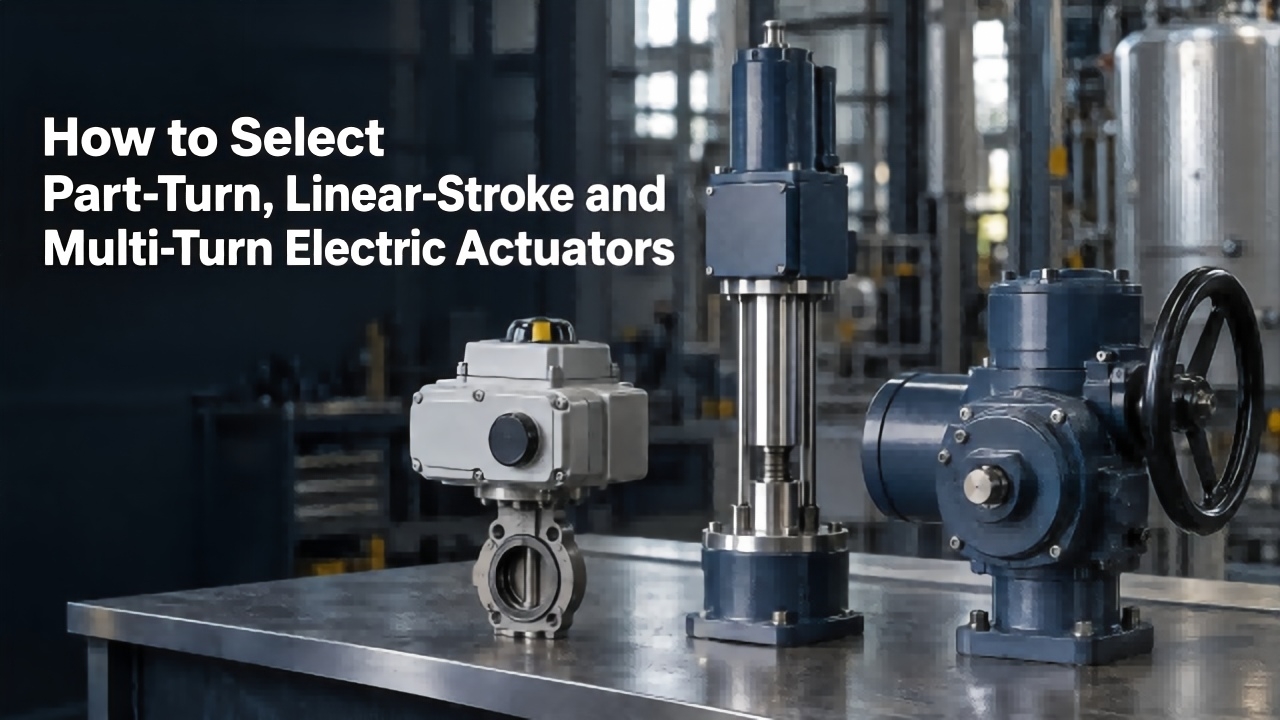
Learn differences among part‑turn, linear‑stroke and multi‑turn electric actuators. This guide covers matching valves, torque‑thrust calculation, 5‑step selection process and typical pitfalls for your industrial actuator applications.
How to Select Part‑Turn, Linear‑Stroke and Multi‑Turn Electric Actuators
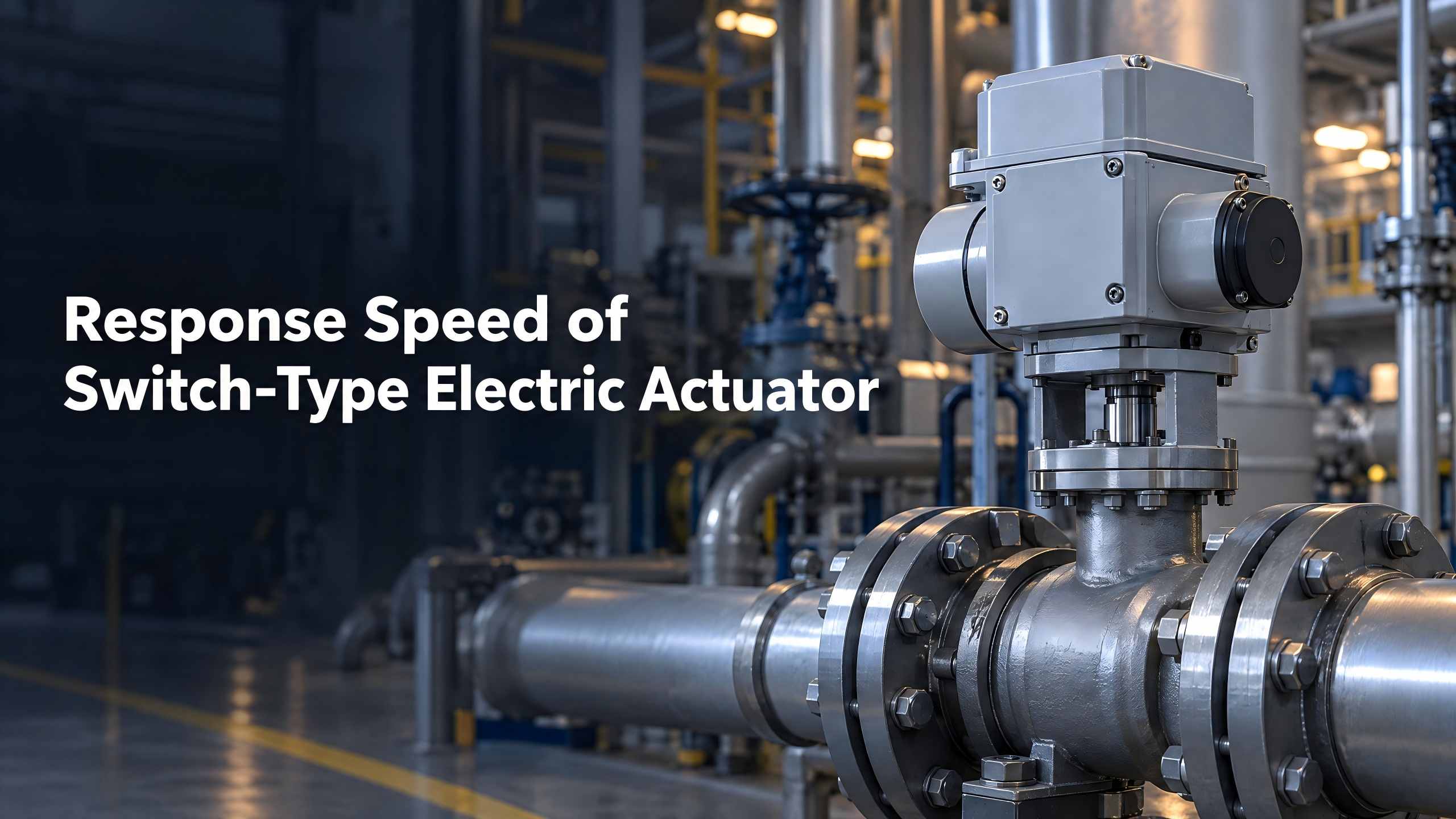
Learn about electric actuator response speed, internal and external influencing factors and key selection points, to select suitable actuators for valve automation projects and ensure efficient and stable system operation.
Response Speed of Switch‑Type Electric Actuator
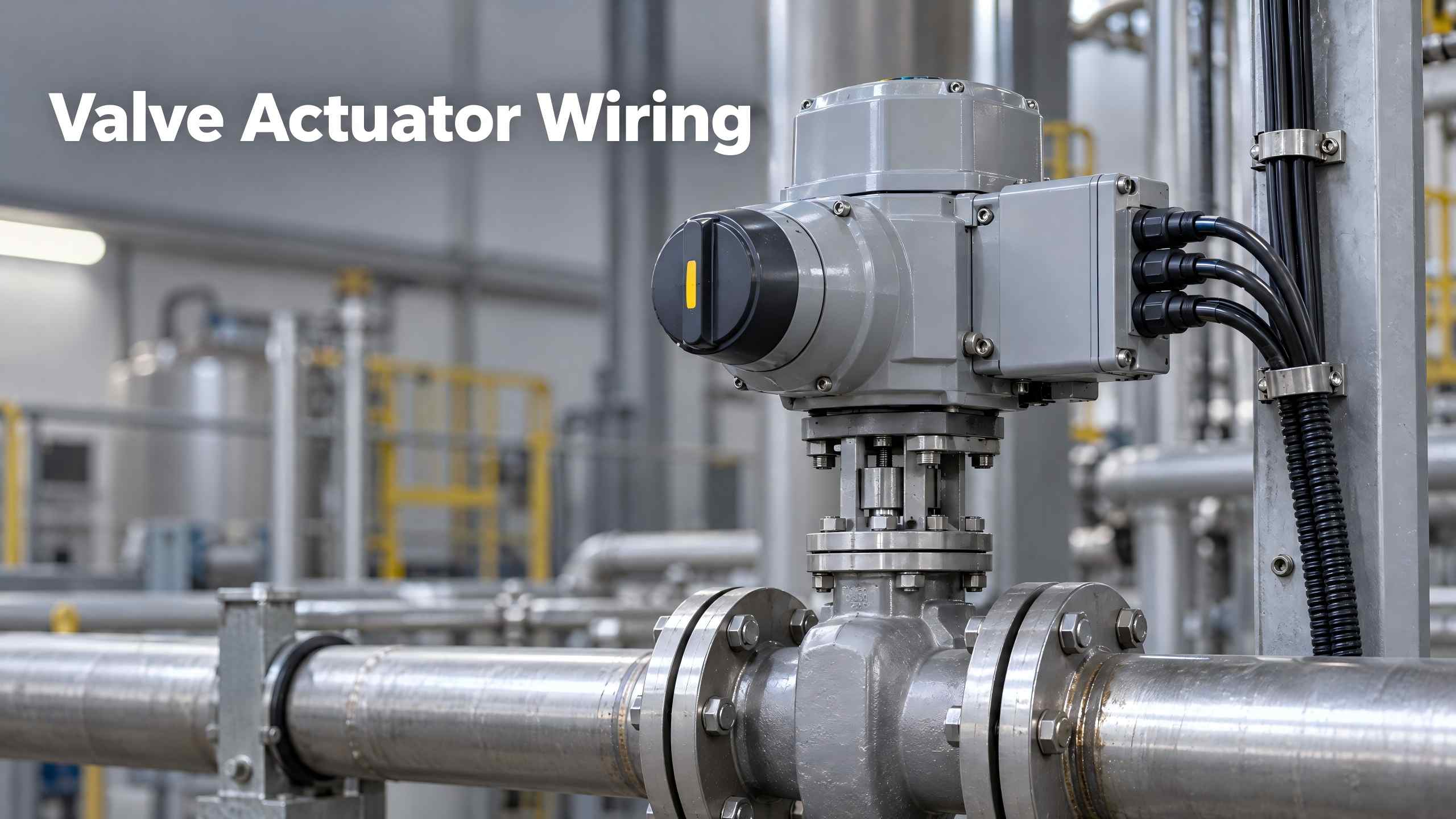
Valve Actuator Wiring describes wiring, commissioning and troubleshooting for electric valve actuators, guiding technicians to adopt standard wiring for stable industrial control.
Valve Actuator Wiring
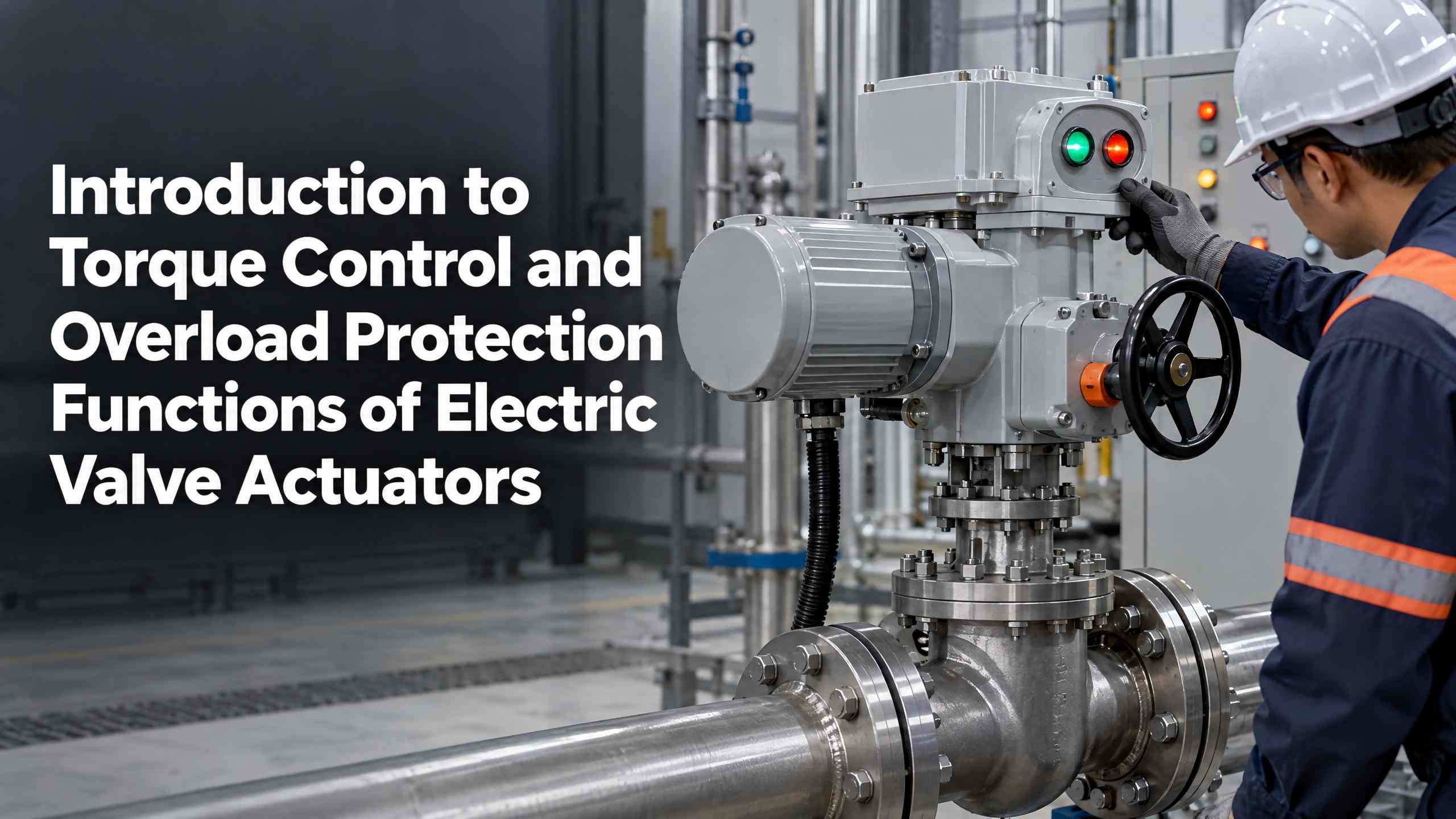
Valen Tech explains electric valve actuator torque control and overload protection functions. Learn how multi‑turn & part‑turn actuators prevent jamming and mechanical damage for petroleum, chemical, power and water pipeline systems.
Introduction to Torque Control and Overload Protection Functions of Electric Valve Actuators