How to tell if an actuator is bad?

Is Your Actuator Acting Up? Here's How to Tell if It's Gone Bad
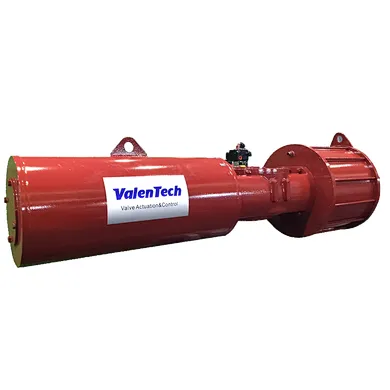
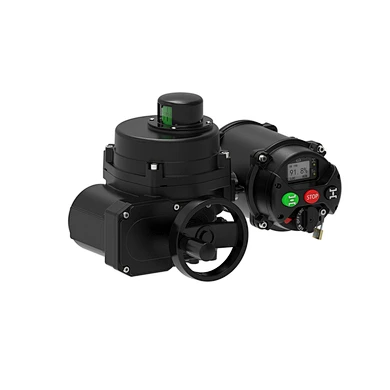
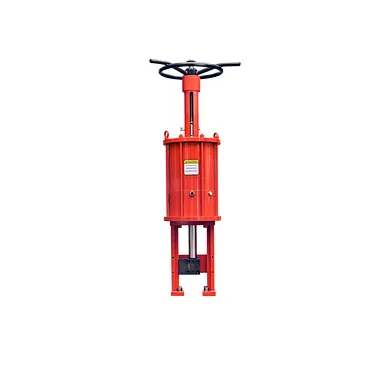
Think of actuators as the "muscles" of many machines and systems. They take a command (an electrical signal, fluid pressure, or air) and turn it into physical movement – pushing, pulling, lifting, rotating. When one of these muscles stops working right, the whole system can seize up or behave erratically.
So, how do you figure out if that actuator is the problem child? It's usually a bit of detective work, combining what you see, hear, and sometimes feel, along with checking its "lifelines."
Here's a breakdown of how to tell if an actuator might be on its way out or has already failed:
1. What's It Doing (or Not Doing)?
The first clue is usually how the system isn't behaving as expected. Look for these common signs:
-
Silence and Stillness: It Just Won't Budge. This is the most obvious one. You give it the command, and absolutely nothing happens.
-
Going Only Halfway (or Less): It moves, but stops short of its intended destination or doesn't complete its full range of motion.
-
Moving Like Molasses: It's working, but significantly slower than it should be. This often means it's struggling.
-
The Jitters or the Stutter: The movement is jerky, inconsistent, vibrating excessively, or starts and stops unexpectedly.
-
Stopping in the Wrong Spot: It moves, but consistently misses the correct end position. (Keep in mind this could also be a control issue, but it's a symptom.)
-
Gets Stuck or Struggles: It binds up, stalls out, or seems to fight against the load, especially at certain points in its travel.
-
Unusual Sounds: Groans, Grinds, and Clicks: Healthy actuators usually make predictable noises. New grinding, whining, buzzing, or clicking sounds are red flags.
-
Feeling the Heat: Unusually Hot: An actuator that's overheating might be working too hard, have internal friction, or be drawing excessive power. Be cautious touching it!
-
Visible Troubles: Leaks (for fluid/air types): If it's a hydraulic (fluid) or pneumatic (air) actuator, look for tell-tale drips, puddles, or listen for hissing air leaks around seals or fittings.
2. Look Upstream! (Don't Blame the Muscle If It's Not Getting Fed)
Before you condemn the actuator itself, you must rule out issues with the system supplying it. This is where many troubleshooting paths begin and end!
-
Is It Getting Power (or Pressure)?
-
For Electric: Is the correct voltage or current actually reaching the actuator's terminals? Use a multimeter to check. Low voltage means low power, and no voltage means no movement!
-
For Hydraulic/Pneumatic: Is the supply pressure correct and steady? Check pressure gauges. Low pressure equals weak movement.
-
-
Is It Getting the Right Command? The actuator needs instructions. Is the control signal (from a computer, switch, sensor, etc.) reaching it correctly? A faulty controller or broken wire to the actuator can make it seem dead.
-
Is the Control Valve Working? (Hydraulic/Pneumatic): For fluid or air actuators, there's usually a valve directing the flow. Is that valve functioning properly? The actuator might be fine, but the valve isn't telling it what to do.
-
Is the Thing It's Moving Stuck? Is the mechanical linkage jammed? Is the load it's trying to push or pull excessively heavy or bound up? The actuator might be perfectly fine but simply can't overcome the resistance. Try disconnecting the actuator from the load (safely!) to see if it moves freely on its own.
3. Physical Inspection Get a Little Hands-On
Once you've checked the upstream components, give the actuator itself a once-over:
-
Give it a Good Look: Check for any visible damage – bent rods, cracked housing, loose wires, corroded connections, or anything that looks out of place.
-
Listen Closely: If it's trying to move, listen for where any grinding or clicking sounds are coming from. Is it inside the housing? Is it the load?
-
Feel Around (Carefully!): While it's (safely) operating, carefully feel for excessive vibration, binding points in its travel, or unusual hot spots.
Putting It All Together
You've observed the symptoms, you've confirmed that the actuator is receiving the correct power/pressure and control signals, and you've ruled out external binding or overload. If the actuator still isn't performing its job correctly – whether it's totally dead, moving poorly, making bad noises, or leaking – then it's highly likely the actuator itself is faulty and needs repair or replacement.
Troubleshooting is a process of elimination. By systematically checking the power source, the control system, the mechanical linkage, and finally the actuator itself, you can confidently pinpoint the problem.
Important Safety Note: Always disconnect power and/or release stored hydraulic or pneumatic pressure before inspecting or working directly on an actuator or its associated components. Moving machinery, electricity, and pressurized fluids/air can be very dangerous. If you're not comfortable or familiar with the system, it's always best to call a qualified technician!
Valen Tech Co., Ltd.
At Valen Tech Co., Ltd. , we are committed to delivering innovative technological solutions that drive progress across industries. As a forward-thinking technology company, we specialize in providing high-quality products, customized engineering services, and advanced system integration tailored to meet the evolving needs of our global clients.
With a strong foundation in industrial technology and digital innovation, Valen Tech focuses on empowering businesses through smart manufacturing, precision components, automation systems, and cutting-edge electronic solutions. Our expertise spans multiple sectors, including automotive, electronics, medical equipment, energy, and industrial machinery, where we deliver reliable and future-ready technologies.
Our mission is to bridge the gap between traditional manufacturing and modern digital transformation. Whether it’s developing intelligent control systems, designing precision-engineered parts, or offering end-to-end technical support, we work closely with our clients to enhance efficiency, reduce operational costs, and improve product performance.
Valen Tech is built on a culture of innovation, quality, and customer-centric service. We invest heavily in research and development, ensuring that our products and solutions remain at the forefront of technological advancement. Our team of skilled engineers, designers, and technical professionals brings deep industry knowledge and creative problem-solving to every project.