
How to Test Actuated Valves
author: ATHENA GROUP
2026-01-20
In the petrochemical, natural gas processing, refining, and process industries, actuated valves are not only the "switches" for fluid control but also the last line of defense to ensure the safety, environmental protection, and continuous operation of equipment. Once an actuated valve fails at a critical moment, it may trigger a chain reaction, resulting in significant economic losses or even safety accidents.
So, how to test actuated valves scientifically and systematically? As a company specializing in the R&D and services of intelligent valve actuation systems, ValenTech presents a complete testing process covering safety preparation, visual inspection, functional verification, performance evaluation, and leak detection.
So, how to test actuated valves scientifically and systematically? As a company specializing in the R&D and services of intelligent valve actuation systems, ValenTech presents a complete testing process covering safety preparation, visual inspection, functional verification, performance evaluation, and leak detection.
Part 1: Rigorous Pre-Test Preparation and Basic Inspection
Thorough preparation is the cornerstone of ensuring the accuracy and safety of test results.
1. Pre-Test Preparation
| Preparation Steps | Purposes and Requirements | Key Points |
|---|---|---|
| Review Technical Specifications | Understand expected performance parameters, design pressure, temperature range, stroke time, etc., as the benchmark for testing. | Must cross-reference the manufacturer's guidelines to confirm all parameters. |
| Ensure Safety Protocols | Safety is the top priority. Prevent accidents or injuries during testing. | Personal Protective Equipment (PPE), Lockout/Tagout (LOTO) procedures, and proper ventilation must be implemented. |
| Prepare Tools and Equipment | Ensure the accuracy and reliability of the testing process. | Prepare pressure gauges, temperature sensors, flow meters, etc., as well as special instruments for specific actuated valves. |
| Verify Calibration of Measuring Instruments | Ensure all readings are accurate and precise. | All measuring instruments must be calibrated, in good condition, and comply with industry standards. |
2. Visual Inspection
Before powering on or pressurizing, conduct a thorough visual inspection to identify any physical defects that may affect performance.
- Physical Damage and Wear: Check the actuator and valve for cracks, dents, corrosion, or other abnormal signs that may compromise structural integrity.
- Connections and Mounting Hardware: Ensure all connections and mounting hardware are secure. Loose fittings may lead to leaks or functional failure.
- Integrity of Seals and Gaskets: Inspect all seals and gaskets for signs of wear or damage, as they are crucial for preventing leaks.
Part 2: Functional Testing and Core Performance Verification
Functional testing aims to verify the basic operational capability of the actuated valve, while performance testing further evaluates its performance in the control system.
1. Functional Test
- Manual Operation Test: Manually operate the actuator to ensure smooth and consistent movement. This helps identify any sticking or friction points and confirms that the valve can fully open and close without obstruction.
- Electrical/Pneumatic Power Supply Test: Confirm that the actuator receives the correct supply voltage or air pressure. At the same time, check for leaks or interruptions in pneumatic pipelines or electrical continuity to ensure the integrity of control signals.
2. Core Performance Testing
| Test Items | Purposes and Requirements | Key Indicators |
|---|---|---|
| Stroke Test | Ensure the actuator operates as expected within the full range of motion and accurately reaches all required positions. | Whether the stroke length is consistent with specified parameters; whether the movement process is smooth. |
| Response Time Test | Measure the time required for the valve to switch between different positions. | Whether the response time meets the manufacturer's specifications and process control requirements. |
| Torque/Thrust Test | Verify that the actuator can provide sufficient power to overcome medium pressure and friction. | Whether the output torque/thrust is within a safe and effective range. |
| Valve Position Feedback Test | Verify the accuracy and linearity of the feedback signal to ensure that the valve position displayed in the central control room is consistent with the actual position. | Signal accuracy and linearity. |
Part 3: Safety and Reliability Verification - Leak and Load Testing
Leak testing and load operation testing are key steps to verify the safety and reliability of actuated valves under actual operating conditions.
1. Leakage Test
Leakage testing is one of the most critical tests in the petrochemical industry, as any leakage may pose serious safety and environmental risks.
- Seat Leakage Test:
- Pressurize the valve seat when the valve is closed and check for leaks around the valve seat.
- Record the observed leakage rate and ensure it is within an acceptable range (e.g., complying with industry standards such as API 598).
- Shell Test:
- Pressurize the entire valve body to check structural integrity and potential leaks.
- Monitor for pressure drops; a significant pressure drop may indicate structural defects in the valve body.
2. Load Operation Test
To ensure that the actuated valve can work normally under actual operating conditions, load operation testing must be performed. This involves exposing the actuated valve to process fluids or gases to simulate medium handling during normal operation. Observe the valve's performance and responsiveness under load conditions, including smooth operation, accurate positioning, and timely response to control signals.
Part 4: Intelligent and Safety Function Testing
For critical safety equipment such as Emergency Shutdown (ESD) Valves, intelligent and safety function testing must be conducted.
- Fail-Safe Test: Simulate fault conditions such as power failure, air supply interruption, or signal loss to verify that the actuated valve can automatically and reliably return to the preset safe position (e.g., "fail-closed" or "fail-open") to prevent the expansion of accidents.
- Partial Stroke Test (PST): Periodically allow the valve to perform a small-range (e.g., 10%-20%) opening and closing movement without interrupting the normal production process. PST is an efficient online diagnostic method used to confirm that the ESD valve is not "seized" and ensure it can fully actuate when needed.
Conclusion: Excellence Stems from Rigorous Testing
How to test actuators is a fundamental link in ensuring the reliability, safety, and efficiency of industrial control systems. At ValenTech, we not only provide high-performance intelligent actuator products but also integrate the full-lifecycle testing concept into the design and delivery of every piece of equipment. Because we firmly believe: true reliability starts in the laboratory and is achieved through on-site verification.
Double Acting Actuators Applications
What Makes a Water-Resistant Actuator IP68
Related Article
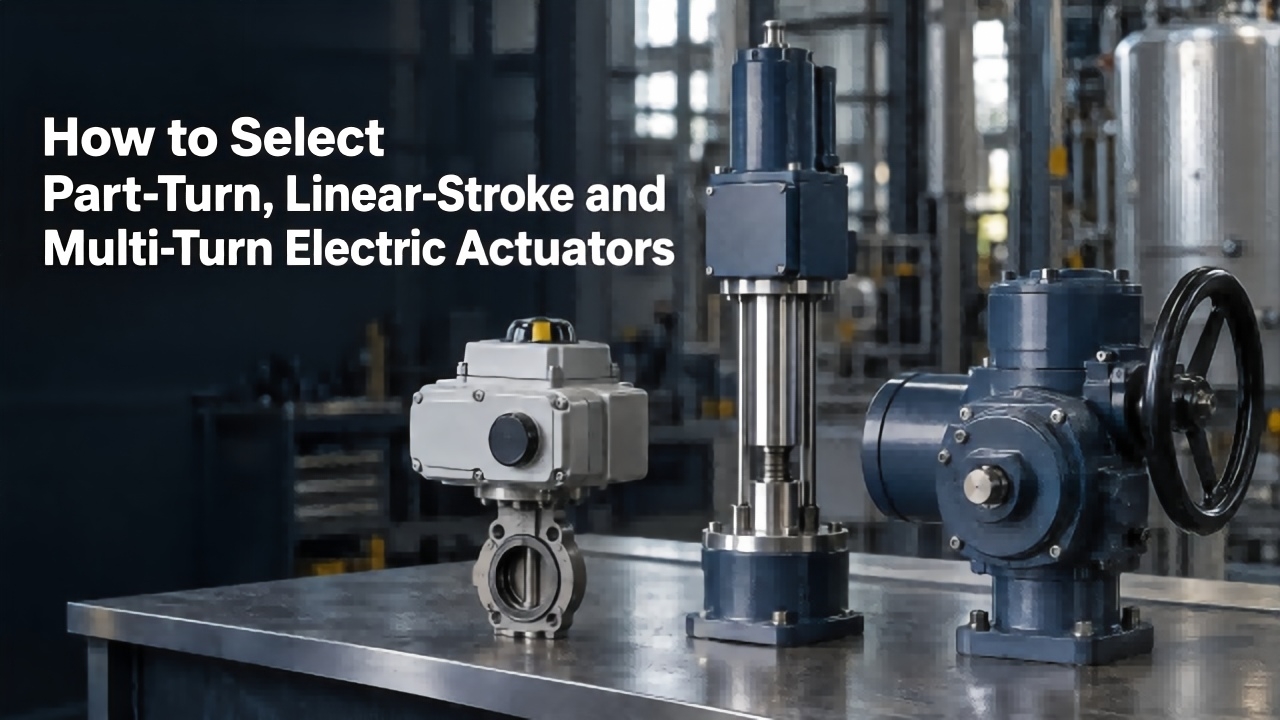
Learn differences among part‑turn, linear‑stroke and multi‑turn electric actuators. This guide covers matching valves, torque‑thrust calculation, 5‑step selection process and typical pitfalls for your industrial actuator applications.
How to Select Part‑Turn, Linear‑Stroke and Multi‑Turn Electric Actuators
Learn about electric actuator response speed, internal and external influencing factors and key selection points, to select suitable actuators for valve automation projects and ensure efficient and stable system operation.
Response Speed of Switch‑Type Electric Actuator
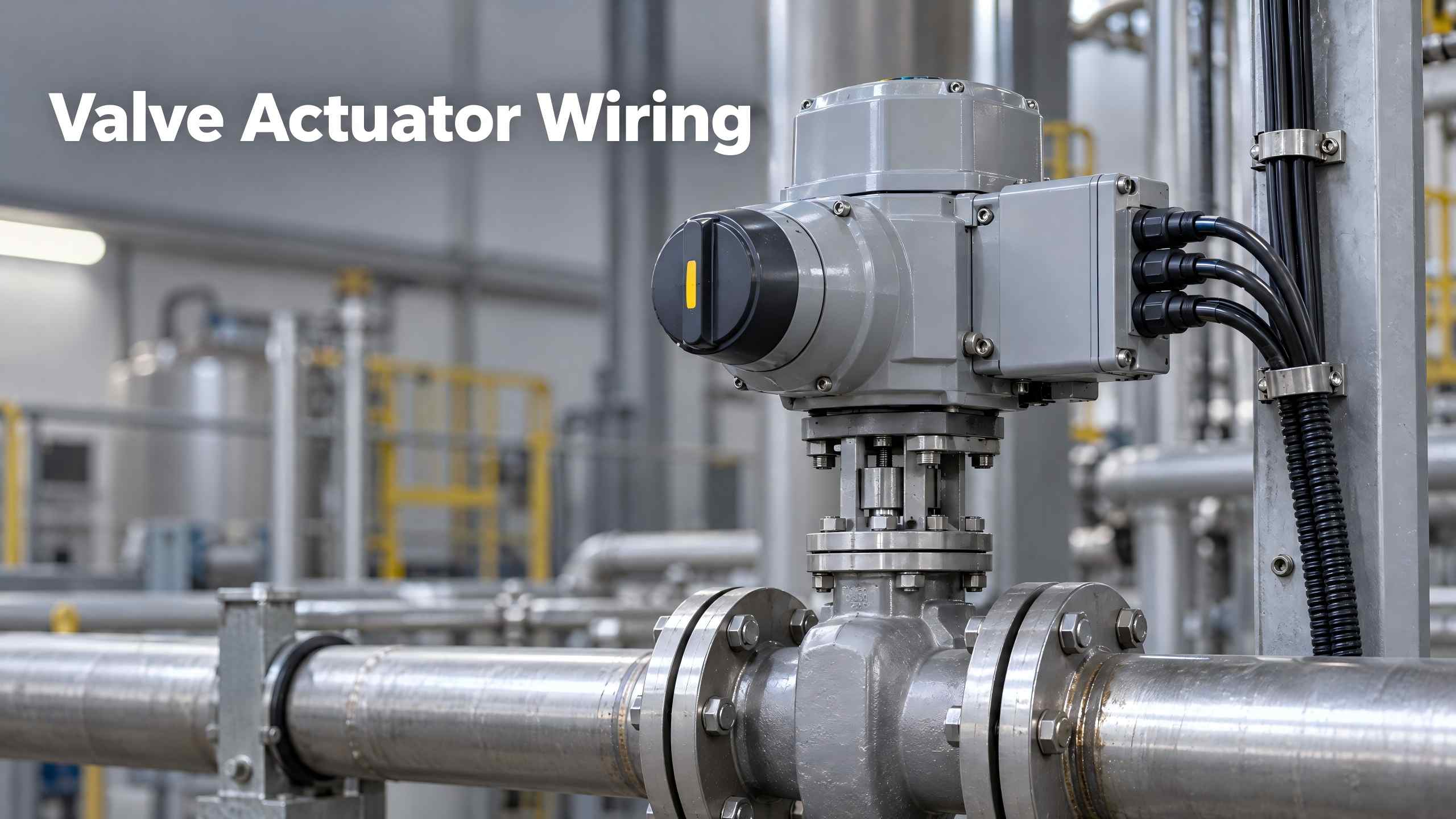
Valve Actuator Wiring describes wiring, commissioning and troubleshooting for electric valve actuators, guiding technicians to adopt standard wiring for stable industrial control.
Valve Actuator Wiring
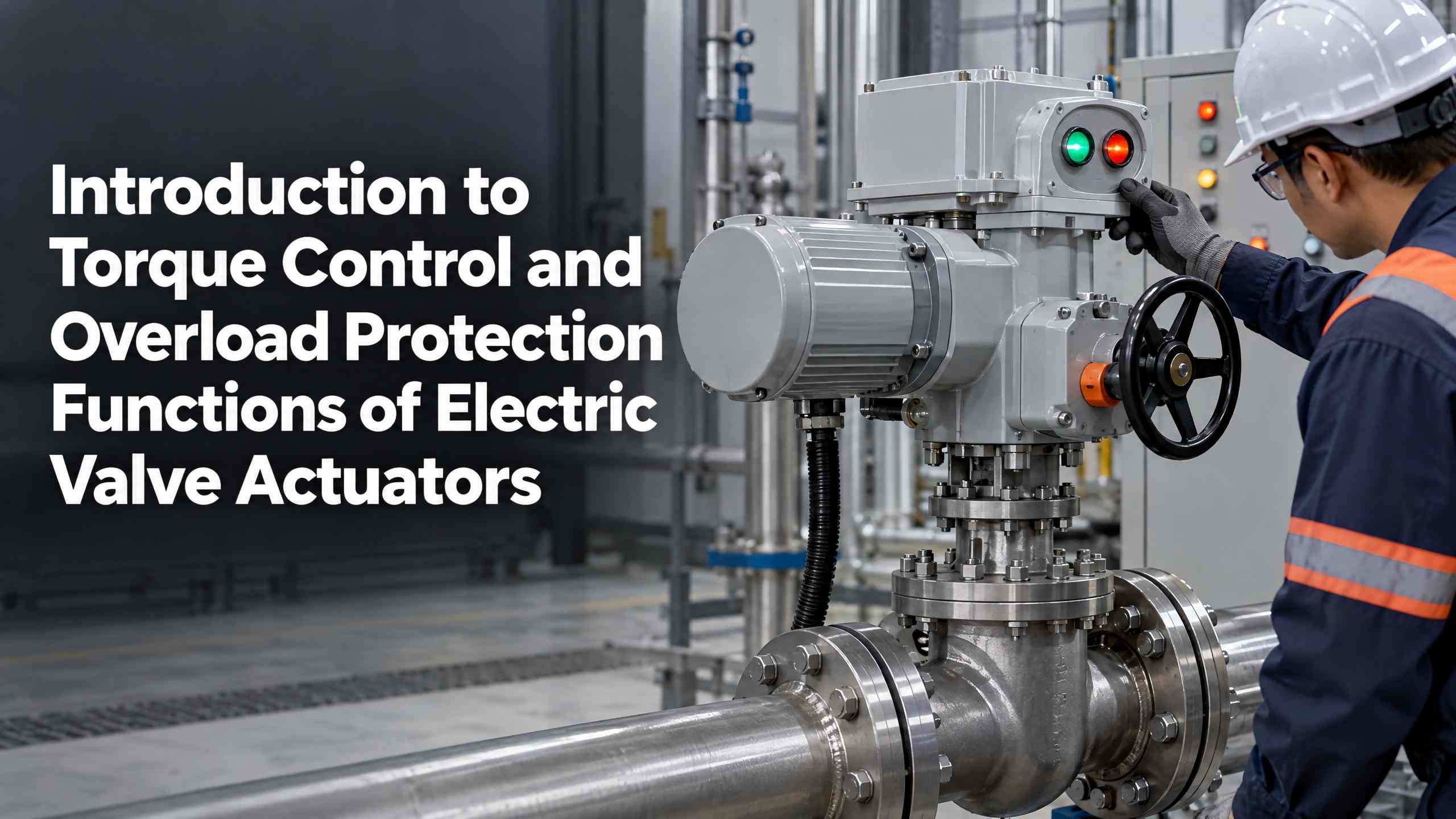
Valen Tech explains electric valve actuator torque control and overload protection functions. Learn how multi‑turn & part‑turn actuators prevent jamming and mechanical damage for petroleum, chemical, power and water pipeline systems.
Introduction to Torque Control and Overload Protection Functions of Electric Valve Actuators