
Is an Electric Gate Valve Your Best Choice?
author: ATHENA GROUP
2026-06-15
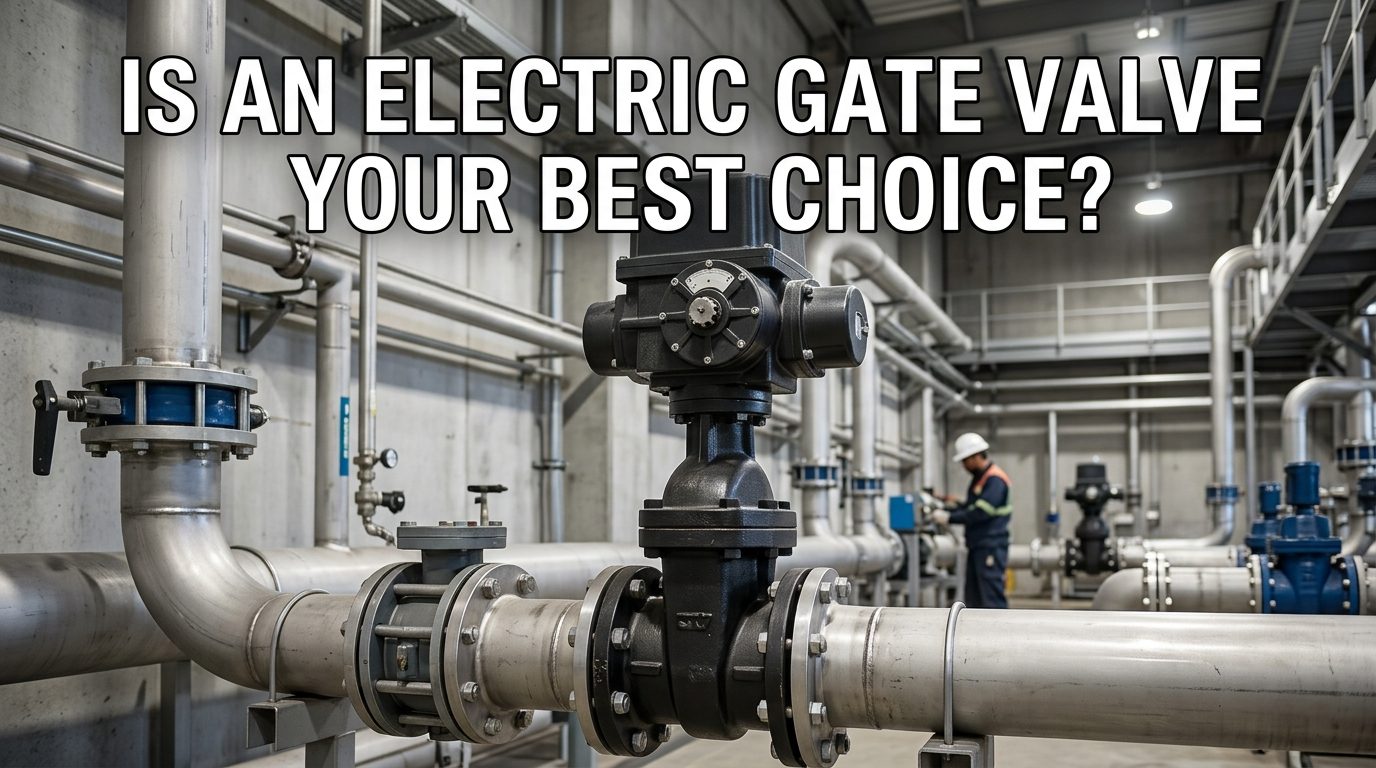
In industrial pipeline systems such as water treatment, power generation, petroleum and chemical industries, ValenTech electric gate valves have become core equipment for modern fluid control, thanks to their automatic shut-off and remote control capabilities. This article briefly analyzes their key features to help you quickly determine if they are the optimal solution for your project.
1. Core Structure and Working Principle
An electric gate valve consists of a valve body and an electric actuator. The motor drives the valve stem through gear reduction, which in turn moves the gate plate vertically up and down to open or close the pipeline. Equipped with built-in limit switches and torque protection devices, the valve can avoid overload and jamming. It can also transmit real-time operating status to PLC or DCS systems via 4-20mA signals, enabling fully automated unattended operation.
2. Key Advantages
- Intelligent Remote Control: Compatible with central control linkage and fault early warning systems. It eliminates the risks of manual operation in high-risk working conditions and greatly cuts operation and maintenance costs.
- Low Flow Resistance & Energy Saving: When fully open, the fluid flows straight through without obstruction, resulting in extremely low pressure loss. It is ideal for long-distance and high-flow transmission.
- Superior Sealing Performance: Two sealing options are available: soft sealing for normal-temperature clean water, and hard sealing for high-temperature, high-pressure environments and media containing particles. It delivers reliable leak-tight performance when fully closed.
- Stable Operation: Powered by electricity, it delivers steady driving force with no air pressure fluctuations seen in pneumatic valves, and is compatible with a wide range of media.
3. Comparison of Actuation Types
- Electric Gate Valve: Features precise remote control and low standby power consumption, and works well with intelligent systems. Its drawbacks include higher procurement costs, slower opening and closing speed compared with pneumatic valves, and reliance on a stable power supply.
- Pneumatic Gate Valve: Opens and closes rapidly with excellent explosion-proof performance, making it suitable for emergency flow cut-off. However, it requires a supporting air source, generates loud operating noise and offers low control accuracy.
- Manual Gate Valve: Low in price and requires no external power source. Yet it relies entirely on manual operation, which is labor-intensive for large-caliber and high-pressure pipelines, and cannot be integrated into centralized control systems.
4. Application Scenarios and Selection Guidelines
- Recommended Applications: Projects requiring unattended remote operation, leak-proof sealing, high-flow long-distance transmission, and integration with intelligent central control systems.
- Not Recommended Applications: Working conditions that demand flow regulation (partial opening will cause severe abrasion to sealing surfaces), rapid emergency opening and closing, or sites with unstable power supply.
- Selection Tips: Choose soft sealing for particle-free media at normal temperatures; select hard sealing for high-temperature, high-pressure services and media with solid particles. Opt for basic on-off type valves for simple on-off control, and smart valves with signal feedback for automated projects.
5. Frequently Asked Questions
Q: Which is better, an electric gate valve or an electric butterfly valve?
Electric gate valves boast superior sealing performance and low pressure loss, suited for on-off service of large-caliber and high-pressure pipelines. Electric butterfly valves feature compact size and cost-effectiveness, and are applicable to light-duty low-pressure pipelines.
Q: Can an electric gate valve operate in a partially open state?
It is not recommended. Long-term partial opening will accelerate wear on sealing surfaces, leading to leakage and shortened service life.
Q: Can it be connected to a PLC system?
Yes. Smart electric gate valves can be perfectly integrated with PLC/DCS systems to realize precise remote control.
Conclusion
Electric gate valves are not a one-size-fits-all solution, but they stand out as the best option for scenarios requiring automatic on-off operation, remote maintenance and high-standard sealing. If your project focuses on reliable pipeline on-off control and intelligent management, an electric gate valve is your ideal choice. For flow regulation or rapid on-off requirements, globe control valves or pneumatic valves are better alternatives.
If you are looking for durable valves compatible with various automatic control working conditions, ValenTech is your trusted partner to deliver professional and reliable valve solutions.
Pneumatic Valve Positioner Troubleshooting: Common Malfunctions, Diagnostic Procedures and Solutions
Actuator Anti-jamming Selection for Pulverized Coal and Ash Slurry Media
Related Article
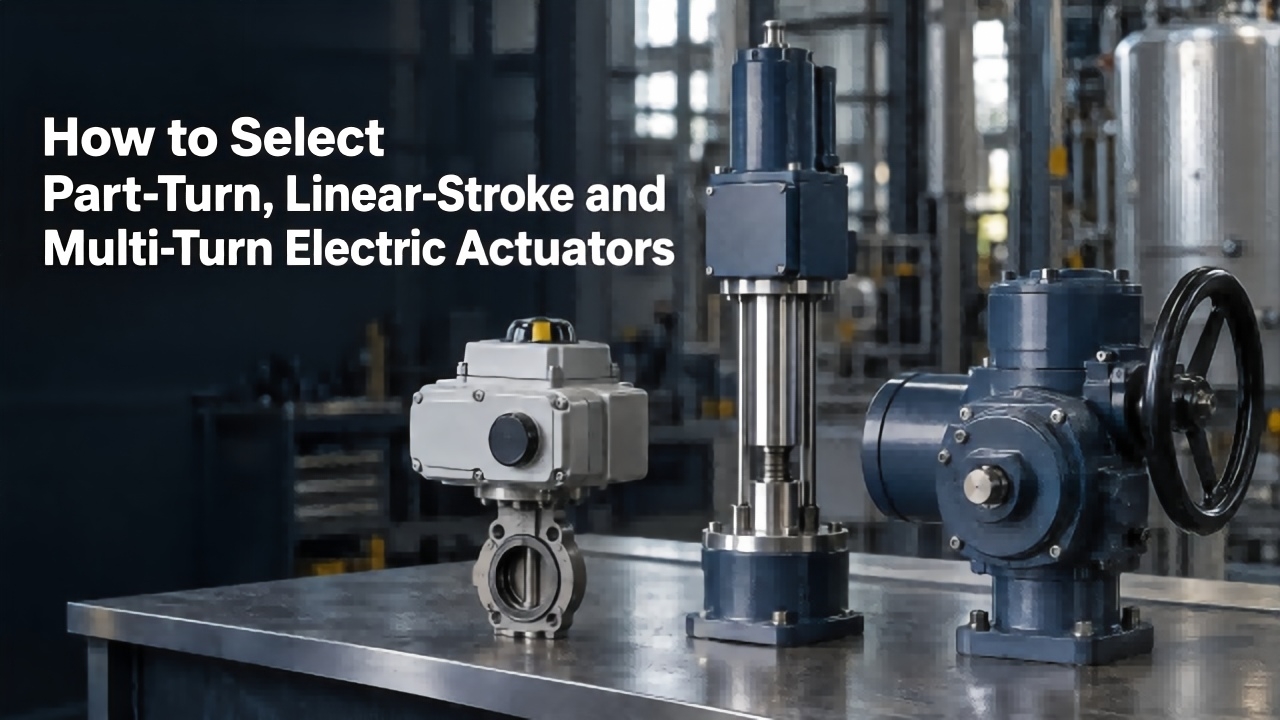
Learn differences among part‑turn, linear‑stroke and multi‑turn electric actuators. This guide covers matching valves, torque‑thrust calculation, 5‑step selection process and typical pitfalls for your industrial actuator applications.
How to Select Part‑Turn, Linear‑Stroke and Multi‑Turn Electric Actuators
Learn about electric actuator response speed, internal and external influencing factors and key selection points, to select suitable actuators for valve automation projects and ensure efficient and stable system operation.
Response Speed of Switch‑Type Electric Actuator
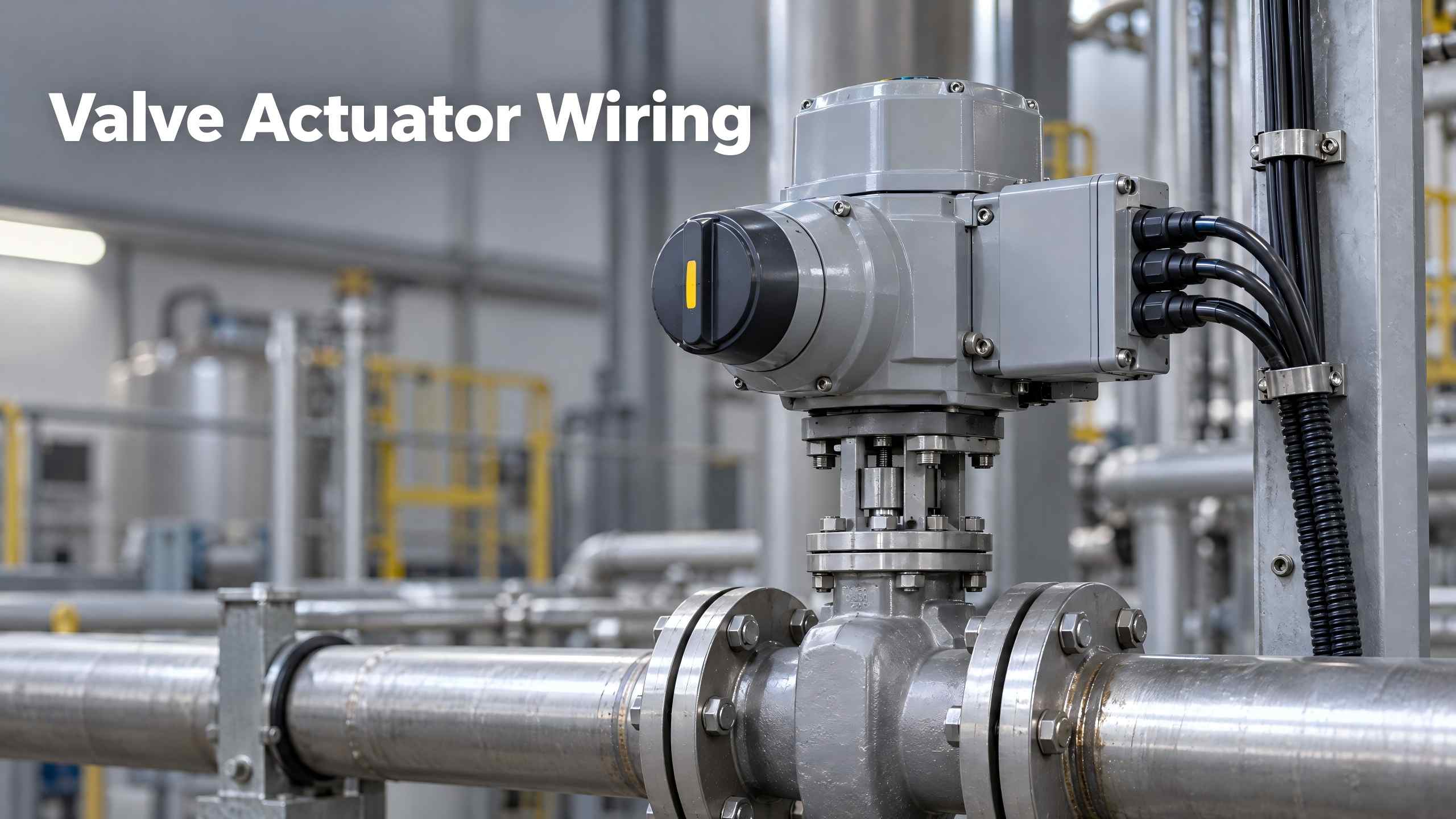
Valve Actuator Wiring describes wiring, commissioning and troubleshooting for electric valve actuators, guiding technicians to adopt standard wiring for stable industrial control.
Valve Actuator Wiring
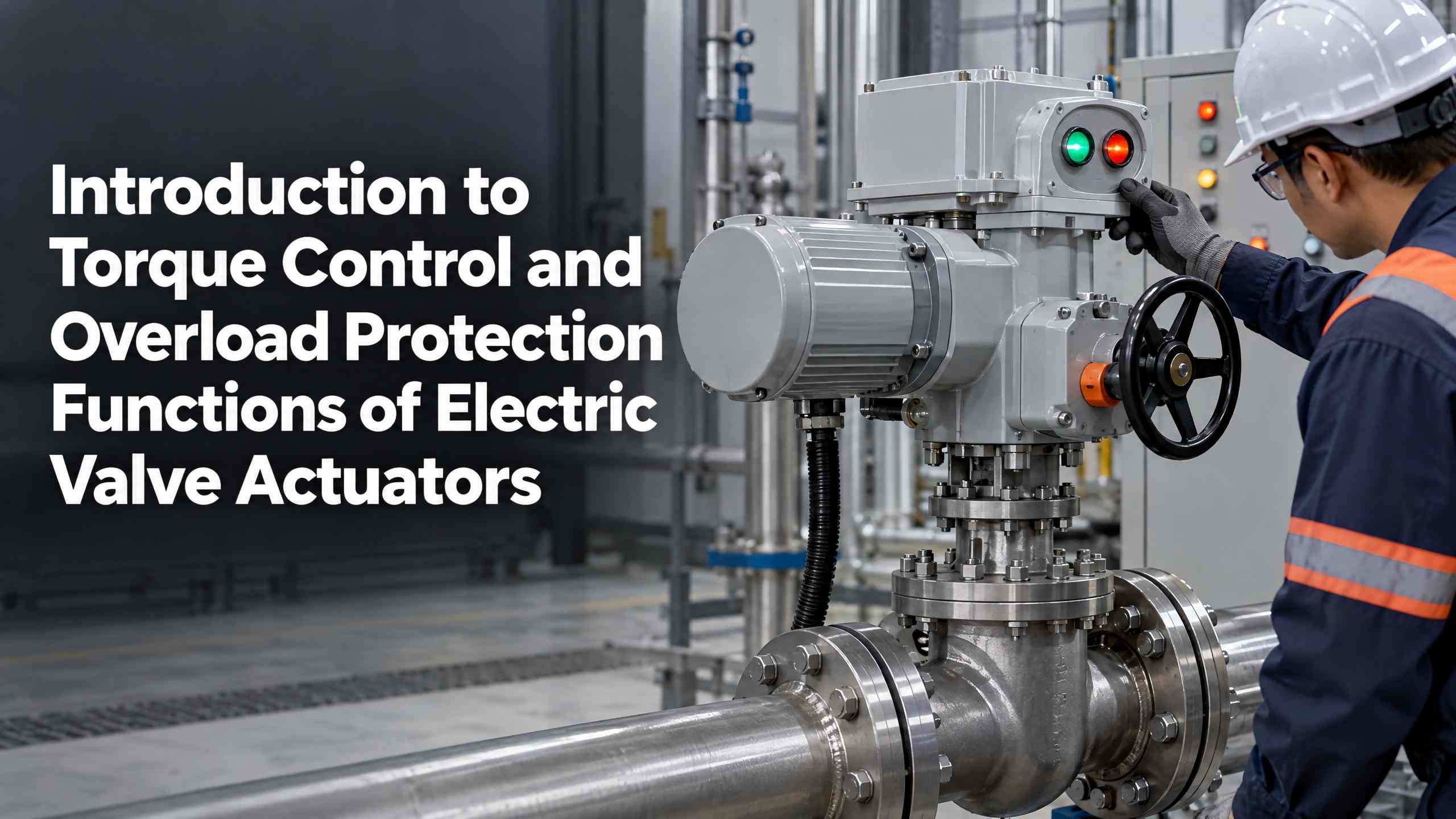
Valen Tech explains electric valve actuator torque control and overload protection functions. Learn how multi‑turn & part‑turn actuators prevent jamming and mechanical damage for petroleum, chemical, power and water pipeline systems.
Introduction to Torque Control and Overload Protection Functions of Electric Valve Actuators