
Key Points for Protecting Valve Actuators in Summer
author: ATHENA GROUP
2025-07-30
As summer arrives, temperatures gradually rise, and industrial plant temperatures often exceed 40°C. Intense sunlight and humidity changes pose severe challenges to valve actuators. As the core equipment for controlling valves, their performance stability directly affects the operation of production systems, so it is crucial to take effective high-temperature protection measures. As a professional developer and manufacturer of valve actuators, Valen-Tech is well aware of the "destructive power" of high-temperature environments on actuators. Today, we will share a practical guide for the maintenance and protection of valve actuators in high-temperature summer environments.
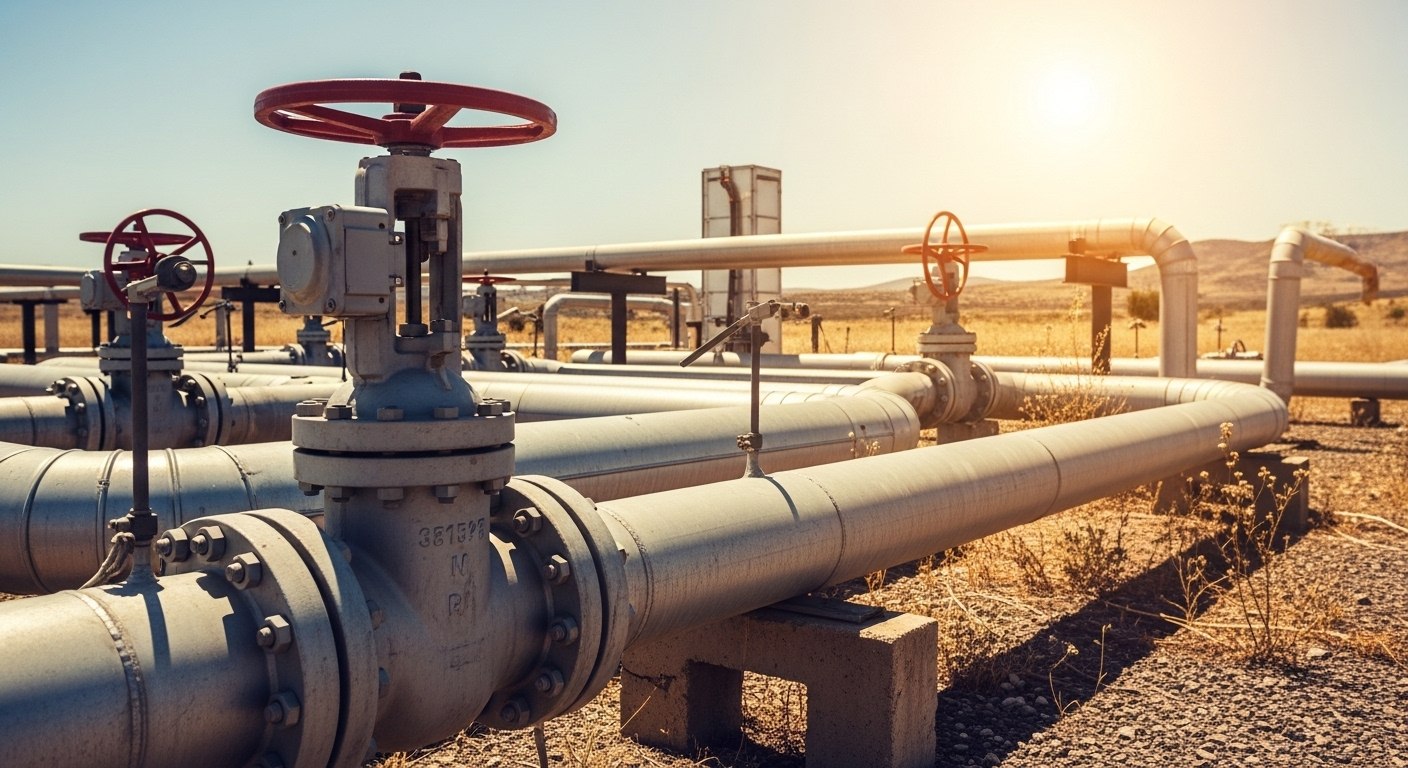
Impact of High Temperature on Actuator Components
Many people think that high temperature just makes the equipment a bit hotter, but the reality is far more complicated than imagined. When the ambient temperature continuously exceeds 40°C, or even reaches 50°C or higher, the electronic components inside the actuator (such as motor windings, control circuit boards, sensors) will age acceleratedly. The viscosity of lubricating oil will decrease, leading to lubrication failure, and plastic or sealing parts may undergo thermal deformation or hardening and cracking.
In the electrical system, the probability of motor overheat protection being triggered increases, which may cause sudden shutdown; the wire insulation layer is prone to aging and cracking under high temperature, posing potential safety hazards; the parameter drift of electronic components will affect the control accuracy.
After the control system is disturbed by high temperature, the measurement error of the sensor increases, which affects the system decision-making; poor heat dissipation of the control module will lead to unstable operation and cause abnormal actions.
Inspection Points in High-Temperature Summer
Daily inspection should focus on the appearance, checking for deformation, discoloration and loose parts; regularly monitor the temperature of key parts with temperature measuring equipment to timely detect abnormalities; listen to the operating sound to judge the state of internal components through abnormal noise.
During regular in-depth inspection, focus on checking the wear degree of transmission gears and bearings for mechanical components, and timely replace aging sealing parts; for the electrical system, it is necessary to detect the insulation resistance of the motor and check the wire connections and the condition of the insulation layer; for the control system, calibrate the sensors to ensure that the cooling fan of the control module works normally.
Maintenance Measures in High-Temperature Summer
- Avoid direct sunlight: Install the actuator in a cool place as much as possible, or add a sunshade/heat insulation board.
- Keep away from heat sources: Such as steam pipes, boilers, high-temperature reaction kettles, etc., and maintain a sufficient distance.
- Ensure good ventilation: Do not enclose the actuator in a narrow space, leave a heat dissipation channel, and install a small exhaust fan if necessary.
- Increase inspection frequency: Check the shell temperature, operating sound and the tightness of connectors at least once a week.
- Clean heat dissipation components: Remove dust and oil from the motor shell and heat sink to maintain good heat dissipation.
- Check lubrication status: Confirm that the grease in the gearbox or transmission parts is not dry or emulsified, and replenish or replace it if necessary.
- Test feedback signals: Ensure that the position feedback (such as potentiometer, encoder) works normally to avoid control inaccuracy caused by thermal drift.
Emergency Treatment in High-Temperature Environment
When the actuator shuts down due to overheating, it is necessary to stop immediately to find out the cause, take temporary cooling measures, and restart after the temperature drops.
In case of electrical failure, first cut off the power supply, check and replace the damaged components, and prepare an emergency power supply to prevent the impact on the system operation.
In case of mechanical failure, the machine should be stopped immediately to prevent the failure from expanding, and the spare parts should be used for timely replacement and maintenance to shorten the processing time.
Conclusion: Safety and efficiency start with details
High summer temperatures have a significant impact on valve actuators. Every link, from component damage to inspection, maintenance and emergency treatment, is related to the stable operation of the equipment. Regular inspection and maintenance are crucial. Valen-Tech recommends formulating a personalized summer maintenance plan according to the actuator model and usage environment, and keeping in mind the summer precautions for valve actuators to ensure that the equipment can survive the summer safely.
How to Choose the Best Pool Valve Actuator Control System
How to Calculate Required Torque for Valve Actuation
Related Article
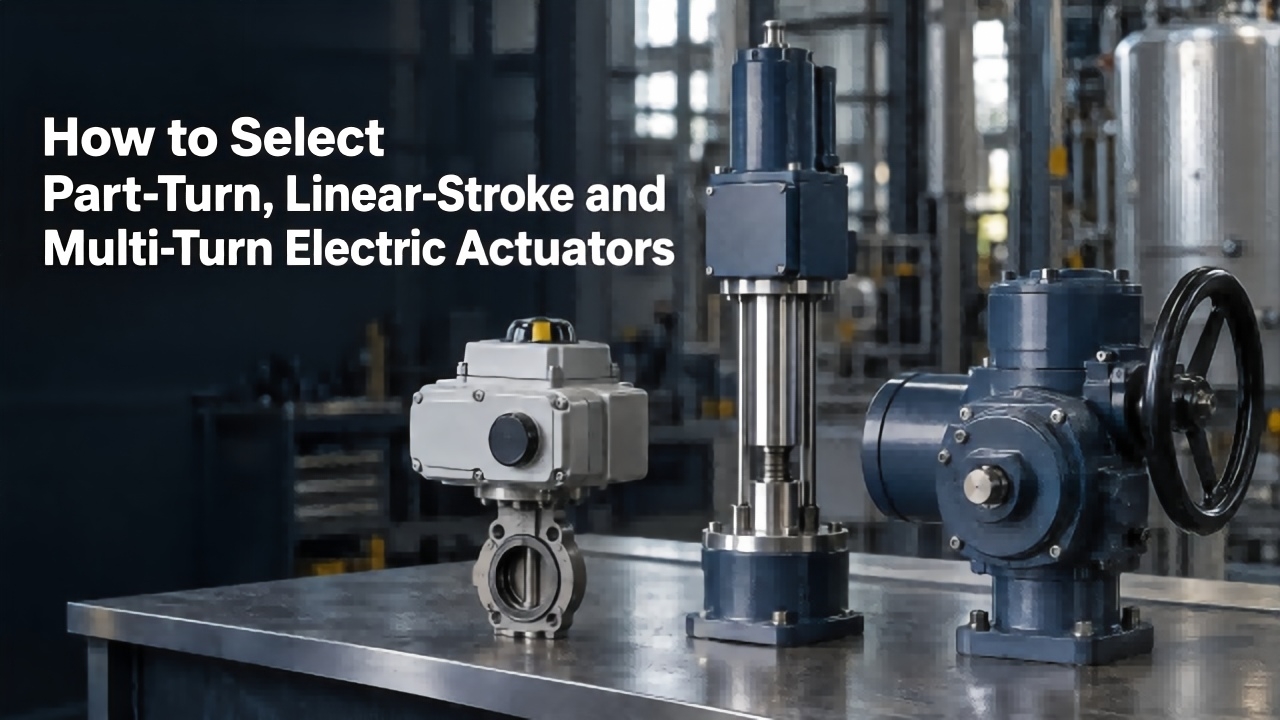
Learn differences among part‑turn, linear‑stroke and multi‑turn electric actuators. This guide covers matching valves, torque‑thrust calculation, 5‑step selection process and typical pitfalls for your industrial actuator applications.
How to Select Part‑Turn, Linear‑Stroke and Multi‑Turn Electric Actuators
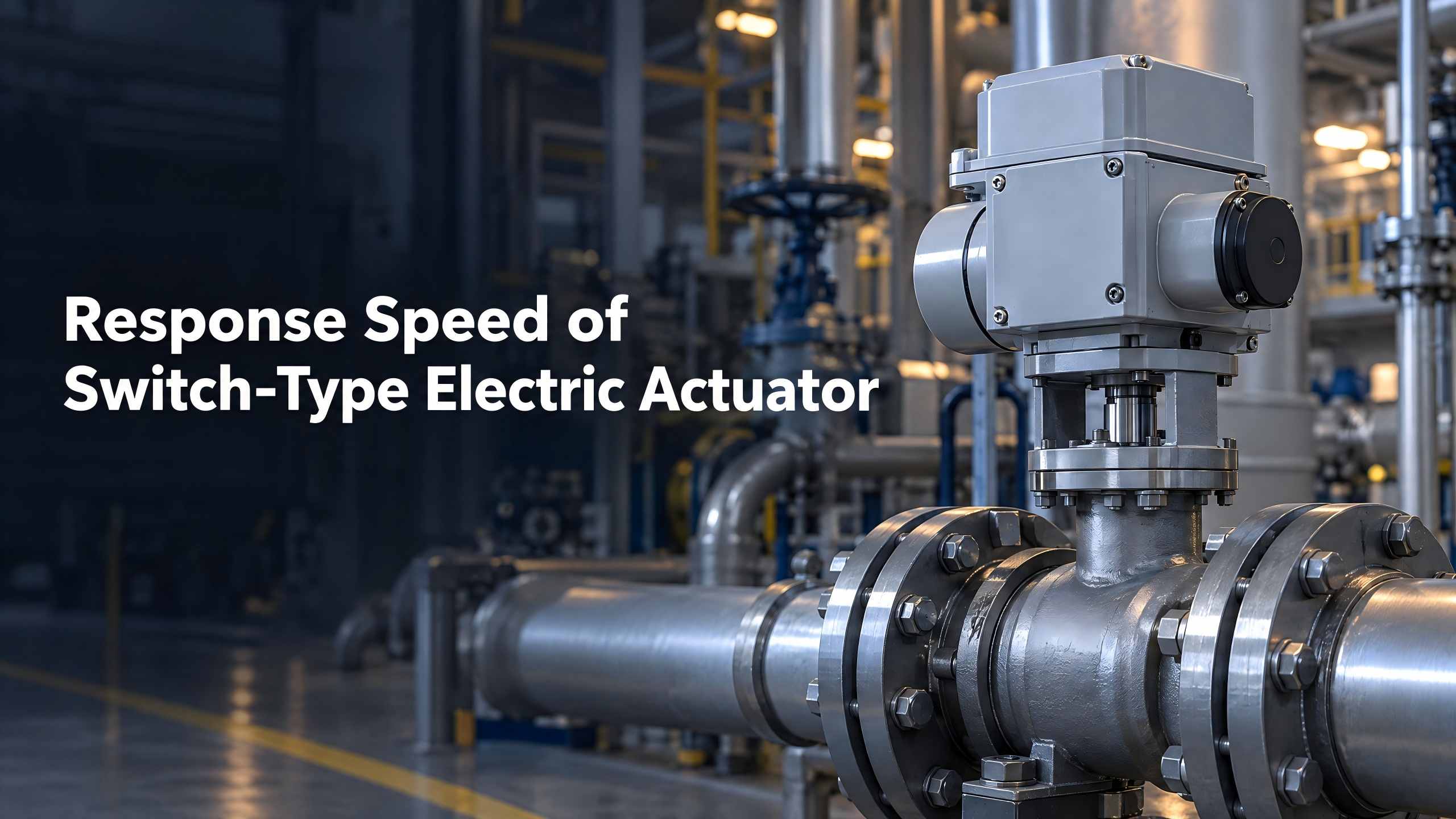
Learn about electric actuator response speed, internal and external influencing factors and key selection points, to select suitable actuators for valve automation projects and ensure efficient and stable system operation.
Response Speed of Switch‑Type Electric Actuator
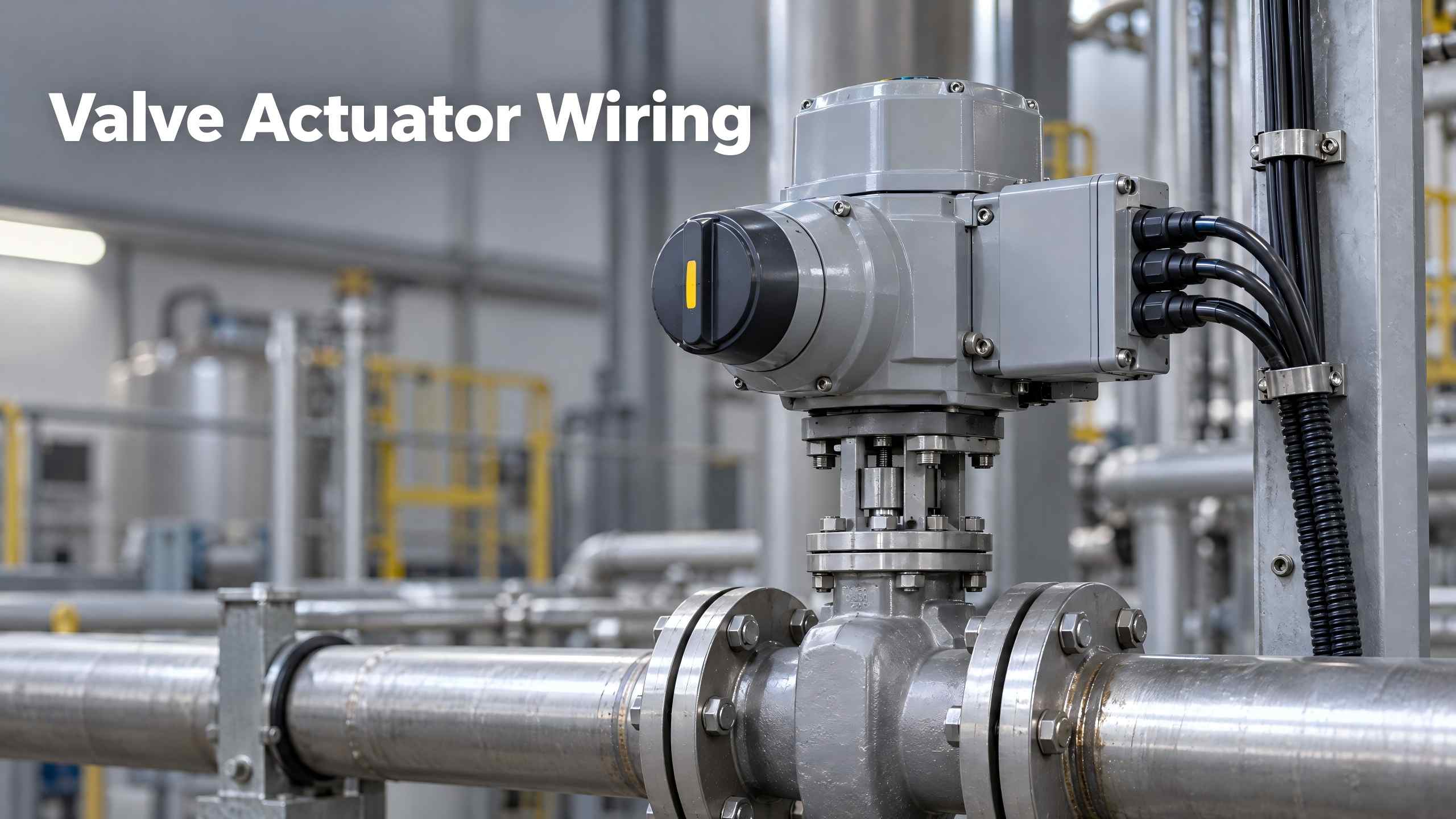
Valve Actuator Wiring describes wiring, commissioning and troubleshooting for electric valve actuators, guiding technicians to adopt standard wiring for stable industrial control.
Valve Actuator Wiring
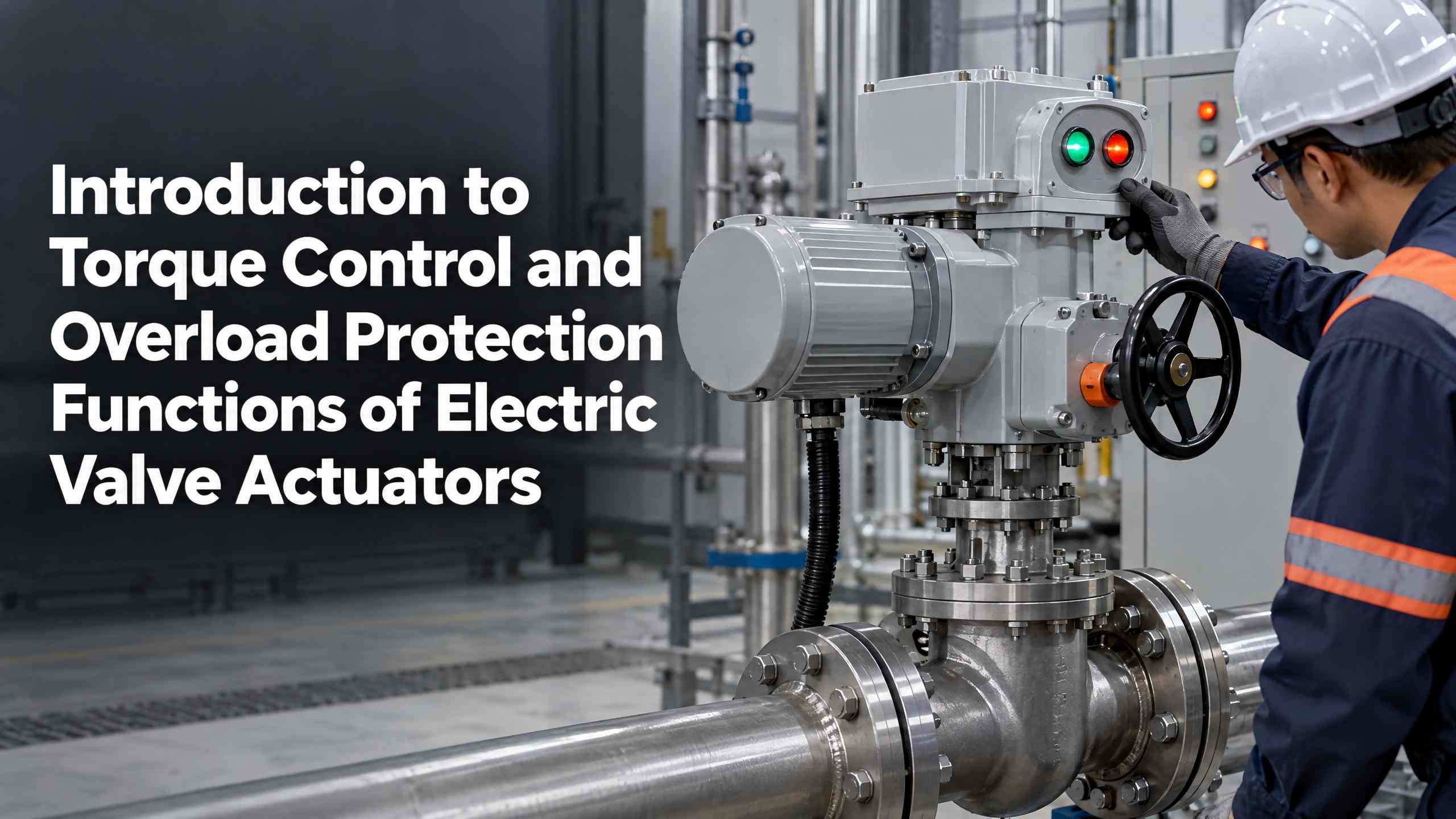
Valen Tech explains electric valve actuator torque control and overload protection functions. Learn how multi‑turn & part‑turn actuators prevent jamming and mechanical damage for petroleum, chemical, power and water pipeline systems.
Introduction to Torque Control and Overload Protection Functions of Electric Valve Actuators