
Key Points for Replacement of Fatigued Torque Springs on Aged Actuators
author: ATHENA GROUP
2026-06-04
In industrial valve control systems, stable operation of actuators directly impacts the safety and efficiency of entire production lines. Most aging electric and pneumatic actuators operate under frequent start-stop cycles and are exposed to high temperatures, vibration and dusty environments, making their torque springs prone to fatigue. Sluggish actuator movement, insufficient output torque or abnormal shaking are typical signs indicating the torque springs have reached the end of their service life and require immediate replacement.
Root Causes of Premature Fatigue in Aged Springs
Material fatigue stemming from long-term cyclic loading is the dominant cause of spring failure. Repeated opening and closing builds up residual stress at the microscopic level of spring metal, eventually triggering cracks or complete fracture. Harsh operating conditions including high heat, elevated humidity and corrosive ambient media accelerate metal corrosion and material degradation. Improper initial specification selection or uneven preload during installation also drastically shortens the rated service lifespan of springs.
Criteria to Determine Spring Replacement Requirements
- Operational inspection: Noticeable slowdown in valve opening/closing speed, failure to reach full open or full closed travel position, or sticking and vibration during spring return.
- Output parameter measurement: Under rated supply air pressure, actual output thrust falls far below design theoretical values; pressure curves during fail-safe spring return deviate from standard specifications.
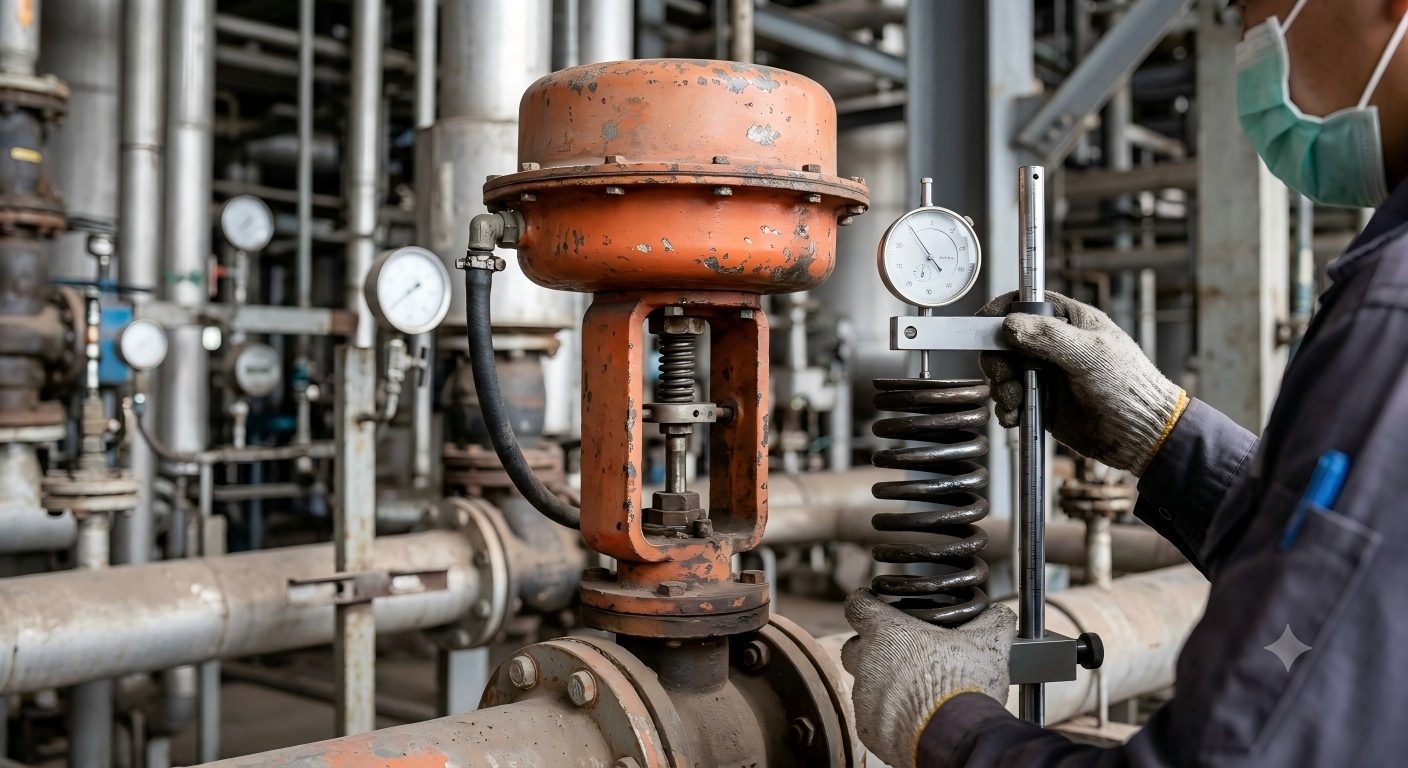
- Professional performance inspection: Compare spring stiffness coefficients of new and used specimens via dedicated spring testing equipment. Replacement is mandatory if coefficient deviation exceeds permissible tolerance or compressed free height surpasses 15% of the original nominal dimension.
Core Specifications for Spring Replacement Procedures
Prioritize Safety and Release Stored Mechanical Energy
Isolate all power supplies and implement lockout-tagout (LOTO) procedures before disassembly. Since springs retain potential mechanical energy, secure the actuator assembly with jacks or dedicated support fixtures to prevent component ejection or equipment tipping during dismantling.
Replace Complete Spring Sets; Prohibit Mixed Old and New Components
For multi-spring configured actuators, never replace only damaged individual springs. Discrepant stiffness between old and new springs creates uneven load distribution and accelerates premature failure of newly fitted parts. Source full spring sets with identical part specifications from the same production batch for integral replacement.
Standardize Installation and Precise Torque Tightening
Thoroughly clean spring seats and mating surfaces to eliminate foreign contaminants. Fasten mounting bolts incrementally following a diagonal tightening sequence with calibrated torque wrenches to specified preload torque values, preventing skewing and deformation caused by one-sided uneven loading.
Post-Installation Commissioning and Closed-Loop Validation
Remove temporary supporting fixtures gradually to allow natural load bearing of the actuator. Conduct no-load trial run to verify smooth operation free of abnormal noise. Complete full-stroke open-close cycling under loaded operating conditions, followed by recalibration of zero and full-scale valve position to restore factory-rated control accuracy.
Routine preventive maintenance is critical to extend actuator service life. Establish standardized spare parts inventory management and predictive replacement protocols to avoid unplanned downtime losses and safeguard site operational safety.
Conclusion
Compliance with standardized replacement protocols for fatigued torque springs on aging actuators resolves equipment faults efficiently, improves automatic valve control stability, reduces recurring repair rates and extends overall actuator service life, enabling safe and efficient operation of industrial piping systems. ValenTech specializes in actuator component upgrading and maintenance solutions, delivering consistent product and standardized servicing to sustain long-term reliable performance of industrial valve systems.
Butterfly Valve Actuators vs Ball Valve Actuators: Core Differences, Selection Guidelines and Application Scenarios
Condensation Prevention for Outdoor Open-Air Actuator Electrical Control Boxes: A Complete Solution to Moisture and Condensation Failures
Related Article
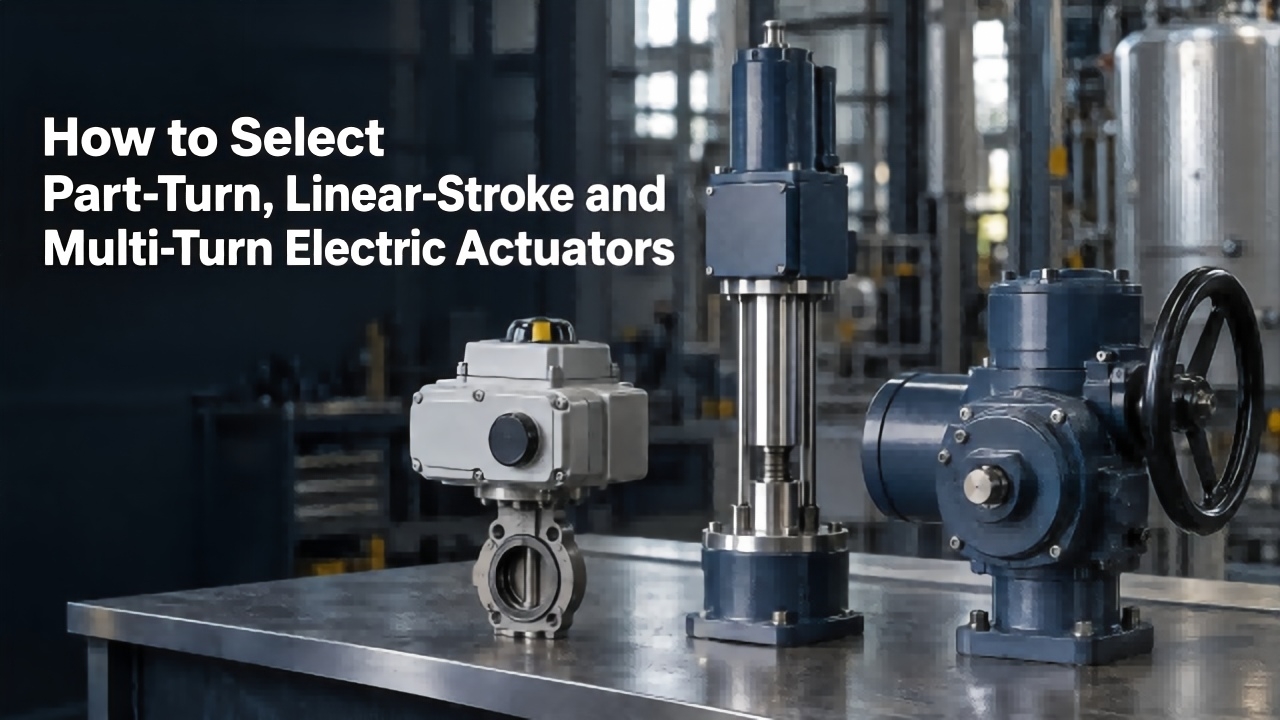
Learn differences among part‑turn, linear‑stroke and multi‑turn electric actuators. This guide covers matching valves, torque‑thrust calculation, 5‑step selection process and typical pitfalls for your industrial actuator applications.
How to Select Part‑Turn, Linear‑Stroke and Multi‑Turn Electric Actuators
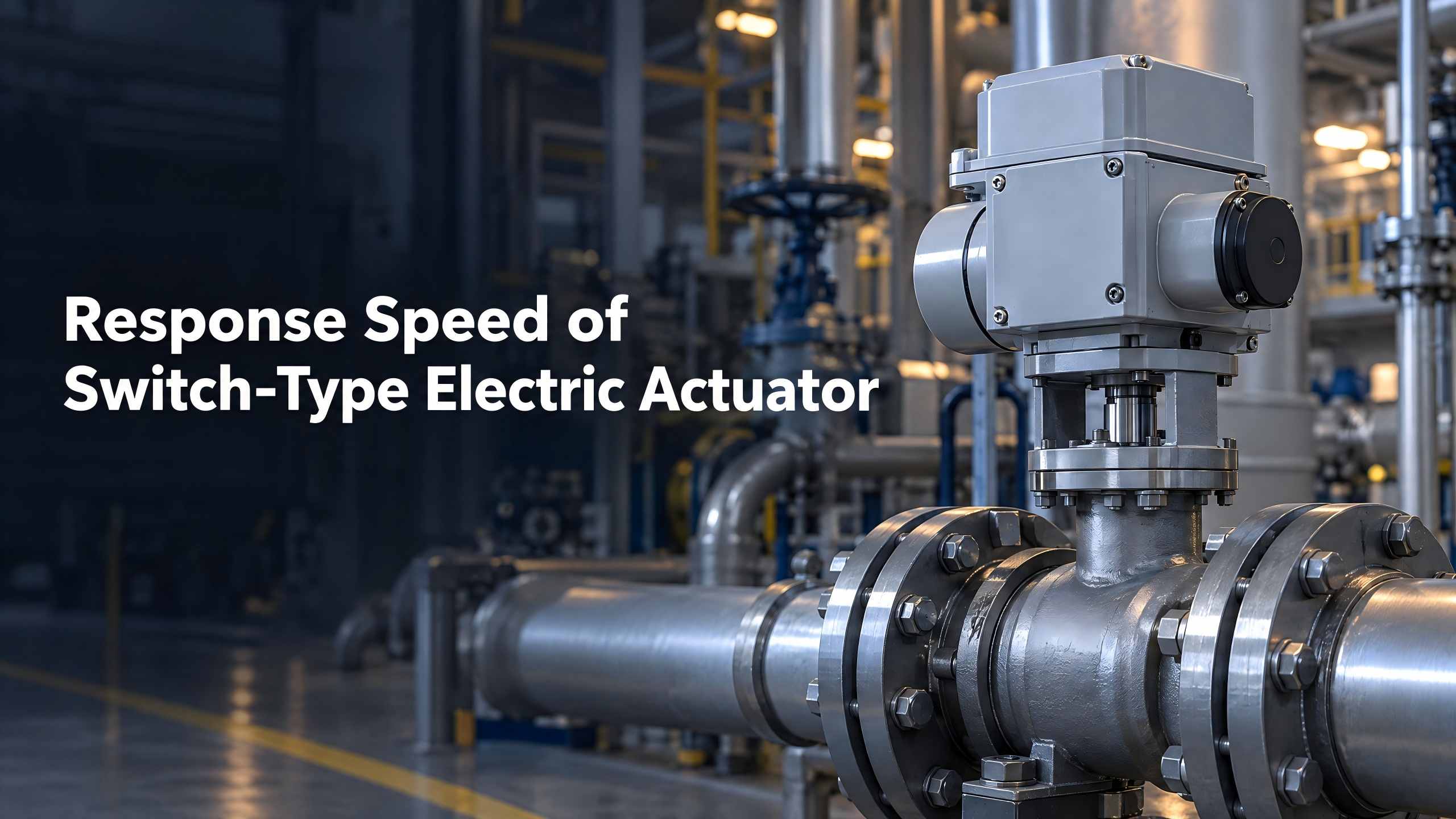
Learn about electric actuator response speed, internal and external influencing factors and key selection points, to select suitable actuators for valve automation projects and ensure efficient and stable system operation.
Response Speed of Switch‑Type Electric Actuator
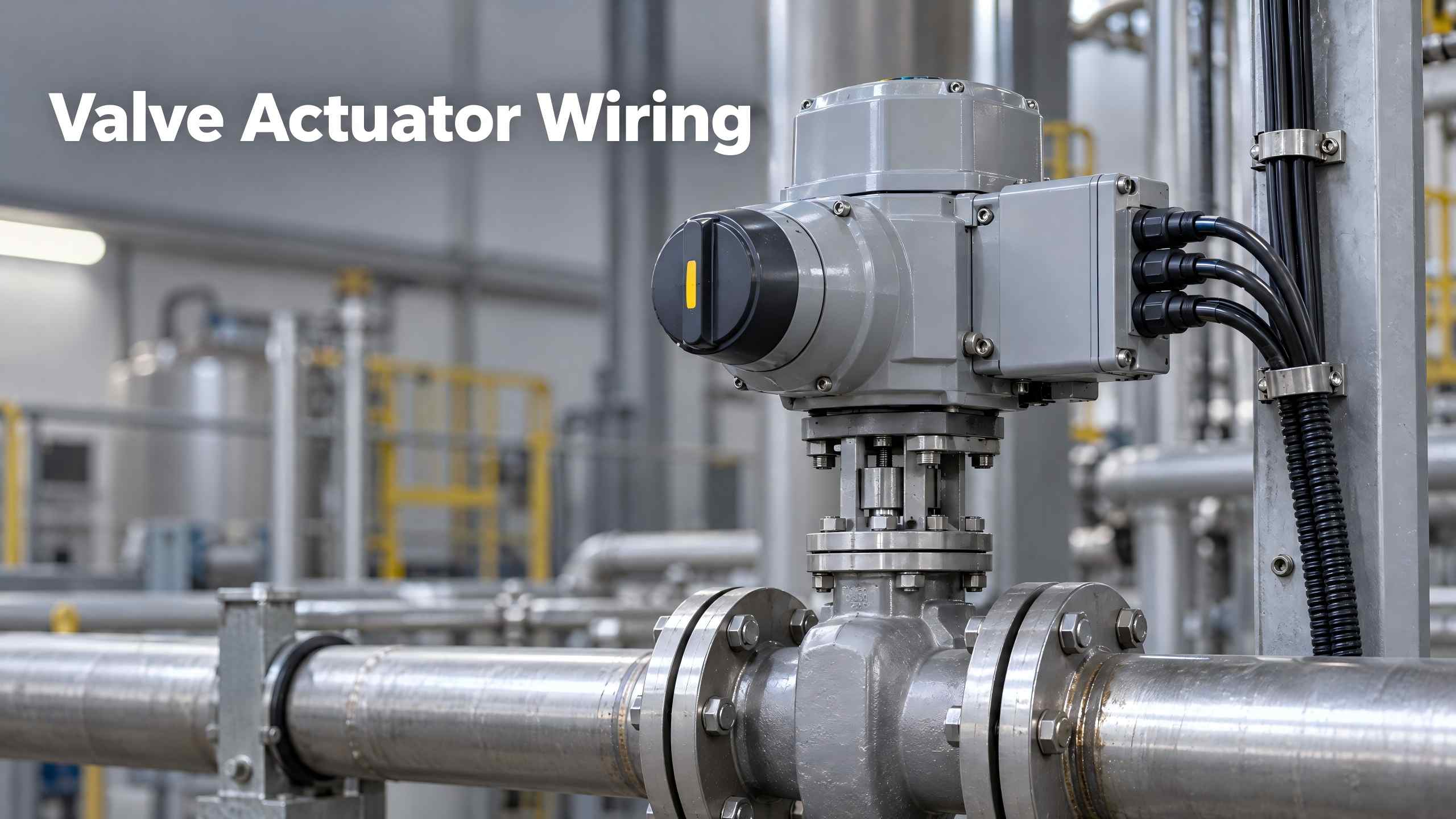
Valve Actuator Wiring describes wiring, commissioning and troubleshooting for electric valve actuators, guiding technicians to adopt standard wiring for stable industrial control.
Valve Actuator Wiring
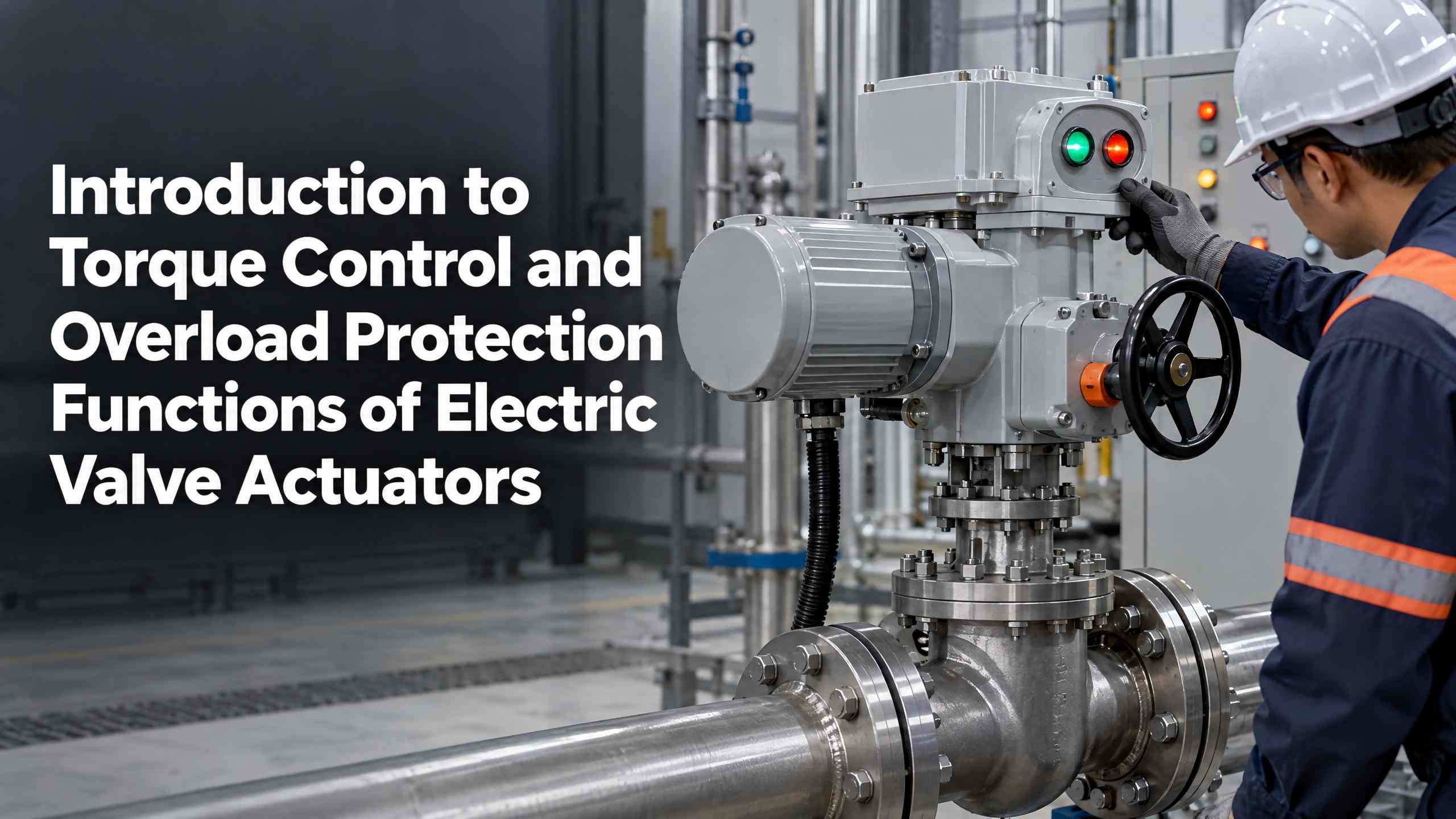
Valen Tech explains electric valve actuator torque control and overload protection functions. Learn how multi‑turn & part‑turn actuators prevent jamming and mechanical damage for petroleum, chemical, power and water pipeline systems.
Introduction to Torque Control and Overload Protection Functions of Electric Valve Actuators