
Key Usage Points for Switch‑Type Electric Actuators in Low‑Temperature Environments
author: ATHENA GROUP
2026-08-19
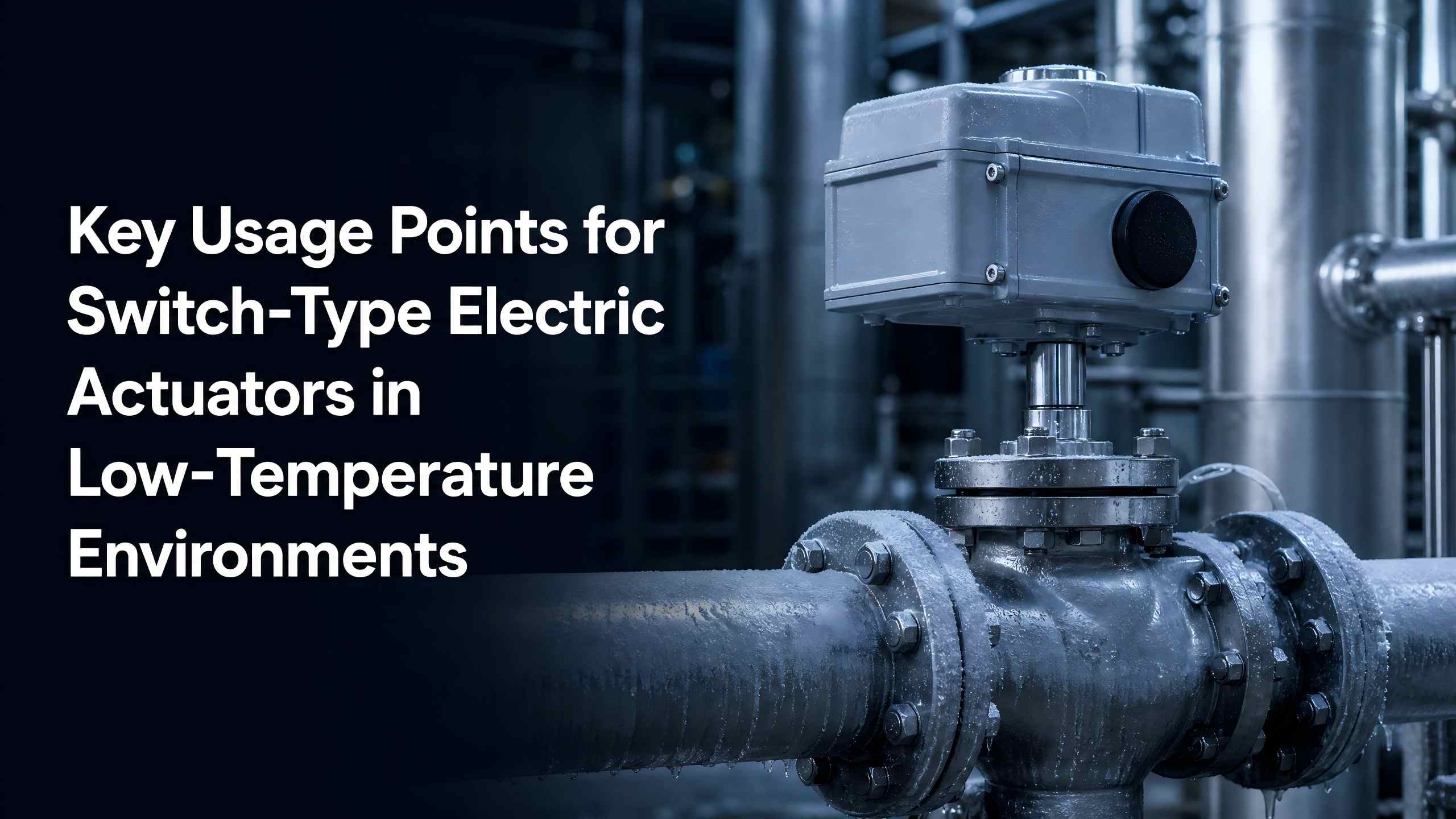
Low‑temperature operating conditions alter the material properties, lubrication status and electrical operating parameters inside equipment. As core drive devices for industrial pipelines and automatic control systems, switch‑type electric actuators directly affect the safe operation of the whole system. In low‑temperature environments, sealing, transmission and electrical components are prone to malfunctions such as jamming during opening‑closing, operational failure and component damage. This document sorts out the key usage points of ValenTech switch‑type electric actuators for low‑temperature environments from four dimensions: type selection, installation, operation and maintenance.
I. Low‑temperature Adaptive Type Selection and Operating Condition Verification
Adaptive type selection serves as the foundation for stable operation under low‑temperature conditions. Verify the official marked operating temperature range of the actuator to match the actual minimum ambient temperature of the project, and reserve a margin of 5‑10 ℃ considering temperature fluctuations so as to avoid operational anomalies triggered by extreme low‑temperature values.
Conventional models are not suitable for extremely cold working conditions. Special models that have passed dedicated low‑temperature tests shall be selected for low‑temperature scenarios. Their materials, sealing accessories and lubricating grease must adapt to low‑temperature environments. Conventional‑temperature models shall never be directly deployed in low‑temperature conditions, so as to prevent metal cold‑shrinkage deformation, hardening and embrittlement of sealing parts, as well as grease solidification and thickening. In addition, motor starting torque decreases at low temperatures. It is recommended to select actuators with 1.3‑1.5 times the calculated torque to prevent locked‑rotor conditions during cold start‑up. For open‑air outdoor applications, the protection rating shall be no lower than IP67; IP68 is required for submerged areas.
II. Installation and Protection Configuration for Low‑temperature Scenarios
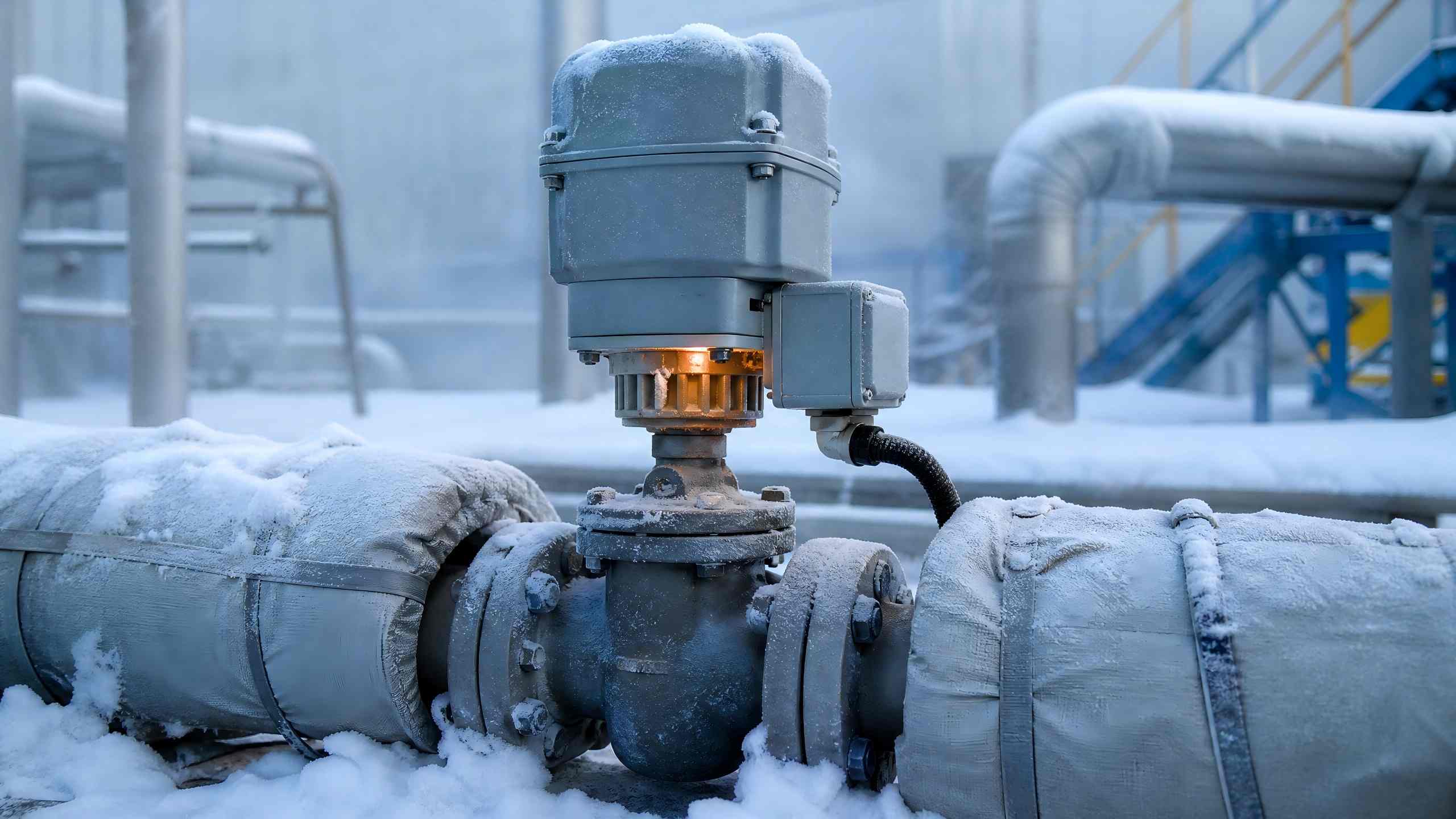
Protection during installation can effectively isolate low‑temperature exposure and moisture erosion. Sealing positions including the junction box, motor housing and end caps shall be tightly sealed to block rain, snow and frost from penetrating into the interior and prevent moisture condensation and frost formation on electrical circuits.
For equipment exposed to low‑temperature environments for long periods, thermal insulation structures and temperature‑controlled heating devices may be fitted. Heater power is generally 50‑100 W, intended only to keep the internal compartment temperature above 0 ℃ rather than heating the whole unit. Install the actuator vertically or horizontally where possible; avoid mounting the wiring cavity facing downwards, which would cause water accumulation and ice formation. Power and signal cables shall adopt‑40 ℃‑rated low‑temperature‑resistant sheaths, and allow for expansion‑contraction clearance inside cable trunking to prevent connectors from being pulled apart by thermal contraction. Clear snow, ice and accumulated water around equipment in a timely manner, and apply overall thermal wrapping for open‑air pipelines and control interfaces.
III. Standard Operating Requirements for Low‑temperature Operating Conditions
Mechanical transmission resistance and electrical parameters change under low‑temperature conditions; conventional operating practices may easily cause overload and component damage. Before starting opening‑closing operations, perform short‑duration no‑load running for pre‑adaptation to eliminate resistance caused by grease solidification and component sticking, then carry out formal opening‑closing actions.
On‑site operation shall never force opening or closing of valves and actuating structures showing jamming symptoms. Do not arbitrarily modify factory‑set torque‑protection and limit‑protection parameters. Component toughness declines at low temperatures; forced operation may fracture transmission components and damage sealing structures. Maintain smooth start‑stop processes, reduce frequent start‑stop and instantaneous reversing actions to lower operating loads under low‑temperature conditions, and avoid overload shutdown and accelerated wear.
IV. Targeted Low‑temperature Maintenance
Routine special maintenance is critical for long‑term stable operation. Under low‑temperature conditions, replace ordinary lithium‑based grease with special low‑temperature‑compatible lubricants (such as silicon‑based or PAO‑based synthetic greases), and replenish or replace them periodically to guarantee satisfactory lubrication of transmission structures.
Inspect wearing parts such as sealing rings and gaskets regularly. Promptly replace accessories suffering low‑temperature ageing, hardening or micro‑cracks to prevent medium leakage and moisture ingress. Meanwhile, check electrical wiring, terminals and switch contacts; remove frost and dust, and fasten loose connections to avoid poor contact and circuit anomalies. During equipment shutdown, drain residual media inside valve bodies to prevent ice expansion from squeezing transmission structures. For long‑term idle equipment, conduct regular no‑load trial runs to preserve the functionality of mechanical and electrical components.
Quick Troubleshooting Table
| Fault Phenomenon | Possible Causes | Treatment Measures |
|---|---|---|
| Abnormal noise on startup with no movement | Solidified lubricating grease / Insufficient torque | Replace low‑temperature grease; re‑verify type‑selection parameters |
| Loss of position‑reaching signal | Icing or oxidation of limit contacts | Clean contacts; inspect sealing performance |
| No display on control board | Low‑temperature failure of power module | Install heater; replace wide‑temperature power supply |
Conclusion
The core of operation management for switch‑type electric actuators in low‑temperature environments lies in matching operating conditions, implementing scientific protection, following standard operation procedures and conducting precise maintenance. Compliance with above requirements according to on‑site low‑temperature characteristics can effectively avoid faults induced by low‑temperature conditions, ensure accurate opening‑closing and stable operation of ValenTech equipment, and lay a solid equipment foundation for industrial automatic control systems.
5 Tips for Selecting an Electric Actuator Manufacturer
Anti-Rust Treatment of Electric Actuators for Water Treatment Valves
Related Article
Learn about electric actuator response speed, internal and external influencing factors and key selection points, to select suitable actuators for valve automation projects and ensure efficient and stable system operation.
Response Speed of Switch‑Type Electric Actuator
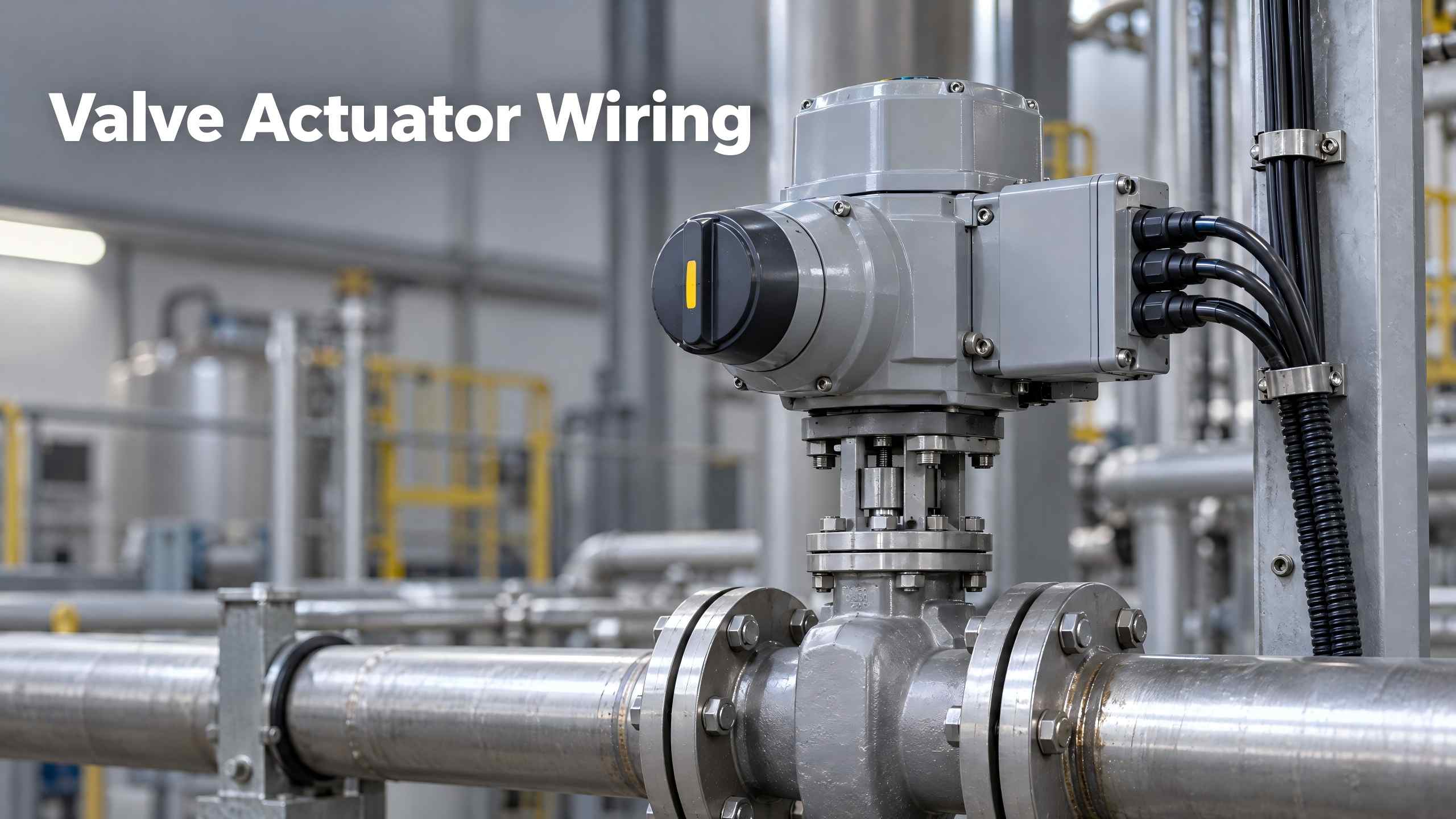
Valve Actuator Wiring describes wiring, commissioning and troubleshooting for electric valve actuators, guiding technicians to adopt standard wiring for stable industrial control.
Valve Actuator Wiring
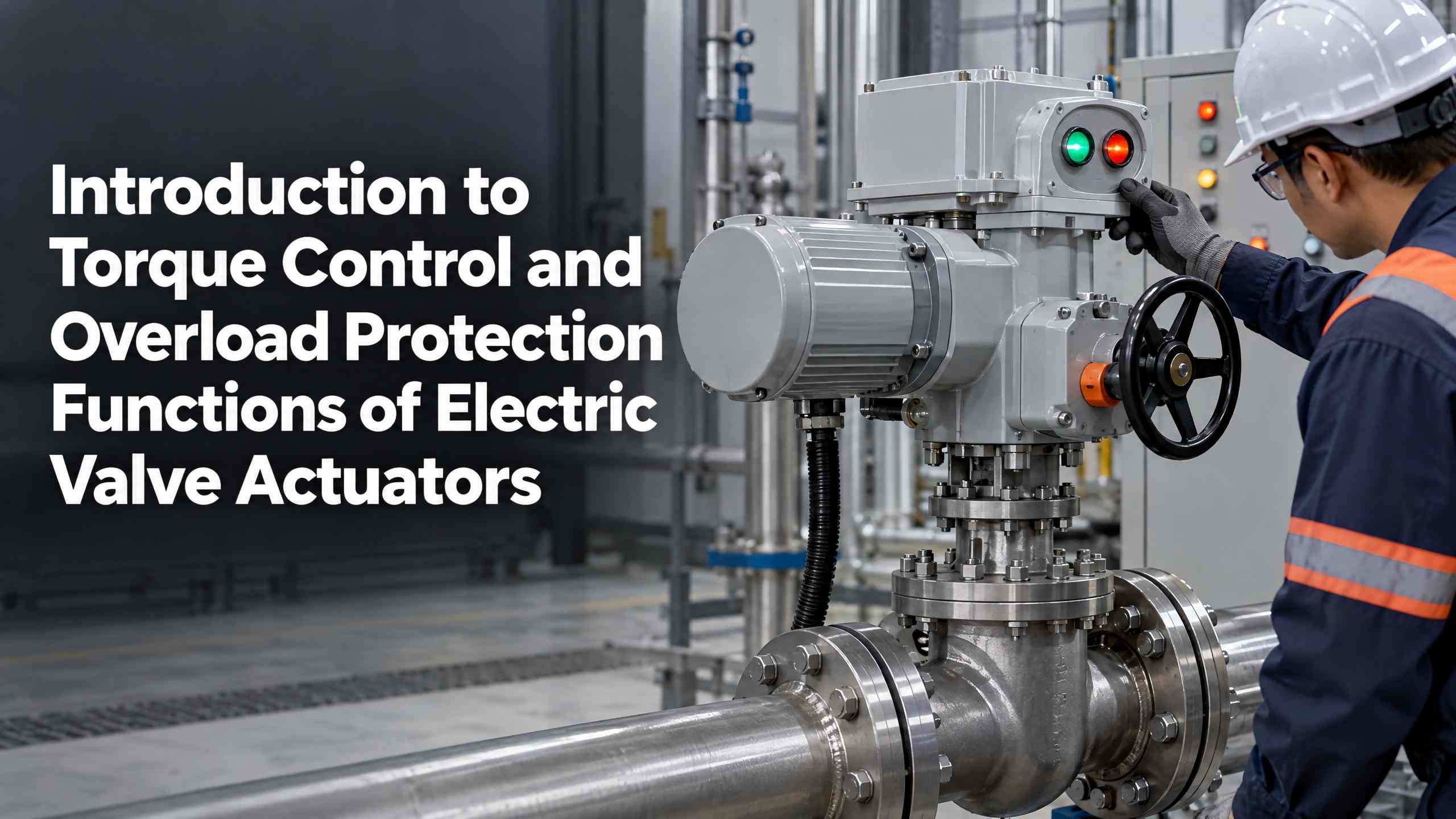
Valen Tech explains electric valve actuator torque control and overload protection functions. Learn how multi‑turn & part‑turn actuators prevent jamming and mechanical damage for petroleum, chemical, power and water pipeline systems.
Introduction to Torque Control and Overload Protection Functions of Electric Valve Actuators
