
The Complete Guide to Double-Acting Pneumatic Rotary Actuators
author: ATHENA GROUP
2025-11-27
Reliable, Efficient, and Precise — The Smart Choice for Industrial Valve Automation
If you’ve ever walked through a chemical plant, a water treatment facility, or an oil refinery, you’ve seen them—those compact, cylindrical devices bolted onto valves, silently doing the heavy lifting. They’re double-acting pneumatic rotary actuators, and they’re the unsung heroes of industrial automation.
Unlike their spring-return cousins, these actuators use compressed air to move in both directions—open and close—delivering consistent torque, faster cycling, and years of trouble-free service. In this guide, we’ll walk you through exactly how they work, which valves they pair with best, and why more engineers are choosing ValenTech for mission-critical applications.
If you’ve ever walked through a chemical plant, a water treatment facility, or an oil refinery, you’ve seen them—those compact, cylindrical devices bolted onto valves, silently doing the heavy lifting. They’re double-acting pneumatic rotary actuators, and they’re the unsung heroes of industrial automation.
Unlike their spring-return cousins, these actuators use compressed air to move in both directions—open and close—delivering consistent torque, faster cycling, and years of trouble-free service. In this guide, we’ll walk you through exactly how they work, which valves they pair with best, and why more engineers are choosing ValenTech for mission-critical applications.
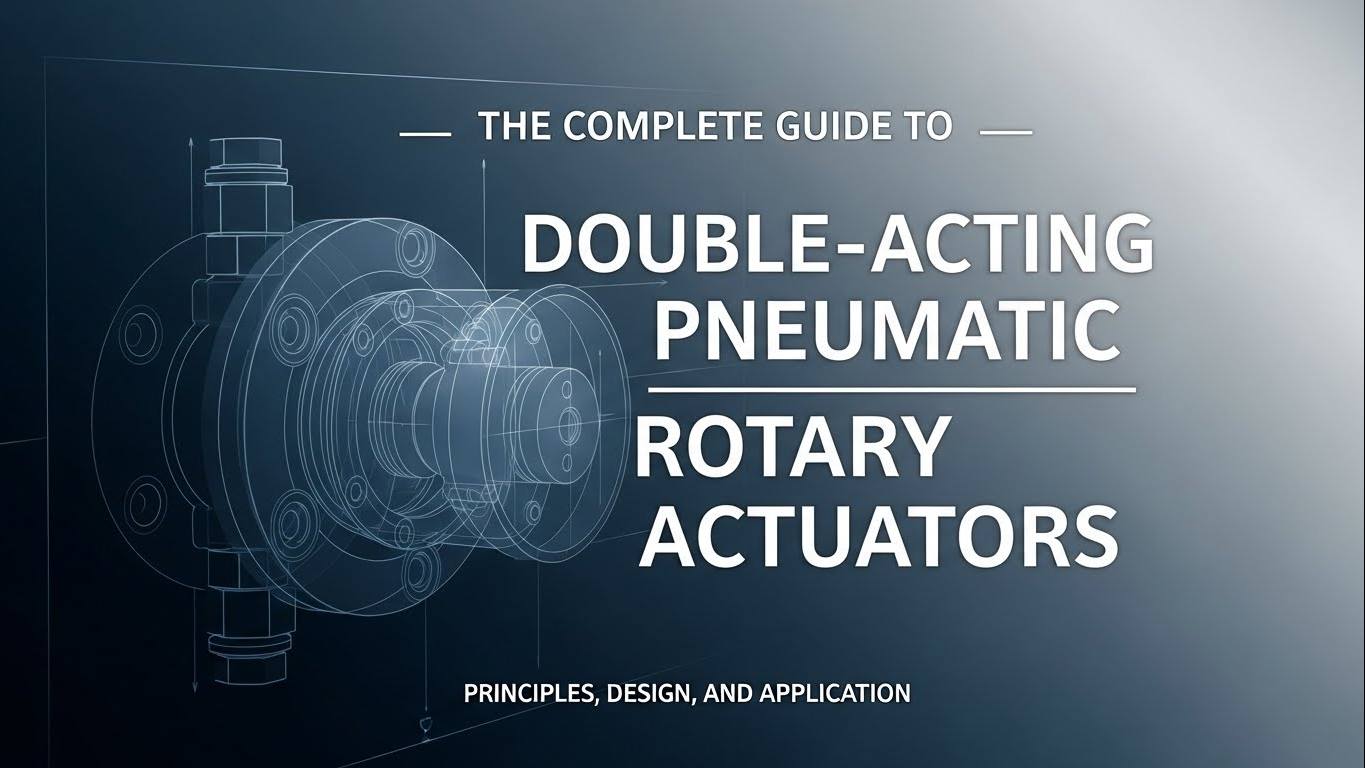
1. What Exactly Is a Double-Acting Pneumatic Rotary Actuator?
Think of it as a “muscle” for your valve. It takes clean, dry compressed air and turns it into smooth, controlled 90° rotation—perfect for quarter-turn valves like ball or butterfly types.
The big difference from single-acting models?
- Single-acting: Only compressed air is input through one side of the airway to provide driving force, while the other side relies on spring return to achieve reverse action
- Double-acting: Air opens and closes the valve. No springs. The piston/rack and pinion move bidirectionally driven by compressed air.
Engineers love them because they offer:
- True two-way control (Port A = open, Port B = close)
- Higher torque for large or high-pressure valves
- Rugged construction (typically aluminum or stainless steel)
- Pinpoint accuracy—critical in processes where flow must be exact
- Less maintenance—fewer parts to wear out, no spring replacement
2. How It Actually Works (No Jargon, We Promise)
It’s simpler than it sounds:
1.Your control system sends a signal—say, “Open the valve.”
2.Compressed air flows into Port A, pushing internal pistons or vanes.
3.The output shaft rotates 90°, opening the valve.
4.When it’s time to close, air switches to Port B, while Port A vents.
5.The shaft spins back—valve closed, job done.
This cycle can repeat thousands of times a day without breaking a sweat. That’s why double-acting actuators dominate in high-cycle applications like batch processing or emergency shutoff systems.
3. Real-World Example: Solving a Sticky Problem in a Chemical Plant
Last year, a specialty chemicals manufacturer in Texas was struggling with frequent valve failures on their reactor feed lines. Their old single-acting actuators kept losing torque—the springs fatigued after just 6 months in the hot, corrosive environment. Downtime was costing them over $20,000 per incident.
They switched to ValenTech double-acting actuators (stainless steel, IP67 rated) paired with ANSI 600 ball valves. Result?
- Zero actuator failures in 18 months
- Cycle time reduced by 30%
- Maintenance visits dropped from monthly to quarterly
“We didn’t just fix a valve problem,” their plant manager told us. “We upgraded our entire reliability mindset.”
4. Which Valves Pair Best With Double-Acting Actuators?
Not every valve needs one—but these four types benefit the most:
| Valve Type | Rotation | Typical Use Cases | Why It Works |
|---|---|---|---|
| Ball Valve | 90° | Oil & gas, chemicals, water | Needs strong, consistent torque for bubble-tight shutoff |
| Butterfly Valve | 90° | HVAC, wastewater, food processing | Lightweight + fast response = ideal for flow modulation |
| Plug Valve | 90° | Refineries, petrochemical plants | Handles high friction and slurry media with steady torque |
? Pro tip: Always check your valve’s break-to-open torque, operating pressure, and ambient conditions. At ValenTech, we’ll run a free compatibility check—no obligation.
5. Why Valen Tech Stands Out
We’ve shipped over 50,000 double-acting actuators worldwide—and here’s why customers keep coming back:
- Torque you can count on: 10 to 5,000 N·m, covering valves from ½" to 24"
- Built tough: Aluminum housings with optional stainless steel for harsh zones
- Fast action: Full stroke in as little as 0.5 seconds
- Plug-and-play: ISO 5211 compliant—fits most valves right out of the box
- Smart customization: Need explosion-proof (Ex d IIC T6)? Extreme temps? Custom mounting? Done.
Most importantly—we design for real-world conditions, not just lab specs.
6. Final Thought: It’s Not Just About Moving a Valve
A great actuator doesn’t just rotate a stem—it keeps your process running safely, efficiently, and predictably. In industries where a stuck valve can mean lost production, safety risks, or environmental fines, reliability isn’t optional.
At ValenTech, we engineer our double-acting actuators with one goal: to disappear into your system—so you only notice them when they don’t fail.
Ready to upgrade your valve automation?
? Contact us today for a free consultation, sample unit, or custom solution tailored to your plant’s needs.
150 PSI Pneumatic Systems Applications
What Does IP68 Actually Mean
Related Article
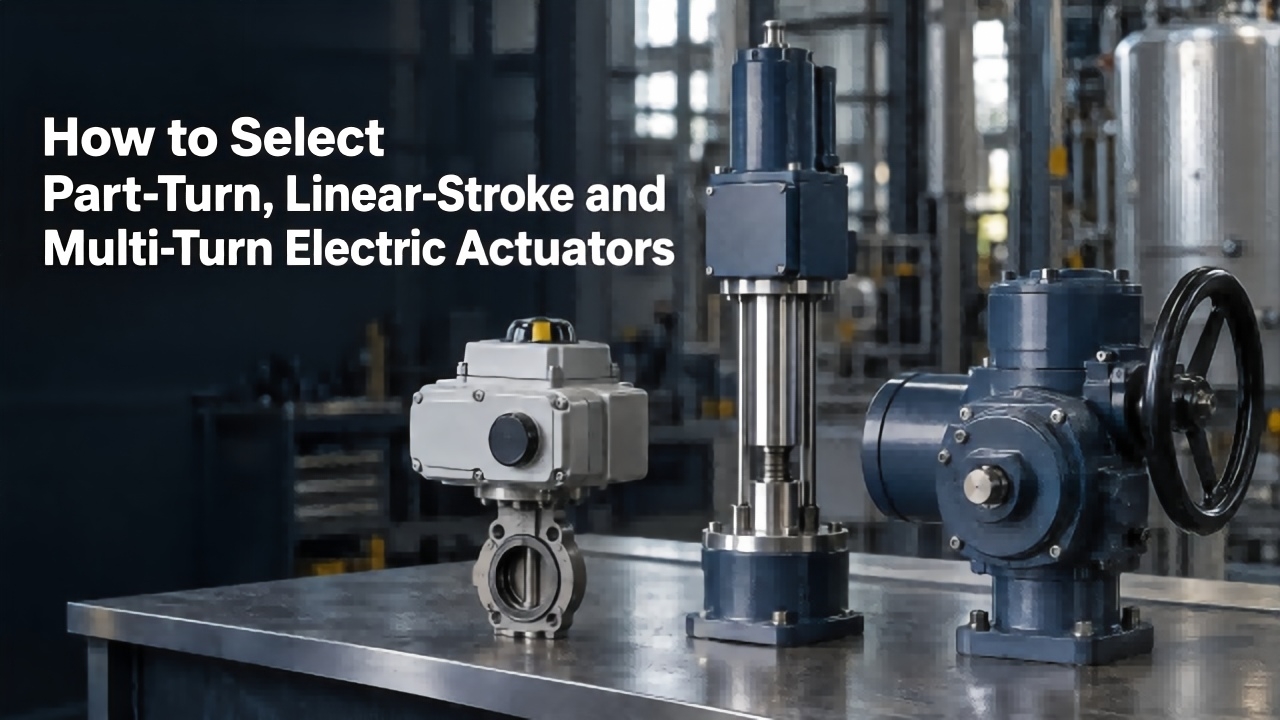
Learn differences among part‑turn, linear‑stroke and multi‑turn electric actuators. This guide covers matching valves, torque‑thrust calculation, 5‑step selection process and typical pitfalls for your industrial actuator applications.
How to Select Part‑Turn, Linear‑Stroke and Multi‑Turn Electric Actuators
Learn about electric actuator response speed, internal and external influencing factors and key selection points, to select suitable actuators for valve automation projects and ensure efficient and stable system operation.
Response Speed of Switch‑Type Electric Actuator
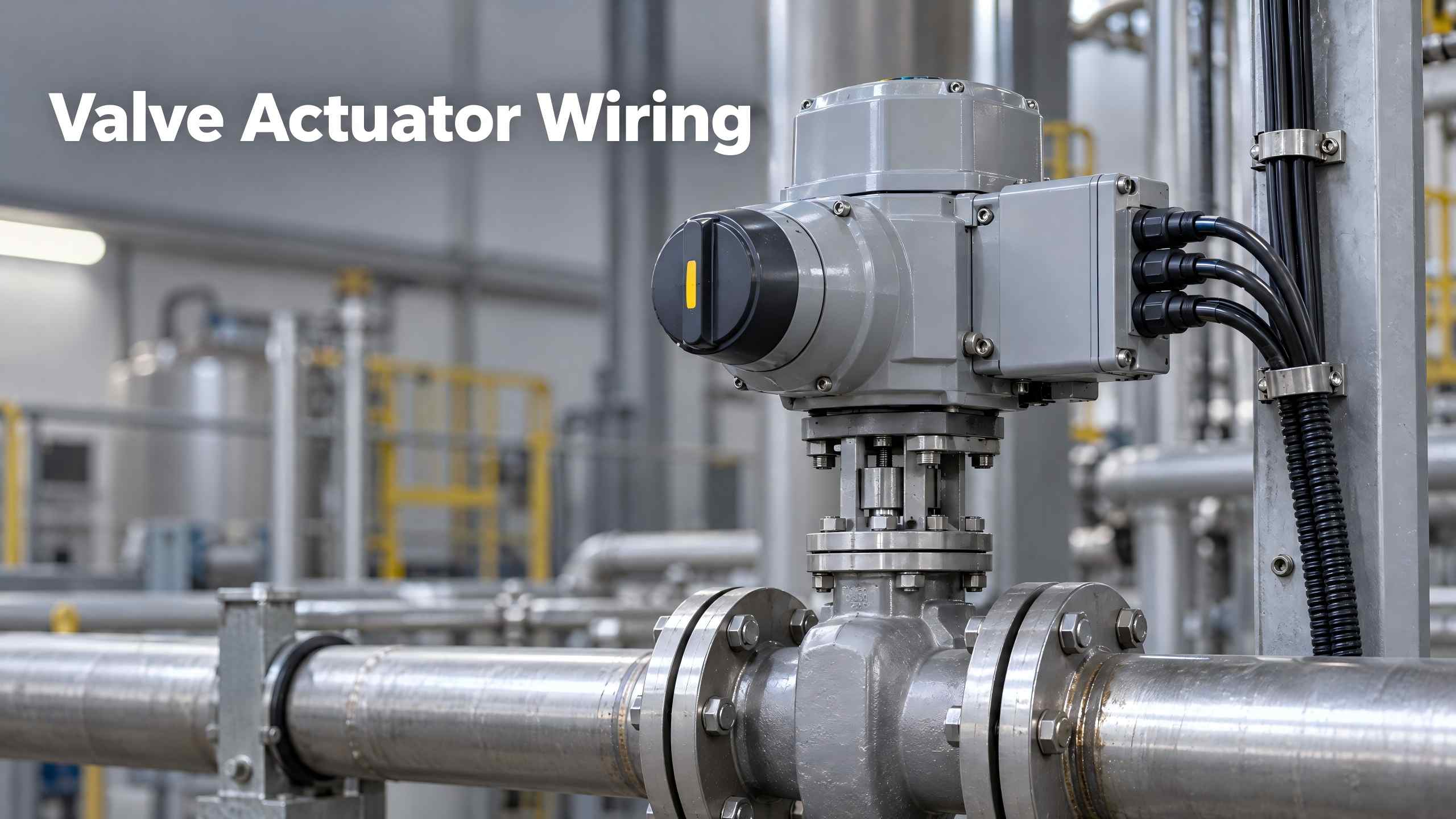
Valve Actuator Wiring describes wiring, commissioning and troubleshooting for electric valve actuators, guiding technicians to adopt standard wiring for stable industrial control.
Valve Actuator Wiring
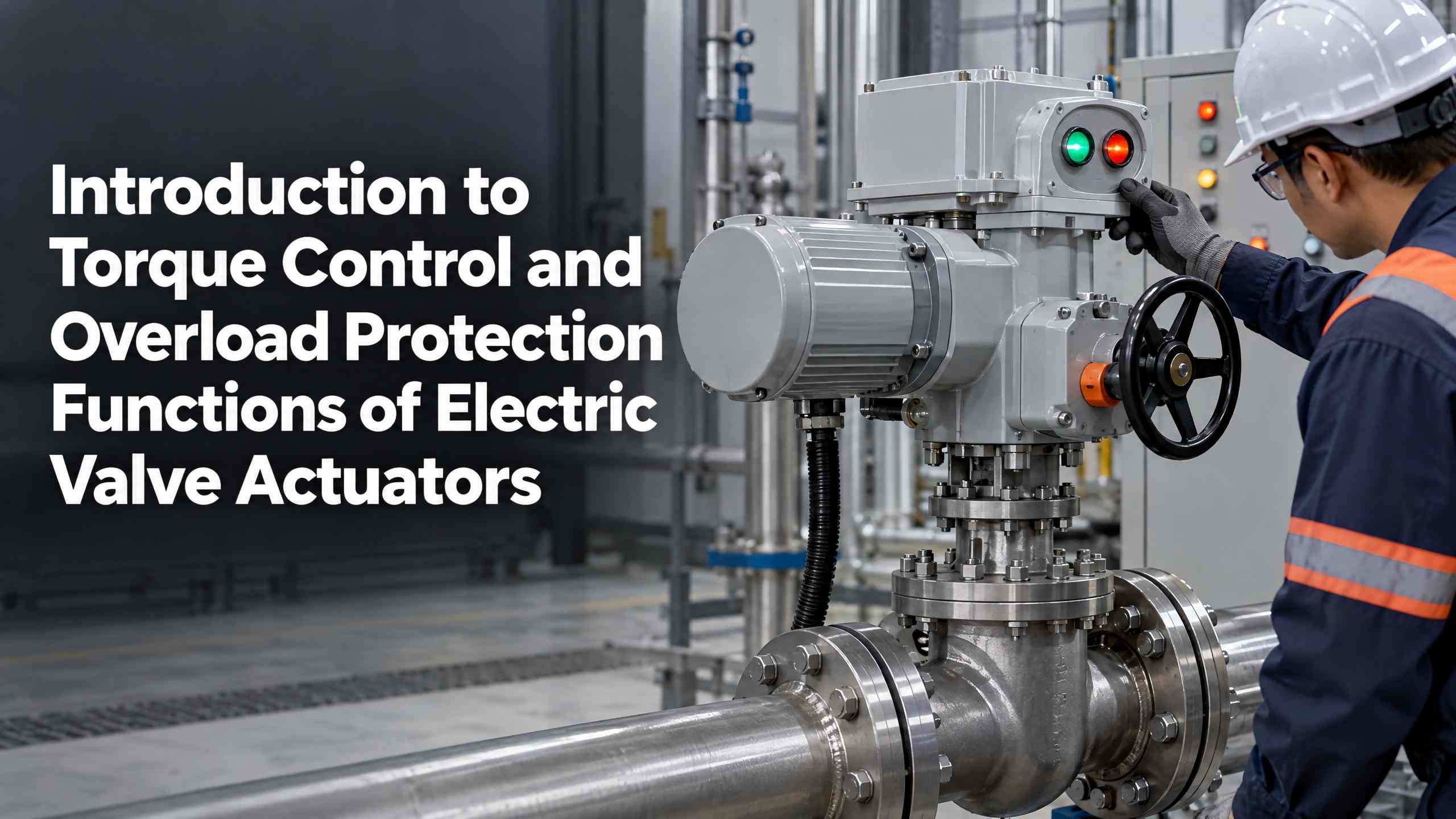
Valen Tech explains electric valve actuator torque control and overload protection functions. Learn how multi‑turn & part‑turn actuators prevent jamming and mechanical damage for petroleum, chemical, power and water pipeline systems.
Introduction to Torque Control and Overload Protection Functions of Electric Valve Actuators