
Understand Electric Butterfly Valves: From Basics to Advanced Applications
author: ATHENA GROUP
2026-07-21
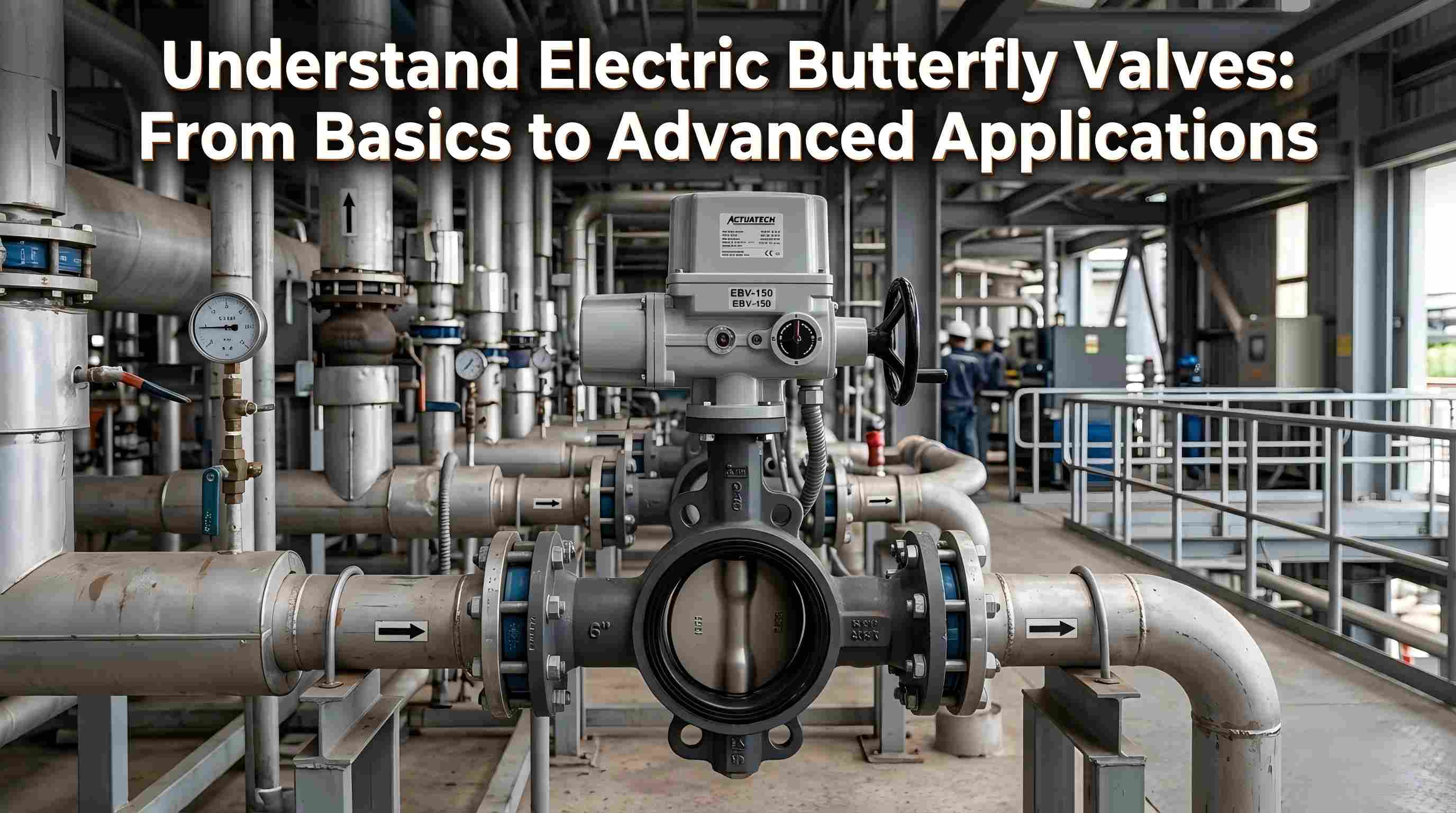
1. Overview: What Is an Electric Butterfly Valve?
An electric butterfly valve is a core automatic control device for modern industrial pipeline systems. It consists of a butterfly valve body and a matching electric actuator, used to automatically regulate fluids such as water, gas, oil, and corrosive media. It is widely applied in municipal engineering, HVAC, chemical industry, fire protection and other fields. Compared with traditional manual valves, electric butterfly valves support remote automatic operation via electric actuators. They greatly improve fluid control efficiency while reducing manual operation costs and on-site safety risks.
2. Core Components of Electric Butterfly Valves
The stable operation of electric butterfly valves relies on four core components, which jointly determine the overall service life and sealing performance:
2.1 Valve Body
As the main connecting part of the pipeline, common types include wafer, flange, and lug styles. Available materials include cast iron, carbon steel, stainless steel and more, which can be selected according to different pipeline pressure levels and medium characteristics to adapt to various working conditions.
2.2 Butterfly Disc
The butterfly disc is the key moving component of the valve. It rotates 0° to 90° to change the pipeline flow area, realizing full opening, full closing, and adjustable flow regulation of fluid media.
2.3 Sealing Ring
Sealing rings are divided into EPDM and PTFE soft seals, as well as metal hard seals. Soft seals achieve zero leakage for normal-temperature clean water and conventional gas. Metal hard seals resist high temperature, high pressure and corrosion, suitable for steam, high-temperature heavy oil and other harsh media. The sealing ring directly determines the valve’s leakage resistance.
2.4 Electric Actuator
Serving as the power and intelligent control core, the electric actuator is built with motors, gear sets and limit switches. It accurately drives the rotation of the butterfly disc and responds to automatic control signals. High-end actuators support real-time valve position feedback for intelligent pipeline management.
3. Working Principle
Electric butterfly valves are quarter-turn valves with simple and reliable working logic. The electric actuator receives commands from PLC and DCS control systems, converts electric energy into rotational torque through gear transmission, and drives the valve stem and butterfly disc to rotate. When the disc is parallel to the fluid direction, the valve is fully open; when perpendicular to the pipeline, the valve is fully closed. Any angle between 0° and 90° enables stepless adjustment of flow rate and pressure. Built-in sensors feed back real-time valve position data, ensuring precise, low-noise and stable long-term operation.
4. Main Types of Electric Butterfly Valves
4.1 Classification by Control Function
On-off Type: This type only supports full open and full close status with fast response. It is commonly used for simple fluid cutoff and diversion in fire protection systems, municipal water supply and sewage pipelines.
Modulating Type: Modulating electric butterfly valves accept 4-20mA and 0-10V analog signals to precisely adjust disc opening. Ideal for high-precision fluid control in chemical proportioning, thermal power circulation and automated industrial processes.
4.2 Classification by Connection Structure
Wafer Type: Compact and cost-effective, wafer butterfly valves are clamped between two pipeline flanges, perfect for medium and low-pressure pipelines with limited installation space.
Flange Type: Equipped with integrated flanges on both sides, flange butterfly valves feature stable connection and strong pressure resistance, suitable for large-diameter and high-pressure industrial pipelines.
Lug Type: Designed with independent threaded lugs, lug butterfly valves allow single-side disassembly and maintenance without shutting down the entire pipeline, ideal for frequently maintained production lines.
Welded & Threaded Type: Welded valves provide ultra-tight sealing for high-temperature, high-pressure and leak-sensitive working conditions. Threaded types are compact and easy to install, mostly used for small-scale equipment and laboratory pipelines.
5. Key Advantages
5.1 Intelligent and Precise Control
Equipped with high-precision actuators, electric butterfly valves realize stepless fluid parameter adjustment, eliminate manual operation errors, meet refined industrial production standards, and improve overall pipeline operation stability.
5.2 Remote and Safe Operation
Operators can remotely control valve status through the central control system without on-site operation. This greatly reduces safety risks in harsh working conditions involving flammable, explosive, high-temperature and corrosive media.
5.3 Energy Saving and Eco-Friendly
Unlike pneumatic valves that require continuous air supply, electric actuators stop consuming power once reaching the target position. Their low flow resistance reduces pump load and energy consumption, complying with modern green industrial development trends.
5.4 Easy Installation and Low Maintenance
Featuring lightweight and compact structure, electric butterfly valves occupy less installation space and reduce construction costs. With stable performance and low failure rates, they only require routine inspection, effectively lowering long-term operation and maintenance expenses.
6. Professional Selection Guidelines
When selecting electric butterfly valves, users must match parameters with actual working conditions, including pipe diameter, working pressure, medium temperature and fluid corrosiveness. It is necessary to choose on-off or modulating actuators with suitable IP waterproof ratings and explosion-proof grades. Proper parameter matching prevents leakage and torque insufficiency, ensuring long-term and stable operation of industrial pipeline systems.
Detailed Classification of Industrial Electric Actuators
Differences Between On-off Type and Modulating Type Multi-turn Electric Valve Actuators
Related Article
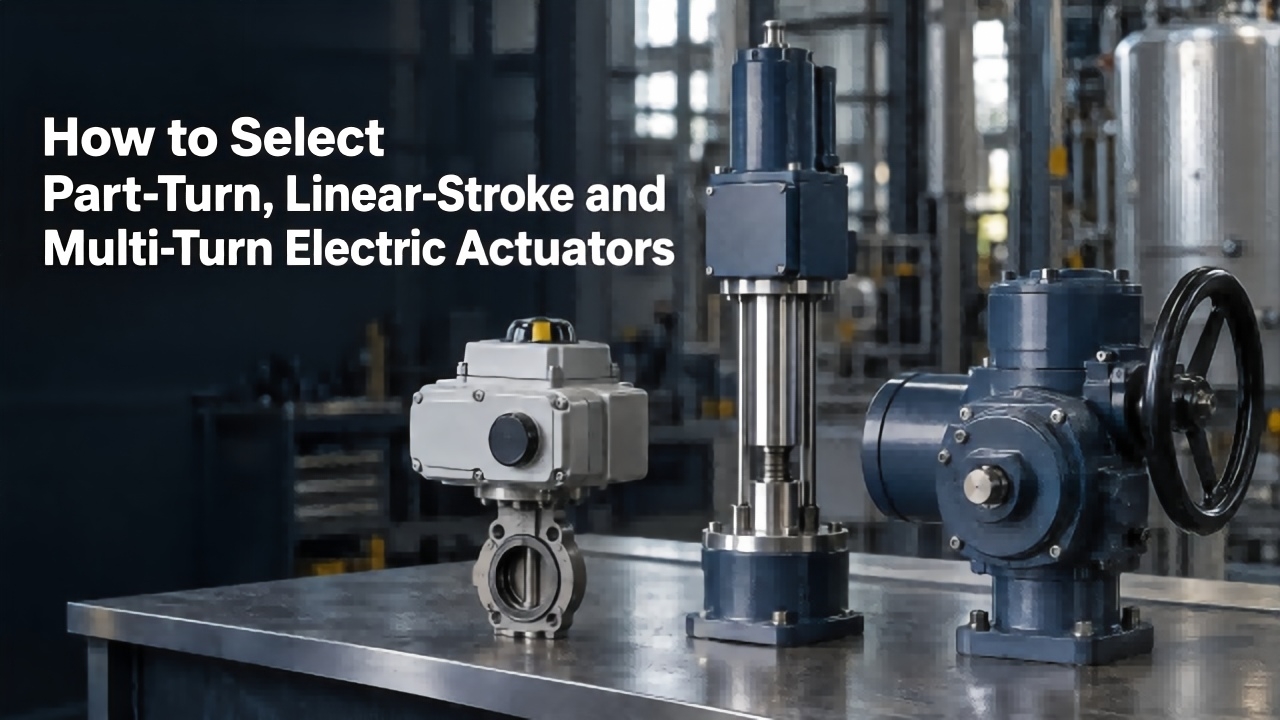
Learn differences among part‑turn, linear‑stroke and multi‑turn electric actuators. This guide covers matching valves, torque‑thrust calculation, 5‑step selection process and typical pitfalls for your industrial actuator applications.
How to Select Part‑Turn, Linear‑Stroke and Multi‑Turn Electric Actuators
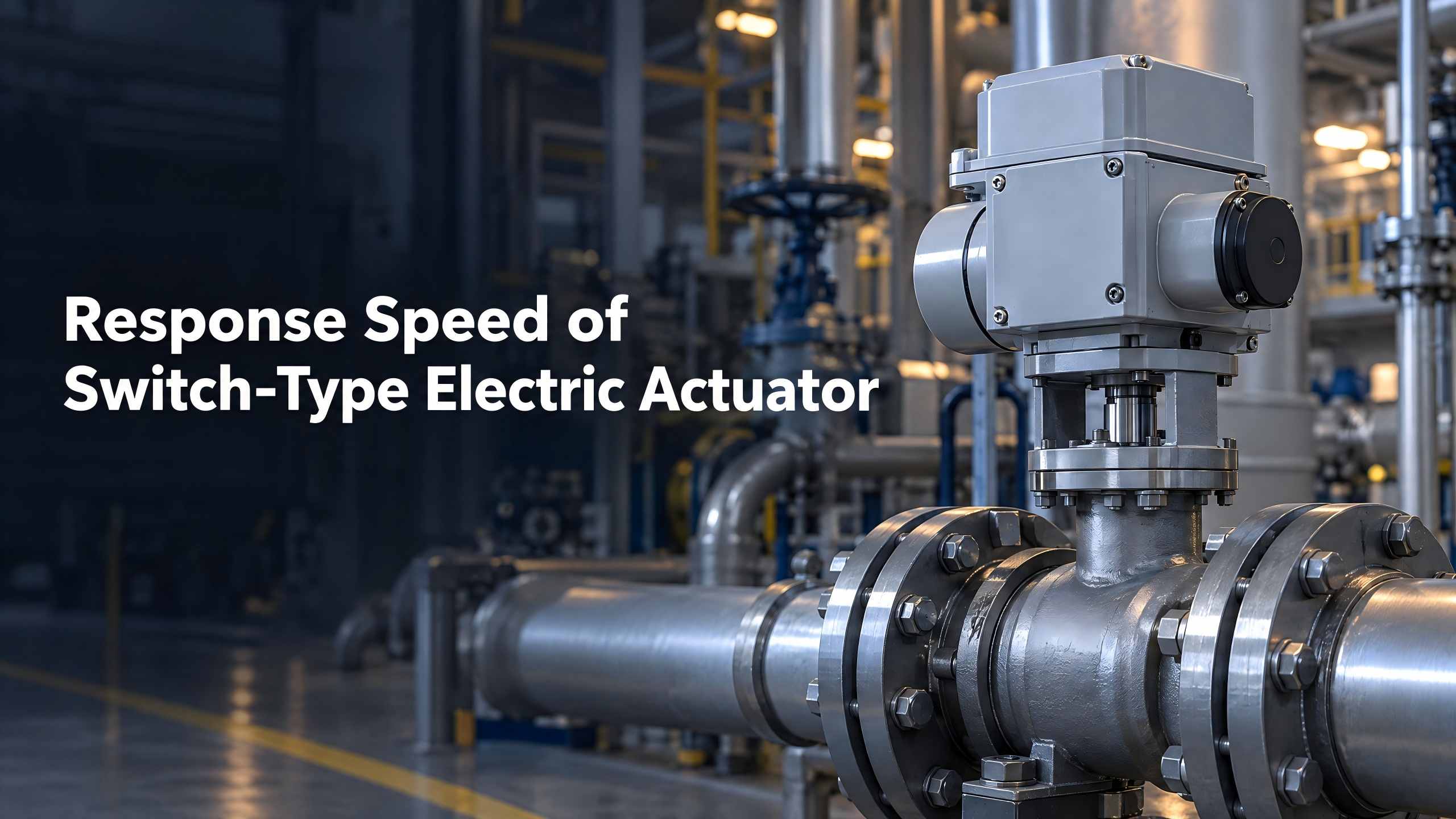
Learn about electric actuator response speed, internal and external influencing factors and key selection points, to select suitable actuators for valve automation projects and ensure efficient and stable system operation.
Response Speed of Switch‑Type Electric Actuator
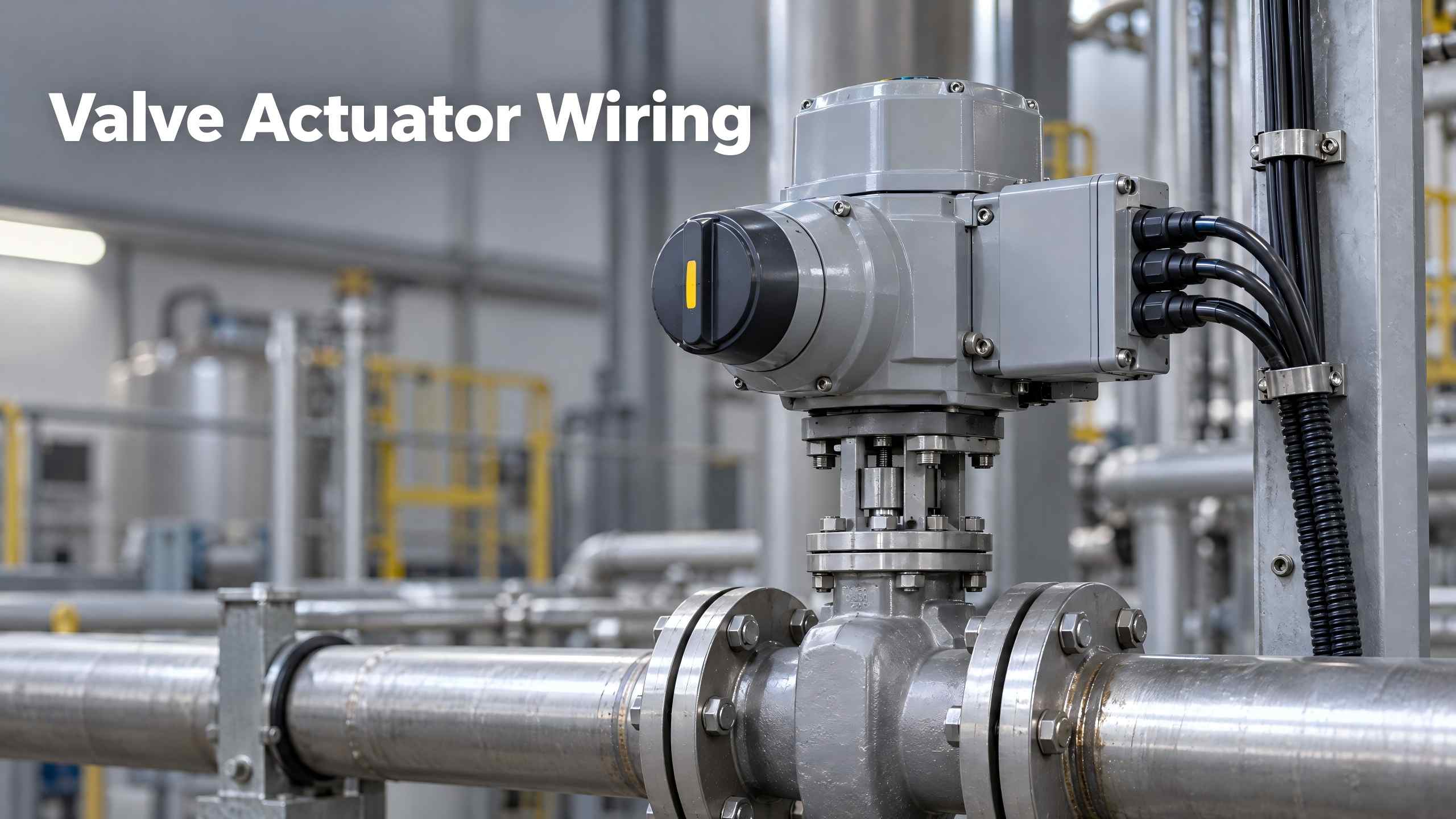
Valve Actuator Wiring describes wiring, commissioning and troubleshooting for electric valve actuators, guiding technicians to adopt standard wiring for stable industrial control.
Valve Actuator Wiring
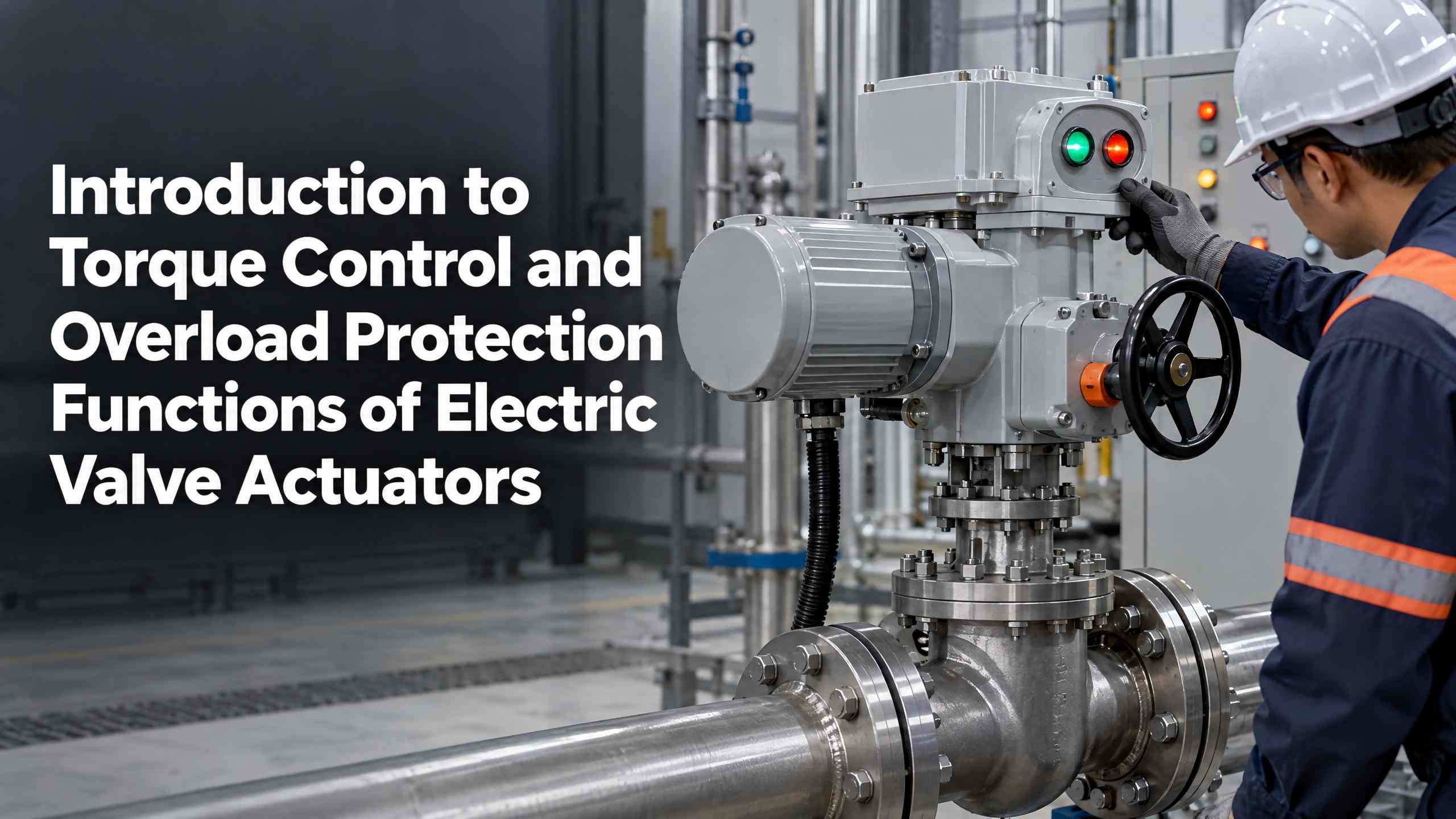
Valen Tech explains electric valve actuator torque control and overload protection functions. Learn how multi‑turn & part‑turn actuators prevent jamming and mechanical damage for petroleum, chemical, power and water pipeline systems.
Introduction to Torque Control and Overload Protection Functions of Electric Valve Actuators