
what is an actuator valve?
author: ATHENA GROUP
2026-05-18
If you work in industries such as manufacturing, oil and gas, water treatment, or power generation, you may have heard the term "valve actuator". But what exactly is a valve actuator? Simply put, a valve actuator is a mechanical device that integrates a valve with an actuator. It eliminates the need for manual operation, making industrial processes more efficient, precise, and safe.
How Does a Valve Actuator Work?
The core function of any actuator is to convert energy into torque or thrust. Although different types of actuators have different internal structures, their basic working principle generally consists of three steps:
- Signal Reception: The actuator receives an input signal (e.g., 4-20mA analog signal, discrete signal, etc.).
- Energy Conversion: Internal mechanisms (such as motors, pistons, or diaphragms) convert energy into mechanical motion.
- Valve Actuation: This motion is transmitted to the valve stem to change the valve opening, thereby regulating the flow of media.
Common Types of Valve Actuators
Valve actuators are classified by the type of actuator used. The three most common types are as follows:
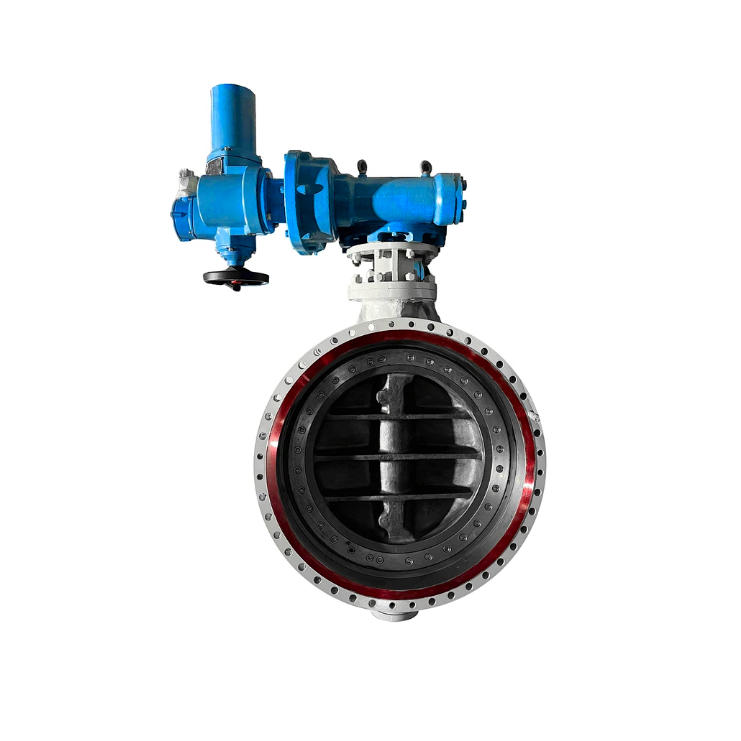
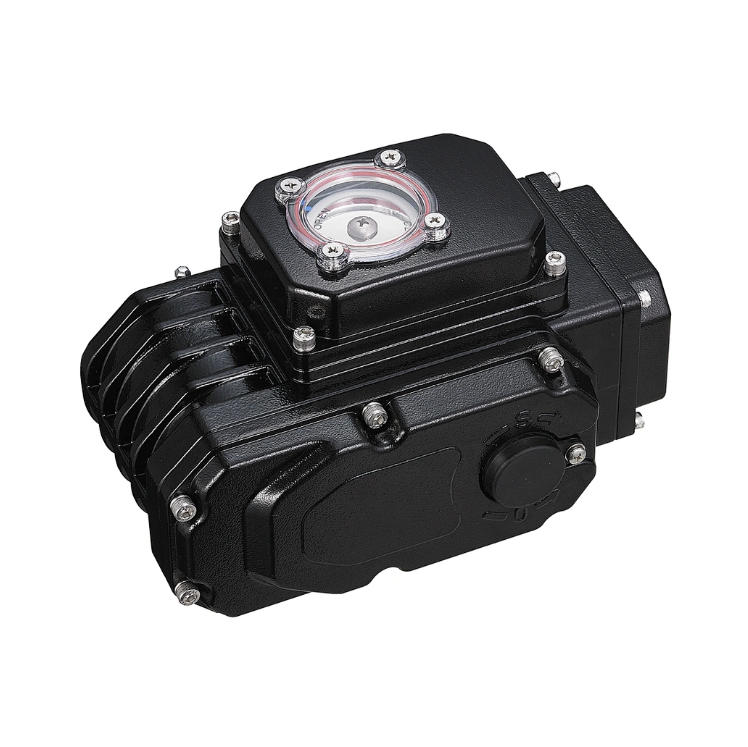
1.Electric Valve Actuator
Driven by an electric motor, it is the most widely used type in industrial applications. They are energy-efficient, precise, and easy to integrate with digital control systems. Electric valve actuators are suitable for scenarios where compressed air or hydraulic oil is unavailable, such as remote areas.
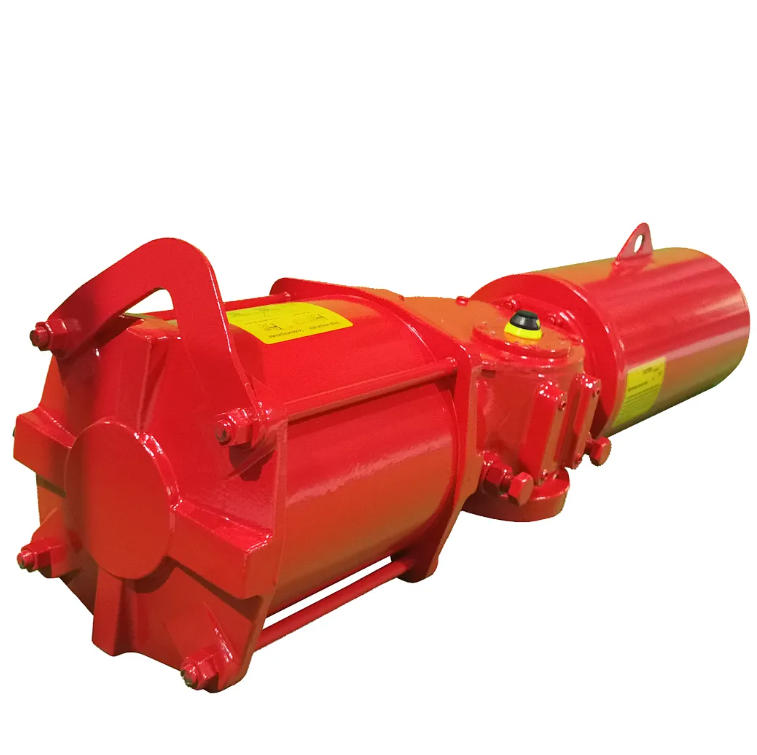
2.Pneumatic Valve Actuator
Driven by compressed air, it acts quickly and durably, making it ideal for high-pressure or high-temperature environments (e.g., oil and gas refineries). Its simple design and low maintenance requirements make it cost-effective for large-scale operations.
3.Hydraulic Valve Actuator
Driven by hydraulic oil, it can provide powerful force and torque, suitable for large, heavy-duty valves (such as those in power plants or pipeline systems). They are suitable for applications requiring precise control of high-pressure flow.
Quick Comparison: Electric Actuator vs Pneumatic Actuator
| Features | Electric Actuator | Pneumatic Actuator |
|---|---|---|
| Power Source | Electricity | Compressed Air |
| Control Accuracy | High (ideal for modulating control) | Medium (usually requires a positioner) |
| Response Speed | Relatively Slow | Extremely Fast |
| Safety | Requires Explosion-Proof Enclosure | Intrinsically Explosion-Proof, High Safety |
| Maintenance Cost | Relatively Low | Regular inspection of air supply quality (water and oil removal) required |
Summary
So, what is a valve actuator? It is the bridge connecting your digital control commands to physical fluid management. Whether you choose an electric actuator for high precision or a pneumatic actuator for speed and intrinsic safety, selecting the right actuator is critical to the efficient and safe operation of industrial systems. ValenTech specializes in the R&D and production of industrial valve actuators, providing precise and reliable automated flow control products for various industries. With European design standards and mature manufacturing processes, we offer precise, reliable, and cost-effective automated flow control products for oil and gas, water treatment, power generation, manufacturing, and other industries, fully meeting fluid control needs in different scenarios.
Hazards of Misusing Large-Stroke Actuators on Low-Torque Valves
Simple Guide to Selecting Electric Linear Actuators and Pneumatic Cylinders
Related Article
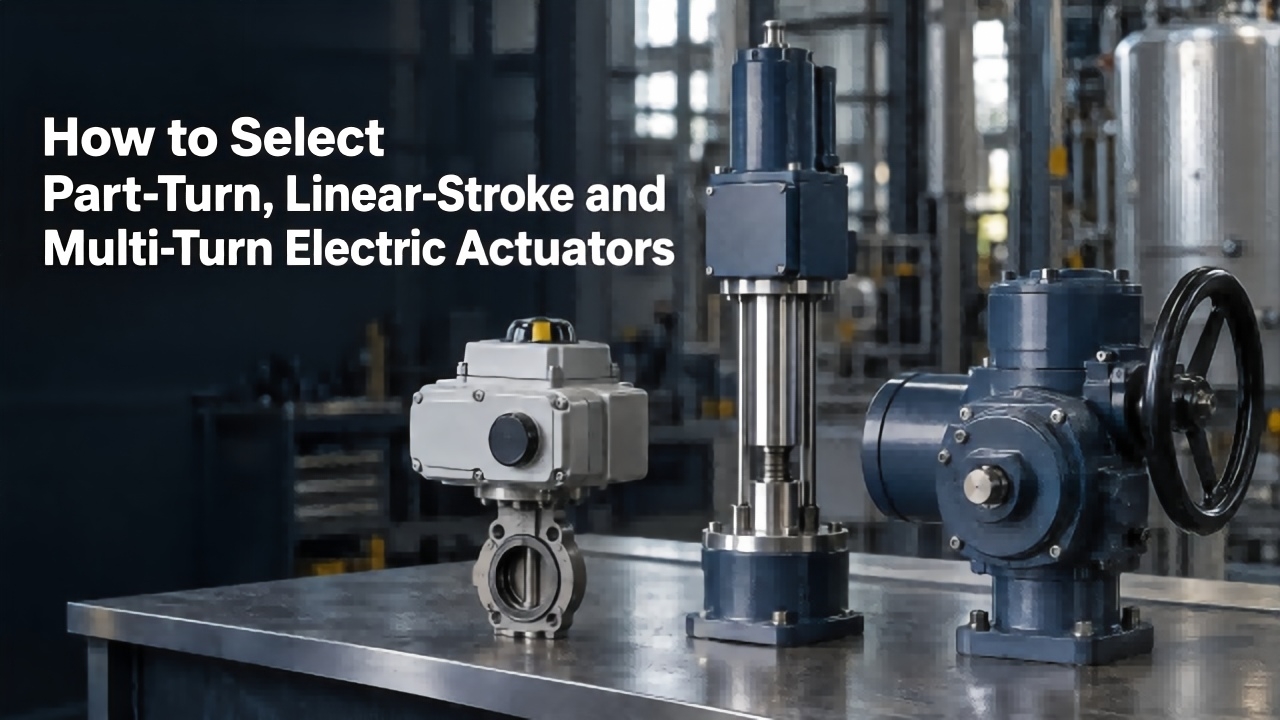
Learn differences among part‑turn, linear‑stroke and multi‑turn electric actuators. This guide covers matching valves, torque‑thrust calculation, 5‑step selection process and typical pitfalls for your industrial actuator applications.
How to Select Part‑Turn, Linear‑Stroke and Multi‑Turn Electric Actuators
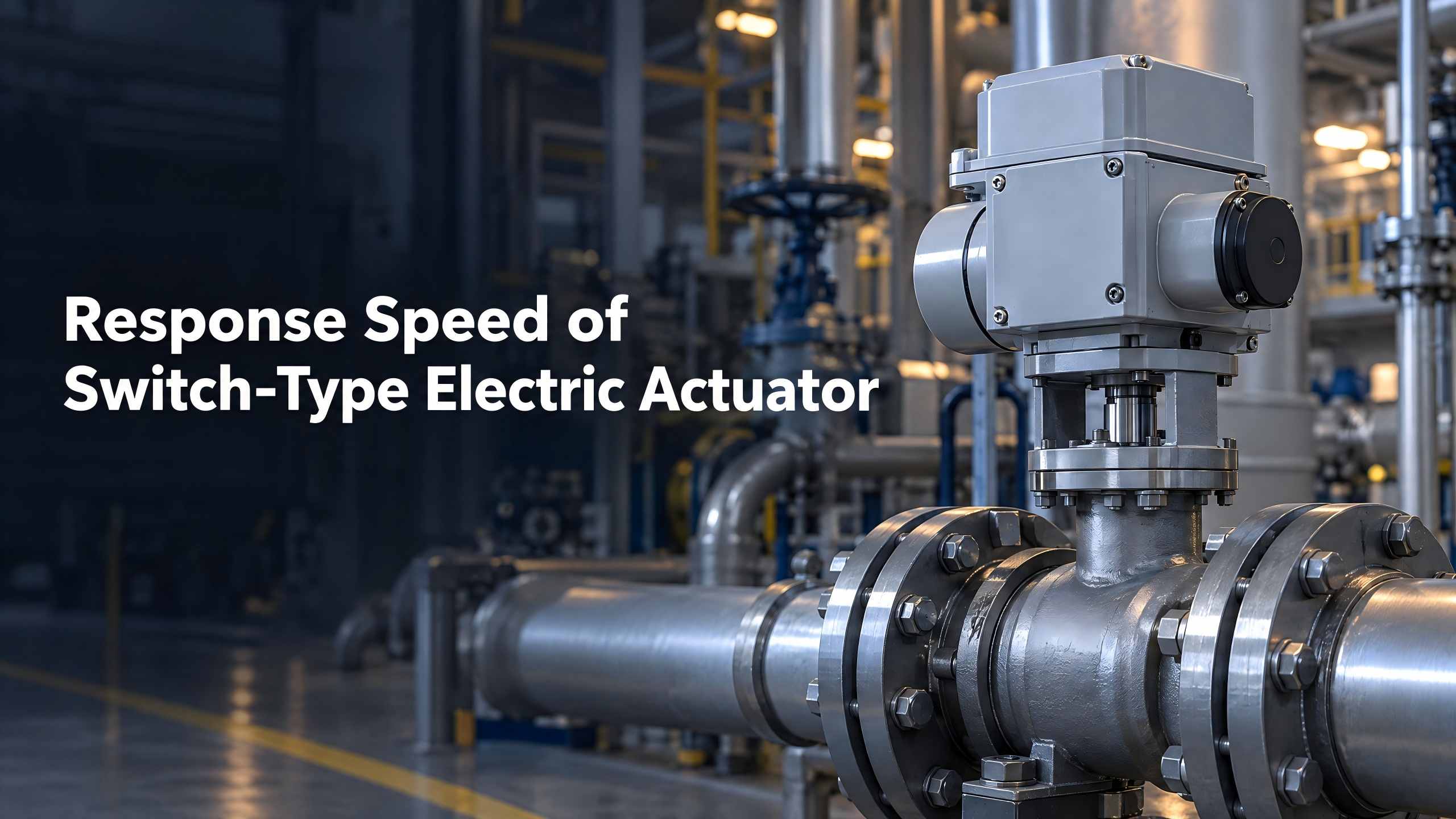
Learn about electric actuator response speed, internal and external influencing factors and key selection points, to select suitable actuators for valve automation projects and ensure efficient and stable system operation.
Response Speed of Switch‑Type Electric Actuator
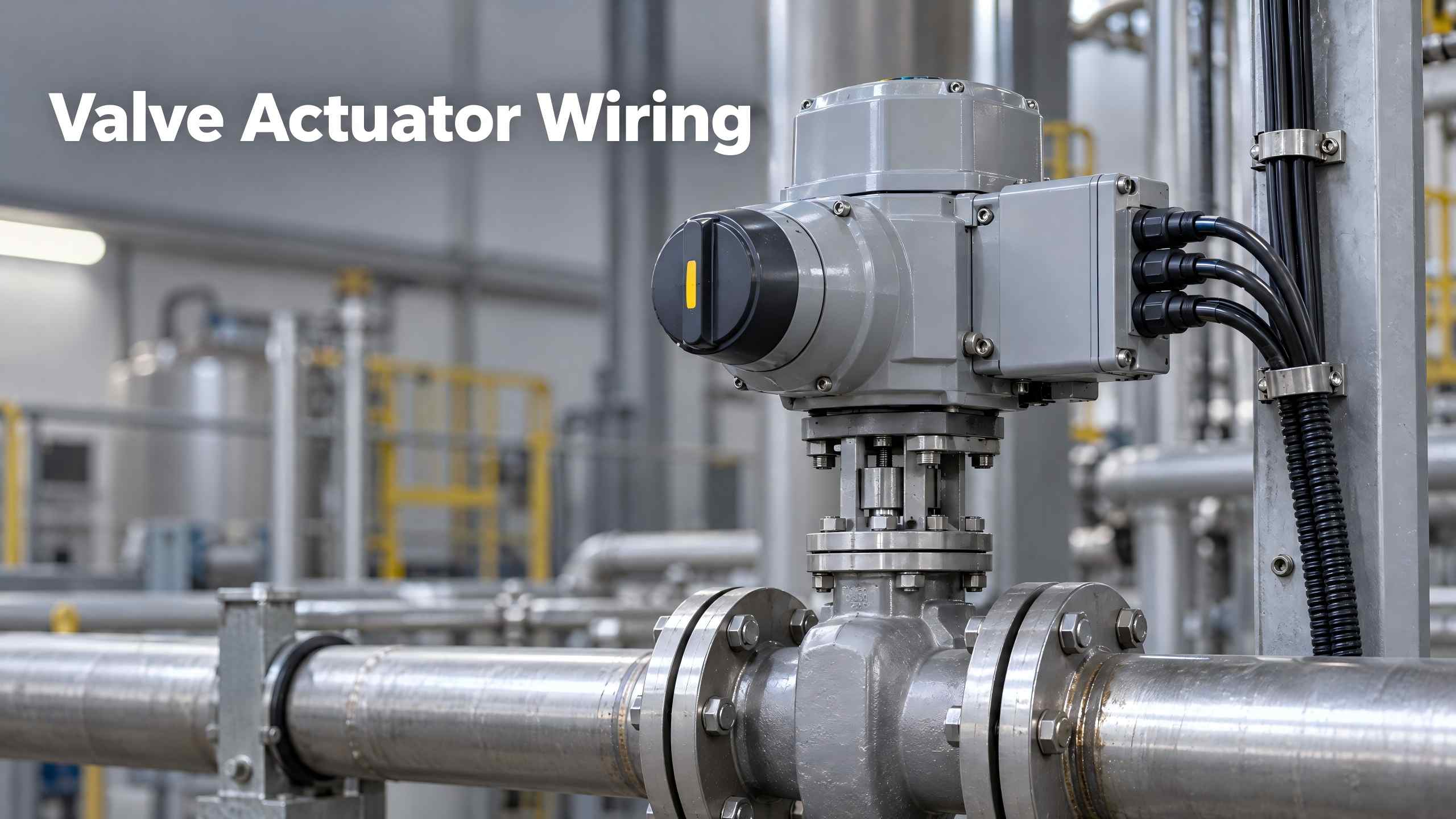
Valve Actuator Wiring describes wiring, commissioning and troubleshooting for electric valve actuators, guiding technicians to adopt standard wiring for stable industrial control.
Valve Actuator Wiring
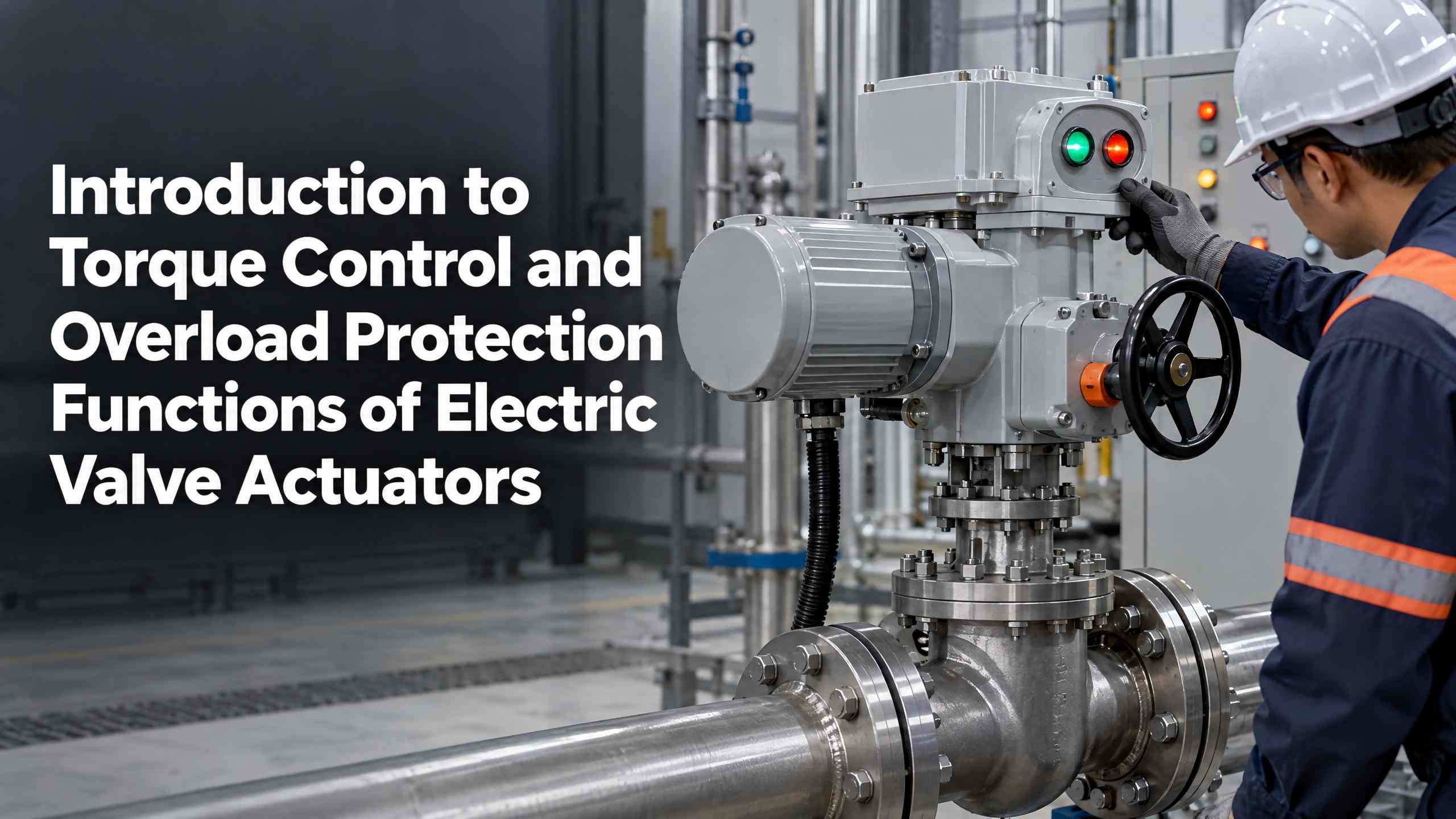
Valen Tech explains electric valve actuator torque control and overload protection functions. Learn how multi‑turn & part‑turn actuators prevent jamming and mechanical damage for petroleum, chemical, power and water pipeline systems.
Introduction to Torque Control and Overload Protection Functions of Electric Valve Actuators