
What Should Be Considered When Selecting an Actuator?
author: ATHENA GROUP
2025-08-13
Actuators are core components in industrial automation systems, widely used in scenarios such as valve control, process regulation, and equipment 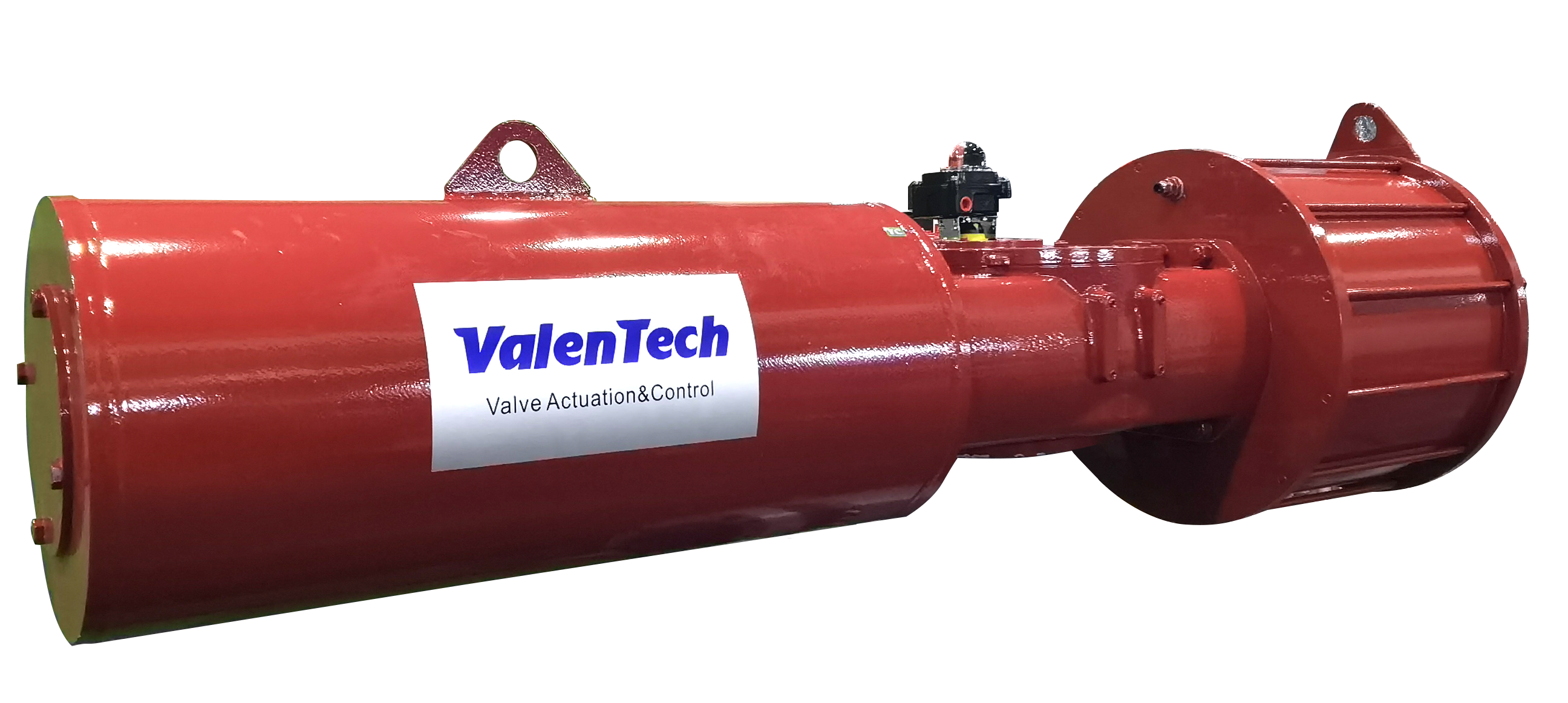 start-stop. Choosing the right actuator can not only improve production efficiency but also reduce operation and maintenance costs, ensure personnel safety, and meet environmental protection requirements. Faced with various types such as electric and pneumatic, how to quickly select the most suitable solution? The key lies in grasping the following four core factors.
start-stop. Choosing the right actuator can not only improve production efficiency but also reduce operation and maintenance costs, ensure personnel safety, and meet environmental protection requirements. Faced with various types such as electric and pneumatic, how to quickly select the most suitable solution? The key lies in grasping the following four core factors.
Ⅰ. Keep Up with Environmental Protection Trends
With increasingly strict global environmental protection regulations, the emission performance of equipment has become an important consideration in selection.
Electric actuators do not require air supply, so they basically do not produce emissions, which gives them significant advantages in places with high environmental protection requirements. If you want to use pneumatic actuators while reducing emissions, there are ways to do so. One is to install a steam recovery device, and the other is to use compressed air for power, which can effectively reduce emissions. When selecting, choose the one that is more suitable for you according to your own environmental protection goals.
Ⅱ. Automation Capability
Modern industry pursues intelligence and remote control, and the automation level of actuators directly affects the response speed and operating efficiency of the system.
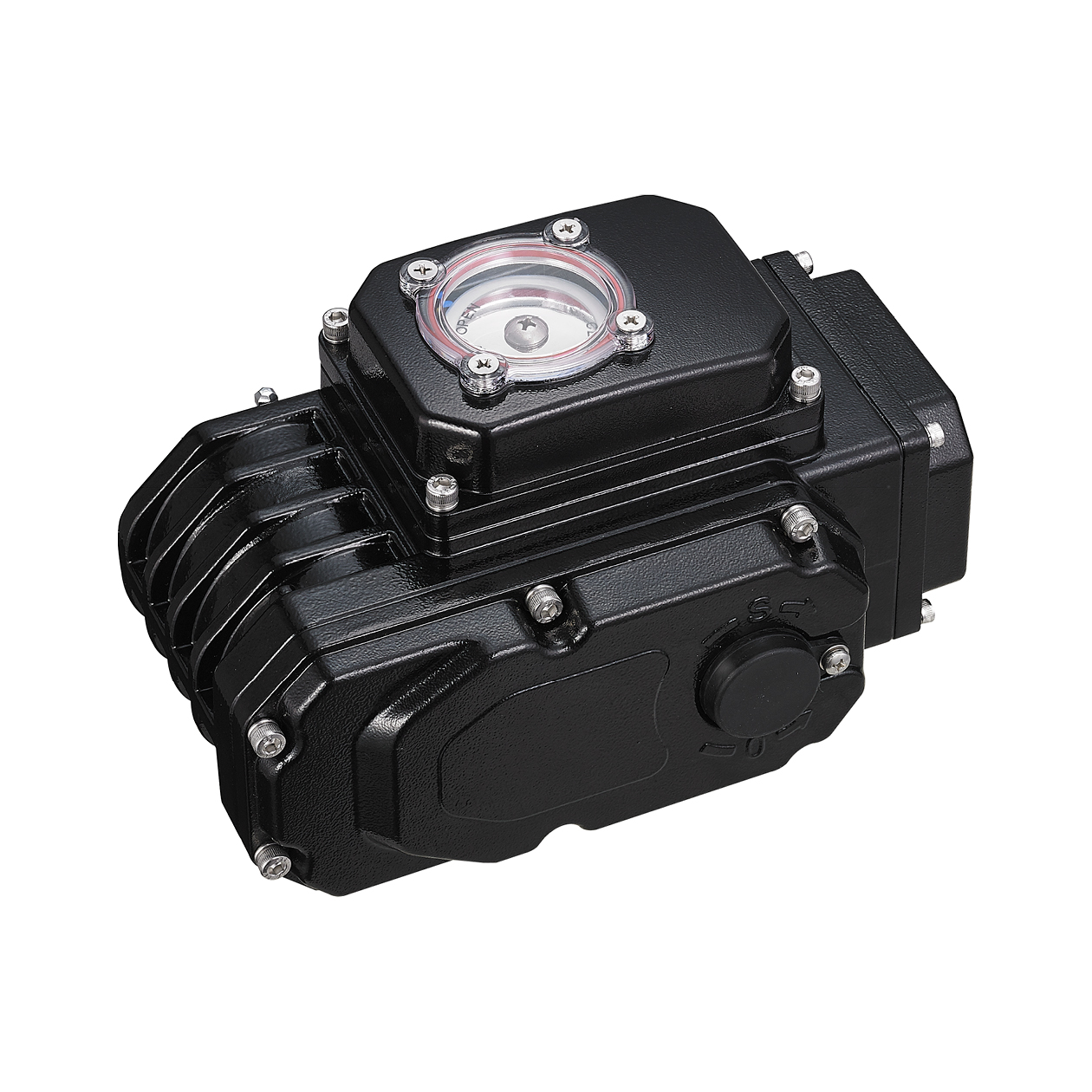
A major advantage of electric actuators is that they can easily realize the automation of valve functions, allowing you to monitor and control valves off-site without having to go to the site all the time.
Pneumatic actuators can also achieve automation, but they need to be paired with an I/P valve controller, which can convert electrical signals into pneumatic signals to realize remote control.
Automation can make the production line run more smoothly and improve efficiency.
Ⅲ. Safety Guarantee
Industrial safety is no small matter. The selection of actuators directly affects the working environment of operators and the degree of risk exposure.
Electric actuators allow workers to monitor and control production remotely, greatly reducing the number of on-site visits, thereby reducing the possibility of workers being injured. It should be noted that work-related injuries not only bring pain to workers but also cost enterprises a lot, so safety must be taken seriously.
Ⅳ. Cost Accounting
When purchasing an actuator, you should not make a purchase based solely on price, but conduct a comprehensive evaluation from the perspective of the whole life cycle.
Pneumatic actuators usually have a lower initial purchase cost than electric ones, but from a long-term perspective, electric actuators are more worry-free in emission management, and coupled with the efficiency improvement brought by automation, their overall value is higher. Therefore, when selecting, it is necessary to comprehensively consider the long-term use cost and the benefits it can bring.
Why Choose Valen-Tech?
In the selection of actuators, reliable brands and high-quality products are often important guarantees for efficient production of enterprises, and Valen-Tech is a trustworthy choice.
Valen-Tech's actuators have won the trust of users worldwide with their robust design, advanced drive technology, and strict testing protocols. Whether it is standard models suitable for conventional industrial scenarios or special actuators that can meet high-precision control requirements, Valen-Tech always adheres to its commitment to quality and reliability.
In key application fields such as pharmaceuticals, food and beverage, and water treatment, where high requirements are placed on equipment performance and safety, Valen-Tech has become a reliable partner for many enterprises with its excellent product performance.
If you want to learn more about actuator testing and certification information, or need professional guidance to select a suitable actuator for your system, please feel free to contact Valen-Tech.
How a Centrifugal Pump Works
What Exactly Is Pump Cavitation?
Related Article
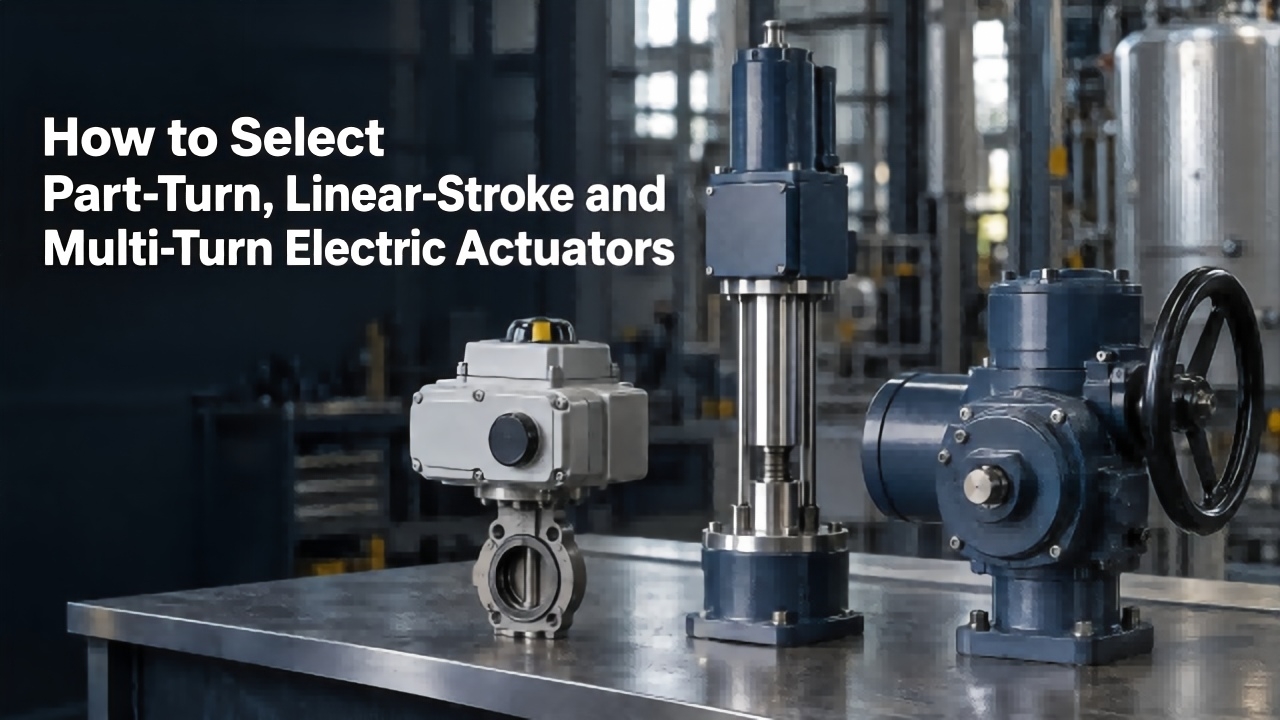
Learn differences among part‑turn, linear‑stroke and multi‑turn electric actuators. This guide covers matching valves, torque‑thrust calculation, 5‑step selection process and typical pitfalls for your industrial actuator applications.
How to Select Part‑Turn, Linear‑Stroke and Multi‑Turn Electric Actuators
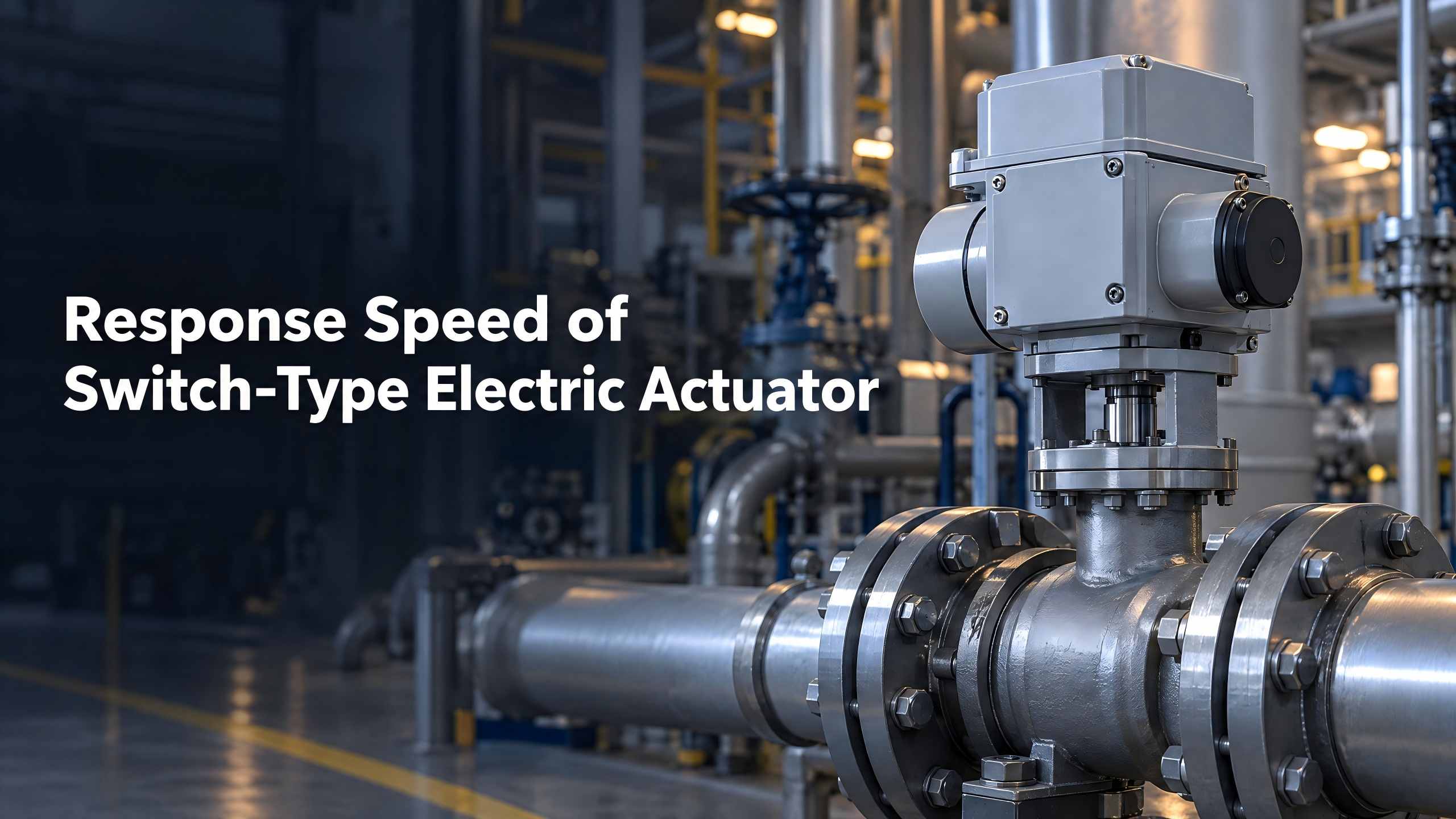
Learn about electric actuator response speed, internal and external influencing factors and key selection points, to select suitable actuators for valve automation projects and ensure efficient and stable system operation.
Response Speed of Switch‑Type Electric Actuator
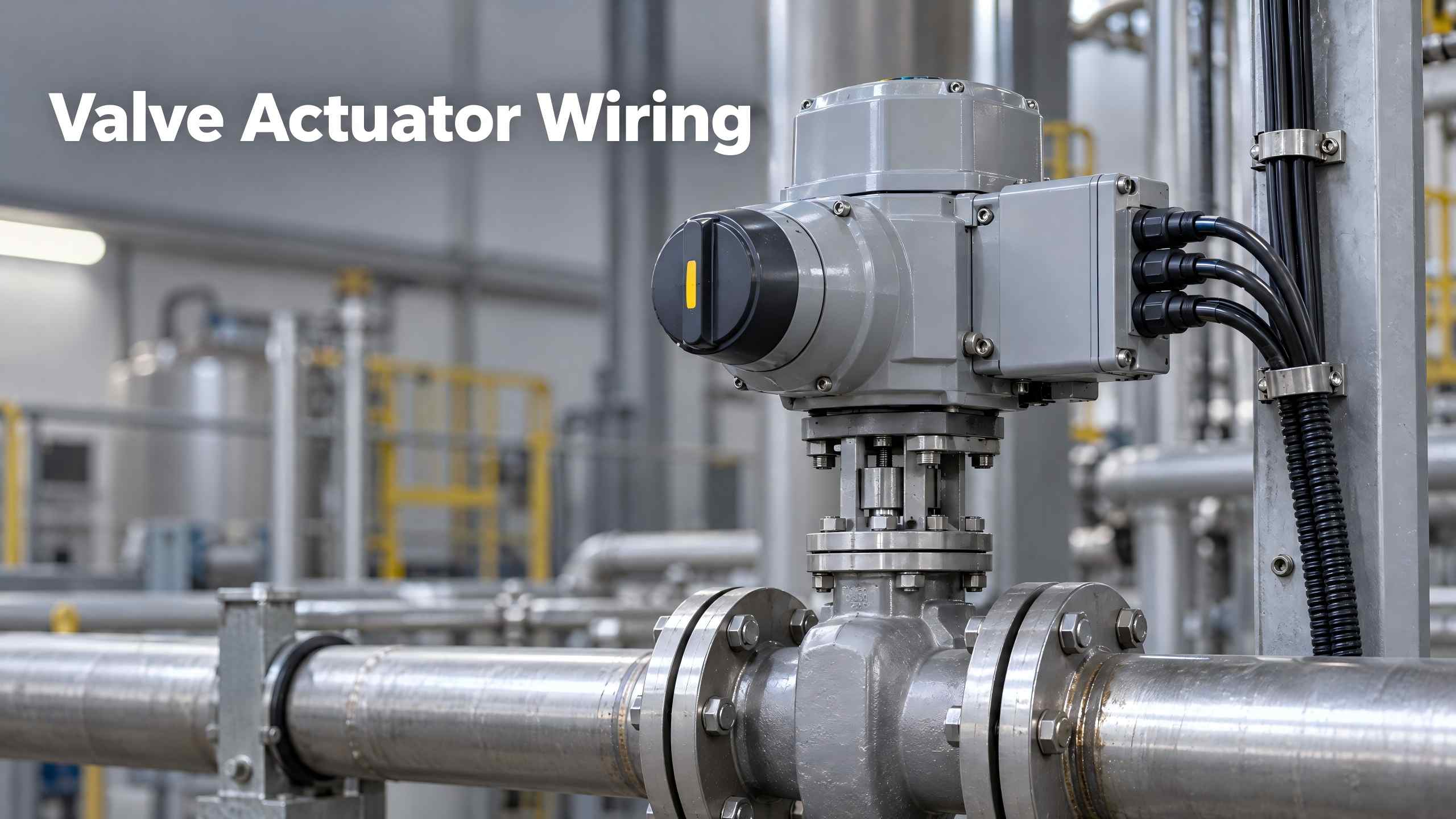
Valve Actuator Wiring describes wiring, commissioning and troubleshooting for electric valve actuators, guiding technicians to adopt standard wiring for stable industrial control.
Valve Actuator Wiring
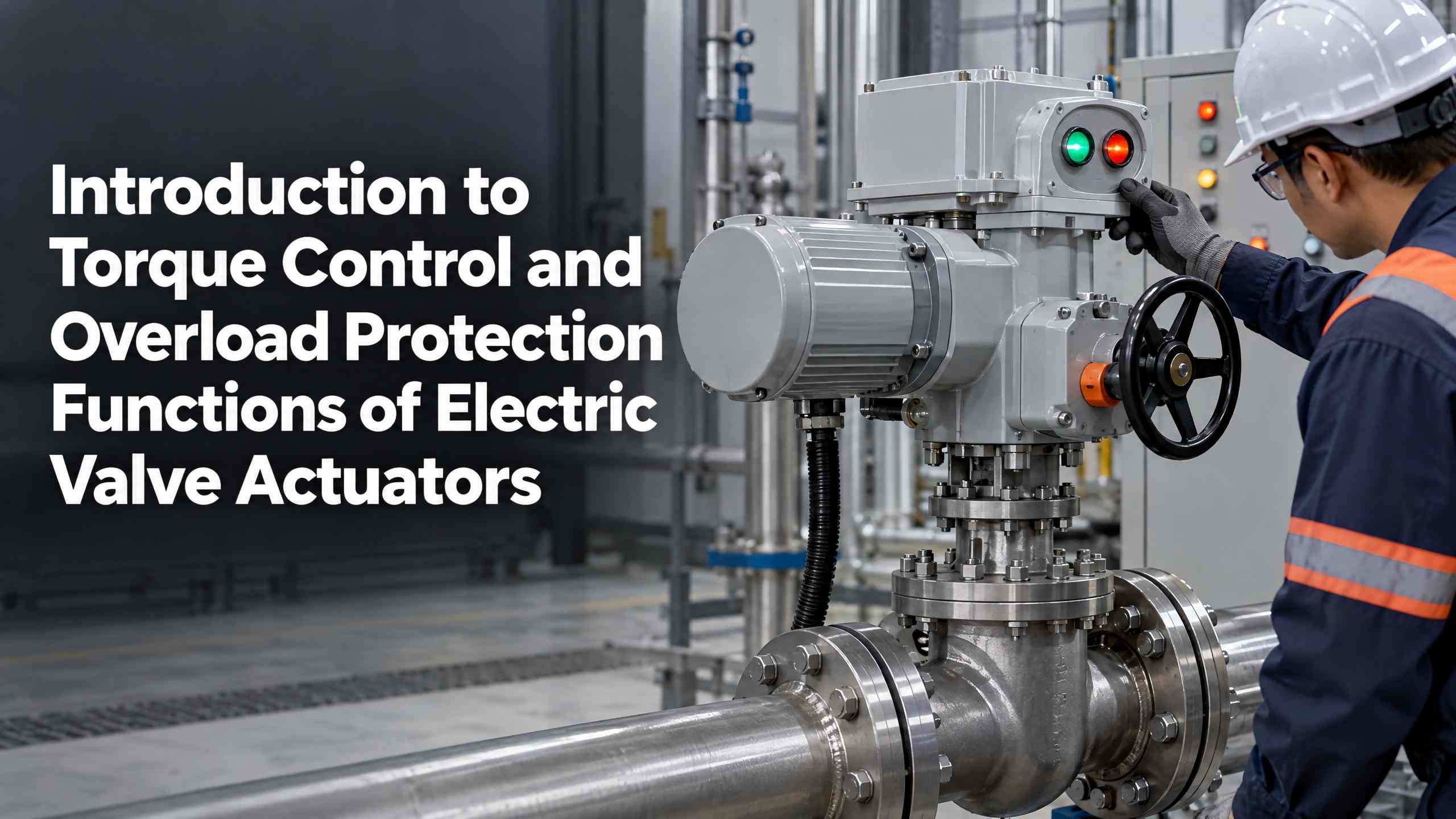
Valen Tech explains electric valve actuator torque control and overload protection functions. Learn how multi‑turn & part‑turn actuators prevent jamming and mechanical damage for petroleum, chemical, power and water pipeline systems.
Introduction to Torque Control and Overload Protection Functions of Electric Valve Actuators