
Why Actuator Noisy?
2025-05-19
Solenoid Actuator Common Causes & Solutions for Industrial and HVAC Systems
Solenoid actuators play a critical role in controlling valves in , industrial, and fluid-handling systems. While a light humming noise during operation is expected—especially in AC-powered actuators—unusual or loud noises like buzzing, rattling, or clicking are signs that something is off.
This article breaks down the most common causes of a noisy solenoid actuator, explains why they happen, and offers practical solutions to help you reduce noise, prevent failure, and maintain optimal performance.
1. Loose or Worn Internal Components
Inside every solenoid actuator is a set of moving parts—typically a coil, plunger (armature), spring, and seals. Over time, repeated actuation causes wear and tear. Springs may weaken, plungers may become misaligned, and seals can degrade. If these components are even slightly loose, the resulting gaps allow parts to vibrate during movement, creating mechanical rattling or knocking sounds.
How to Fix It:
- Open the actuator casing (after disconnecting power).
- Inspect the coil, plunger, and return spring.
- Look for signs of wear, fatigue, or misalignment.
- Tighten any mounting brackets or internal fasteners.
- Replace worn-out components with OEM parts to ensure compatibility.
- Open the actuator casing (after disconnecting power).
- Inspect the coil, plunger, and return spring.
- Look for signs of wear, fatigue, or misalignment.
- Tighten any mounting brackets or internal fasteners.
- Replace worn-out components with OEM parts to ensure compatibility.
Preventive Tip: Perform scheduled inspections every 6–12 months in high-cycle environments.
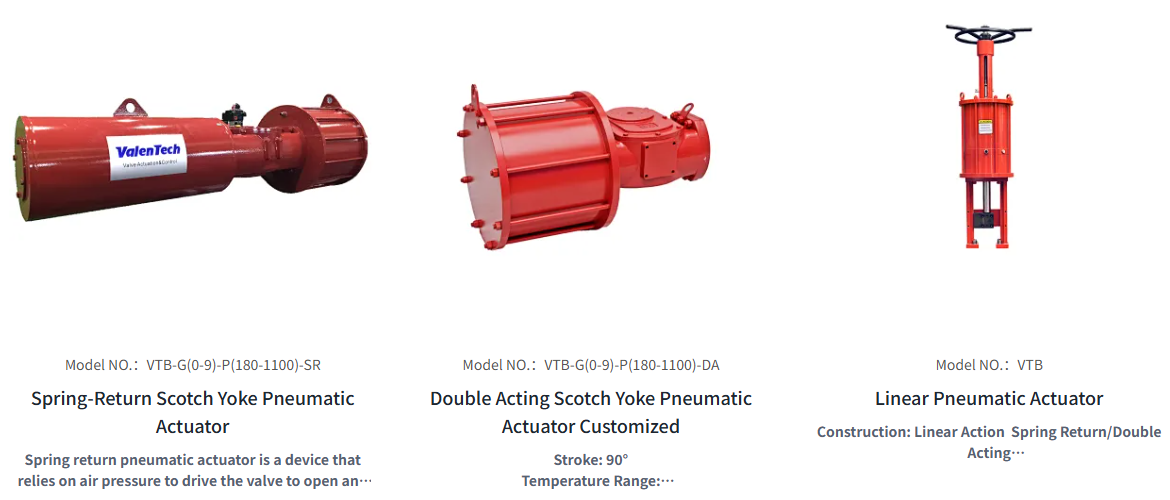
2. AC Power Supply Vibration (50/60 Hz Hum)
AC-powered solenoid actuators naturally vibrate due to alternating current frequency (50 Hz or 60 Hz). The plunger is pulled and released dozens of times per second, producing a low hum. However, if the armature isn’t seated correctly or the shading coil is damaged (used to reduce this vibration), the hum can become noticeably louder.
How to Fix It:
- Ensure the plunger seats firmly against the coil core.
- Check for damage to the shading coil (a copper ring on AC solenoids).
- Consider replacing the coil if vibration is severe or persistent.
- If using a DC actuator in a system designed for AC (or vice versa), switch to the correct type.
- Ensure the plunger seats firmly against the coil core.
- Check for damage to the shading coil (a copper ring on AC solenoids).
- Consider replacing the coil if vibration is severe or persistent.
- If using a DC actuator in a system designed for AC (or vice versa), switch to the correct type.
Pro Tip: For quieter performance, consider switching from AC to DC solenoids when possible, especially in noise-sensitive environments.
3. Incorrect Voltage Supply
Solenoid actuators are designed to operate at specific voltage levels. If the voltage is too low, the magnetic field may not be strong enough to hold the plunger in place, causing it to "chatter." Too much voltage can overheat the coil, distort internal parts, and cause humming or sizzling sounds.
How to Fix It:
- Measure the voltage across the solenoid terminals using a multimeter.
- Compare the reading with the solenoid’s rated voltage (e.g., 24V DC, 120V AC).
- Install voltage regulators or ensure power supplies are stable.
- Replace damaged transformers or control boards that cause spikes or drops.
- Measure the voltage across the solenoid terminals using a multimeter.
- Compare the reading with the solenoid’s rated voltage (e.g., 24V DC, 120V AC).
- Install voltage regulators or ensure power supplies are stable.
- Replace damaged transformers or control boards that cause spikes or drops.
Warning: Operating outside of the rated voltage shortens the actuator's lifespan and may void the warranty.
4. Dirt or Debris in the actuator shell
Dust, rust, and particles from fluid lines or external environments can infiltrate the actuator, especially in open or poorly sealed systems. Debris interferes with the smooth movement of the plunger, causing friction, scraping, or sticking. This often leads to clicking noises or delayed actuation.
How to Fix It:
- Disassemble and clean the actuator with compressed air or an approved cleaning solvent.
- Flush the valve line to remove upstream debris.
- Use filters or strainers to reduce particle ingress.
- Ensure seals and O-rings are intact to prevent future contamination.
- Disassemble and clean the actuator with compressed air or an approved cleaning solvent.
- Flush the valve line to remove upstream debris.
- Use filters or strainers to reduce particle ingress.
- Ensure seals and O-rings are intact to prevent future contamination.
Tip: Install your actuator in a sheltered enclosure if it’s operating in dusty or wet environments.
5. Improper Mounting or Misalignment
If the actuator isn’t firmly attached to the valve or if the valve stem and actuator shaft are misaligned, operational stress increases. Misalignment creates unnecessary resistance during actuation, resulting in clicking, knocking, or grinding as parts fight to move.
How to Fix It:
- Re-align the actuator and valve body according to the manufacturer’s torque and centering specifications.
- Check that all mounting bolts are tight and evenly torqued.
- Use anti-vibration mounts if the equipment is subjected to external mechanical vibrations (e.g., pumps or motors nearby).
- Re-align the actuator and valve body according to the manufacturer’s torque and centering specifications.
- Check that all mounting bolts are tight and evenly torqued.
- Use anti-vibration mounts if the equipment is subjected to external mechanical vibrations (e.g., pumps or motors nearby).
Pro Insight: Misalignment not only causes noise but also leads to premature seal and stem wear.
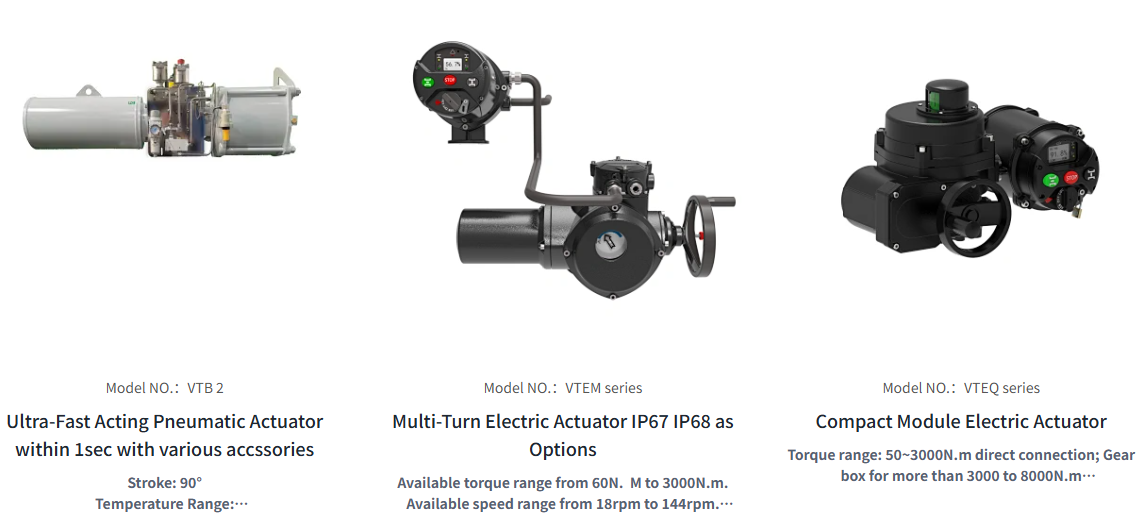
6. Excessive Wear from Heat or Overuse
When actuator operate continuously in high-temperature environments or are cycled too frequently without rest, they overheat. This can warp the coil housing, deform internal plastics, and cause insulation breakdown. These conditions lead to inconsistent magnetic pull and buzzing or sizzling noises.
How to Fix It:
- Install a heat sink or cooling fan for actuators in hot environments.
- Reduce cycle frequency or use duty-cycle rated solenoids (intermittent vs. continuous use).
- If coil damage is suspected, replace the coil and test for overheating using a thermal sensor.
- Install a heat sink or cooling fan for actuators in hot environments.
- Reduce cycle frequency or use duty-cycle rated solenoids (intermittent vs. continuous use).
- If coil damage is suspected, replace the coil and test for overheating using a thermal sensor.
Note: Always check the actuator’s maximum duty cycle (e.g., 100% ED for continuous operation).
7. Lack of Lubrication on Moving Parts
Though many solenoids are designed to run dry, some models—especially in industrial valve control—feature moving metal-on-metal parts that benefit from light lubrication. Without it, friction increases, and you may hear squeaking or scraping as the plunger actuates.
How to Fix It:
- Apply a small amount of non-conductive lubricant to the plunger shaft (per the manufacturer’s instructions).
- Never over-lubricate, as excess oil can attract dust and cause binding.
- If unsure, check the user manual for lubrication guidelines.
- Apply a small amount of non-conductive lubricant to the plunger shaft (per the manufacturer’s instructions).
- Never over-lubricate, as excess oil can attract dust and cause binding.
- If unsure, check the user manual for lubrication guidelines.
Unusual noise from your solenoid actuator is not something to ignore. Whether it’s a buzzing or a rattling sound, these symptoms usually indicate a mechanical, electrical, or installation issue. By identifying the exact cause—and applying the right fix—you can extend the life of your actuator and avoid costly downtime.
Need Help Choosing or Replacing a Actuator?
If you're dealing with repeated noise or failure issues, it may be time to upgrade to a high-quality actuator with better duty cycle ratings and noise-dampening design. Reach out to our technical team—we can help you select the right actuator for your system and operating conditions. Contact Us | Valen Tech
Is It Time to Replace Your Solenoid Actuator?
How to Choose the Right Heavy-Duty Pneumatic Actuator for Bulk Orders
Related Article
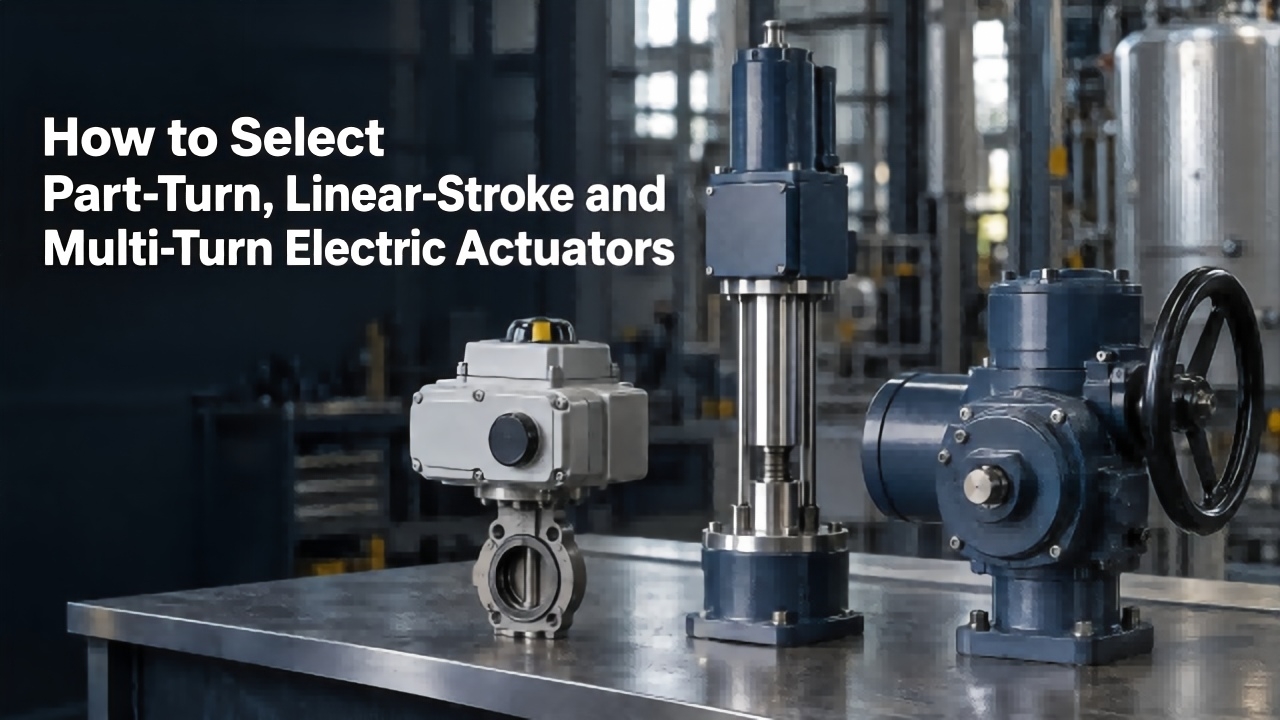
Learn differences among part‑turn, linear‑stroke and multi‑turn electric actuators. This guide covers matching valves, torque‑thrust calculation, 5‑step selection process and typical pitfalls for your industrial actuator applications.
How to Select Part‑Turn, Linear‑Stroke and Multi‑Turn Electric Actuators
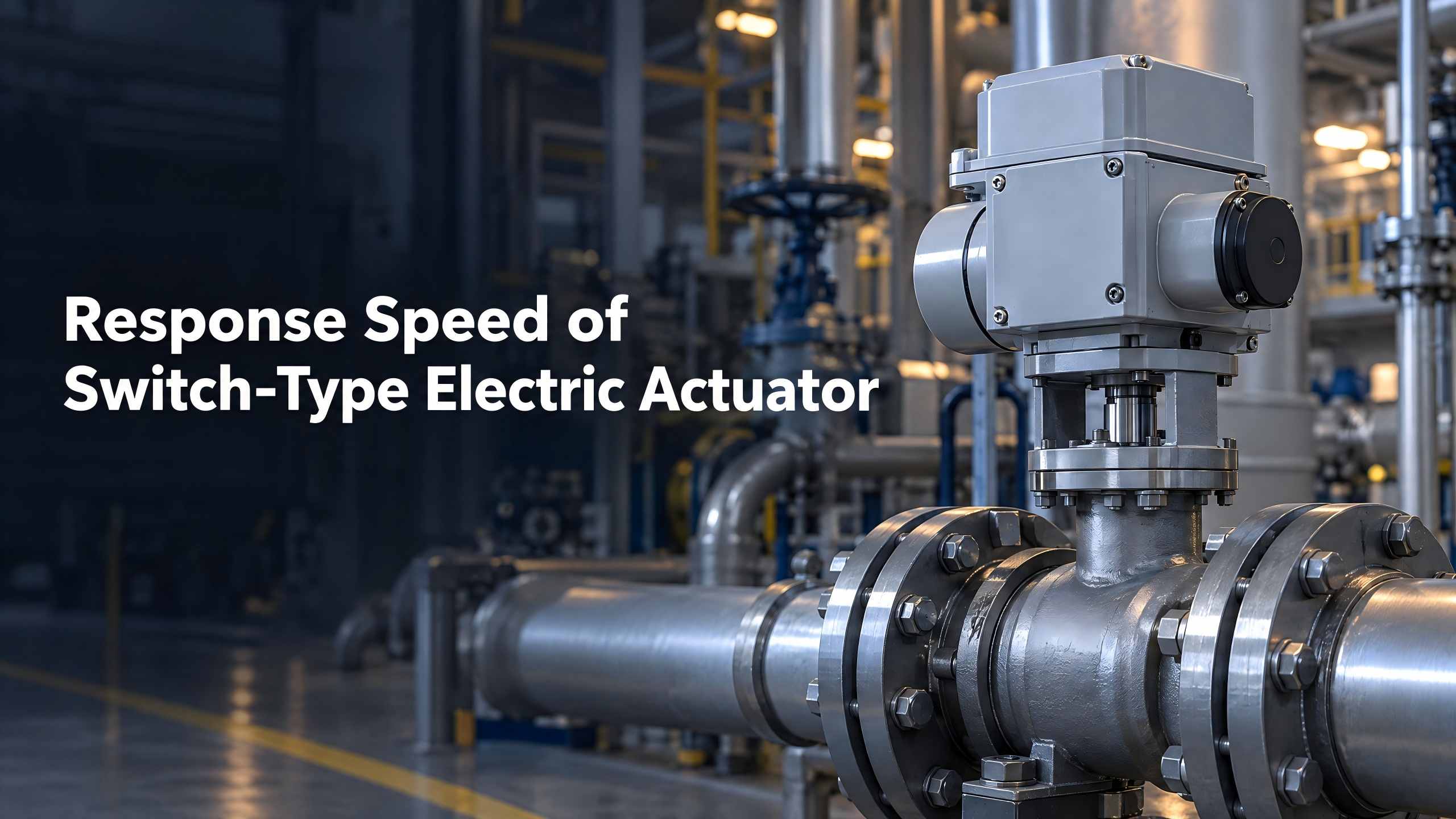
Learn about electric actuator response speed, internal and external influencing factors and key selection points, to select suitable actuators for valve automation projects and ensure efficient and stable system operation.
Response Speed of Switch‑Type Electric Actuator
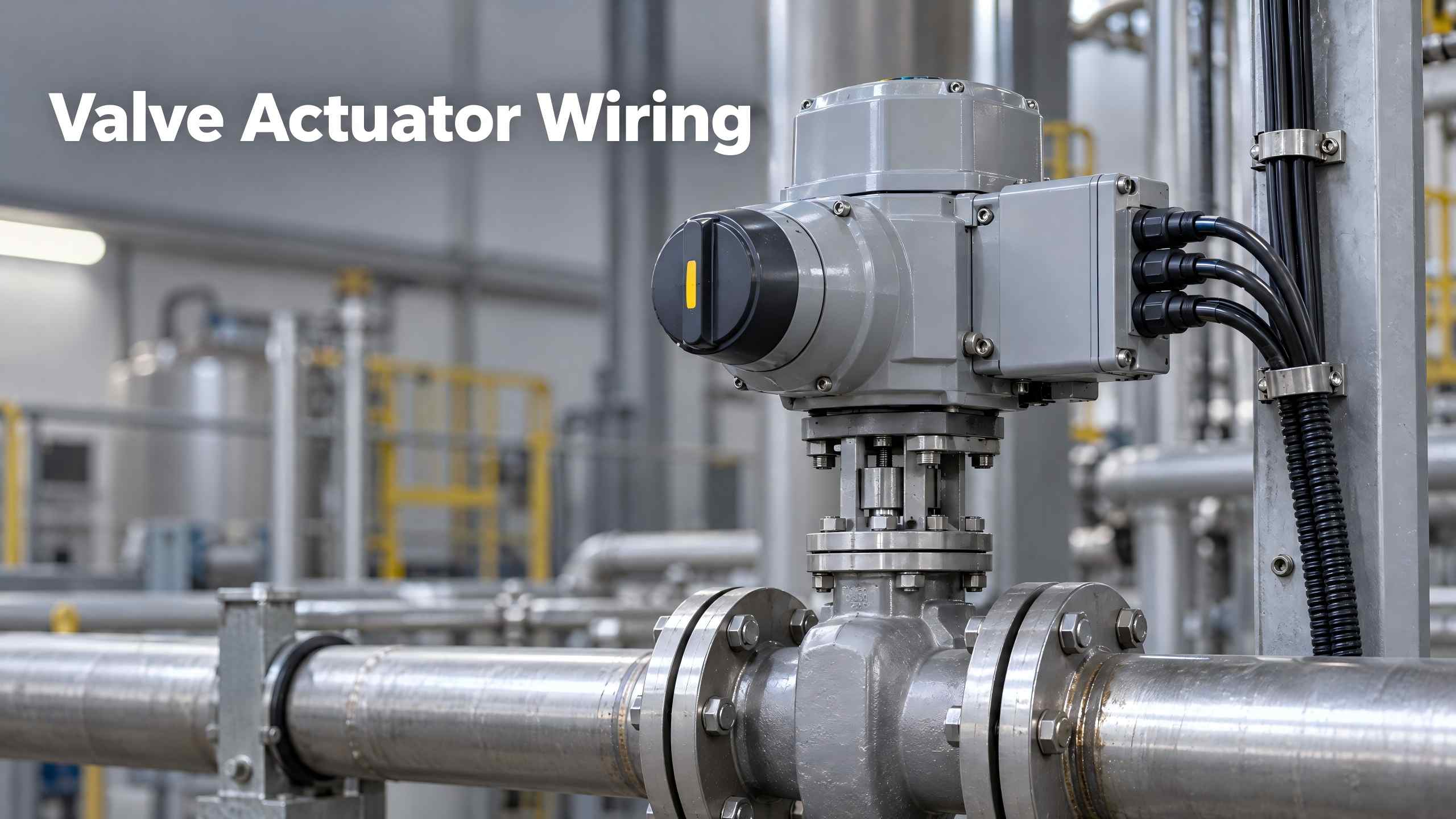
Valve Actuator Wiring describes wiring, commissioning and troubleshooting for electric valve actuators, guiding technicians to adopt standard wiring for stable industrial control.
Valve Actuator Wiring
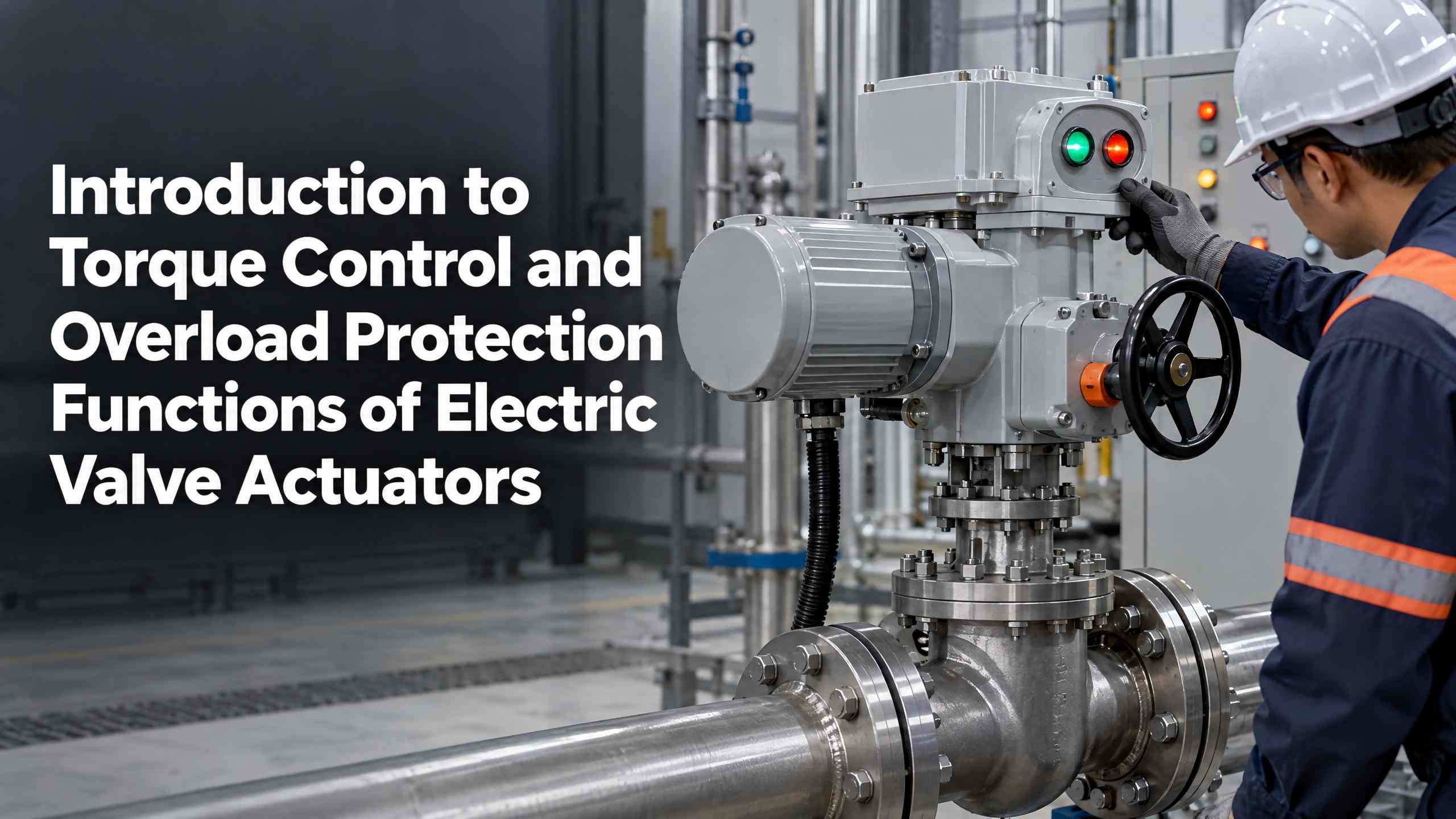
Valen Tech explains electric valve actuator torque control and overload protection functions. Learn how multi‑turn & part‑turn actuators prevent jamming and mechanical damage for petroleum, chemical, power and water pipeline systems.
Introduction to Torque Control and Overload Protection Functions of Electric Valve Actuators