
Analysis of Applicable Environments for Multi‑turn Electric Actuators
author: ATHENA GROUP
2026-09-18
Valen Tech, an Athena Group subsidiary, specialises in multi‑turn electric actuators suitable for various scenarios including chemical, power, oil and gas industries. Accurate Actuator Working Condition Selection*based on working conditions such as temperature, protection rating, seismic resistance, space, power supply and operation‑maintenance can improve equipment stability, production efficiency and operational safety. This document outlines the key points for type‑selection.

I. Operating Temperature Range: Core Indicator for Type‑Selection
Temperature is the most critical environmental factor affecting actuator performance. The standard operating temperature range for conventional multi‑turn electric actuators is ‑20℃ to 70℃, suitable for most general‑purpose industrial scenarios.
Excessively high ambient temperature will cause motor overheating, electrical component ageing and frequent activation of overload protection. In low‑temperature environments, internal lubricating oil becomes viscous and transmission resistance rises, resulting in sluggish valve movement and insufficient torque. For extreme working conditions, custom low‑temperature models (‑40℃) or high‑temperature models are available for special scenarios such as frigid regions, high‑temperature kilns and heat‑treatment workshops. Proper Actuator Working Condition Selection must take extreme temperature fluctuations fully into account.
II. Humidity and Protection Rating: Moisture‑proof, Dust‑proof and Corrosion‑resistant
High humidity, dust and corrosive gases are common causes of actuator failure. Long‑term exposure to humid environments may trigger electrical short‑circuits and metal corrosion, greatly shortening equipment service life.
Models with IP65 / IP67 protection ratings are recommended for most outdoor and humid‑condition sites to deliver effective dust resistance and splash‑water resistance. For coastal salt‑spray and chemical acid‑alkali environments, corrosion‑resistant models with anti‑corrosion coatings and stainless‑steel materials shall be adopted. For submerged operating conditions, IP68 waterproof models shall be selected to ensure stable long‑term underwater operation. Protection grade evaluation forms a vital part of Actuator Working Condition Selection.
III. Vibration and Shock Resistance: Essential for Complex Working Conditions
Working conditions such as mines, heavy‑industry facilities, pump stations and large‑scale units feature continuous vibration and mechanical shock. Ordinary actuators are prone to faults including loose screws, loose wiring and inaccurate positioning.
Well‑adapted multi‑turn actuators adopt reinforced housings, integrated structures and anti‑vibration designs to effectively resist external mechanical shocks and prevent mechanical deviation and control malfunction induced by vibration, making them suitable for long‑term continuous operation at high‑vibration industrial sites.
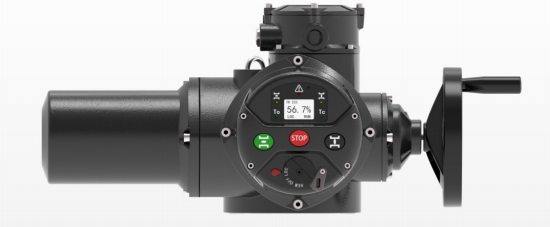
IV. Installation Space and Configuration: Key for On‑site Adaptation
In practical engineering projects, installation‑space dimensions directly influence equipment type‑selection and subsequent maintenance. Multi‑turn electric actuators support multiple mounting methods such as flange mounting and thread mounting to fit diverse valve and pipeline layouts.
For conditions with compact space and dense pipelines, compact lightweight models are recommended; they save installation space without compromising output performance. Priority shall also be given to modular and easily‑disassembled structures to reduce later‑stage inspection, repair and replacement costs.
V. Power‑supply Stability: Foundation for Reliable Equipment Operation
Multi‑turn electric actuators are driven by stable power supply. Voltage fluctuation and momentary power outage are common on‑site fault triggers. Unstable power supply may lead to motor abnormality, control alarms and valve jamming, impairing the whole automatic‑control system.
For old‑style plant areas, field pipe networks and sites with unstable power supply, models with intelligent voltage stabilisation and power‑failure protection functions are suggested. They can effectively avoid shutdown losses caused by voltage anomalies and enhance system reliability. Ignoring power‑supply risks will lead to mistakes during Actuator Working Condition Selection.
VI. Safety and Maintainability: Guarantees for Long‑term Operation
For flammable and explosive scenarios in the chemical, oil‑gas and coal‑mining sectors, explosion‑proof multi‑turn electric actuators complying with corresponding explosion‑proof standards must be deployed to eliminate potential safety hazards.
Maintainability determines long‑term operating costs. Actuators featuring simple structures, modular design and general‑purpose spare parts facilitate convenient maintenance, deliver low failure rates and lower repair costs, and are better suited for long‑term continuous industrial operation.
VII. Scenario‑adaptation Guidelines
- General‑purpose working conditions (municipal engineering, water conservancy, HVAC): Standard IP65 conventional models with high cost‑effectiveness and simple operation‑maintenance.
- Hazardous explosion‑prone working conditions (chemical, oil‑gas, coal‑mining): Dedicated explosion‑proof actuators.
- Corrosive / coastal working conditions: Models with corrosion‑resistant materials and high‑protection‑grade structures.
- High‑vibration / confined‑space working conditions: Seismic‑reinforced and custom compact models.
VIII. Prohibited Operating Conditions
Conventional multi‑turn electric actuators are strictly forbidden for use under the following environments:
- Non‑explosion‑proof models must not be used in flammable and explosive hazardous areas;
- Ordinary IP65 / IP67 models must not be subject to long‑term deep‑water submersion;
- Non‑corrosion‑resistant models must not be deployed in strong‑acid, strong‑alkali or heavy salt‑spray environments;
- Ordinary models are not fit for long‑term high‑vibration and heavy‑shock working conditions;
- Models without voltage‑stabilisation protection are not suitable for sites with frequent power outages and severe voltage fluctuation.
IX. Conclusion
For Valen Tech multi‑turn electric actuators, type‑selection shall comprehensively take on‑site temperature, humidity‑protection requirements, vibration, installation space, power‑supply conditions and safety ratings into consideration. Proper matching between type‑selection and working conditions ensures stable, safe and efficient operation of the valve automatic‑control system, while markedly lowering failure probability and operation‑maintenance costs. It serves as a vital foundation for reliable performance of industrial automation systems. Implementing rigorous Actuator Working Condition Selection helps enterprises avoid unnecessary equipment failures and extra operational expenses.
Power Plant Valve Control Actuator: Multi‑Turn Electric Actuator Applications & Benefits
Related Article
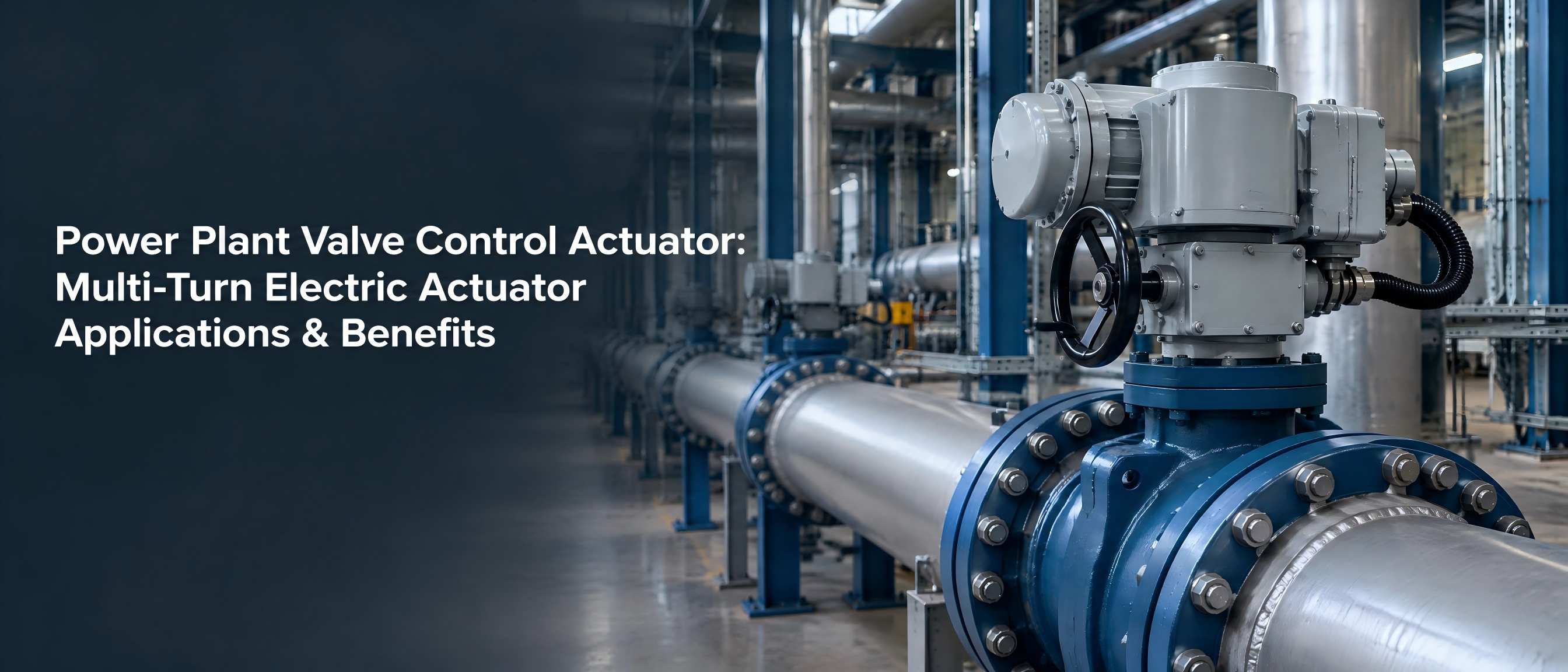
Multi‑turn electric power plant valve actuator converts control signals into valve movements. Featuring high‑torque output, self‑locking and closed‑loop control, it adapts to harsh power‑plant conditions for thermal, hydropower and new‑energy stations, with reliable protection and easy‑maintain performance.
Power Plant Valve Control Actuator: Multi‑Turn Electric Actuator Applications & Benefits

Valen Tech wrapped up its presence at OGA 2026 in Kuala Lumpur. We exhibited premium valve actuators & custom fluid‑control solutions for onshore & offshore oil‑gas applications. Our team connected with SEA and Middle East clients, generating quality leads and strengthening regional brand footprint.
Exhibition Participation Valen Tech Successfully Completes OGA 2026
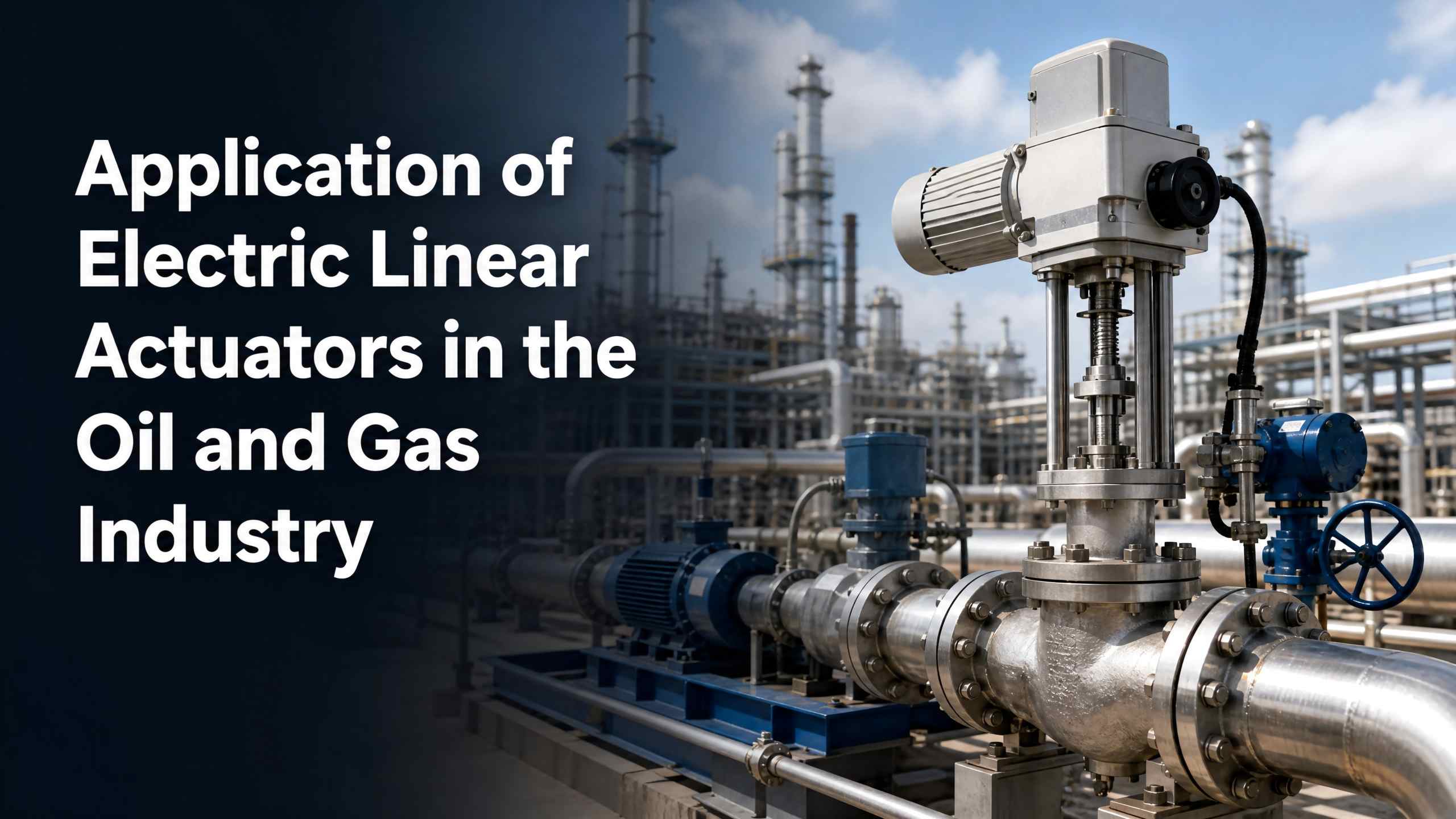
This paper introduces Valen Tech electric linear actuators, analyzing their advantages, valve applications, full‑scenario adaptability and selection points in the oil‑gas industry. It compares them with traditional actuators and offers troubleshooting solutions, illustrating their role in driving intelligent upgrades for the sector.
Application of Electric Linear Actuators in the Oil and Gas Industry
