
Anti-Rust Treatment of Electric Actuators for Water Treatment Valves
author: ATHENA GROUP
2026-08-10
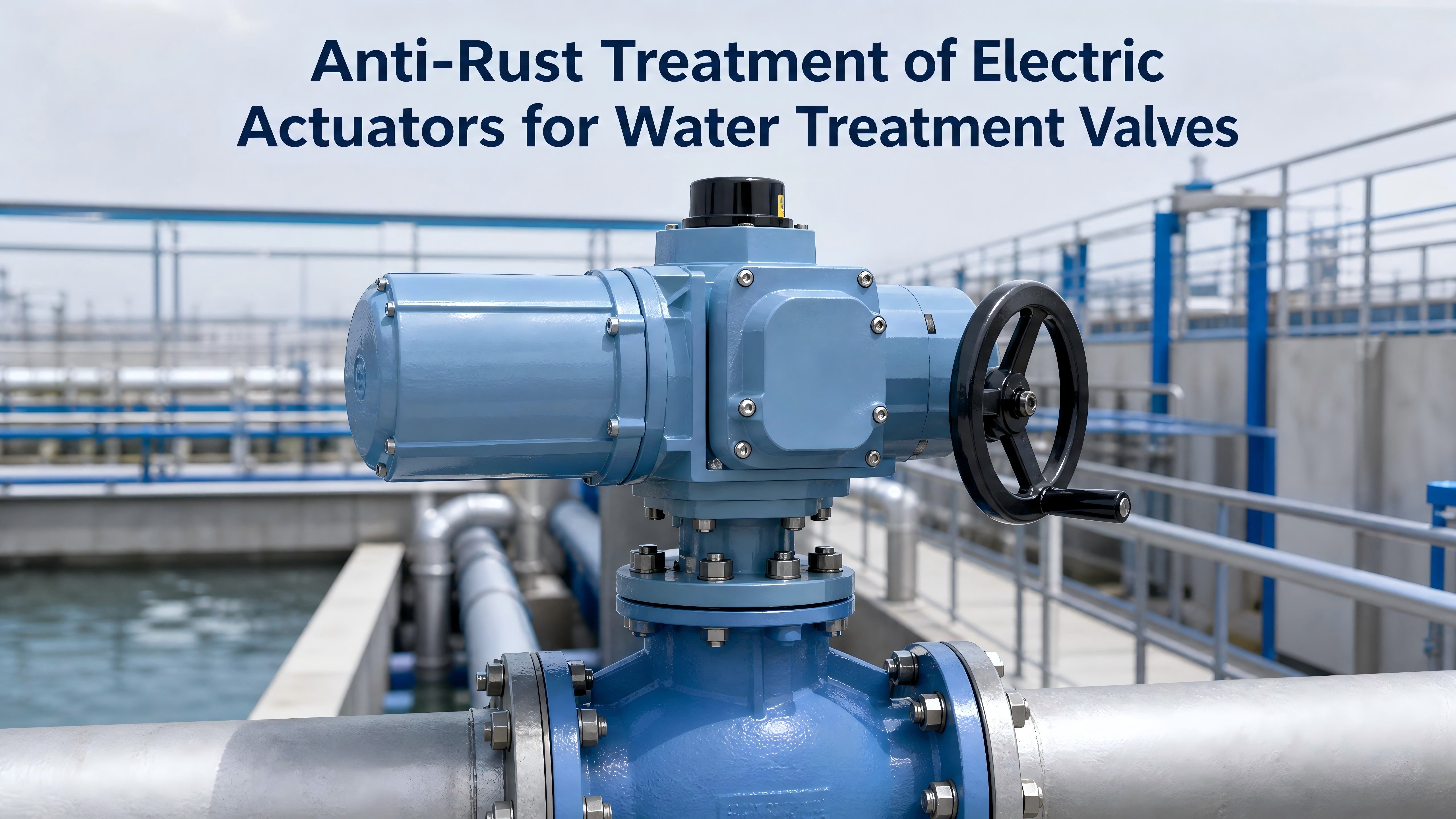
In water treatment facilities, electric actuators control valve opening, closing and flow regulation for pure water, sewage and circulating water systems. However, humid air, salt mist and acid-base ions at treatment sites easily corrode metal parts. Minor rust causes valve sticking and control failure; severe corrosion leads to mechanical damage and short circuits, halting production. Thus anti-rust protection is essential for stable long-term equipment operation.
I. Main Corrosion Causes of Actuators
Corrosion spreads fast and causes severe damage in water treatment environments, driven by three key factors:
1.1 Electrochemical Corrosion from High Humidity
Day-night temperature differences create persistent condensate on metal surfaces, breaking down original protective layers and triggering electrochemical corrosion.
1.2 Accelerated Oxidation by Water-Borne Contaminants
Salts, acids and alkalis in water seep into gaps and threaded joints with vapor, speeding up metal rusting.
1.3 Poor Daily Maintenance Worsens Corrosion
Unrepaired damaged coatings, aged unsealed parts, long-term idle storage and unshielded outdoor installation expose metal directly to corrosive surroundings.
II. Three Major Anti-Rust Technical Solutions
The industry adopts three mature anti-rust technologies, which can be combined based on working conditions:
2.1 Surface Coatings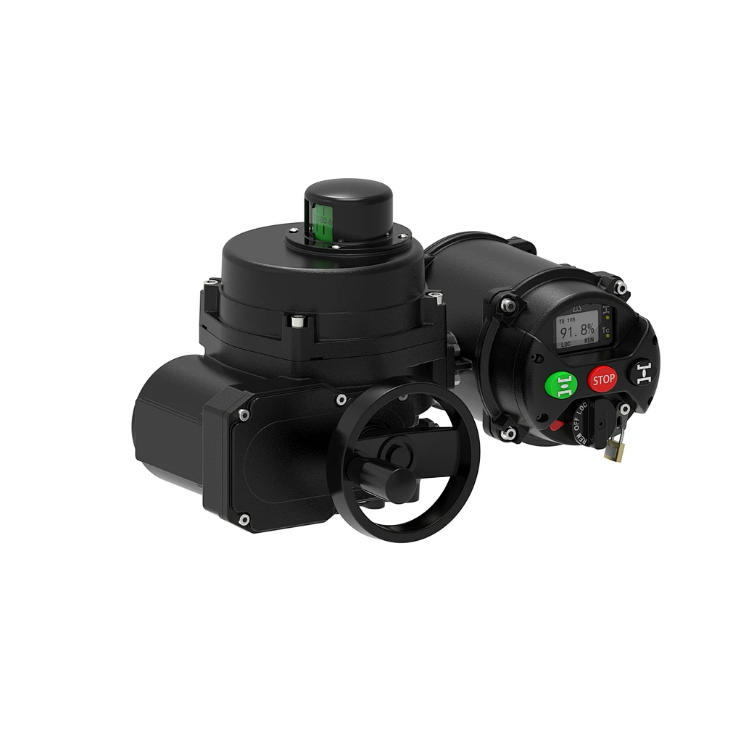
Coatings isolate metal from corrosive media as the most widely used anti-rust method:
- Epoxy coating: High adhesion, good acid-alkali resistance, cost-effective for regular sewage and circulating water systems.
- Polyurethane coating: Excellent moisture and wear resistance, resistant to cracking and peeling for vibrating equipment.
- Fluorocarbon coating: Superior UV and weather resistance, ideal for outdoor units exposed to sunlight and temperature swings.
2.2 Electroplating & Electroless Plating
For precision friction parts like valve stems and gears, galvanizing, nickel plating or chromium plating forms dense alloy layers. The plating blocks corrosive penetration while boosting surface hardness and wear resistance, serving as standard factory reinforcement for precision components.
2.3 Anti-Rust Oil & Grease
Used during storage, transport and equipment shutdown. Applied on threads, gears and valve stems to form isolating oil/grease films. Easy to use and lubricative, they prevent rust seizure though with shorter service life than coatings or plating.
III. Systematic Anti-Rust Optimization Strategies
Single anti-rust measures cannot handle complex working conditions; comprehensive optimization is required:
3.1 Condition-Based Customized Design
- Humid indoor workshops: Polyurethane coatings plus waterproof seals for moisture resistance.
- High acid-alkali sewage systems: Dual protection of epoxy heavy anti-corrosion coating and nickel plating.
- Outdoor equipment: Fluorocarbon coating to withstand harsh weather.
Targeted design at the production stage avoids costly post-corrosion repairs.
3.2 Regular Inspection & Preventive Maintenance
Check coating peeling, worn plating, cracked seals and dried anti-rust grease periodically, and repair defects promptly.
- Pure water systems: Monthly inspection, semi-annual full maintenance.
- High-salinity corrosive sewage systems: Quarterly deep maintenance.
Early rust troubleshooting avoids costly emergency breakdown repairs.
3.3 Adoption of Advanced Anti-Rust Materials
New nano-coatings fill tiny micro-gaps unreachable by traditional coatings for full coverage. Self-repair coatings automatically fix minor surface damage, cutting maintenance workload for unattended water treatment stations.
IV. Common Anti-Rust Mistakes to Avoid
Most poor anti-rust results stem from non-standard operation:
- Only removing rust without follow-up protection: Unsealed bare metal re-rusts quickly after polishing.
- Improper material substitution: Ordinary lubricant cannot replace dedicated water treatment anti-rust grease with waterproof anti-corrosion performance.
- Ignoring electrical component protection: Overlooking rust prevention for junction boxes and control boards leads to signal distortion or burnt circuit boards, more dangerous than mechanical rust.
Standard operation follows the process: Rust removal → thorough drying → layered anti-corrosion coating. Mechanical and electrical anti-rust measures should be equally prioritized with matching dedicated materials.
Conclusion
Actuator anti-rust work requires coordinated factory processing, customized design, routine maintenance and new material upgrading. Reasonable matching of coatings, plating and anti-rust agents effectively prevents valve sticking, control failure and circuit faults caused by corrosion.
ValenTech provides full-cycle anti-corrosion schemes for water treatment automatic control equipment. Supported by mature anti-rust processes and condition-adaptive design, we deliver reliable, low-fault and long-lasting equipment solutions to reduce operation costs.
Key Usage Points for Switch‑Type Electric Actuators in Low‑Temperature Environments
Electric Actuators for Industrial Automation: A Complete Guide to Principles, Types, Selection and Applications
Related Article
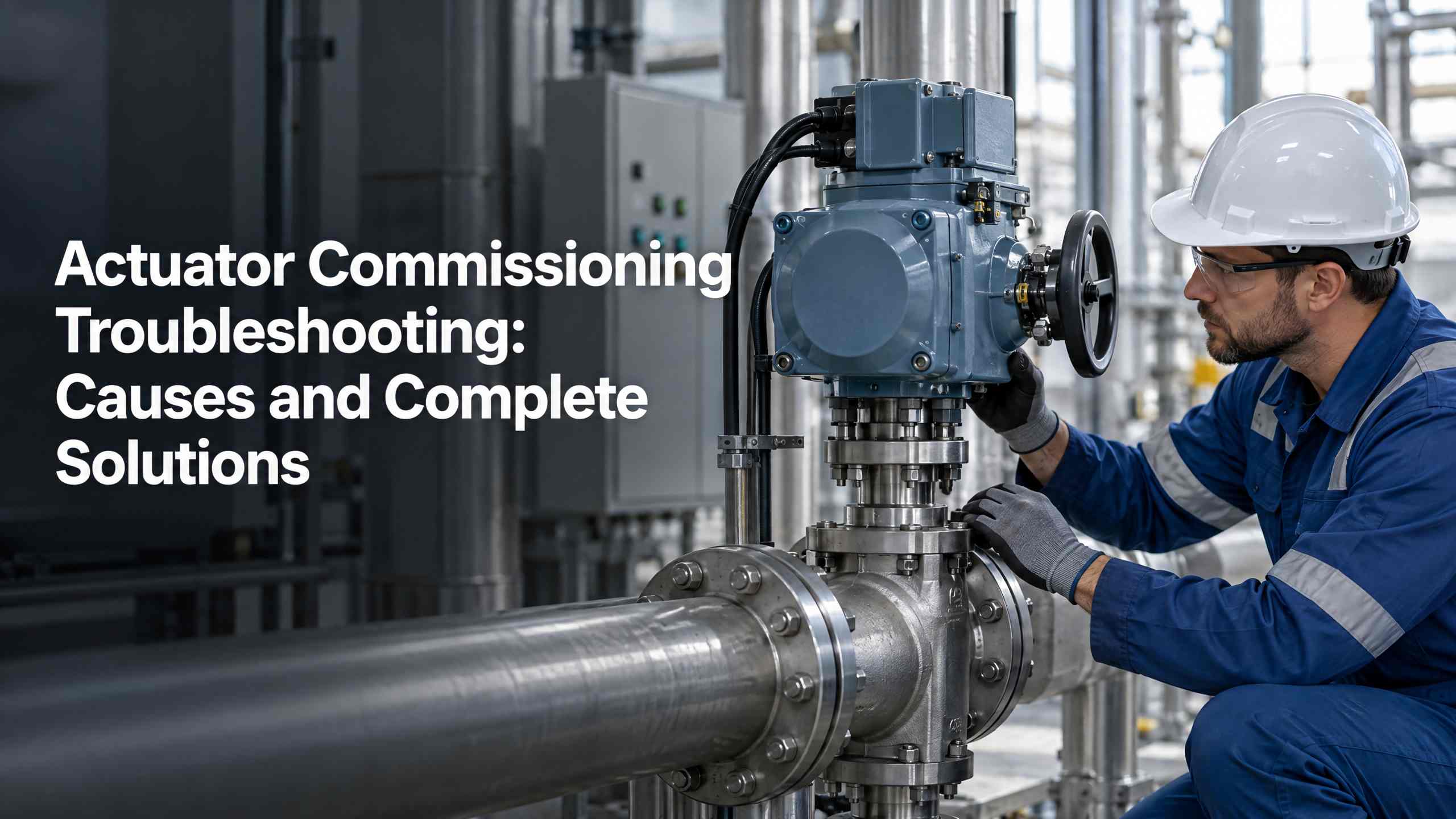
This guide covers common electric‑actuator on‑site commissioning faults, causes & practical fixes. It delivers practical actuator commissioning troubleshooting for power, chemical and water‑treatment industry engineers.
Actuator Commissioning Troubleshooting: Causes and Complete Solutions

This article analyses multi‑turn electric actuator operating environments. It covers temperature, protection, vibration and power‑supply factors, guiding Actuator Working Condition Selection and listing prohibited application scenarios.
Analysis of Applicable Environments for Multi‑turn Electric Actuators
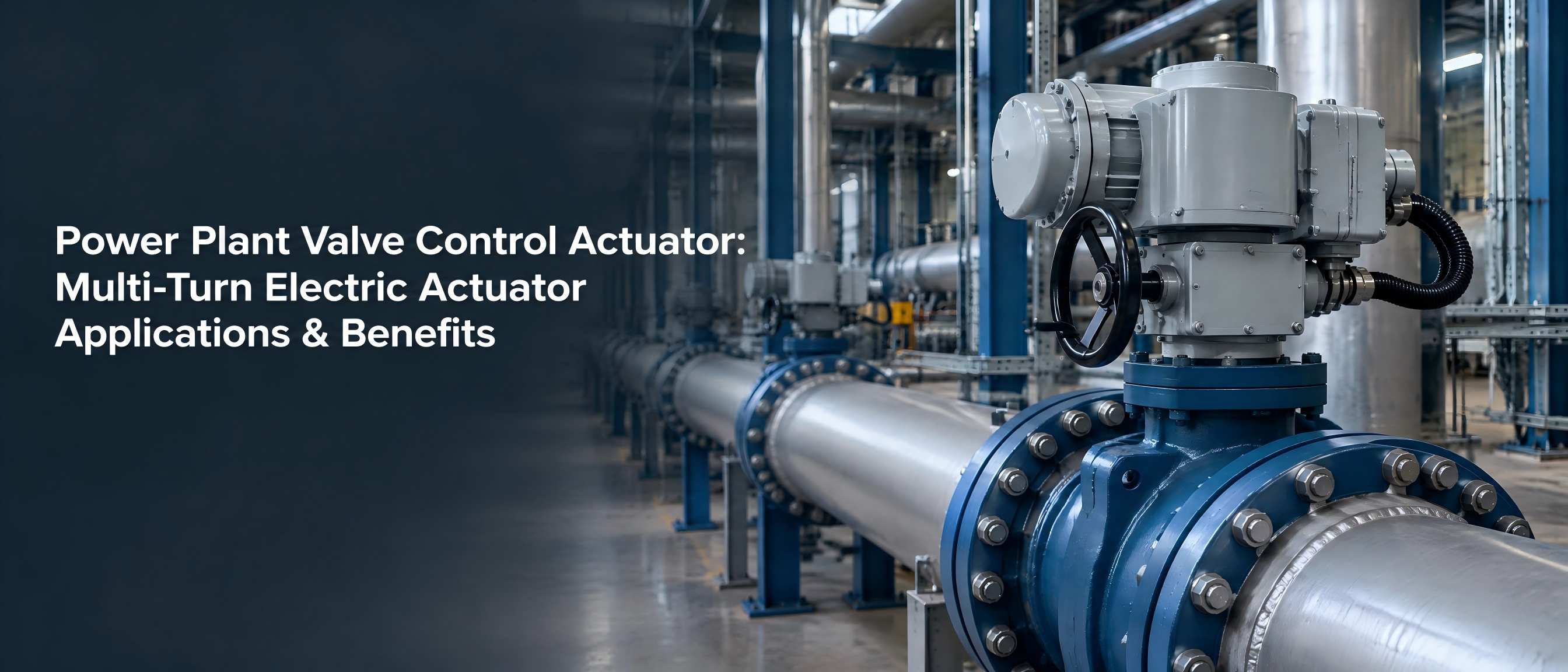
Multi‑turn electric power plant valve actuator converts control signals into valve movements. Featuring high‑torque output, self‑locking and closed‑loop control, it adapts to harsh power‑plant conditions for thermal, hydropower and new‑energy stations, with reliable protection and easy‑maintain performance.
Power Plant Valve Control Actuator: Multi‑Turn Electric Actuator Applications & Benefits

Valen Tech wrapped up its presence at OGA 2026 in Kuala Lumpur. We exhibited premium valve actuators & custom fluid‑control solutions for onshore & offshore oil‑gas applications. Our team connected with SEA and Middle East clients, generating quality leads and strengthening regional brand footprint.
Exhibition Participation Valen Tech Successfully Completes OGA 2026