
Composition and Functions of Pneumatic Ball Valves
author: ATHENA GROUP
2025-08-26
A pneumatic ball valve is a type of valve that uses air pressure as its power source and relies on a pneumatic actuator to drive the rotation of a ball, thereby controlling the flow of fluid. It is widely used in various industries such as petroleum, chemical engineering, electric power, food, and pharmaceuticals, and is characterized by excellent sealing performance, high control accuracy, and easy operation. So, what specific parts make up a pneumatic ball valve? And what role does each component play? Next, we will introduce them in detail for you.
1. Valve Body
The valve body serves as the installation base for all components. It needs to withstand fluid pressure and medium corrosion, and has two core functions: first, to fix components such as the ball and valve seat, ensuring that the coaxiality error is ≤ 0.1mm to avoid jamming; second, to isolate the medium from the outside to prevent leakage.
The key to material selection lies in the working conditions: cast iron valve bodies are chosen for low-pressure and clean working conditions due to their high cost-effectiveness; 304/316 stainless steel is used for medium-high pressure or corrosive scenarios; and forged steel valve bodies are required for ultra-high pressure conditions, as their compressive strength is 20% higher than that of cast steel. Attention should also be paid to the flow channel design: full-bore flow channels reduce flow resistance by 50% compared with right-angle flow channels, making them suitable for energy-sensitive scenarios.
2. Ball and Valve Seat
2.1 Ball
The ball achieves opening and closing through a 90° rotation. When the through-hole of the ball is aligned with the pipeline, the valve is fully open; when the spherical surface of the ball blocks the pipeline, the valve is fully closed. Surface precision has a greater impact on sealing than material. For general working conditions, the surface roughness needs to be ≤ Ra 0.8μm; for high-precision scenarios, it needs to be ≤ Ra 0.2μm, which can reduce the leakage rate to below 0.1mL/h. The choice of material depends on the medium: 304 stainless steel is used for clean media, while balls coated with tungsten carbide are required for media containing particles, as this coating increases wear resistance by 5 times.
2.2 Valve Seat
The valve seat fits with the ball to achieve sealing, and the spring at the bottom can compensate for the wear of the ball. For low-temperature conditions, composite valve seats made of fluororubber and polytetrafluoroethylene (PTFE) are used, which are resistant to low temperatures and maintain elasticity. For strong corrosive working conditions, PTFE valve seats are selected, and they are matched with metal springs to make up for the lack of elasticity.

3. Actuator and Valve Stem
3.1 Pneumatic Actuator: Power Source
Pneumatic actuators are divided into double-acting and single-acting types. Double-acting actuators are driven by alternating air intake at both ends, providing large torque. They are suitable for medium-high pressure and large-diameter valves and can maintain the current valve position when the air supply is cut off. Single-acting actuators are driven by air pressure and reset by a spring. They can automatically close the valve when the air supply is interrupted, making them suitable for scenarios such as petroleum industry that require emergency shutdown, with a response speed as fast as 0.8 seconds. When selecting an actuator, torque calculation is necessary: Torque = Fluid Pressure × Valve Diameter × Safety Factor (1.2-1.5), to avoid insufficient or excessive torque.
3.2 Valve Stem: Power Transmission Shaft
The valve stem connects the actuator and the ball, transmitting torque and preventing leakage. For high-temperature conditions, bellows seals are used instead of packing seals, which are prone to aging. When installing packing seals, they need to be installed in layers, with each layer staggered by 90° and compressed step by step to balance sealing performance and operational flexibility. The valve stem is made of 316 stainless steel for corrosion resistance and rust prevention.
4. Auxiliary Components
Positioner: It corrects the valve position deviation. Without a positioner, the deviation can reach ±5%, while with a positioner, the deviation can be controlled within ±0.5%. It is suitable for high-precision scenarios such as fine chemical engineering and can also provide real-time fault alarms.
Manual Device: It is used for emergency operation when the air supply fails. Equipped with a clutch structure, it does not interfere with the pneumatic operation and can fix the valve position during maintenance.
Other Accessories: Limit switches feed back valve position signals to ensure the closed-loop of the automatic control system; position indicators facilitate on-site inspection; air supply interfaces need to be equipped with filters to filter impurities and prevent jamming of the actuator.
Conclusion
The core of a pneumatic ball valve lies in the coordinated work of its components: the valve body bears pressure, the ball and valve seat ensure sealing, the actuator provides driving force, and the accessories offer guarantee. During selection and installation, avoiding misunderstandings such as "only considering the valve diameter without calculating torque" and "neglecting the medium when selecting materials" will ensure the valve operates stably and durably, meeting various fluid control requirements.
Step-by-Step Guide to Adjust Actuator Valve
How to Check Electrical Connections on a Solenoid Actuator
Related Article

Valen Tech wrapped up its presence at OGA 2026 in Kuala Lumpur. We exhibited premium valve actuators & custom fluid‑control solutions for onshore & offshore oil‑gas applications. Our team connected with SEA and Middle East clients, generating quality leads and strengthening regional brand footprint.
Exhibition Participation Valen Tech Successfully Completes OGA 2026
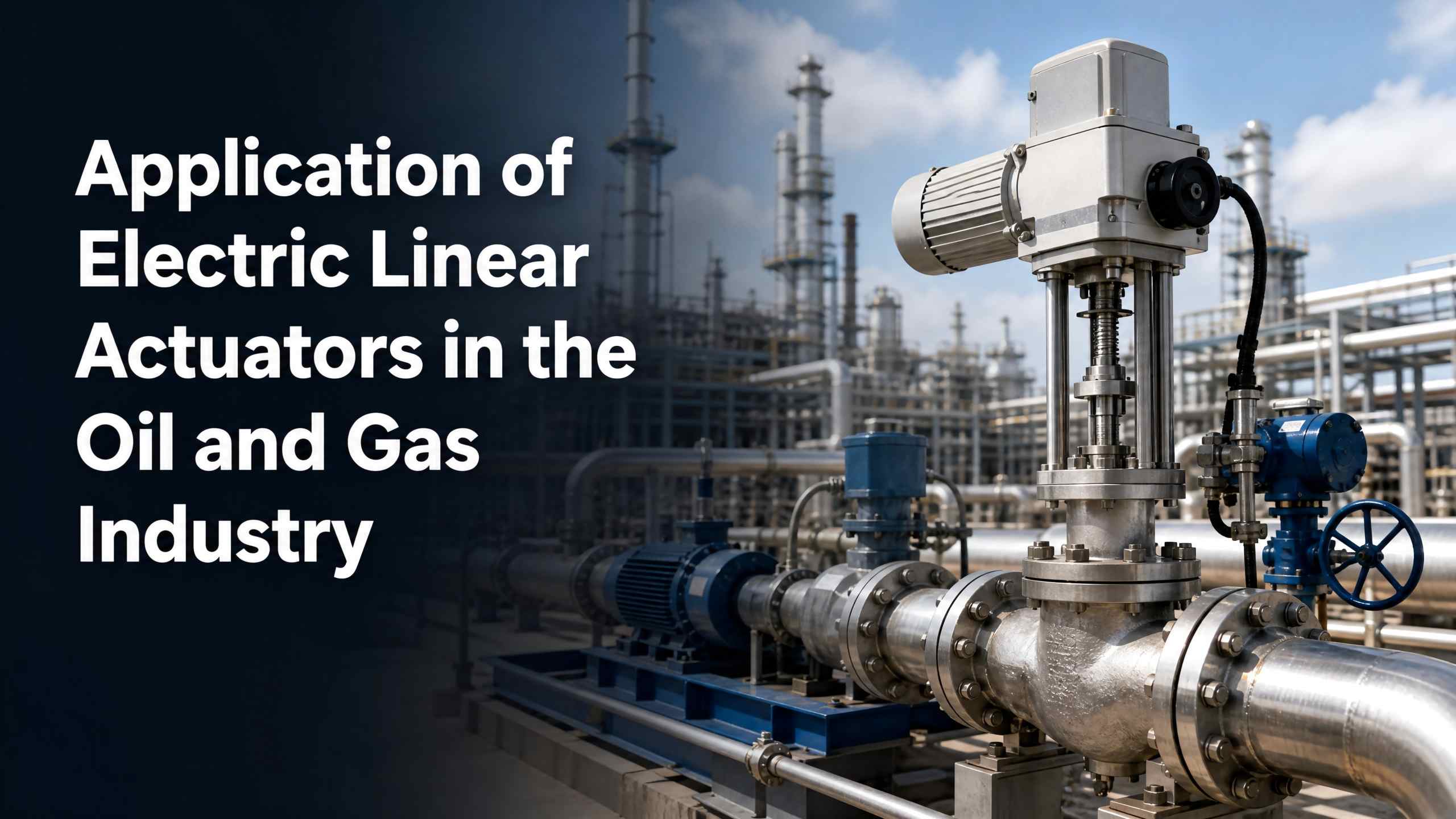
This paper introduces Valen Tech electric linear actuators, analyzing their advantages, valve applications, full‑scenario adaptability and selection points in the oil‑gas industry. It compares them with traditional actuators and offers troubleshooting solutions, illustrating their role in driving intelligent upgrades for the sector.
Application of Electric Linear Actuators in the Oil and Gas Industry

This document describes the full‑site commissioning workflow for intelligent electric valve actuators, including preparation, calibration, safety tests, acceptance and common‑fault troubleshooting.
How to Commission Intelligent Electric Valve Actuators?
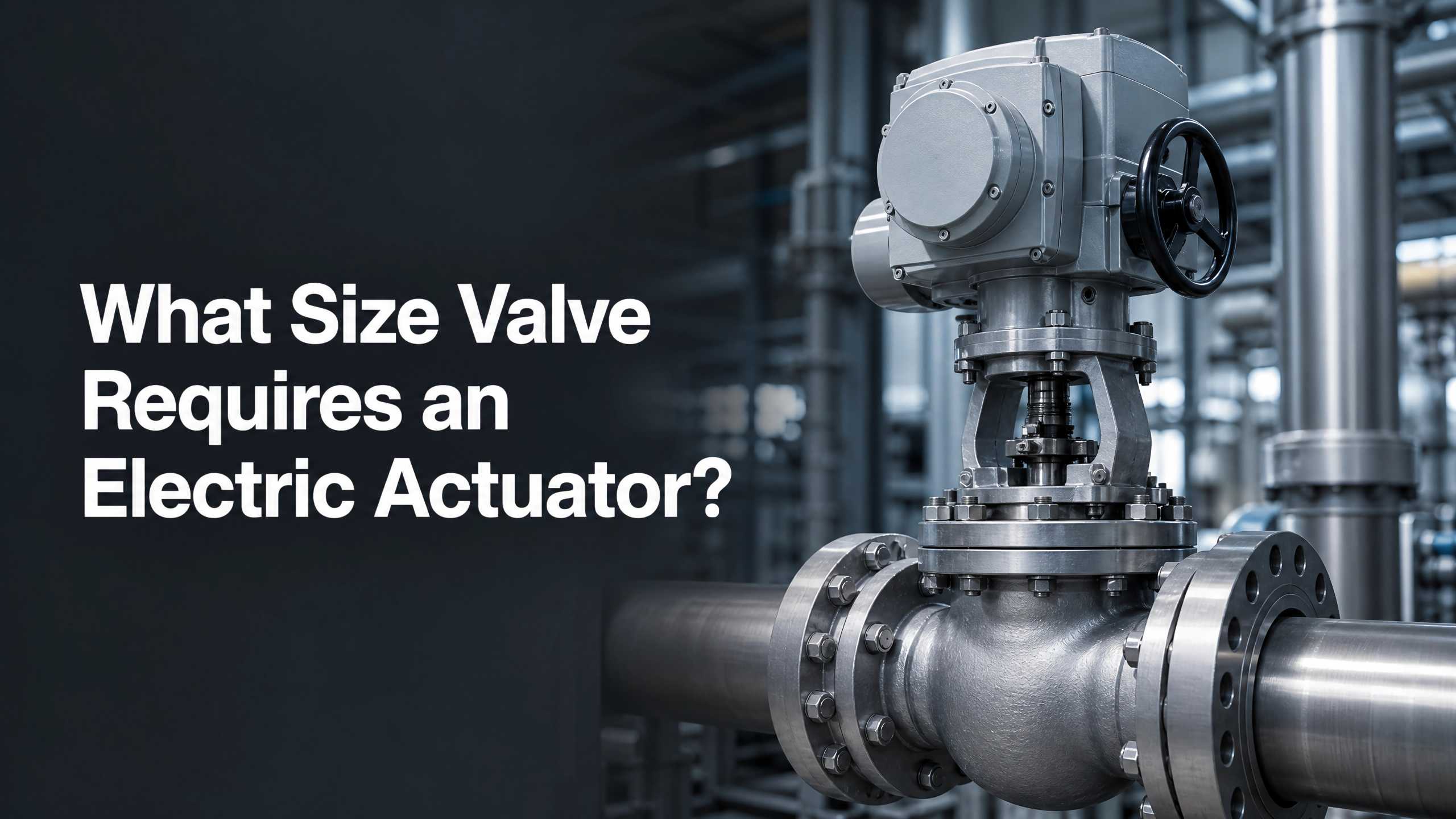
This guide outlines electric actuator selection for valves. Large valves (DN>200) usually need electric actuators, medium ones rely on working conditions, and small valves are mostly manual. Pressure, media and precision affect selection, requiring proper torque margin.
What Size Valve Requires an Electric Actuator?