
Differences Between On-off Type and Modulating Type Multi-turn Electric Valve Actuators
author: ATHENA GROUP
2026-07-17
Multi-turn electric valve actuators are core driving equipment for multi-turn opening and closing valves such as gate valves and globe valves, widely applied in industrial automated pipeline systems including chemical, power, water treatment and metallurgy industries. Classified by control functions into on-off type and modulating type, the two share similar appearances yet differ greatly in functions, structures, performance, working condition adaptability and operation & maintenance. Accurate distinction is the key to equipment selection and stable operation & maintenance.
I. Differences in Core Functional Positioning
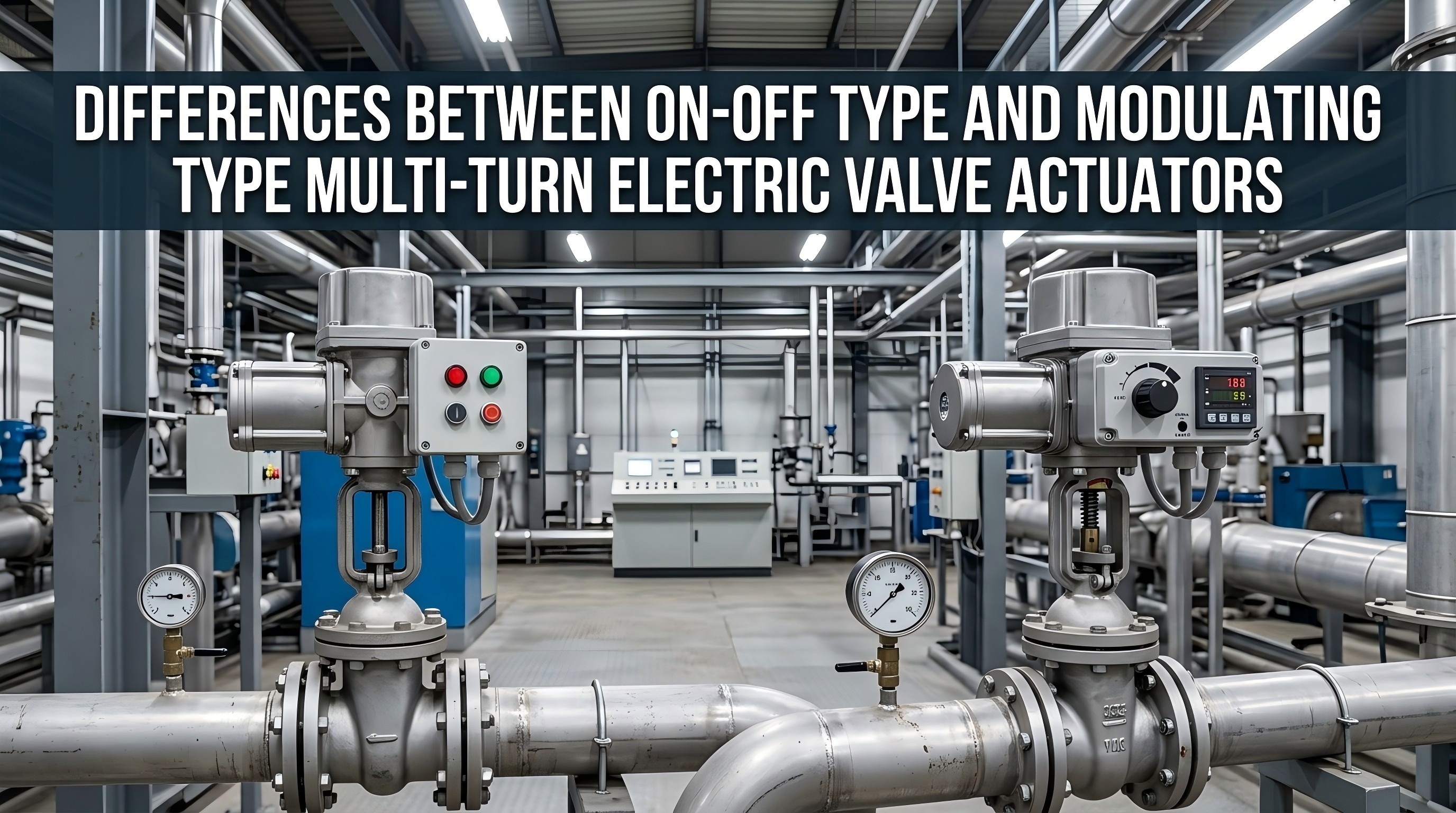
The on-off actuator is a two-position on-off device that only supports two operating states of the valve: fully open and fully closed. It cannot stay at any intermediate opening position, merely responsible for conducting and cutting off pipeline media without intervening process parameters such as flow rate and pressure, meeting basic pipeline isolation requirements.
Centered on precise opening regulation, the modulating actuator can position the valve at any position across the full stroke of 0%–100% according to industrial control signals, dynamically fine-tuning media flow rate, pressure and flow velocity to offset working condition fluctuations and ensure continuous stable operation of precision production processes.
II. Differences in Structural Design and Control Logic
The on-off actuator features a streamlined structure composed of a motor, reducer, limit and torque protection mechanism, and manual switching mechanism. It achieves mechanical limit via cams and micro switches, with torque protection to avoid equipment damage from overload. Adopting open-loop control, it only receives digital on-off signals without feedback regulating loops, boasting simple control logic and high mechanical reliability.
On the basis of basic mechanical structures, the modulating actuator is additionally equipped with an absolute encoder, intelligent regulating module and closed-loop regulating circuit, and some models are fitted with LCD displays. The encoder collects opening data in real time, automatically corrects deviations between input signals and actual opening degrees to realize high-precision closed-loop dynamic regulation, featuring higher intelligence and more convenient commissioning and maintenance.
III. Differences in Core Performance Parameters
- Operating duty cycle: The on-off type adopts short-time duty cycle with a rated single operating duration of 10–15 minutes, suitable for low-frequency intermittent opening and closing working conditions. Its Class F insulated motor with dual temperature control protectors effectively prevents overheating. The modulating type adopts intermittent periodic duty cycle with specially reinforced design, capable of adapting to high-frequency start-stop and continuous fine-tuning working conditions, with outstanding anti-fatigue and anti-attenuation performance.
- Control accuracy: The on-off type only guarantees complete opening and closing with large repeat error and no precise regulating capability. The modulating type delivers excellent control accuracy with stroke error controlled within 1%, supporting cover-free remote calibration and rapid response to minor signal changes.
- Signals and feedback: The on-off type only supports digital on-off signals and outputs position arrival signals without opening feedback. The modulating type is compatible with standard analog signals of 4-20mA and 0-10V as well as RS485 communication, enabling real-time upload of full-stroke opening data for remote precise monitoring.
- Load adaptability: The on-off type only bears static opening and closing resistance, requiring a torque margin of 1.3 times during model selection. The modulating type withstands dynamic medium impact for a long time, demanding a torque margin of 1.5–2 times to avoid overload and wear caused by frequent regulation.
IV. Differences in Application Selection and Operation & Maintenance
The on-off actuator features high cost performance and simple maintenance, applicable to scenarios only requiring on-off isolation such as water supply and drainage, fire protection, oil and gas transportation, and chemical standby pipelines. Only three basic parameters need verification during model selection: torque, stroke turns and operating power supply. Routine maintenance mainly involves regular inspection of limit mechanisms, torque protection devices and wiring conditions.
The modulating actuator fits precision working conditions requiring precise flow control and pressure stabilization such as power generation, fine chemical industry and heating supply. Extra matching of control signals, operating duty cycles and signal loss protection modes is required for model selection. Its operation and maintenance demand higher professionalism, including regular encoder calibration, signal interference troubleshooting and motor temperature monitoring to secure regulating accuracy and system stability.
V. Summary of Model Selection
The on-off electric actuator boasts simple structure, cost-effectiveness and stability for ordinary opening and closing applications; the modulating type is precise and intelligent for sophisticated automation scenarios. Process requirements and budget shall be comprehensively considered during model selection.
ValenTech specializes in electric actuator products, providing customized well-matched complete drive solutions of on-off and modulating multi-turn products to support stable operation and refined management for enterprises.
Understand Electric Butterfly Valves: From Basics to Advanced Applications
Classification of Electric Butterfly Valve Actuators
Related Article
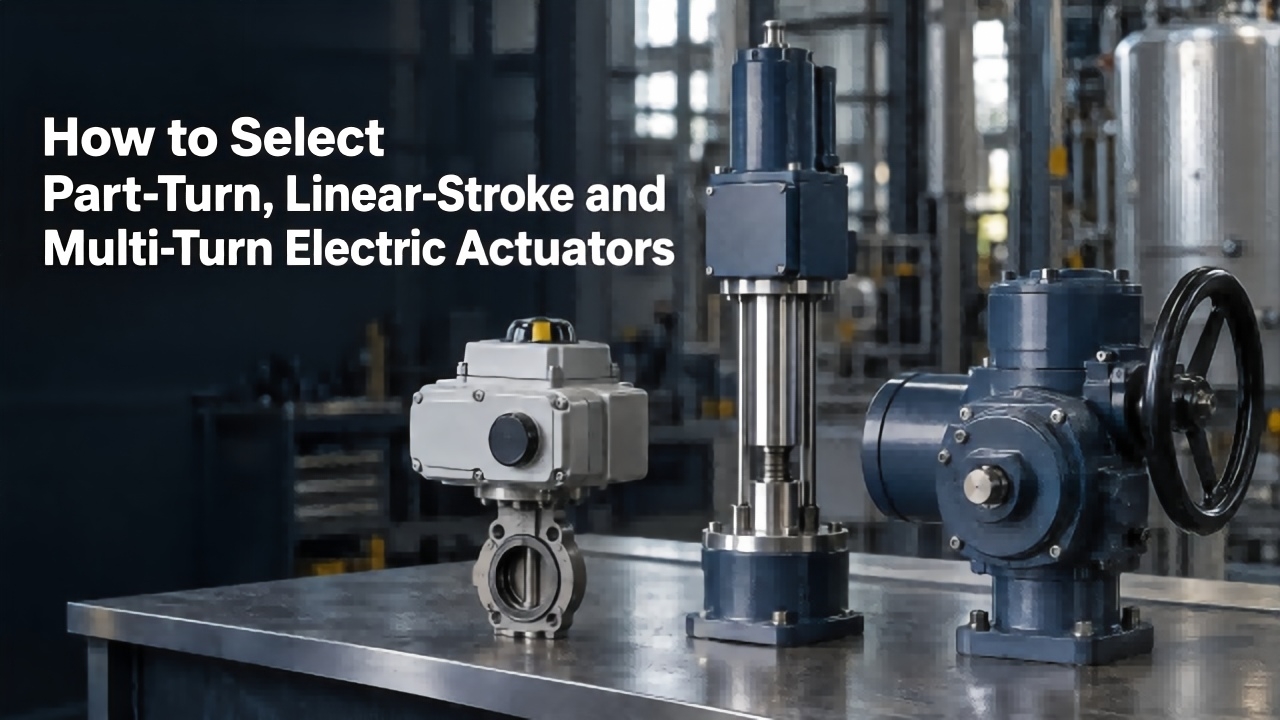
Learn differences among part‑turn, linear‑stroke and multi‑turn electric actuators. This guide covers matching valves, torque‑thrust calculation, 5‑step selection process and typical pitfalls for your industrial actuator applications.
How to Select Part‑Turn, Linear‑Stroke and Multi‑Turn Electric Actuators
Learn about electric actuator response speed, internal and external influencing factors and key selection points, to select suitable actuators for valve automation projects and ensure efficient and stable system operation.
Response Speed of Switch‑Type Electric Actuator
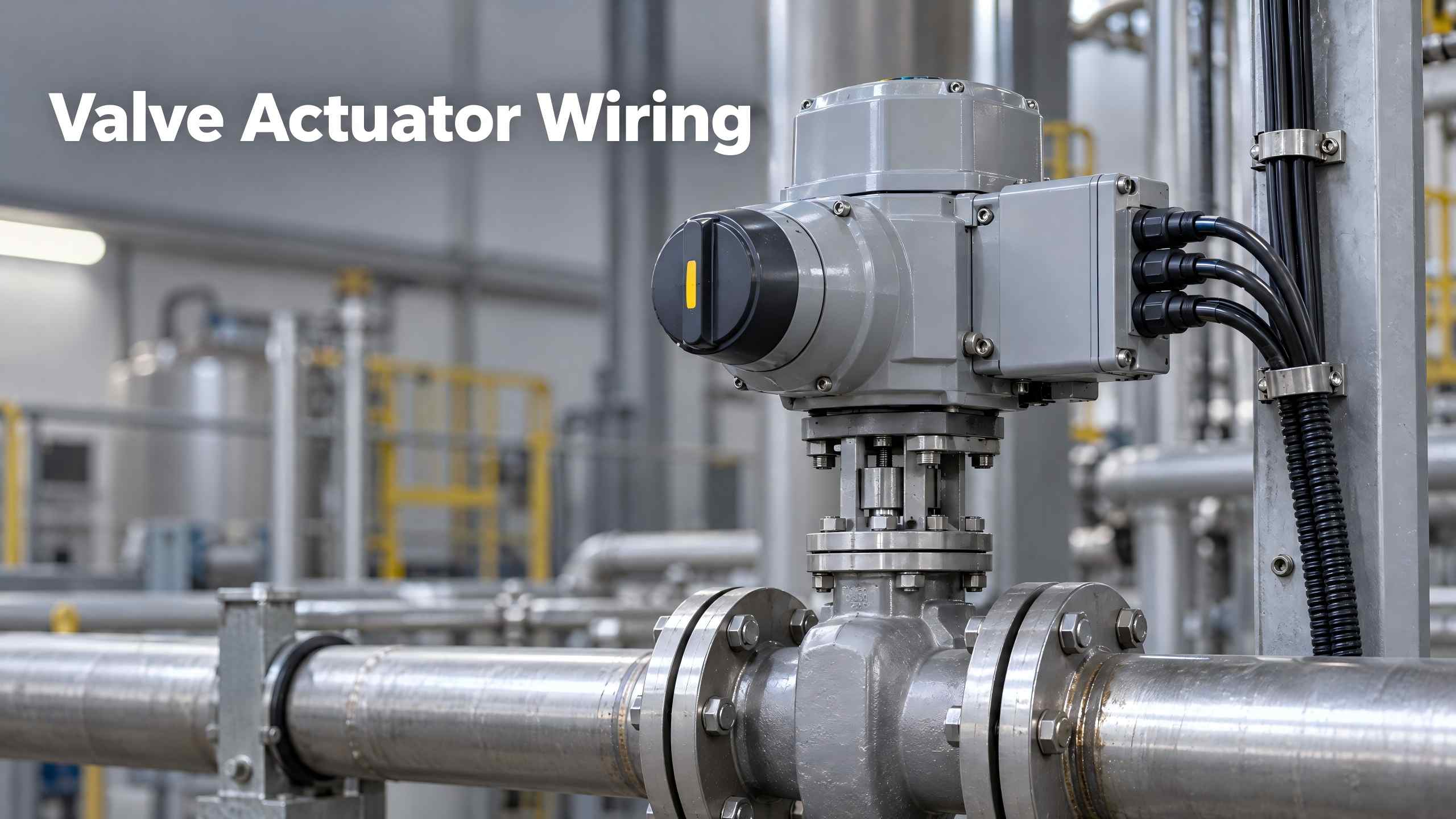
Valve Actuator Wiring describes wiring, commissioning and troubleshooting for electric valve actuators, guiding technicians to adopt standard wiring for stable industrial control.
Valve Actuator Wiring
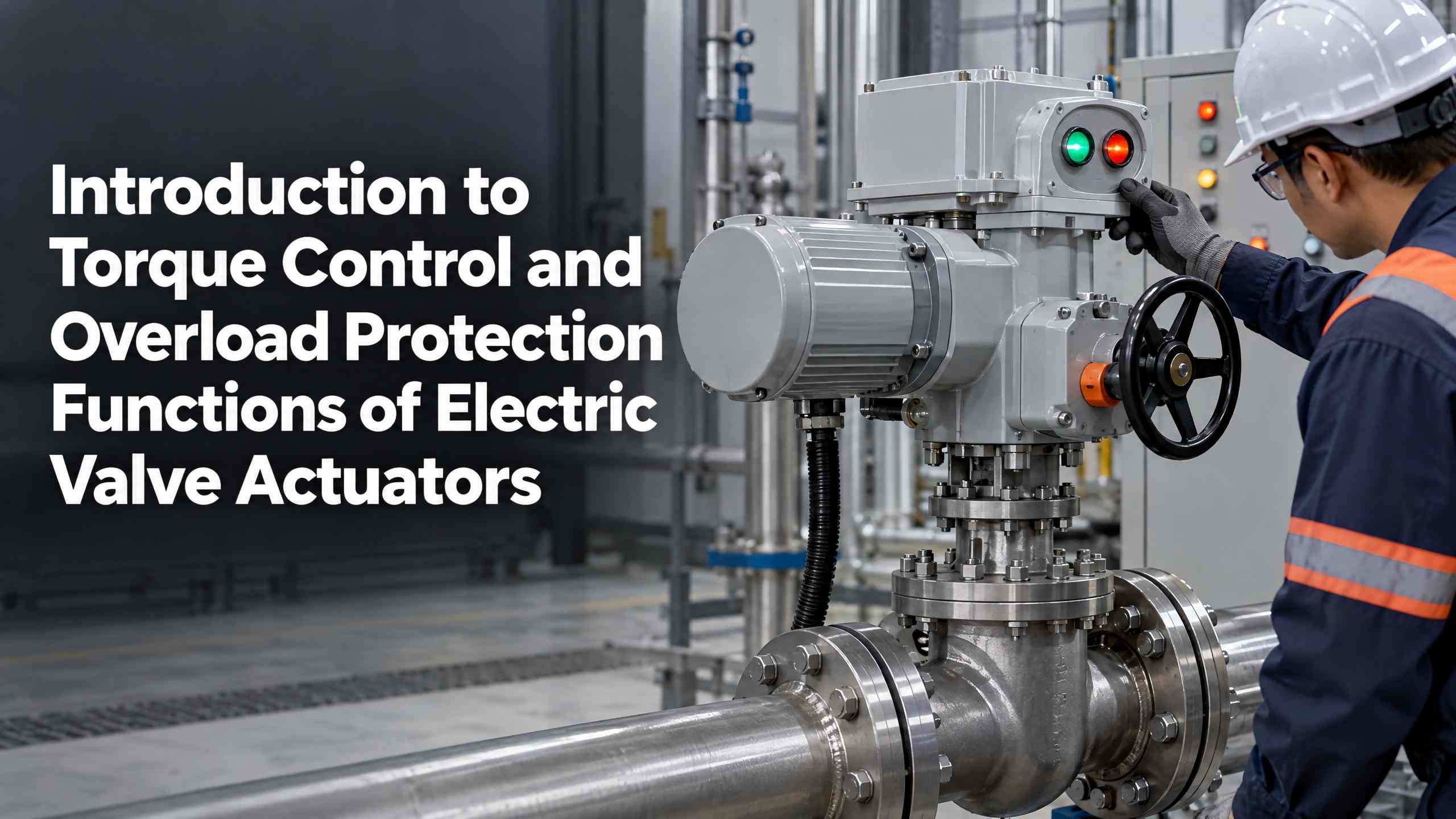
Valen Tech explains electric valve actuator torque control and overload protection functions. Learn how multi‑turn & part‑turn actuators prevent jamming and mechanical damage for petroleum, chemical, power and water pipeline systems.
Introduction to Torque Control and Overload Protection Functions of Electric Valve Actuators