
How Actuated Ball Valves Obtain Dual ATEX and IECEx Certifications for Hazardous Environments
author: ATHENA GROUP
2026-07-13
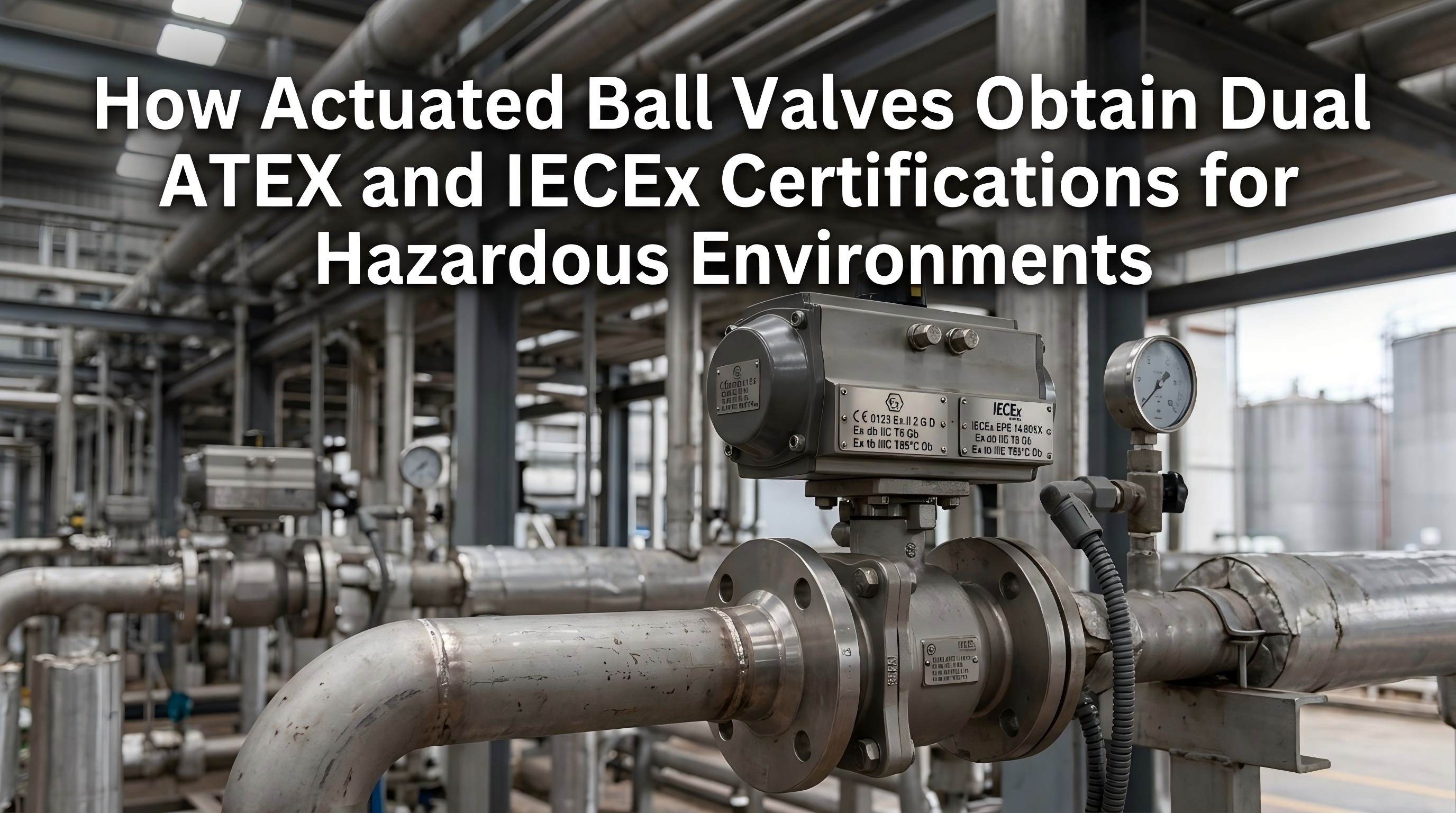
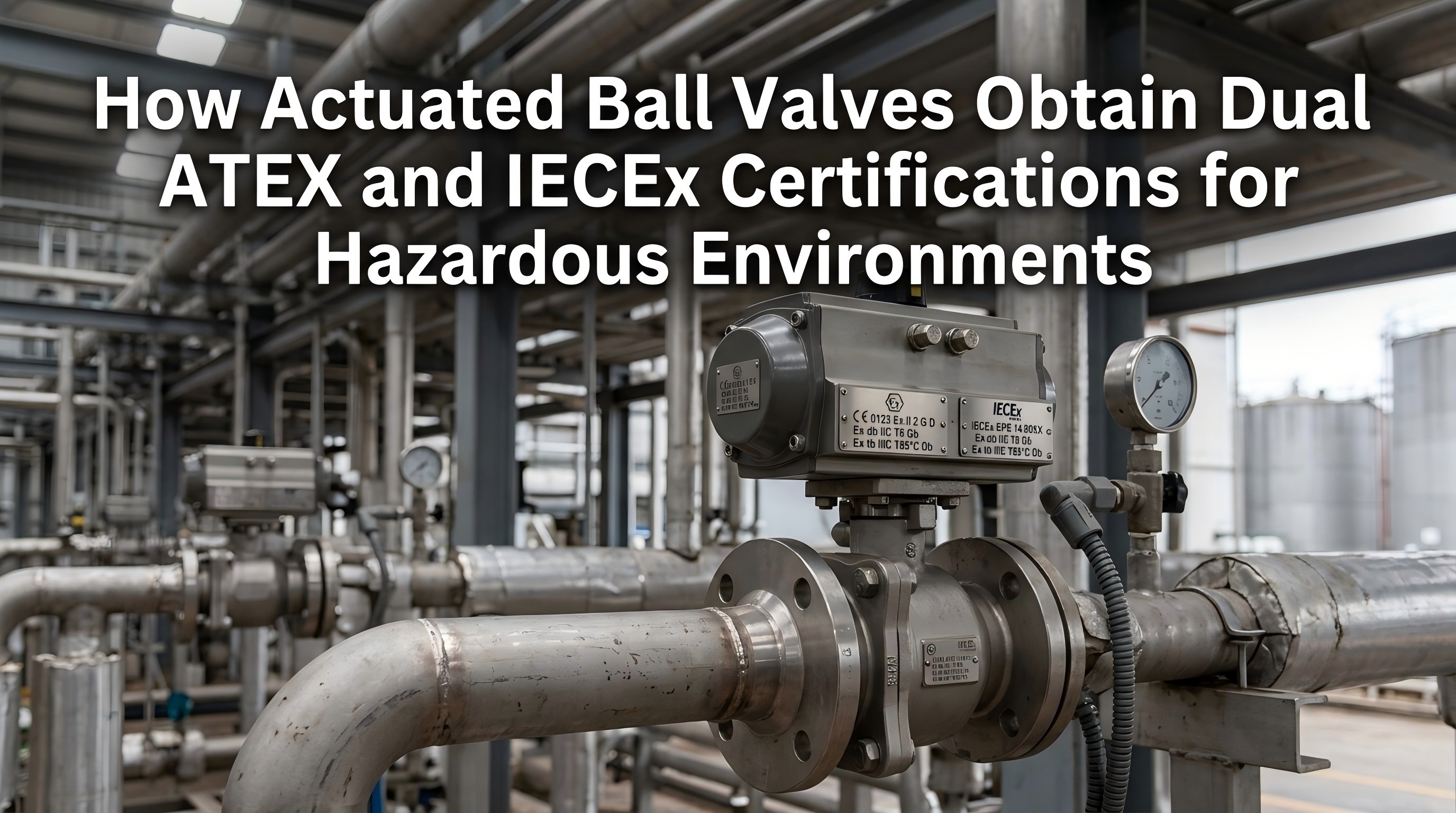
In high-risk industries such as oil and gas, chemical processing, pharmaceuticals and mining, flammable and explosive gases, vapours or dusts are ubiquitous. Ordinary ball valves may easily trigger catastrophic accidents due to sparks, high surface temperatures or leakage, and are strictly prohibited for use in such zones. Only actuated ball valves certified to ATEX and IECEx explosion-proof standards can meet global compliance and workplace safety requirements. Below is a concise breakdown of the certification logic and core compliance prerequisites.
I. What Are Industrial Hazardous Explosion Zones?
A hazardous area refers to an operational environment where a mixture of air and combustible media creates an explosion risk. To unify safety standards, the industry categorises working conditions into multiple hazard tiers based on explosion likelihood:
- Gas hazardous zones: Zone 0 (constant presence, highest risk), Zone 1 (regularly generated during routine operations), Zone 2 (occasional, short-term presence).
- Dust hazardous zones: Zone 20, Zone 21, Zone 22, with hazard levels corresponding to the gas zones respectively.
II. Primary Risks of Using Uncertified Ball Valves
Non-standard ball valves without valid certifications tend to develop issues such as excessive surface temperature, external electrical spark discharge, medium leakage or damage from chemical corrosion during operation. These defects can readily ignite combustible substances in the surrounding environment, causing explosions or fires. Consequences extend beyond equipment damage and production line shutdowns; enterprises will also face compliance failures, administrative penalties and legal liability, making uncertified valves a critical safety hazard in high-risk plant facilities.
III. Core Differences Between ATEX and IECEx Certifications
Both certifications aim to prevent equipment from acting as an ignition source, yet they differ in applicable scope and legal validity, serving as key criteria for overseas product selection:
- ATEX Certification: Based on mandatory EU directives, this is a statutory certification for market access within the European Union. All explosion-proof valves sold and installed in the EU must pass ATEX testing and bear the required explosion-proof marking.
- IECEx Certification: A globally unified explosion-proof standard administered by the International Electrotechnical Commission (IEC) with cross-country mutual recognition. It is widely accepted across major markets including North America, the Asia-Pacific region and the United Kingdom, constituting an essential qualification for product export and international bidding.
For global trade and EU-based projects, actuated ball valves typically require dual ATEX and IECEx certification to satisfy regional regulatory obligations and international interoperability requirements.
IV. Five Mandatory Core Prerequisites for Securing Dual Certifications
The dual certification audit covers the complete valve assembly, with key compliance benchmarks falling into the following five categories:
1.Explosion-Proof Construction and Specialised Safety Materials
High-integrity monolithic construction is adopted, equipped with fail-safe devices including fire-resistant seals and emergency shutdown functions. Valve bodies are manufactured from corrosion-resistant stainless steel with specialised protective coatings to withstand chemical degradation. Standardised anti-static structures and properly specified earthing designs are integrated to eliminate static charge accumulation.
2.Compliant Electrical Explosion-Proof Design
Electric actuators constitute the primary focus of certification assessment. Qualified products incorporate a three-tier explosion-proof design consisting of flameproof, intrinsically safe and increased safety protection. Sealed protective enclosures isolate electrical components to block spark escape and abnormal overheating, enabling stable performance amid temperature fluctuations, dust accumulation and corrosive conditions.
3.Precise Matching of Temperature Class and Equipment Category
Valve surface temperature must remain lower than the auto-ignition temperature of on-site media (Temperature Class T6 delivers optimal performance for high-risk chemical substances). Equipment is classified by operating conditions: Category 2 units are designated for high-risk Zones 1 and 21, subject to intensified testing; Category 3 units suit low-risk Zones 2 and 22, complying with basic explosion-proof specifications.
4.Full-Scope Testing by Independent Authorised Third-Party Laboratories
All actuated ball valves must undergo a complete suite of explosion-proof tests conducted by external independent laboratories, covering blast resistance, tightness, fire safety, mechanical strength, thermal cycling ageing, IP ingress protection and other parameters, verifying that equipment can withstand blast impact and chemical erosion.
5.Complete Documentation, Markings and Mass Production Quality Control
Certification applications require submission of full assembly drawings, hazard assessment reports and component traceability records. Finished valve bodies must be clearly marked with certification numbers, explosion-proof ratings and applicable hazardous zones. A standardised quality control system must be implemented throughout mass production and subject to annual audits, ensuring consistent performance between batch-manufactured products and laboratory test samples.
V. Industry Value of Dual Certification
Dual ATEX and IECEx certification forms the core safeguard for safe valve operation in hazardous areas and regulatory compliance for enterprises. It eliminates ignition risks stemming from sparks, high temperatures and leakage at the source to protect personnel and equipment. Additionally, it mitigates corporate legal exposure, fulfils tender requirements for domestic and international projects, and significantly enhances the global applicability and market competitiveness of products.
Conclusion
Actuated ball valves can obtain dual certifications through specialised explosion-proof construction, high-risk compatible materials, compliant electrical design, rigorous third-party testing and standardised mass production systems. Enterprises must rigorously verify certification credentials during product selection, accurately match equipment to on-site hazardous zone classifications, and conduct regular maintenance to sustain long-term safe and compliant operation.
ValenTech prioritises safety and compliance above all else. Our full range of actuated ball valves is designed and manufactured in strict accordance with dual ATEX and IECEx certification standards. Every stage—from explosion-proof structural design and electrical isolation to mass production quality control—is subjected to stringent oversight, guaranteeing stable performance of every valve under extreme hazardous operating conditions. Choosing ValenTech means selecting safety backed by the world’s most stringent global standards.
Classification of Electric Butterfly Valve Actuators
Application of Electric Actuators in Petrochemical and Water Treatment Industries
Related Article
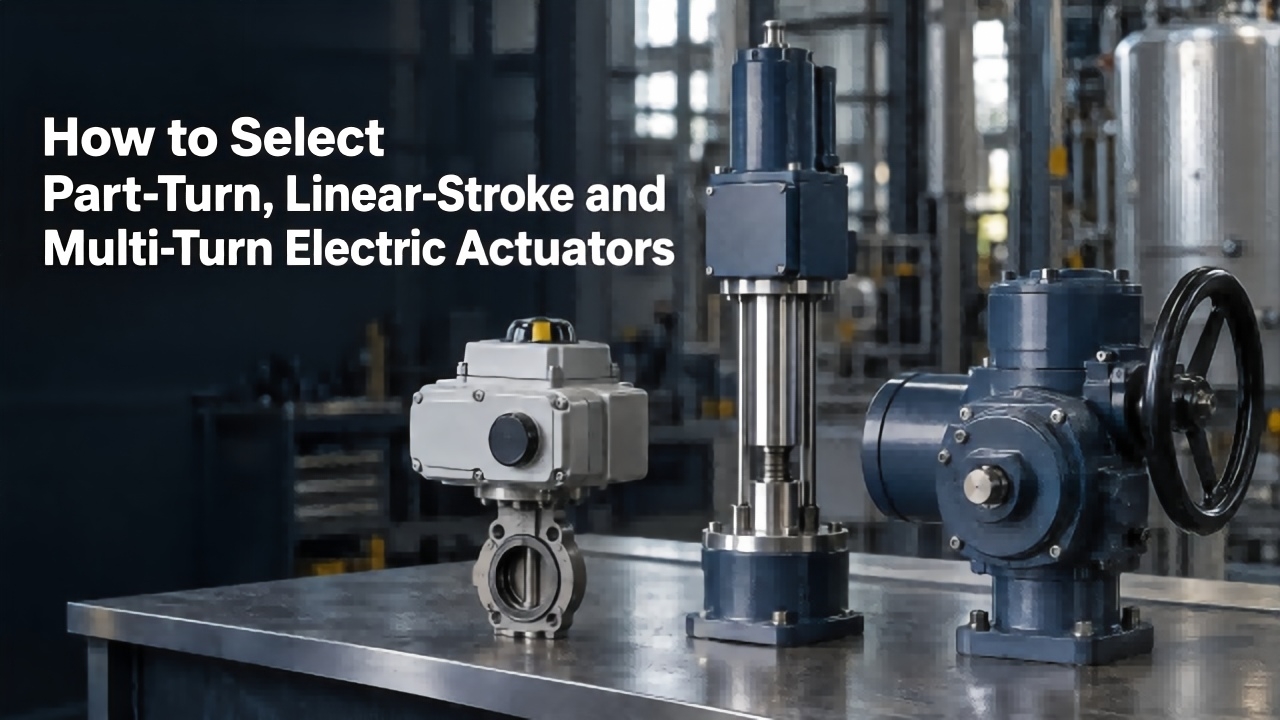
Learn differences among part‑turn, linear‑stroke and multi‑turn electric actuators. This guide covers matching valves, torque‑thrust calculation, 5‑step selection process and typical pitfalls for your industrial actuator applications.
How to Select Part‑Turn, Linear‑Stroke and Multi‑Turn Electric Actuators
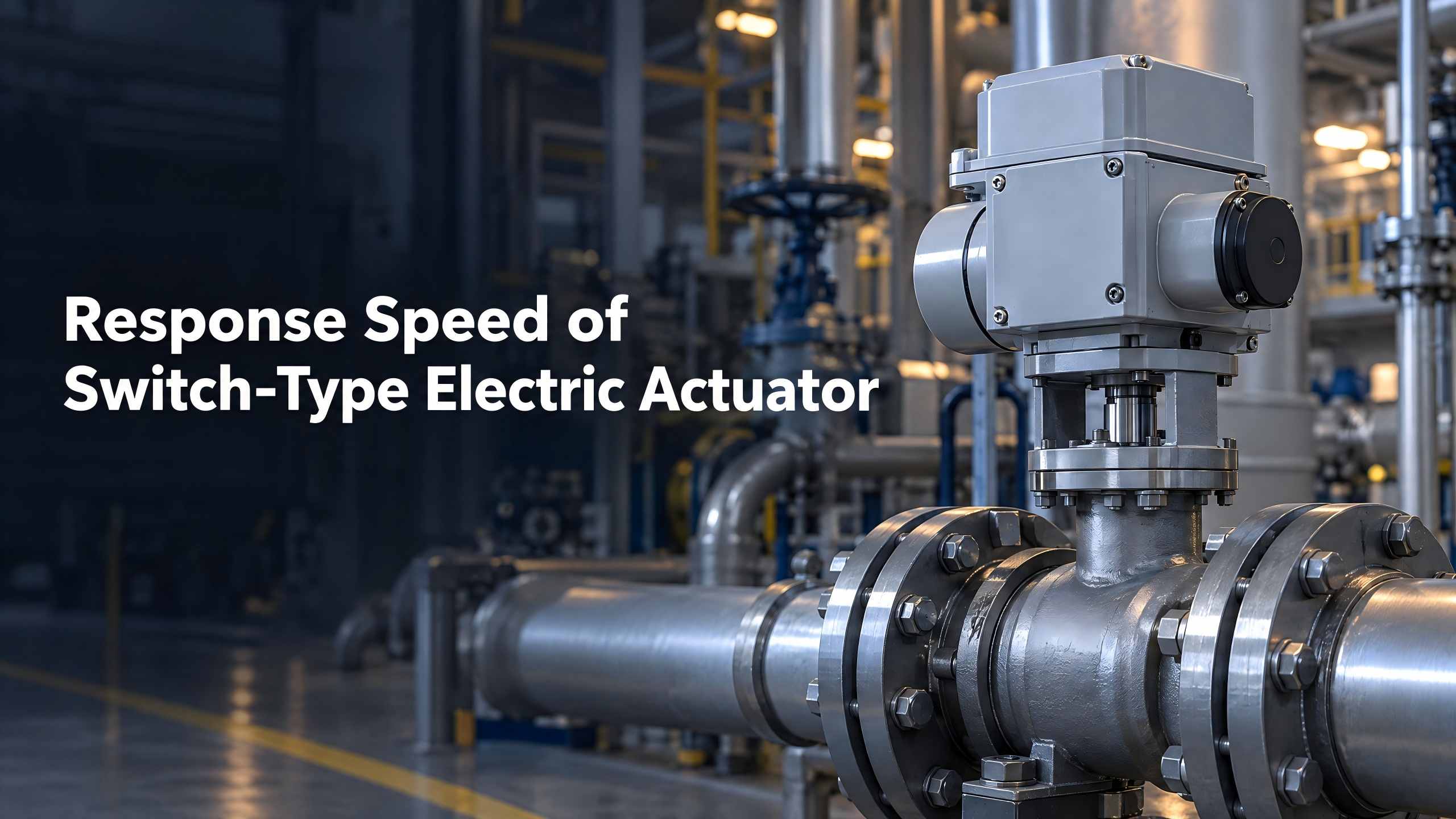
Learn about electric actuator response speed, internal and external influencing factors and key selection points, to select suitable actuators for valve automation projects and ensure efficient and stable system operation.
Response Speed of Switch‑Type Electric Actuator
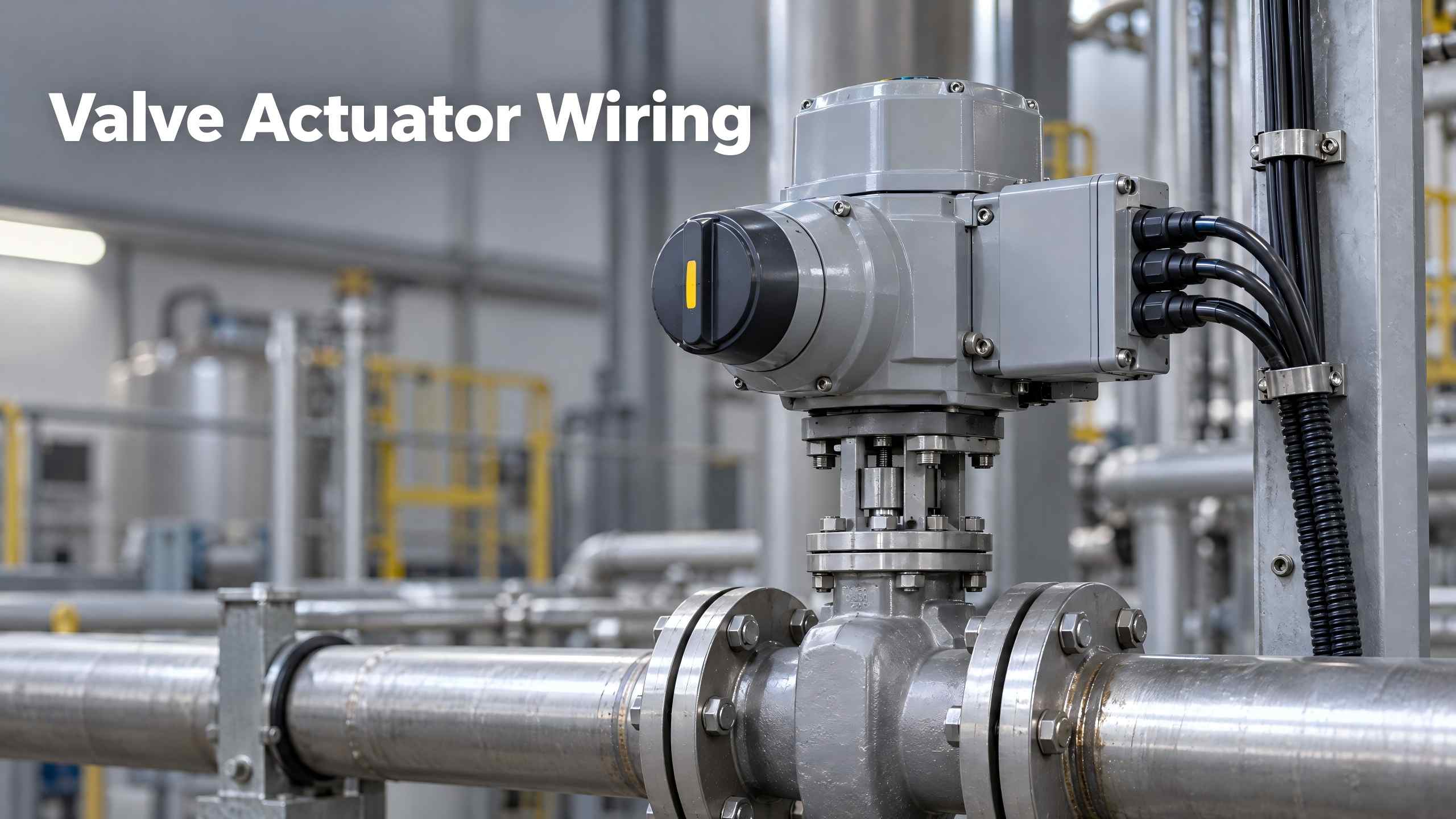
Valve Actuator Wiring describes wiring, commissioning and troubleshooting for electric valve actuators, guiding technicians to adopt standard wiring for stable industrial control.
Valve Actuator Wiring
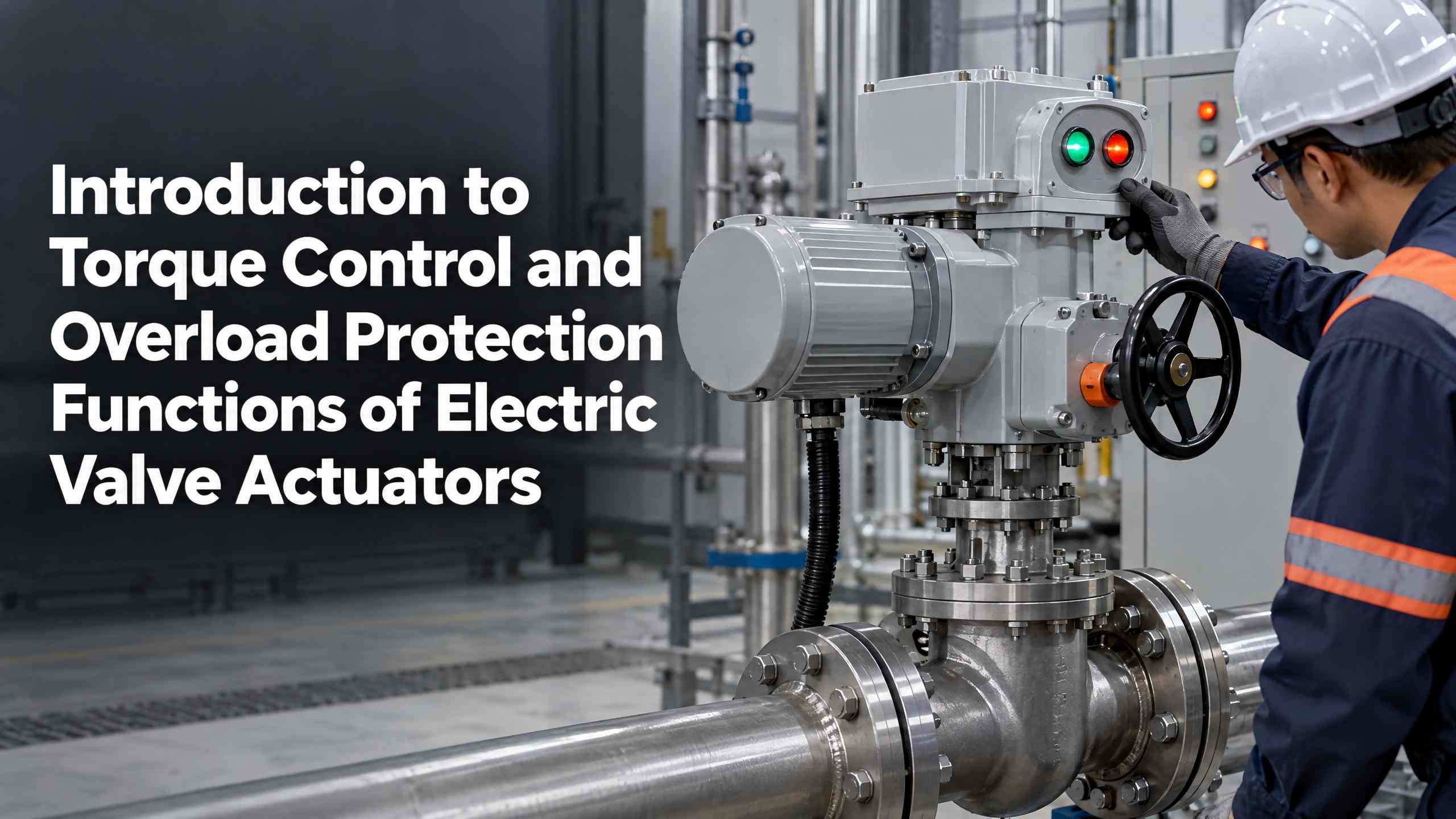
Valen Tech explains electric valve actuator torque control and overload protection functions. Learn how multi‑turn & part‑turn actuators prevent jamming and mechanical damage for petroleum, chemical, power and water pipeline systems.
Introduction to Torque Control and Overload Protection Functions of Electric Valve Actuators