
Industrial Actuator Selection Guide: Matching Actuator Type to Application
author: ATHENA GROUP
2026-04-22

Selecting the right actuator extends beyond torque calculations and voltage requirements. The actuator type fundamentally determines how the valve assembly performs in actual process conditions—get this wrong, and reliability problems surface immediately after installation.
Actuator Types Overview
Before diving into selection criteria, understand the three primary categories:
Pneumatic Actuators use compressed air to generate linear or rotary motion. They respond quickly, deliver high torque in explosive atmospheres (no spark risk), and work well in harsh environments. The trade-offs: require compressed air infrastructure, and spring-return designs have fixed fail-safe positions.
Electric Actuators use electric motors for precise positioning and easy integration with control systems. They offer programmable torque and position control, built-in feedback signals, and straightforward wiring. The limitations: slower response than pneumatics, temperature restrictions from motor insulation, and explosion-proof designs add significant cost.
Hydraulic Actuators use fluid pressure for extremely high torque output. They excel in heavy-duty applications requiring sustained high torque. The drawbacks: require hydraulic power units, more complex systems, and higher maintenance.
Industry-Specific Considerations
Oil & Gas
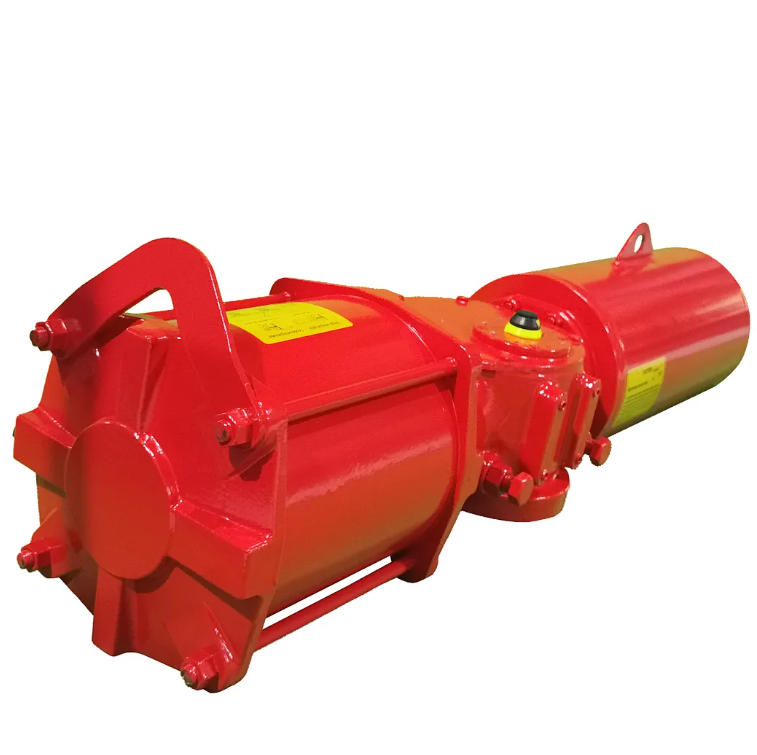
Explosion protection (ATEX/IECEx) is mandatory. Many facilities are remote, making maintenance access difficult. Pneumatic actuators dominate this sector because:
- Compressed air exists for instrument air systems
- No electrical ignition risk in Zone 0/1 areas
- Spring-return provides fail-safe without battery backup
- Fast response supports emergency shutdown
For pipelines, quarter-turn pneumatic actuators with rotary motion suit ball and butterfly valves. For wellhead chokes requiring precise throttling, consider electric actuators with position feedback.
Petrochemical and Refining
Similar requirements to oil & gas with additional considerations:
- Corrosive atmospheres demand stainless steel yokes and corrosion-resistant coatings
- High cycling applications (daily operation) favor pneumatic designs with adequate cycle ratings
- Steam tracing around valves may require extended temperature ratings on actuators
Power Generation
Water and steam service creates specific challenges:
- High humidity environments need IP66 or higher protection
- Position indication for regulatory compliance
- Spring-return failsafe for feedwater and steam isolation valves
Electric actuators are common in power for easy integration with DCS systems—precise position feedback supports automated operation.
Water and Wastewater
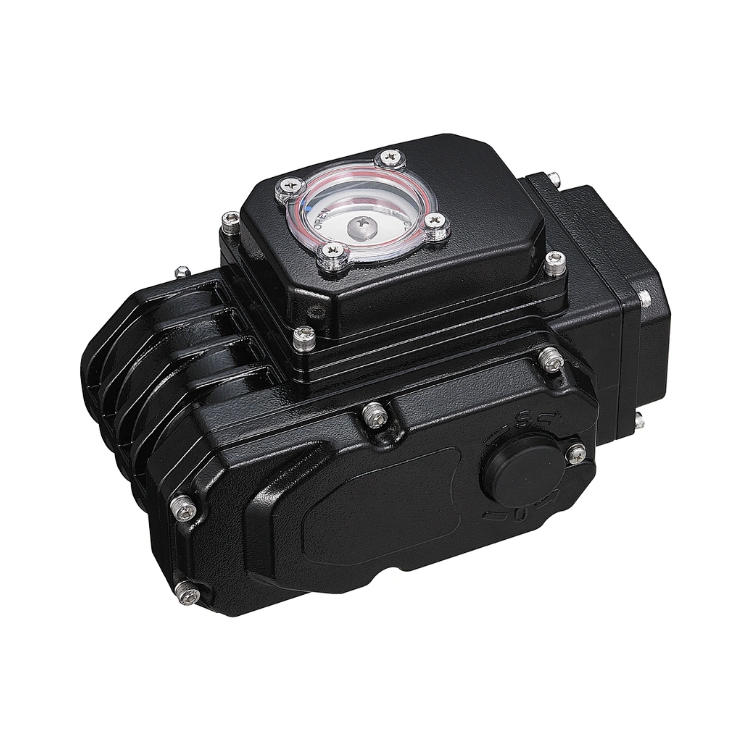
This sector prioritizes:
- Corrosive atmospheres (chlorine, hydrogen sulfide)
- Outdoor installation requiring weather protection
- Buried or submerged valves needing IP68 ratings
- Simple installation without compressed air infrastructure
Electric actuators work well here—most facilities have reliable power. Pneumatic offers advantages where compressed air already exists for aeration blowers or other process equipment.
Chemical Processing
Material compatibility matters beyond just the actuator:
- Stainless steel 316L or exotic alloys for corrosion resistance
- Sealing materials compatible with process vapors
- Temperature extremes from cryogenic to high-temperature processes
Scotch yoke pneumatic actuators excel in high-pressure applications (up to 150 bar) with their multi-point guided sealing.
Key Selection Parameters
Beyond basic torque sizing, evaluate these factors:
Solenoid Valves:
Pneumatic actuators require solenoid valves for automatic operation. Ensure the solenoids match the area classification and have appropriate response time.
Position Feedback:
Process automation increasingly requires position indication for remote monitoring. Consider:
- Limit switches (simple, reliable)
- Position transmitters (4-20mA signal for DCS integration)
- Proficbus or other fieldbus integration for smart facilities
Manual Overrides:
Operators need manual operation when power or air fails. Pneumatic actuators often include handwheel attachments. Electric designs have declutchable manual overrides—but verify the manual operation effort is reasonable.
Ambient Conditions:
Temperature extremes, humidity, salt air, sand exposure—each accelerates different failure modes. Italian-manufactured actuators like Valen-Tech often specify wider temperature ranges (-60°C to +250°C) suitable for extreme environments.
Common Selection Mistakes
- Oversizing for safety: Excessive torque rating accelerates seat wear and increases actuator cost. Base sizing on actual breakaway torque, not theoretical calculations generous to the point of waste.
- Ignoring cycle frequency: Frequent cycling (hundreds of cycles per day) requires higher cycle-rated actuators, not just higher torque. Spring-return designs have finite cycle life—exceed it and spring fatigue causes failure.
- Forgetting fail-safe position: What happens when air or power fails? Spring-return pneumatics go to a defined position (open or closed). Electric actuators without battery backup simply stop. Specify based on process safety requirements, not convenience.
- Disregarding maintenance access: Remote actuators in difficult access locations require higher reliability. This influences whether to specify premium actuators versus standard designs.
Conclusion
Actuator selection integrates process requirements, environmental conditions, control system capabilities, and maintenance realities. The cheapest actuator rarely delivers lowest total cost—reliability problems create expensive downtime. Invest appropriate effort in specification to avoid problems that manifest only after installation.
2026 Pneumatic Valve Actuator Procurement Guide
Actuator Valve Working Principle
Related Article
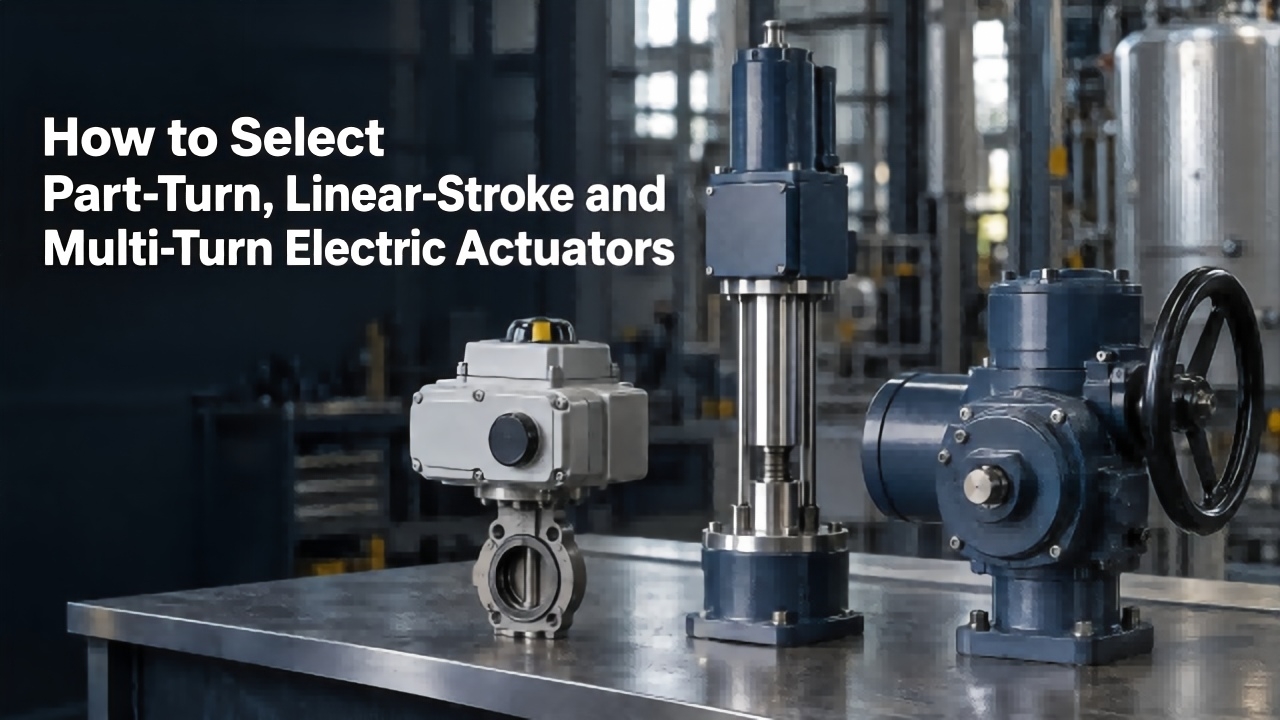
Learn differences among part‑turn, linear‑stroke and multi‑turn electric actuators. This guide covers matching valves, torque‑thrust calculation, 5‑step selection process and typical pitfalls for your industrial actuator applications.
How to Select Part‑Turn, Linear‑Stroke and Multi‑Turn Electric Actuators
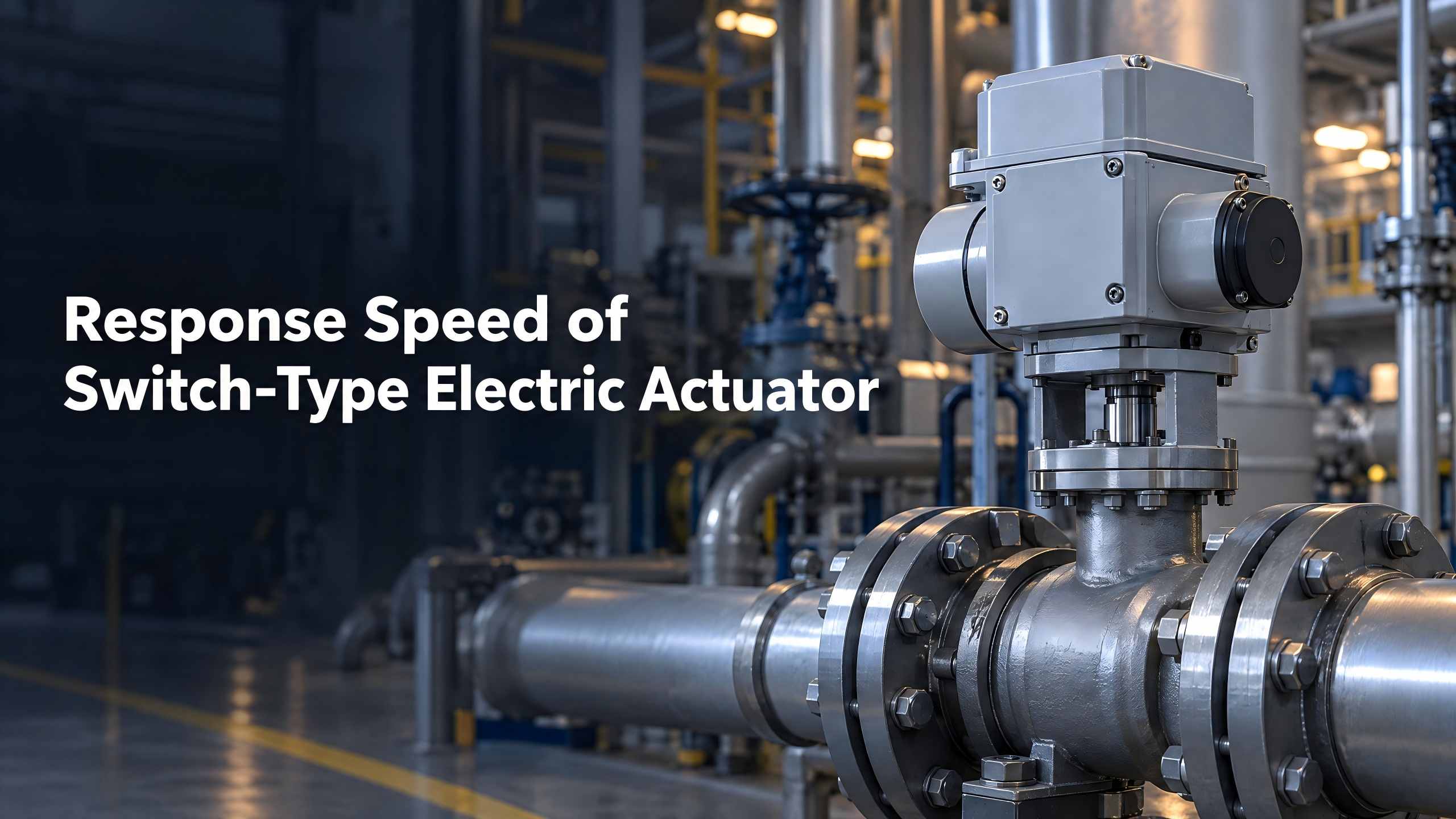
Learn about electric actuator response speed, internal and external influencing factors and key selection points, to select suitable actuators for valve automation projects and ensure efficient and stable system operation.
Response Speed of Switch‑Type Electric Actuator
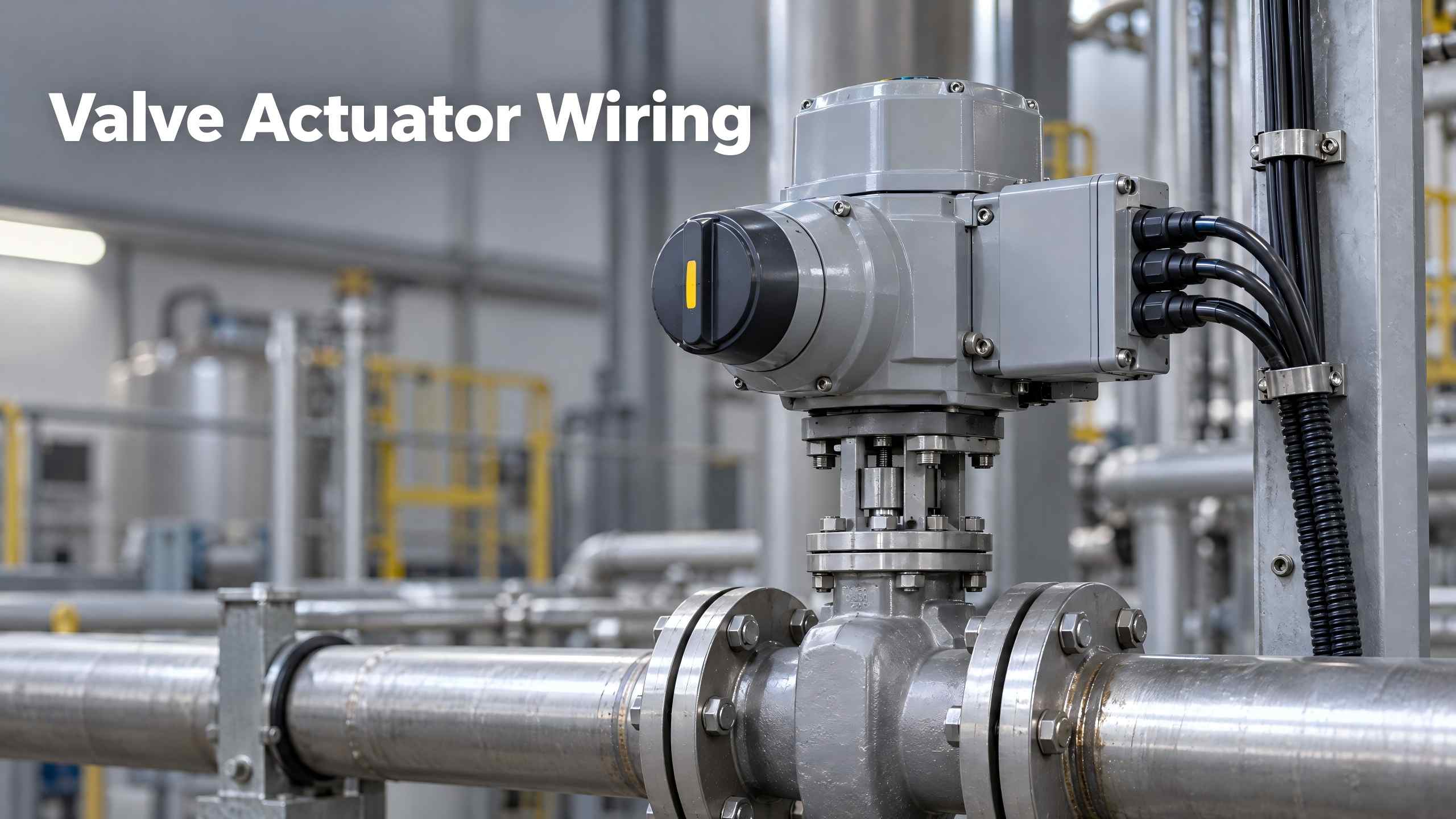
Valve Actuator Wiring describes wiring, commissioning and troubleshooting for electric valve actuators, guiding technicians to adopt standard wiring for stable industrial control.
Valve Actuator Wiring
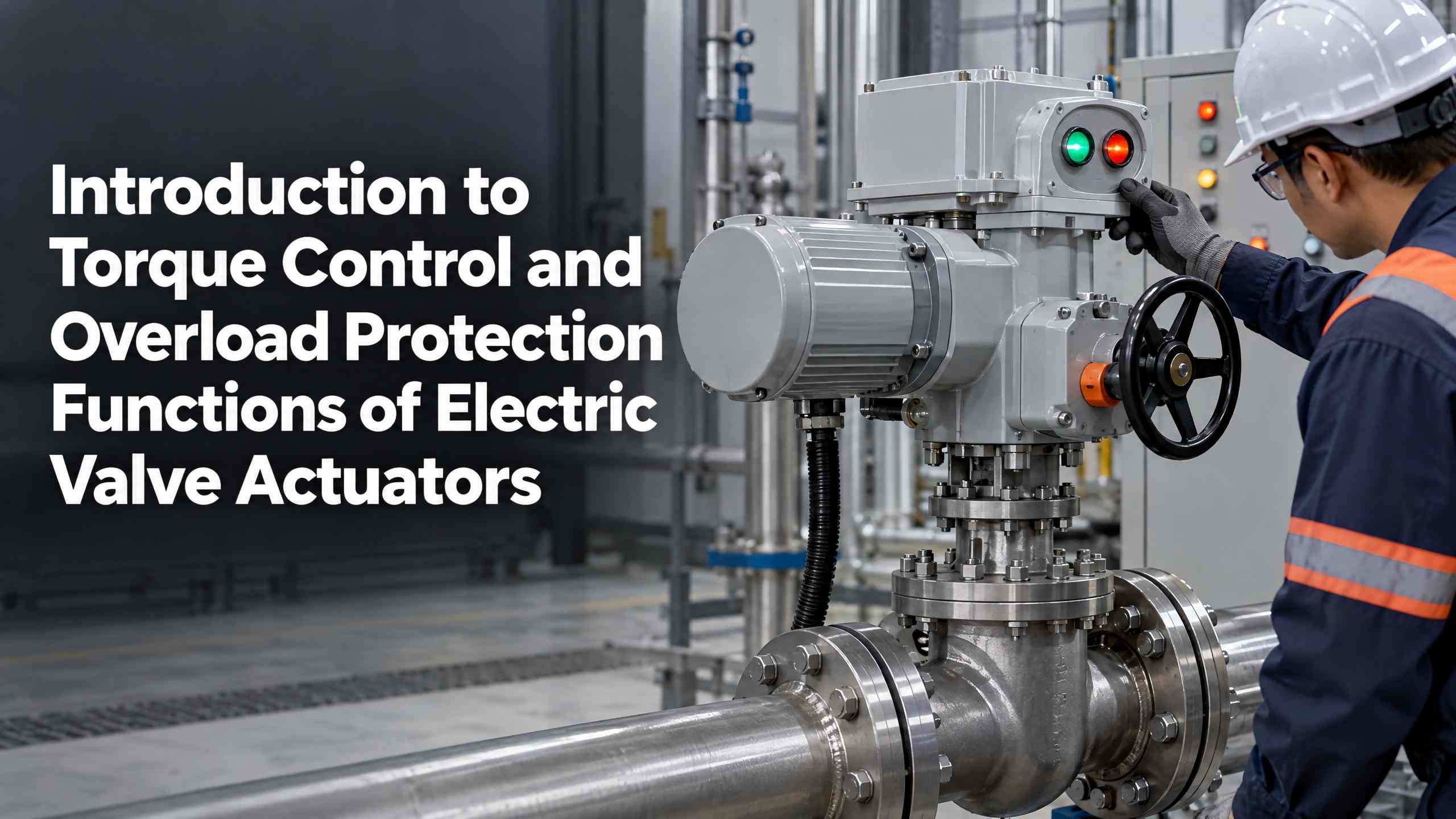
Valen Tech explains electric valve actuator torque control and overload protection functions. Learn how multi‑turn & part‑turn actuators prevent jamming and mechanical damage for petroleum, chemical, power and water pipeline systems.
Introduction to Torque Control and Overload Protection Functions of Electric Valve Actuators