
Multi-Turn Electric Actuators: Basic Knowledge
author: ATHENA GROUP
2026-07-02

Multi-turn electric actuators are core equipment of industrial valve automatic control systems. Their primary function is converting electrical energy into mechanical energy, driving valves to open, close and adjust opening through precise multi-turn rotation. Suitable for a variety of complex working conditions, they feature high precision, great stability and outstanding durability, and are widely adopted in oil & gas, chemical, water treatment, power generation, food processing and other industries. Mastery of their structural principles, performance advantages, selection criteria and maintenance practices is critical to proper equipment matching, stable operation and reduced operation & maintenance costs.
What Is a Multi-Turn Electric Actuator?
A multi-turn electric actuator is a dedicated automatic driving device designed for multi-turn valves. Unlike part-turn actuators that only rotate 90 degrees, it drives valve stems to rise and fall via multiple full rotations to fully open, fully close valves and accurately regulate any opening position. It is mainly matched with gate valves, globe valves, multi-turn ball valves and other industrial valves requiring multiple rotations for opening and closing.
Core components of the equipment include a motor, gearbox, transmission mechanism, position feedback system and control circuit, which operate in coordination: the motor provides original rotational power; the gearbox reduces speed and amplifies torque; the transmission mechanism transmits power to drive the valve stem; the position feedback system feeds back real-time valve status; the control circuit coordinates overall operation to ensure accurate and controllable performance.
Operating Principles and Standard Operation Procedures of Multi-Turn Electric Actuators
The equipment completes precise automatic valve control through electric-mechanical energy conversion and mechanical transmission, with a clear and stable standard operation workflow:
1.After receiving open, close or regulating control signals, the motor starts and generates high-speed rotational power.
2.The gearbox reduces rotational speed and boosts torque, outputting low-speed high-torque power suitable for heavy-duty valves.
3.The transmission shaft drives the screw to rotate synchronously and transfer rotational power.
4.Ball nuts convert rotary motion into linear motion to lift and lower the valve stem.
5.Limit switches and position modules accurately detect valve positions and automatically stop operation once preset positions are reached.
6.Positioning at any valve opening is supported to realize refined flow regulation, instead of merely full opening and full closing.
Core Advantages of Multi-Turn Electric Actuators
Compared with manual operation and pneumatic actuators, multi-turn electric actuators deliver comprehensive prominent advantages and serve as preferred equipment for industrial automation:
1.Precise control and heavy-load compatibility They feature high-precision stroke regulation with minimal flow and opening/closing errors. High torque output easily drives large-bore, heavy-duty valves and accommodates heavy-load working conditions with high pressure and high medium resistance.
2.Strong stability with adaptability to harsh working conditions Industrial-grade models generally boast waterproof, dustproof and explosion-proof performance. They can withstand high temperature, high humidity, corrosion and other harsh environments, support 24-hour continuous non-stop operation, feature strong anti-interference performance and low failure rates.
3.Multiple safety protections Equipped with overload, over-torque, motor overheating and stroke limit protection functions, as well as emergency stop buttons. The equipment automatically shuts down upon valve jamming or overload abnormalities to effectively prevent equipment damage and production safety hazards.
4.High automation and convenient operation & maintenance Local manual operation, remote electric control and intelligent bus control are supported. The actuators can connect with PLC and DCS control systems to realize unattended operation. Operating data can be collected to help maintenance personnel predict faults and formulate maintenance schedules.
5.Energy conservation and environmental friendliness In contrast to pneumatic actuators, they produce no waste gas or noise during operation, require no supporting air source equipment and consume less power, complying with industrial green production standards.
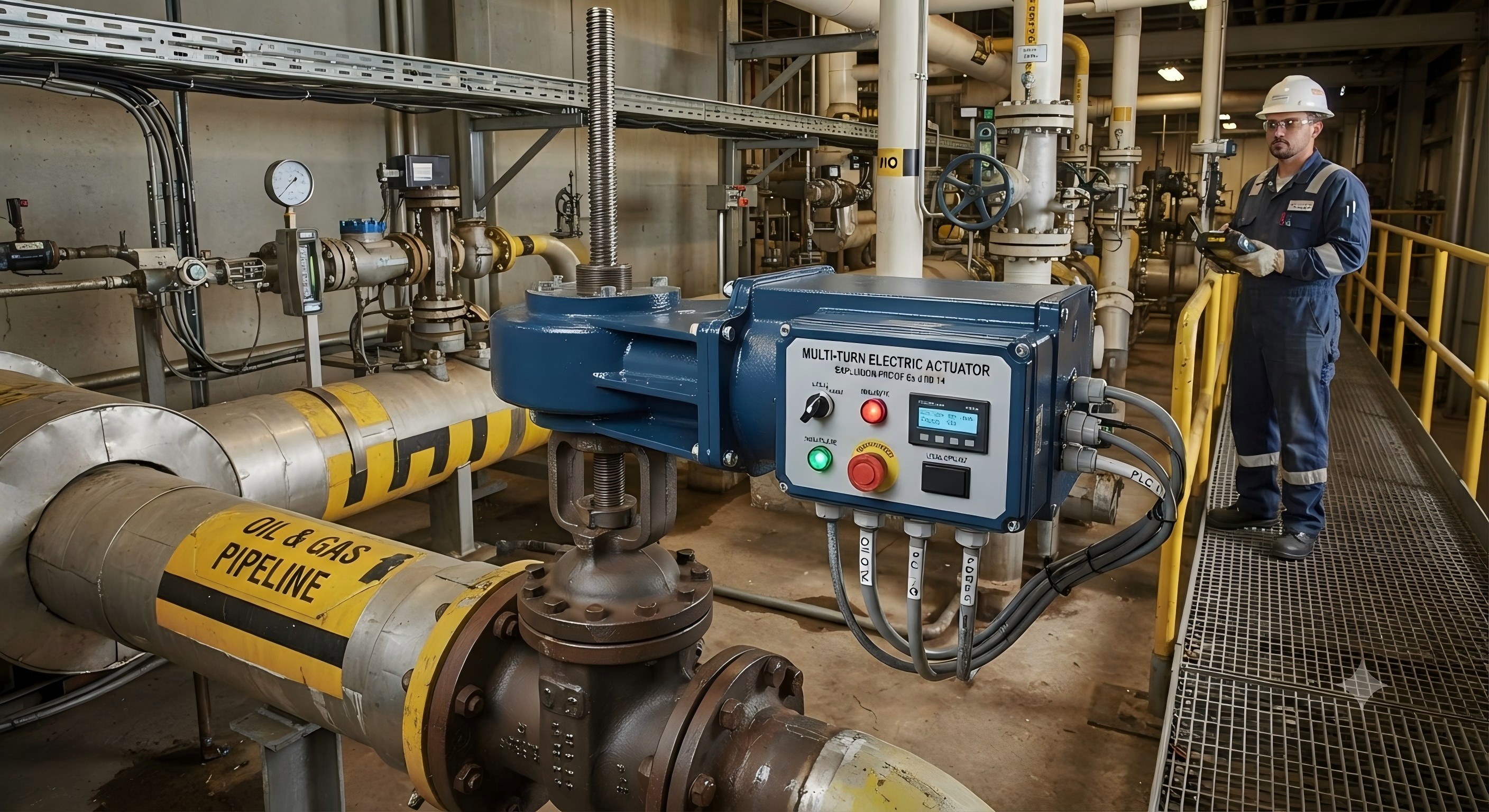
Main Application Industries and Scenarios
Leveraging comprehensive performance strengths, the equipment is widely deployed in various industrial fluid control scenarios:
- Oil & Gas Industry: Used in high-pressure oil and gas transmission pipelines to adapt to explosion-proof high-pressure working conditions and precisely control medium cut-off and flow.
- Chemical Industry: Matched with pipelines carrying high-temperature and corrosive media to guarantee stable and safe chemical fluid transportation.
- Water Treatment Industry: Applied in water intake, drainage and sewage pipelines to realize automatic water flow regulation and pipeline cut-off control.
- Power Generation Industry: Deployed in pipeline systems of thermal power and hydropower plants to fit long-term continuous and high-stable production conditions.
- Food Processing Industry: Adopted for clean fluid pipeline control to ensure stable and compliant production fluid transportation.
Core Differences Between Multi-Turn and Part-Turn Actuators
The core distinctions lie in rotation modes and matching valves. Multi-turn actuators support multiple full rotations and fit multi-turn valves such as gate valves and globe valves. Part-turn actuators only rotate 90 degrees for opening and closing and match angular travel valves including butterfly valves and small ball valves. Strict differentiation is required during selection to avoid equipment mismatching.
Core Equipment Selection Criteria
Scientific equipment selection shall combine valve parameters and on-site working conditions, focusing on four key points:
1.Torque and Rotational Speed Rated torque must exceed the maximum opening/closing resistance of the valve. Rotational speed shall be reasonably matched to balance operating efficiency and control precision.
2.Environmental Adaptability Select products with corresponding protection and explosion-proof grades according to on-site temperature, humidity, dust, corrosion and explosion-proof requirements.
3.Valve Compatibility Only match multi-turn valves; mixed use with angular travel valves is forbidden to guarantee compatible transmission structures.
4.Control Modes Select models with manual, remote electric or intelligent bus control based on automation demands.
Routine Maintenance Points
Regular maintenance effectively extends equipment service life and stabilizes operation precision. Lubricating oil shall be regularly filled into gears and transmission structures to reduce mechanical wear. The motor, sensors, limit switches and circuits shall be inspected routinely to troubleshoot looseness, aging, reduced sensitivity and other hidden risks in a timely manner. Periodic maintenance schedules shall be formulated based on operating data to address potential faults in advance.
Conclusion
Multi-turn electric actuators are core automatic equipment for industrial multi-turn valves. Featuring precise regulation, heavy-load durability, safe stability and energy conservation & environmental protection, they are widely applied across various industrial sectors. Proficiency in their operating principles, selection specifications and maintenance skills enables effective optimization of pipeline control systems, reduced operation & maintenance costs and improved safety and efficiency of industrial production, playing a vital role in the intelligent upgrading of industries.
Pneumatic Actuated Valve vs Electric Valve: Which Is Better?
Practical Concise Guide for Converting Manual Gate Valves to Electric Operation
Related Article
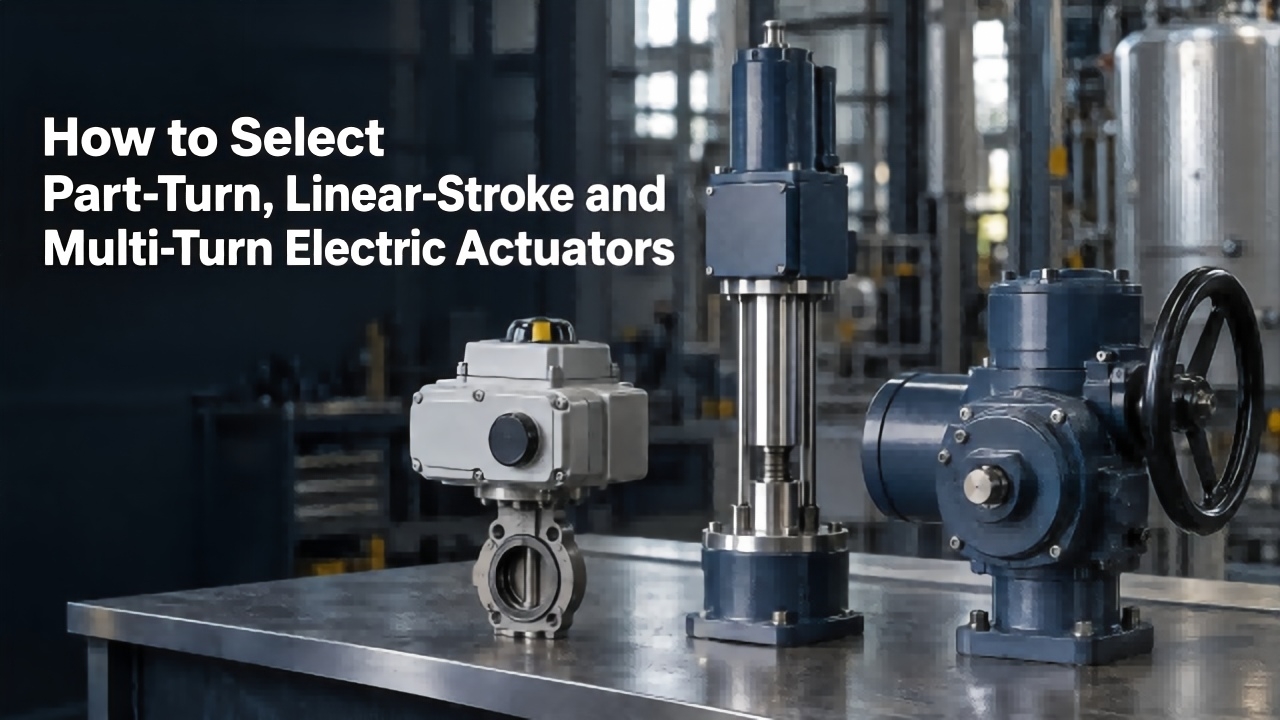
Learn differences among part‑turn, linear‑stroke and multi‑turn electric actuators. This guide covers matching valves, torque‑thrust calculation, 5‑step selection process and typical pitfalls for your industrial actuator applications.
How to Select Part‑Turn, Linear‑Stroke and Multi‑Turn Electric Actuators
Learn about electric actuator response speed, internal and external influencing factors and key selection points, to select suitable actuators for valve automation projects and ensure efficient and stable system operation.
Response Speed of Switch‑Type Electric Actuator
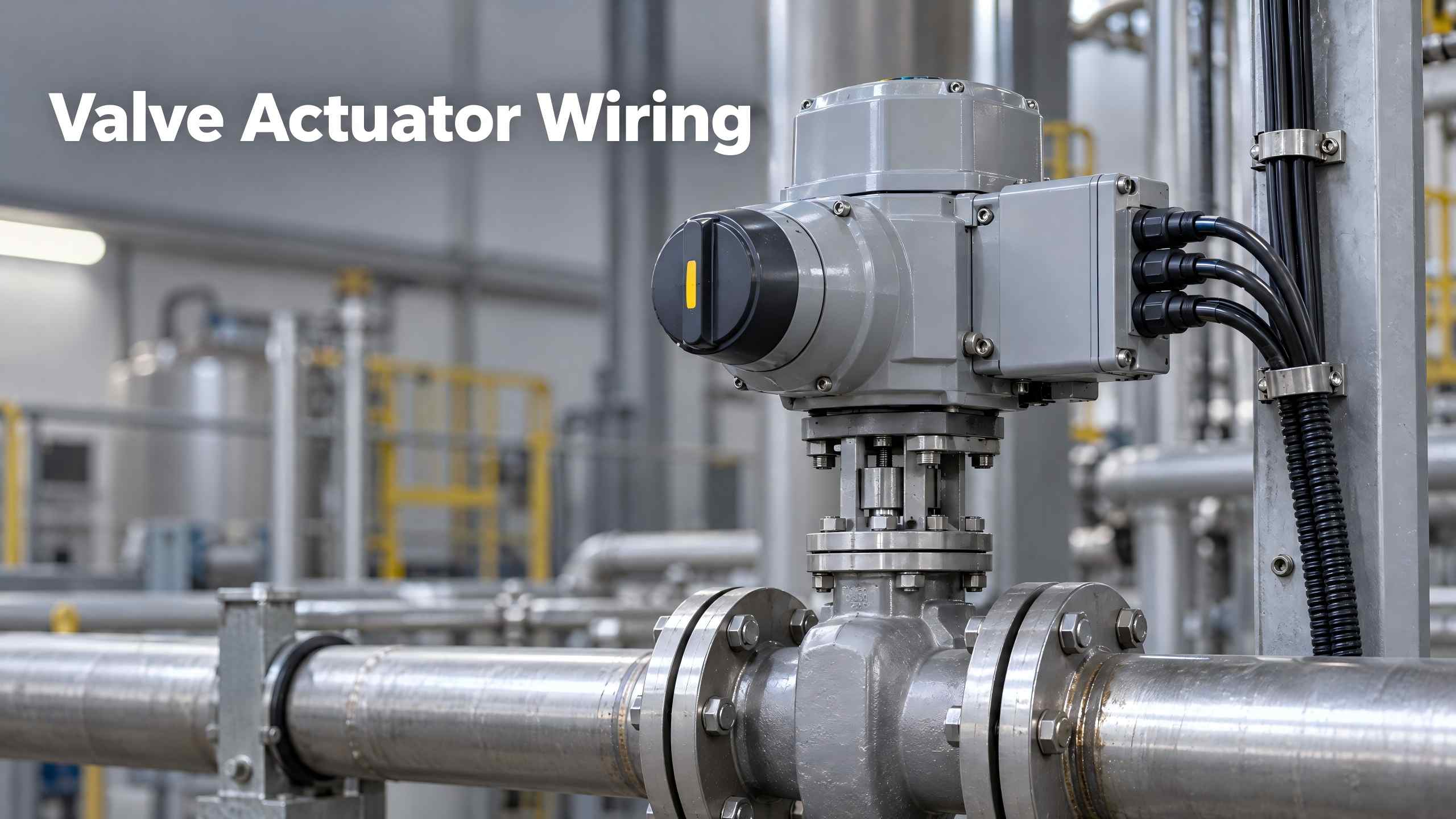
Valve Actuator Wiring describes wiring, commissioning and troubleshooting for electric valve actuators, guiding technicians to adopt standard wiring for stable industrial control.
Valve Actuator Wiring
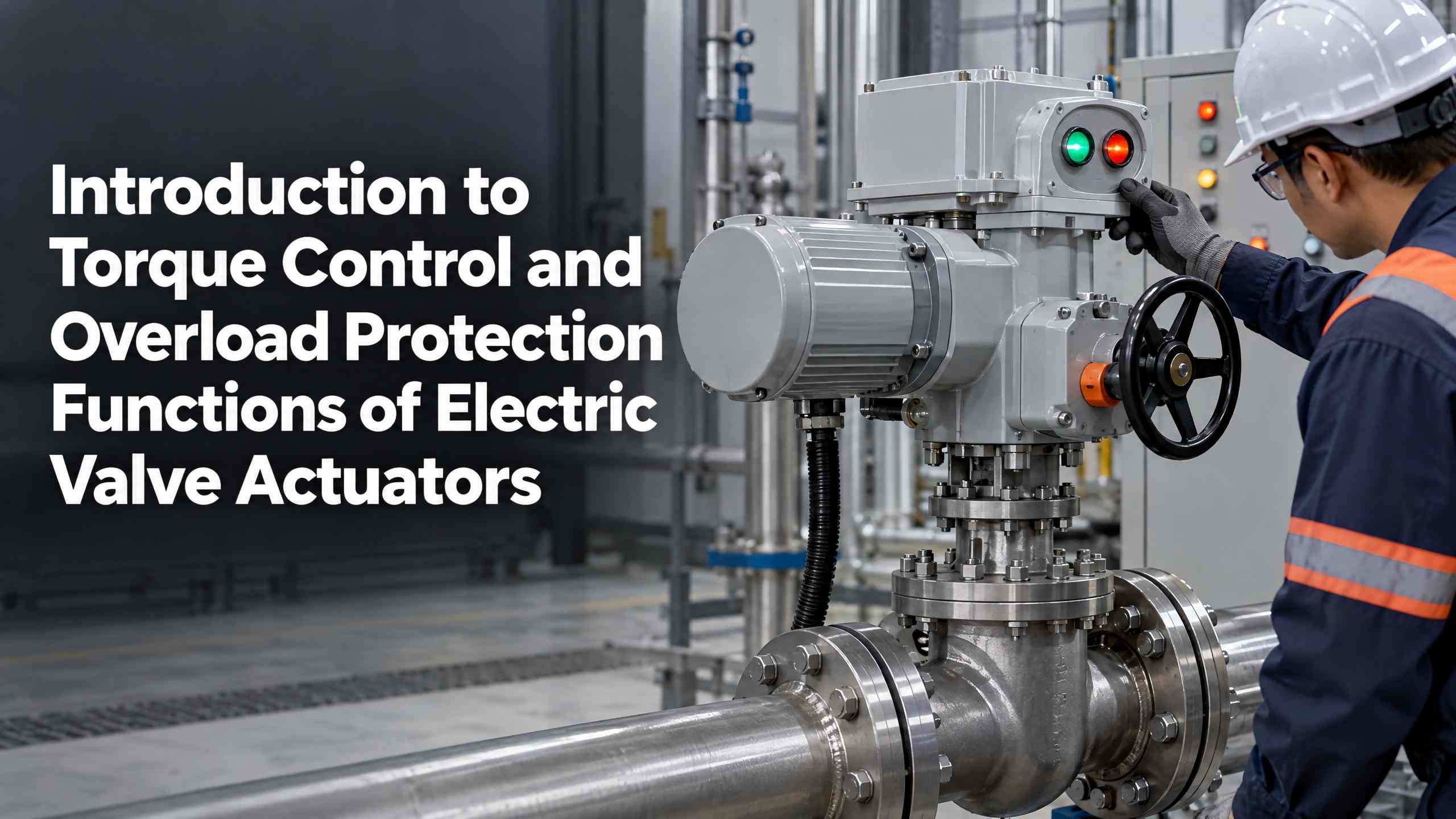
Valen Tech explains electric valve actuator torque control and overload protection functions. Learn how multi‑turn & part‑turn actuators prevent jamming and mechanical damage for petroleum, chemical, power and water pipeline systems.
Introduction to Torque Control and Overload Protection Functions of Electric Valve Actuators