
Wear Avoidance Scheme for High-Frequency Start-Stop Wear of Rack and Pinion Actuators
author: ATHENA GROUP
2026-05-27
Rack and pinion actuators are the most widely used driving components in industrial valve control. Thanks to their simple structure, stable transmission and fast response, they are extensively applied in industrial piping systems such as oil and gas, chemical engineering, water treatment, and HVAC. In modern automated production lines, most working conditions require rack and pinion actuators to operate with high-frequency start-stop to adjust valve opening in real time and meet the needs of automatic control.
Why Does High-Frequency Start-Stop Aggravate Wear of Rack and Pinion Actuators?
Compared with continuous steady-state operation, high-frequency start-stop conditions generate cyclic alternating loads, which intensify component wear in multiple dimensions. The core causes of wear below are also the key basis for formulating wear avoidance schemes.
1.1 Instantaneous Impact Wear of Transmission Pair
When the rack and pinion actuator starts and stops frequently, the motor or air source outputs instantaneous torque, driving the gear and rack to engage rapidly from a stationary state, resulting in rigid impact friction. Each start-stop leaves micro-wear marks on the tooth surface. With the accumulation of operation times, fine scratches will gradually evolve into fatigue wear, tooth surface spalling and other failures, eventually leading to excessive transmission clearance and loose transmission.
1.2 Lubrication Failure Caused by Cyclic Operation
High-frequency start-stop repeatedly squeezes and displaces the grease inside the actuator, preventing the lubricating oil film from stably adhering to the tooth surface, causing the rack and pinion to operate in dry or semi-dry friction. Meanwhile, frequent start-stop produces intermittent heat accumulation, accelerating the aging and volatilization of lubricants, completely losing the lubrication protection effect, and forming a vicious circle of "increased friction - lubrication failure - upgraded wear".
1.3 Gap Wear Amplified by Vibration
Inevitable tiny assembly clearances exist inside the actuator. During high-frequency start-stop switching, mechanical vibration continuously amplifies the gap impact. Eccentric friction and impact wear occur when the gear and rack operate, which not only greatly reduces the positioning accuracy of the actuator, but also easily causes equipment abnormal noise, mechanical jamming and other failures.
1.4 Fatigue Wear of Auxiliary Parts
In addition to the core transmission pair, auxiliary parts inside the actuator such as bearings, sealing rings and return springs continuously bear alternating stresses during frequent start-stop, and suffer fatigue aging and wear failure first. This indirectly affects the operation stability of the rack and pinion actuator and accelerates the overall aging and scrapping of the equipment.
Five Practical Wear Avoidance Schemes for High-Frequency Start-Stop Wear of Rack and Pinion Actuators
Aiming at the wear pain points of rack and pinion actuators under high-frequency start-stop, we have sorted out the following low-cost and high-efficiency improvement schemes from five dimensions: structure, lubrication, control, sealing and maintenance, which are applicable to new equipment installation and old equipment renovation:
1.Optimize the transmission structure to reduce impact load
Root cause loss reduction is the key. It is recommended to select high-precision machined rack and pinion pairs to reduce assembly tolerances and lower engagement friction; meanwhile, the tooth profile design can be optimized to increase the contact area and disperse instantaneous impact stress. In addition, installing hydraulic or pneumatic buffer damping components inside the actuator can effectively slow down the instantaneous start-stop speed and eliminate rigid collision, reducing start-stop impact wear by more than 60% at most.
2.Upgrade the lubrication system to eliminate dry friction
Conventional grease is difficult to cope with high-frequency working conditions. It is necessary to upgrade to high-temperature resistant and high-adhesion industrial grease (containing anti-wear additives) to ensure that the oil film does not lose under frequent vibration. For ultra-high-frequency operating equipment, it is recommended to install an automatic quantitative lubrication device to realize real-time and accurate oil replenishment, completely avoiding dry friction wear caused by oil shortage.
3.Optimize control parameters to reduce invalid start-stop
Over-sensitive control systems often lead to frequent "inching" of equipment. By optimizing the PLC program, setting reasonable start-stop delay thresholds and positioning hysteresis intervals, and appropriately reducing the sensitivity to small signal fluctuations. This zero-cost software optimization can greatly reduce the number of invalid start-stops and significantly slow down the fatigue wear of transmission components.
4.Strengthen sealing and dust prevention to avoid abrasive particle wear
To prevent dust, water vapor and other impurities from entering the interior and forming a "sandpaper effect", the sealing structure of the actuator must be upgraded. Adopt multi-layer combined sealing rings and dust covers to strictly isolate external corrosive media and hard particles, and avoid abnormal abrasive particle wear from the external environment.
5.Implement regular maintenance and wear detection
Establish a scientific inspection system to regularly detect tooth surface wear, transmission clearance and vibration value. Replenish oil and adjust clearance for slightly worn parts in time, and replace severely worn parts decisively to prevent local damage from causing chain failures and ensure long-term stable operation of equipment.
Summary
Solving the wear problem of rack and pinion actuators does not require blind replacement of expensive equipment. By optimizing the control program (soft start-stop), upgrading wear-resistant materials and lubrication, and carrying out refined installation and maintenance, you can easily resolve the wear crisis caused by high-frequency start-stop.
If you have any questions or needs in the supporting use, renovation and upgrading, operation and maintenance of rack and pinion actuators and industrial valves, please feel free to consult us! For more industry insights and professional solutions, please visit the official website: www.valen-tech.com.
Condensation Prevention for Outdoor Open-Air Actuator Electrical Control Boxes: A Complete Solution to Moisture and Condensation Failures
Comprehensive Analysis of IP Rating Markings
Related Article
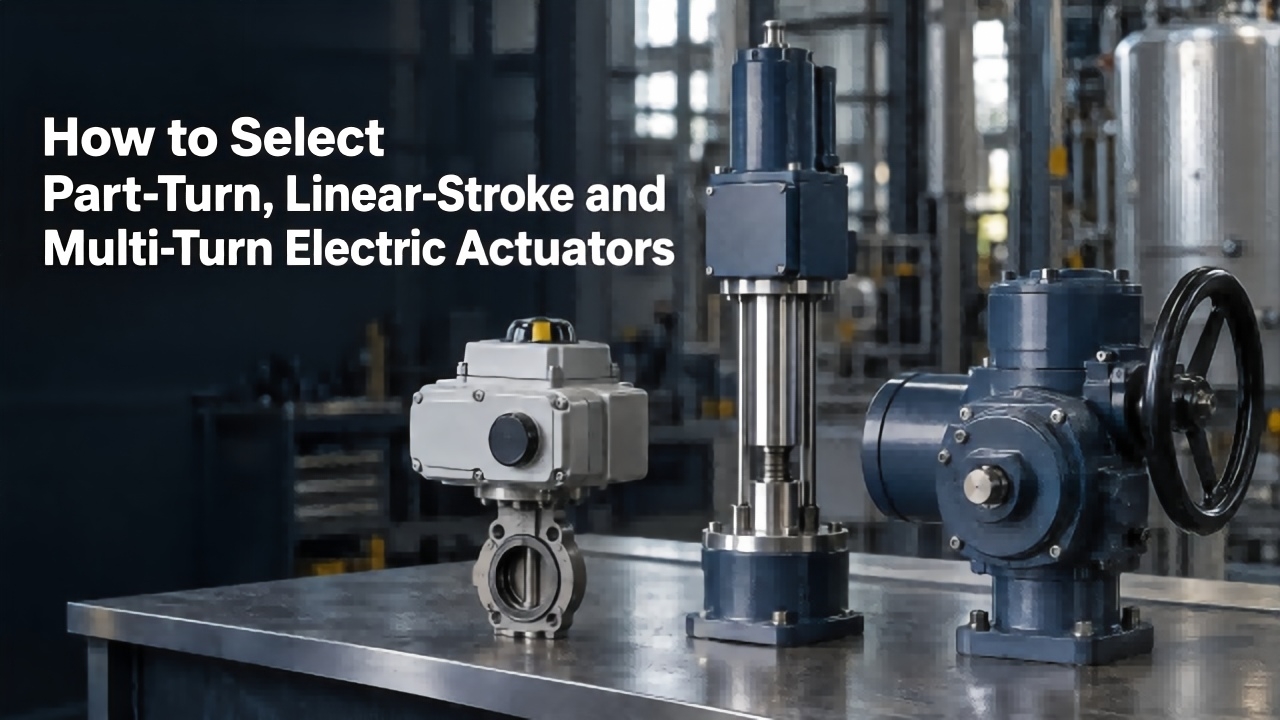
Learn differences among part‑turn, linear‑stroke and multi‑turn electric actuators. This guide covers matching valves, torque‑thrust calculation, 5‑step selection process and typical pitfalls for your industrial actuator applications.
How to Select Part‑Turn, Linear‑Stroke and Multi‑Turn Electric Actuators
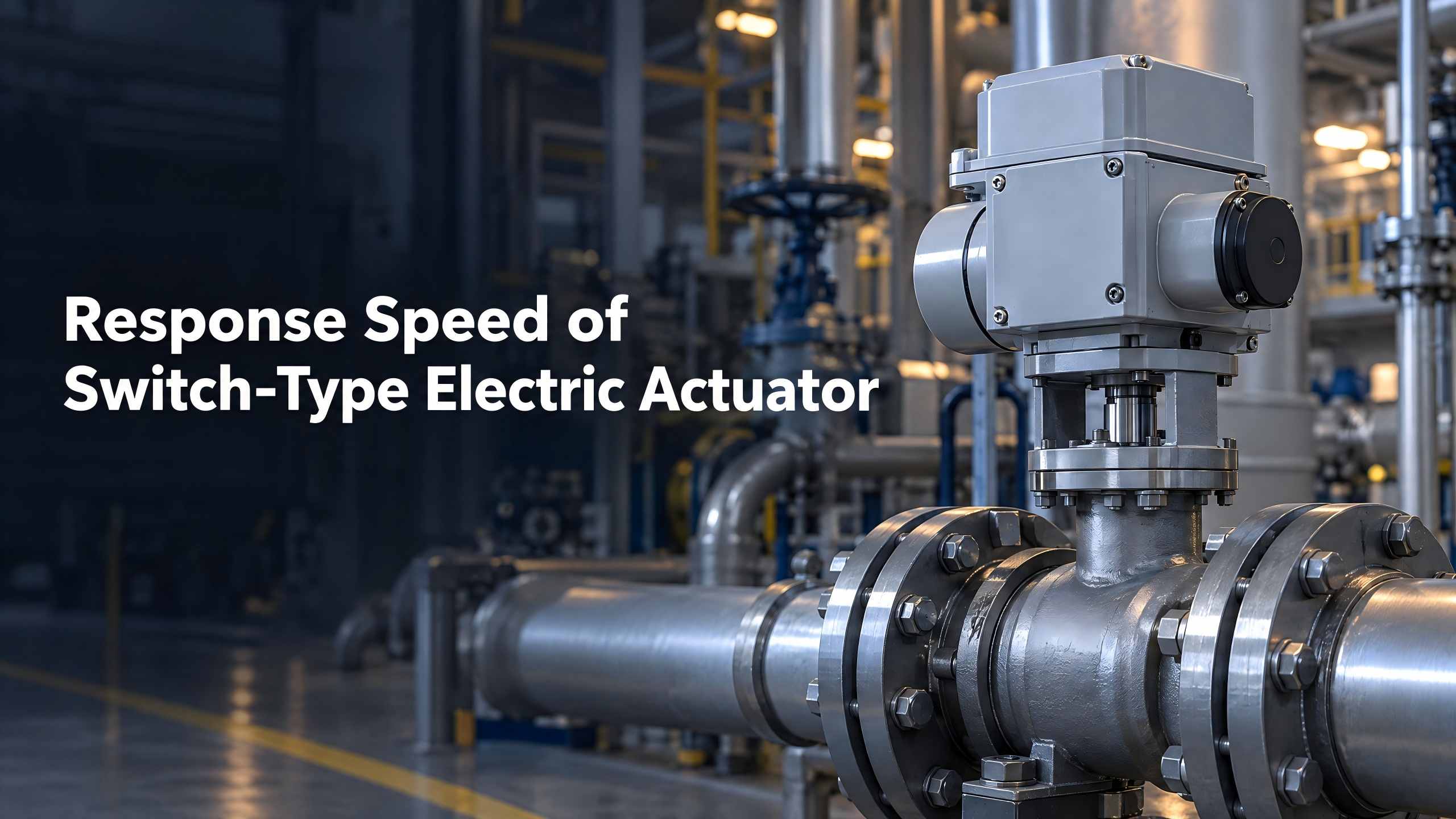
Learn about electric actuator response speed, internal and external influencing factors and key selection points, to select suitable actuators for valve automation projects and ensure efficient and stable system operation.
Response Speed of Switch‑Type Electric Actuator
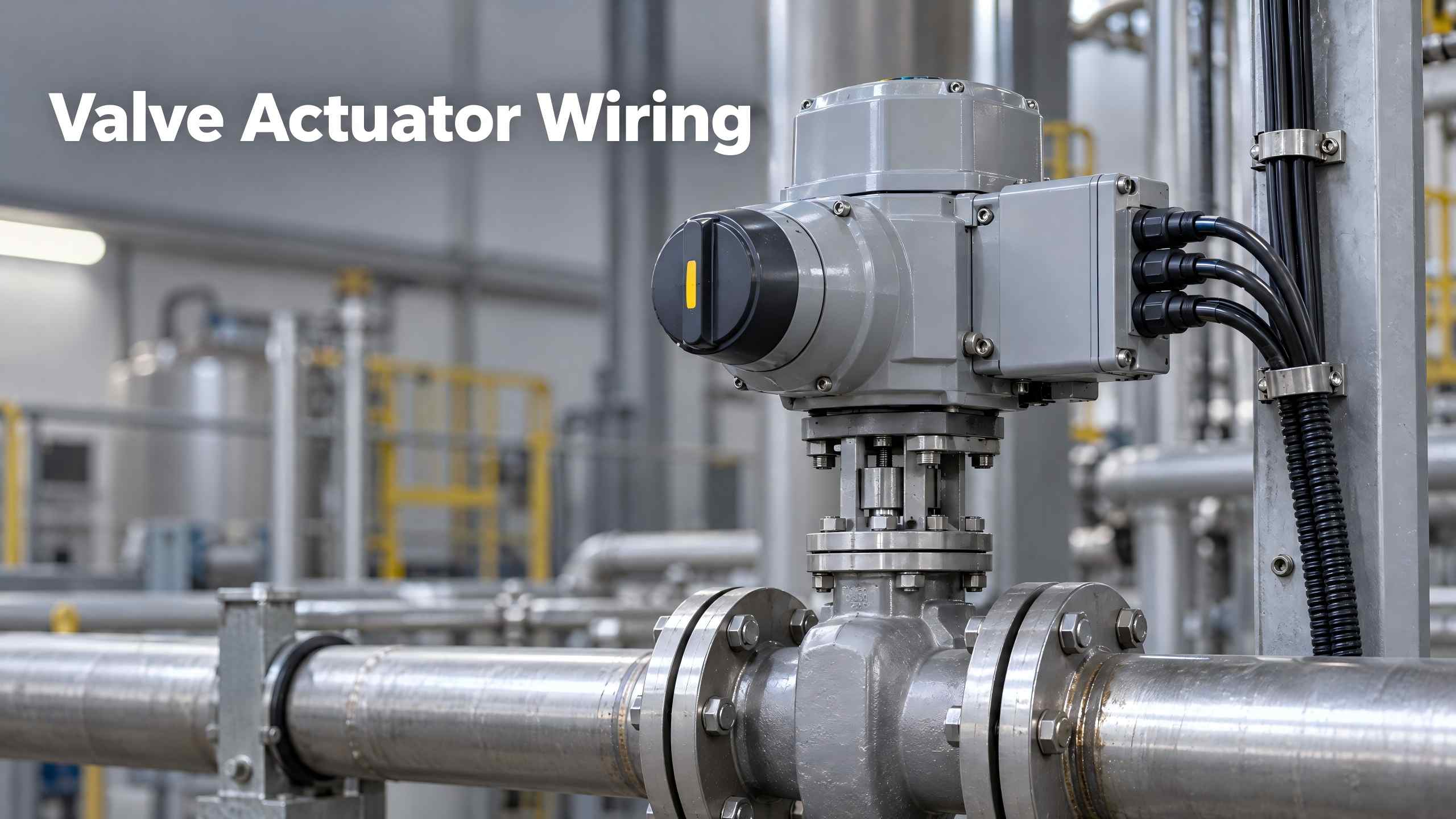
Valve Actuator Wiring describes wiring, commissioning and troubleshooting for electric valve actuators, guiding technicians to adopt standard wiring for stable industrial control.
Valve Actuator Wiring
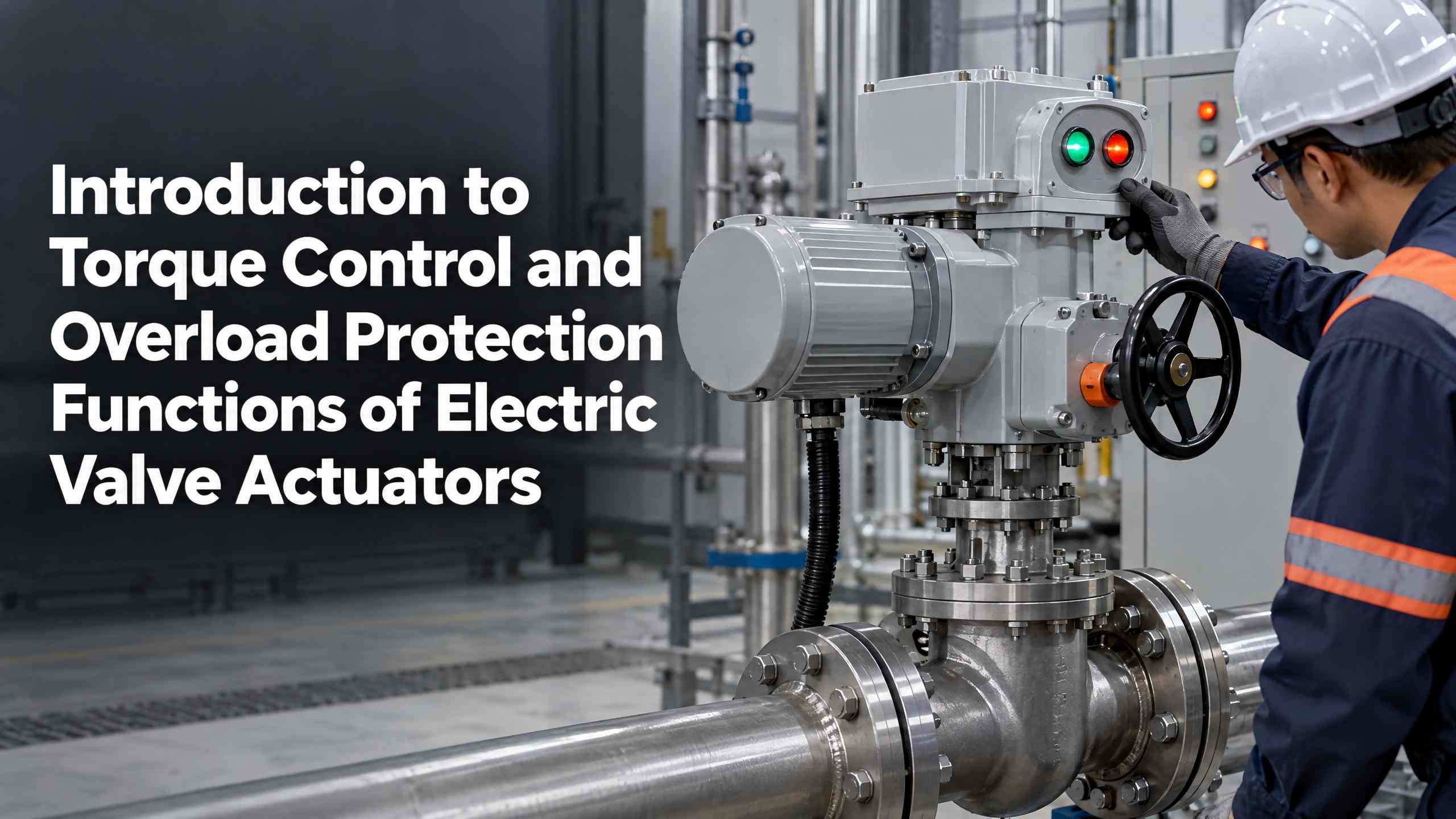
Valen Tech explains electric valve actuator torque control and overload protection functions. Learn how multi‑turn & part‑turn actuators prevent jamming and mechanical damage for petroleum, chemical, power and water pipeline systems.
Introduction to Torque Control and Overload Protection Functions of Electric Valve Actuators