
What are the pneumatic actuators
author: ATHENA GROUP
2025-05-20
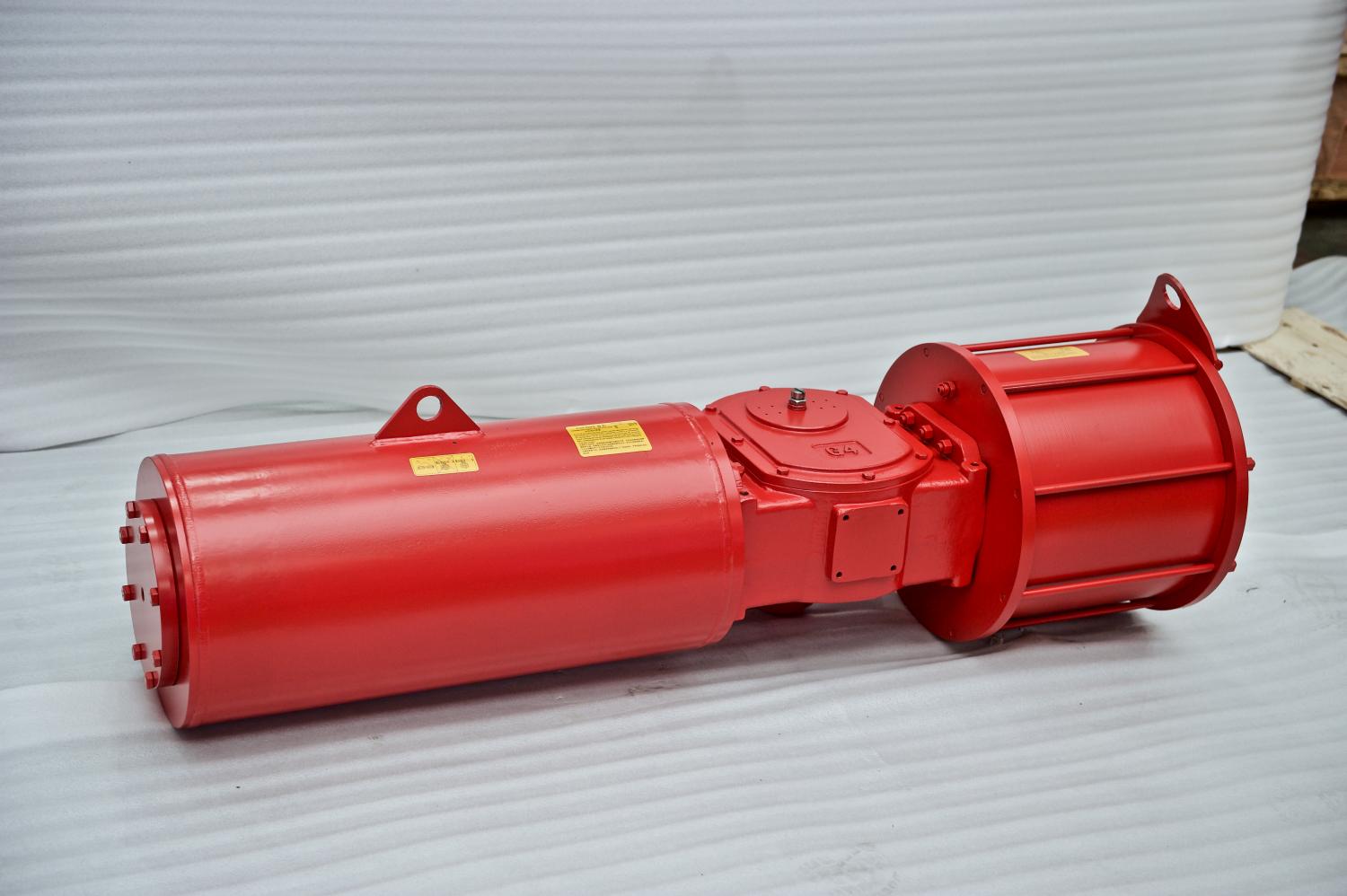
At their core, pneumatic actuators are power devices that utilize compressed air to generate linear or rotary motion. Unlike their hydraulic counterparts, which rely on liquid fluids, pneumatic systems operate on air-an abundant, cost-effective, and environmentally friendly medium. This fundamental difference gives pneumatic actuators distinct advantages, including simplicity, safety, and ease of maintenance.
How Pneumatic Actuators Work
The operation of a pneumatic actuator hinges on the basic principles of gas mechanics. Compressed air, typically supplied by an air compressor, is directed into the actuator's chamber, where it exerts pressure on a piston or a diaphragm. In linear actuators, this pressure drives the piston along a cylindrical bore, producing straight-line motion ideal for tasks like opening and closing gate valves. In rotary actuators, the pressure acts on vanes or gears, generating rotational motion used to operate ball valves, butterfly valves, or dampers.
Our Valen Tech actuators optimize this core mechanism with precision-machined components, ensuring minimal air consumption while maximizing thrust output.
Types of Pneumatic Actuators
1.Linear Pneumatic Actuators
Spring-Return Linear Actuators: Commonly used in on-off control applications (e.g., emergency shut-off valves). The spring ensures the valve returns to a safe position (open or closed) if air pressure is lost, a critical safety feature in industries like oil and gas.
Double-Acting Linear Actuators: Provide continuous force in both directions, ideal for applications requiring precise positioning, such as adjusting the stroke of a hydraulic cylinder in manufacturing equipment.
Double-Acting Linear Actuators: Provide continuous force in both directions, ideal for applications requiring precise positioning, such as adjusting the stroke of a hydraulic cylinder in manufacturing equipment.
2.Rotary Pneumatic Actuators
Rack-and-Pinion Actuators: The most widely used rotary type, featuring a piston rack that meshes with a gear pinion. This design converts linear piston motion into rotational motion, offering high torque output and compact size—perfect for quarter-turn valves (e.g., ball, butterfly, and plug valves).
Vane-Type Actuators: Use one or more vanes attached to a rotor within a cylindrical chamber. Compressed air pushes the vanes, rotating the rotor. These actuators are known for their smooth operation and suitability for limited-angle rotations (e.g., 90° or 180°).
Scotch Yoke Actuators: Employ a yoke mechanism to convert piston motion into rotational motion, delivering high torque at both the start and end of the stroke. They are favored in heavy-duty applications like large industrial valves in power plants.
Advantages of Pneumatic Actuators
Advantages of Pneumatic Actuators
- Safety: Air-powered systems eliminate electrical hazards and fluid leaks, a must in chemical plants or explosive environments.
- Cost-Effectiveness: With compressed air infrastructure already in place at most facilities, operational costs remain 40% lower than hydraulic alternatives.
- Durability: Built to withstand 100,000+ cycle tests in 85°C temperatures, pneumatic actuators thrive in harsh conditions.
- Speed & Precision: Adjustable flow controls allow operators to fine-tune motion profiles, from rapid valve closure to gentle robotic movements.
As a Italian manufacturer with 15 years of expertise, we don't just build actuators – we solve industrial challenges. At Valen Tech, we are ISO 9001 certified and PED/CE certified, we have SIL certificate and explosion proof certificate. We can provide customers with customized pneumatic actuators and valves. Visit https://www.valen-tech.com/ to explore our actuators.
How to tell if an actuator is bad?
Is It Time to Replace Your Solenoid Actuator?
Related Article
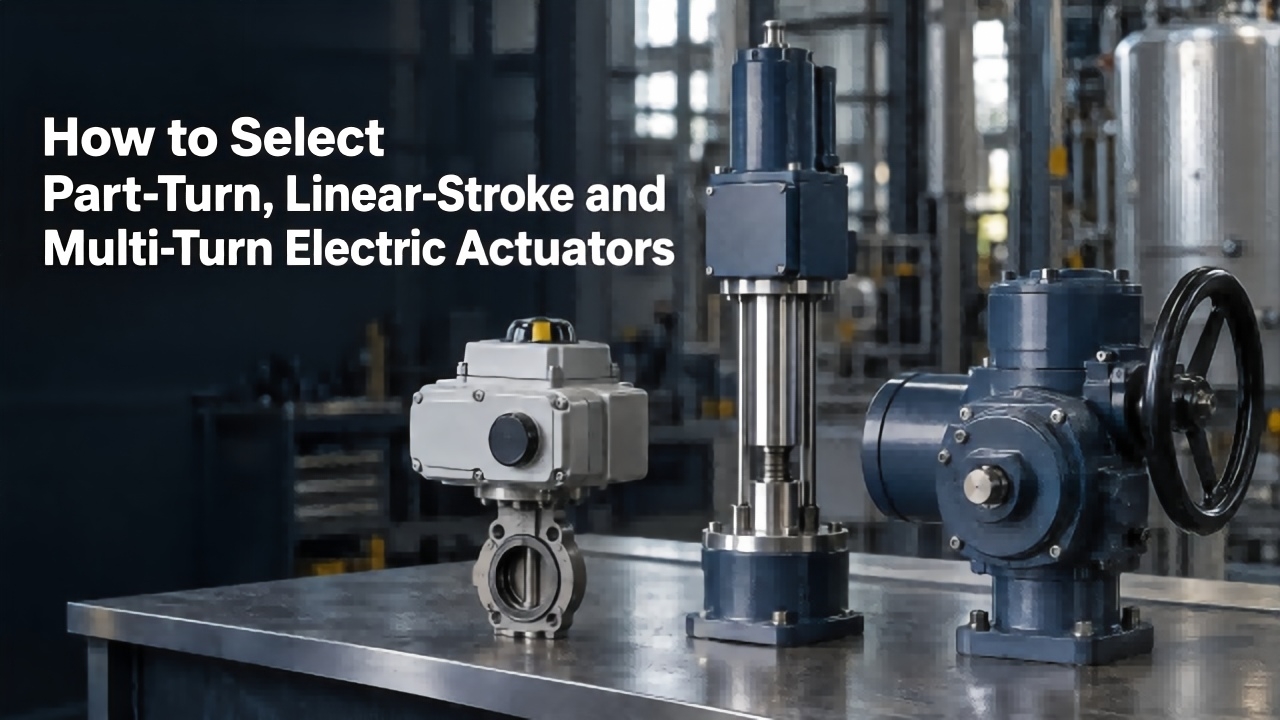
Learn differences among part‑turn, linear‑stroke and multi‑turn electric actuators. This guide covers matching valves, torque‑thrust calculation, 5‑step selection process and typical pitfalls for your industrial actuator applications.
How to Select Part‑Turn, Linear‑Stroke and Multi‑Turn Electric Actuators
Learn about electric actuator response speed, internal and external influencing factors and key selection points, to select suitable actuators for valve automation projects and ensure efficient and stable system operation.
Response Speed of Switch‑Type Electric Actuator
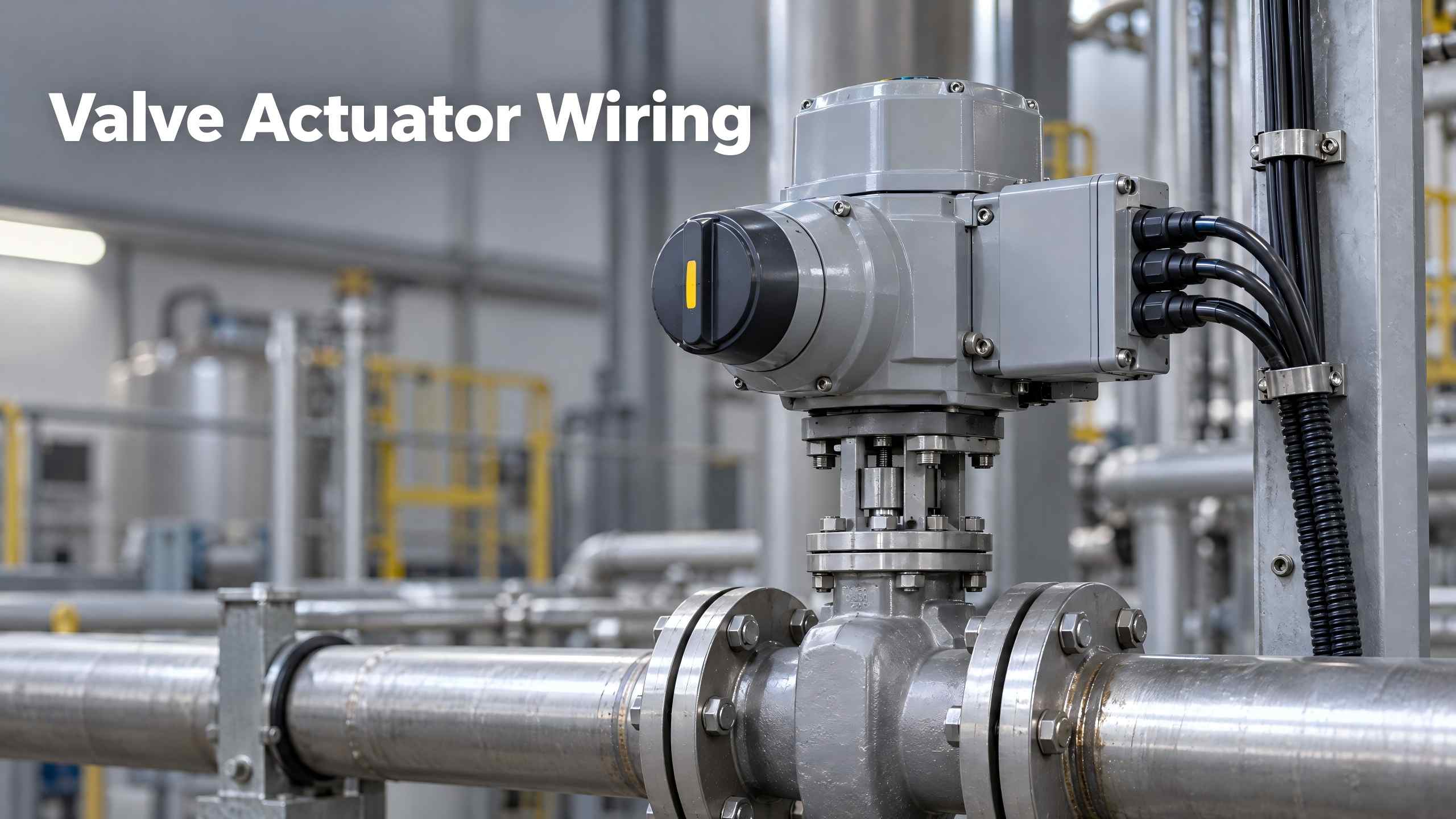
Valve Actuator Wiring describes wiring, commissioning and troubleshooting for electric valve actuators, guiding technicians to adopt standard wiring for stable industrial control.
Valve Actuator Wiring
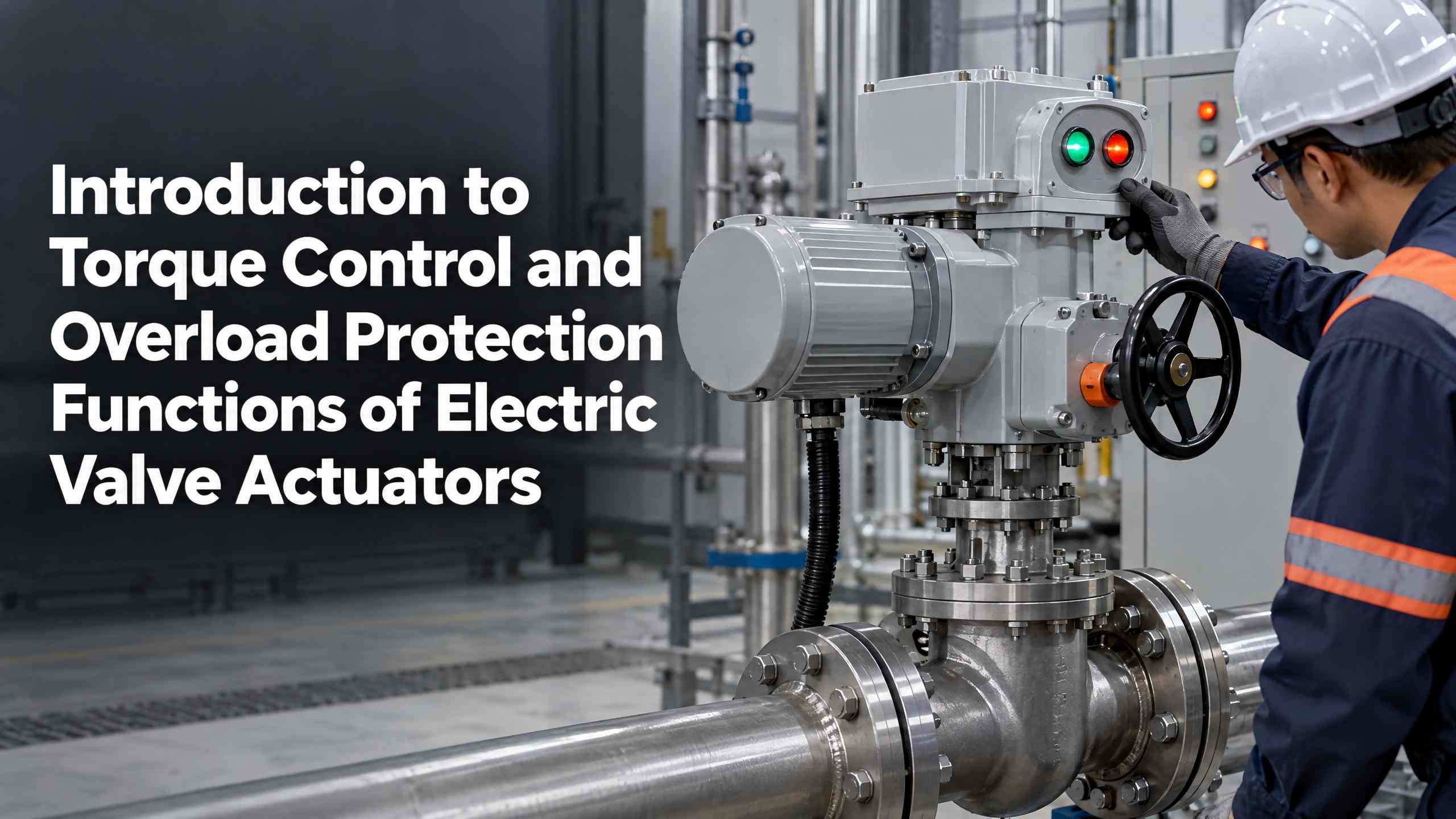
Valen Tech explains electric valve actuator torque control and overload protection functions. Learn how multi‑turn & part‑turn actuators prevent jamming and mechanical damage for petroleum, chemical, power and water pipeline systems.
Introduction to Torque Control and Overload Protection Functions of Electric Valve Actuators