
What Defines a Heavy Duty Pneumatic Actuator?
author: CHEN
2025-05-12
In the complex and often challenging world of industrial processes, the reliable control of fluid and gas flow is paramount. Valves are the gatekeepers, but it is the actuators that breathe life into them, allowing for automated control, safety overrides, and process efficiency. While standard pneumatic actuators serve well in many applications, numerous industrial environments present conditions far too demanding for conventional designs. This is where heavy-duty pneumatic actuators step in, acting as the robust workhorses engineered to perform reliably when everything is on the line.
For engineers, maintenance managers, and procurement specialists, selecting the right actuator for critical or harsh applications is not just a matter of finding a component; it's about ensuring process uptime, enhancing safety, and minimizing long-term operational costs. These users care deeply about performance under stress, longevity, resistance to hostile environments, and the assurance that the actuator will function flawlessly when needed most.
Next Valen Tech will drawing upon insights typically found in top industry resources and manufacturer information, delves deep into what defines a heavy-duty pneumatic actuator, why they are indispensable in demanding applications, the critical features that set them apart, and the key considerations for their selection and deployment.
What Defines a Heavy Duty Pneumatic Actuator?
At its core, a pneumatic actuator is a device that converts the energy of compressed air into mechanical motion, typically used to operate valves (quarter-turn for ball, butterfly, plug; or linear for gate, globe). This motion can be rotary (like turning a shaft) or linear (like pushing or pulling a rod).
What elevates a standard pneumatic actuator to the status of "heavy duty"? The distinction lies not just in size, but fundamentally in design, materials, and manufacturing quality. Heavy-duty actuators are explicitly engineered to withstand and perform reliably in conditions that would cause standard actuators to fail prematurely or malfunction. This includes:
Significantly Higher Torque or Force Output: Beyond typical requirements, capable of handling large valves or high differential pressures.
Exceptional Durability and Longevity: Designed for a much higher cycle life and resistance to wear.
Robust Construction: Utilizing stronger, often heavier, materials.
Enhanced Environmental Resistance: Built to endure extremes of temperature, corrosion, vibration, dust, and moisture.
The need for heavy-duty stems directly from the critical nature and severity of modern industrial applications. They are an investment in reliability and safety, essential for preventing costly downtime, environmental incidents, or safety hazards.
Why Heavy Duty Actuators Are Essential?
Understanding why heavy-duty actuators are necessary reveals what users truly care about when seeking these products. It boils down to the unyielding demands of the environments and tasks they face.
A. Operating in Severe Environments - Survival and Reliability in Tough Spots
Many industrial processes occur in locations that are inherently hostile to machinery. Heavy-duty actuators are built to survive and operate consistently in these conditions:
Extreme Temperatures: From the freezing cold of Arctic pipelines or cryogenic plants (-40°C and below) to the intense heat near furnaces or steam lines (+80°C and above). Standard seals become brittle or degrade rapidly outside moderate ranges. Heavy-duty actuators feature specialized, high-performance seal materials (like wide-temperature range FKM, HNBR, or proprietary compounds) and construction that accommodates thermal expansion and contraction.
Corrosive Atmospheres: Chemical plants, offshore oil and gas platforms, pulp and paper mills, and wastewater treatment facilities often have atmospheres laden with corrosive vapors, salt spray, or high humidity. Without adequate protection, actuator bodies, fasteners, and internal parts can quickly corrode, leading to leaks, seizing, and structural failure. Heavy-duty units employ robust external coatings (e.g., multi-layer epoxies, specialized paints), corrosion-resistant materials like stainless steel for shafts and fasteners, or even bodies made entirely of corrosion-resistant alloys.
Hazardous Locations: Industries like petrochemical, oil and gas, mining, and grain processing involve explosive gases or combustible dusts. Equipment in these areas must not provide an ignition source. Heavy-duty actuators, while not electrical devices themselves, are components within a system. Their associated control accessories (solenoid valves, limit switches) must comply with stringent hazardous area certifications (ATEX, IECEx, NEMA ratings like Class I, Division 1 & 2; Class II, Division 1 & 2). The actuator design itself must prevent internal arcing (not typical for pneumatic) and, crucially, maintain housing integrity and safe surface temperatures if located within these zones. Their robust construction contributes to meeting these rigorous standards.
High Vibration & Shock: Equipment installed on pipelines, compressors, pumps, or mobile skids is subjected to constant vibration or occasional shock. Standard actuators can suffer from loosened fasteners, seal wear, and internal component fatigue. Heavy-duty designs feature sturdy mounting interfaces, robust internal components, and high-grade, locking fasteners to maintain integrity under dynamic loads.
Dust, Dirt, and Moisture: Cement plants, mining operations, food processing facilities, and outdoor installations expose actuators to airborne particulates and water. Ingress of these contaminants can abrade seals, corrode internal surfaces, and clog moving parts. Heavy-duty actuators feature superior ingress protection (IP ratings like IP66, IP67, IP68 indicating protection against dust and powerful water jets or immersion) and often robust scraper seals to keep the interior clean.
Companies that specialize in resilient solutions understand these environmental challenges intimately. Valen Tech (https://www.valen-tech.com/), for instance, emphasizes that their actuators are engineered for endurance in demanding conditions, highlighting the use of materials and design features specifically aimed at combating corrosion, temperature extremes, and hazardous environments. This focus directly addresses a primary concern of users in these sectors.
B. Handling Demanding Performance Requirements - Power, Speed, and Cycle Life
Beyond environmental survival, heavy-duty actuators are built for strenuous work cycles.
High Torque/Force Output: This is often the most immediate identifier of a heavy-duty actuator. Automating large valves (e.g., a 48" butterfly valve or a high-pressure 24" ball valve) requires enormous torque to overcome static friction, differential pressure across the seat, and seal resistance. Heavy-duty actuators achieve this through larger cylinder bores (generating more linear force) and highly efficient mechanical linkages (like the scotch yoke) designed to maximize torque output where the valve needs it most (often at the beginning and end of the stroke to unseat and seat the valve).
Frequent Cycling: Some automated processes require valves to cycle open and closed hundreds or thousands of times a day, adding up to millions of cycles over the equipment's lifespan. Standard actuators are not built for this kind of repetitive stress. Heavy-duty actuators incorporate wear-resistant materials, enhanced bearing surfaces, and seal designs optimized for extended cycle life, significantly reducing the frequency of maintenance and replacement.
Fast Operating Speed: While pneumatic actuators are generally fast, maintaining consistent, rapid operation under heavy load or against significant resistance requires a robust design that minimizes internal friction and can handle high airflow rates without compromising integrity.
C. Critical and Safety-Related Applications - Safety, Uptime, and Risk Reduction
In many industries, valve automation is tied directly to safety and critical process control.
Emergency Shutdown (ESD) Systems: These systems must operate instantly and reliably when called upon, even if they have remained dormant for months or years. This requires actuators with seals that won't stick or degrade over time and mechanisms guaranteed to stroke fully and quickly upon command. Fail-safe spring return mechanisms are paramount here, ensuring the valve moves to a safe position (open or closed) upon loss of the air signal or power, a core requirement for heavy-duty actuators in these roles.
Process Control in Critical Infrastructure: Industries like power generation, oil and gas transmission, and water treatment cannot afford unplanned downtime. An actuator failure can halt production, cause significant financial losses, or impact public services. Heavy-duty actuators provide the assurance of reliability needed in these high-stakes applications.
Applications Requiring Long Life with Minimal Maintenance: Remote pipeline locations, offshore platforms, or inaccessible areas within a plant necessitate equipment that can function reliably for extended periods without intervention. The inherent durability and long cycle life of heavy-duty actuators reduce the need for frequent inspections and maintenance trips to these challenging locations.
Ultimately, the need for heavy-duty pneumatic actuators arises from applications where failure is simply not an option, where the operating environment is unforgiving, or where the sheer physical demands exceed the capabilities of standard equipment. Users recognize that the higher initial cost is a necessary investment to ensure safety, reliability, and long-term operational efficiency.
What't the Key Characteristics Defining Heavy Duty Pneumatic Actuators
To meet the stringent requirements outlined above, heavy-duty pneumatic actuators incorporate specific design features and utilize superior materials. These are the characteristics users scrutinize when evaluating options.
A. Robust Construction and Materials-
Body and Housing: Unlike standard actuators often made from lighter aluminum or plastics, heavy-duty versions commonly use cast iron, ductile iron, fabricated carbon steel, or thick-walled corrosion-resistant alloys like stainless steel. These materials provide immense strength, rigidity, and inherent resistance to physical impact and, in the case of steel/iron, are more compatible with welding or modifications if needed. The sheer mass and thickness contribute to durability and stability under load and vibration.
Internal Components: The piston, rack, pinion, yoke, and gears are the heart of the actuator, subjected to high forces and friction. Heavy-duty designs utilize high-strength alloys, often heat-treated steel, ductile iron, or bronze bushings, designed for high load bearing and wear resistance over millions of cycles.
Shaft and Couplings: The output shaft, which connects to the valve stem, must withstand significant torsional and radial loads. These are typically made from high-strength, often stainless, steel alloys, substantially sized and precision-machined. The coupling mechanism to the valve stem is robust, designed to ensure zero backlash and reliable torque transfer.
Fasteners: Standard bolts can loosen under vibration or corrode. Heavy-duty actuators use high-grade bolts (e.g., ASTM A193 Grade B7 for studs, A194 Grade 2H for nuts, often in stainless steel for corrosion resistance) and secure locking mechanisms to prevent loosening.
B. Superior Sealing Technology for Environmental Protection and Longevity
Seals are critical for maintaining air pressure integrity and preventing environmental contaminants from entering the actuator. Heavy-duty applications demand more from seals.
Advanced Seal Materials: Standard nitrile rubber (Buna-N) seals have limited temperature and chemical resistance. Heavy-duty actuators use seals made from materials like FKM (Fluoroelastomer, often branded as Viton®), HNBR (Hydrogenated Nitrile Butadiene Rubber), PTFE (Polytetrafluoroethylene) or PTFE blends, chosen specifically for compatibility with process chemicals, extreme temperatures, and longer operational life.
Multiple Sealing Surfaces and Wipers: Designs often incorporate redundant sealing elements on the piston and shaft. Robust wiper or scraper seals are essential on the piston rod or shaft to prevent dust, dirt, ice, or moisture from being drawn into the actuator body during operation.
High IP and NEMA Ratings: These ratings certify the actuator's resistance to solid object ingress (dust) and water. Heavy-duty units typically meet IP66 (dust-tight, protected against powerful water jets), IP67 (dust-tight, protected against temporary immersion), or even IP68 (dust-tight, protected against continuous immersion) and corresponding NEMA ratings (e.g., NEMA 4, 4X, 6, 6P), crucial for survival in harsh external environments.
C. ELong-Term Value / Lower Total Cost of Ownership
The lifespan of an actuator is measured in cycles. Heavy-duty units are designed for millions of cycles, whereas standard units may be rated for a few hundred thousand or less.
Low-Friction Design: Precision machining, use of low-friction coatings (like PTFE-impregnated surfaces), or specialized bearings (bushings, roller bearings) minimize wear on moving parts, extending life and ensuring smoother operation.
Generous Design Margins: Components are often engineered with a significant safety factor, meaning they can handle loads well beyond their stated rating without experiencing premature fatigue.
Testing and Validation: Reputable manufacturers rigorously test their heavy-duty actuators under simulated harsh conditions and for extended cycle counts to validate their lifespan ratings.
D. High Torque Output Mechanism Sufficient Power
The ability to generate high torque is fundamental. This is achieved through:
Optimized Cylinder Sizing: The linear force generated by a piston is directly proportional to its surface area (bore size) and the air pressure. Heavy-duty actuators utilize larger bore cylinders to produce high force.
Efficient Mechanical Linkages: The design of the mechanism converting linear piston force to rotary torque (like the Scotch Yoke or Rack & Pinion) is optimized for efficiency and strength. Scotch yoke designs are particularly effective at delivering high torque at the stroke ends, ideal for breakaway torque.
E. Protection of Personnel and Plant
Safety is paramount, especially in critical applications.
Reliable Spring Return: For fail-safe operation, single-acting (spring return) actuators are critical. They use powerful springs to move the valve to a predetermined safe position (open or closed) if air pressure is lost. The design must ensure the springs are robust, corrosion-resistant, and safely contained within the actuator body.
Heavy-Duty Manual Overrides: In case of total system failure (air and power), manual operation may be necessary. Heavy-duty actuators offer robust manual override options, typically gearboxes (handwheel operated) or hydraulic hand pumps, designed to overcome the same high valve torque as the actuator itself. These mechanisms are built to withstand heavy use and are often clutched to prevent back-driving during powered operation.
Manufacturers like Valen Tech (https://www.valen-tech.com/) focus heavily on these characteristics, emphasizing the use of high-grade materials such as cast iron and steel, advanced sealing solutions tailored for harsh environments, and robust mechanical designs like the Scotch Yoke to ensure high torque and exceptional durability. Their product specifications detail material choices and environmental ratings, directly addressing these core user concerns.
What's the Common Types of Heavy Duty Pneumatic Actuators
While various mechanisms exist, two types dominate the heavy-duty rotary pneumatic actuator market:
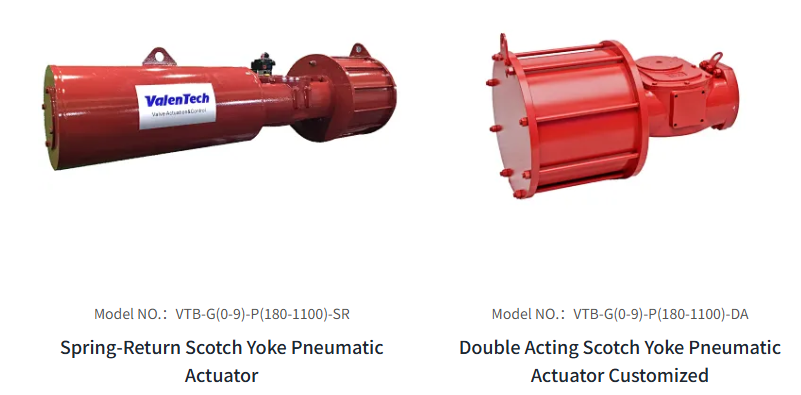
A. Scotch Yoke Actuators - High Torque for Large Valves
Principle: A piston moves linearly, driving a pin that is captured within a slotted yoke. As the piston moves, the pin sliding within the yoke causes the yoke and the connected output shaft to rotate.
Heavy Duty Application: This mechanism inherently produces very high torque at the beginning and end of the stroke, which is perfectly suited for automating valves like large ball, plug, and butterfly valves that have high breakout and seating torque requirements. Their robust nature makes them ideal for the largest and most demanding applications in oil & gas, petrochemical, and power generation.
Characteristics: Known for immense power and durability. Available in symmetric yoke (more consistent torque) or canted yoke (higher torque at stroke ends) designs to match valve torque curves. Tend to be larger and heavier than rack and pinion for a given torque, especially at lower pressures.
Construction: Almost exclusively built from heavy cast iron or fabricated steel due to the high forces involved.
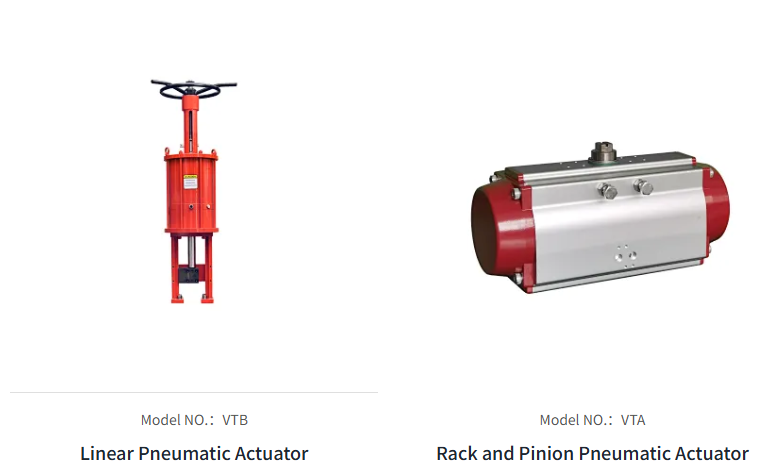
B. Heavy Duty Rack and Pinion Actuators - Compact Power & High Cycles
Principle: One or two pistons are attached to a linear gear rack. As the piston(s) move, the rack meshes with and turns a pinion gear on the output shaft, converting linear motion to rotary.
Heavy Duty Application: Scaled-up versions of standard designs, built with much heavier materials, stronger gears, and larger cylinders. Used for smaller to medium-large quarter-turn valves (ball, butterfly) across a wide range of industries.
Characteristics: Generally more compact and lighter than scotch yoke for equivalent torque in lower to mid-range heavy-duty applications. Provide a more constant torque output throughout the stroke (especially symmetric designs), making them suitable for both on/off and modulating control. Can be very fast cycling when built for durability.
Construction: Heavy-duty versions use robust materials like ductile iron, steel, or heavy-duty aluminum, with hardened alloy steel gears.
While other types like linear piston actuators exist for gate or globe valves requiring linear motion, and diaphragm actuators for modulating control (where "heavy-duty" often refers to pressure handling or diaphragm material robustness), the Scotch Yoke and high-performance Rack and Pinion designs are the most commonly sought when users specify "heavy duty" for quarter-turn valve automation requiring significant power and resilience. Companies like Valen Tech (https://www.valen-tech.com/) offer specific series tailored for heavy-duty applications, including robust Scotch Yoke designs known for their high torque capabilities in critical applications.
Critical Selection Criteria for Heavy Duty Actuators
Choosing the correct heavy-duty actuator is a critical engineering decision. Users must meticulously evaluate several factors to ensure the selected actuator will perform reliably and safely throughout its intended lifespan.
A. Accurate Torque/Force Requirement Calculation: Will it work? Is it powerful enough?
This is the most critical step and where many automation failures originate if not done correctly.
Understand Valve Torque: Different valve types, sizes, and operating pressures require vastly different torques. For rotary valves, you need to know:
Breakaway Torque: The highest torque required to unseat the valve from the fully closed or fully open position, overcoming seat friction and differential pressure.
Running Torque: The torque required to move the valve through its travel after breaking away.
Seating Torque: The torque required to firmly seat the valve in the closed position.
Apply Safety Factors: Never size an actuator solely on theoretical valve torque. Always apply a safety factor (typically 25-50% for standard applications, higher for heavy-duty, critical, or aging systems – 50-100% is not uncommon in severe service) to account for:
Variations in valve manufacturing tolerances.
Wear and aging of the valve and actuator.
Potential debris in the line affecting valve movement.
Fluctuations in air supply pressure.
Temperature effects on seals and lubricants.
The need for reliable operation over millions of cycles.
Match Actuator Output: The actuator's published torque output at the minimum reliably available air pressure must meet the calculated required valve torque including the safety factor. For single-acting (spring return) actuators, both the air-stroke torque and the spring-stroke torque must be sufficient throughout the stroke.
Reputable manufacturers like Valen Tech (https://www.valen-tech.com/) provide detailed torque charts for their actuators and offer engineering support and sizing software to help customers accurately calculate requirements and select the appropriately sized actuator with necessary safety margins. Undersizing a heavy-duty actuator is a guarantee of premature failure.
B. Available Air Supply Characteristics
Pressure Range: Actuators are typically rated for a specific air pressure range (e.g., 40-120 psi). The minimum available pressure dictates the achievable torque/force. Ensure the minimum reliable plant air pressure meets the actuator's requirement plus any control components' minimums.
Flow Rate: For rapid operation of large actuators, sufficient airflow is needed. This affects the sizing of upstream piping, solenoid valves, and air preparation units.
Air Quality: While heavy-duty units are more tolerant, supplying clean, dry, regulated air (ISO 8573-1 quality classes) is crucial. Moisture, oil, and particulates significantly reduce seal and component life.
C. Operating Speed Requirements
The required time for the valve to stroke open or closed must be considered. Actuator size, air pressure, and the flow rate of air into/out of the actuator chambers (governed by piping and solenoid valve sizing) all influence speed. Speed controllers (like exhaust or supply line restrictors) can be added but must be used carefully as they can affect effective torque.
D. Ensuring Long-Term Performance in Location
Revisiting the severe environments discussed earlier, these become key inputs for selection:
Temperature: Specifying the minimum and maximum ambient temperatures is essential for choosing appropriate seal materials and considering material expansion/contraction.
Corrosion: The atmospheric composition dictates the necessary level of external and internal corrosion protection (coatings, materials).
Hazardous Area Classification: Requires selecting actuators and all accessories with appropriate certifications (ATEX, IECEx, NEMA) for the specific gas group, dust type, and zone/division.
Ingress Protection: Specifying the required IP or NEMA enclosure rating ensures protection against dust and moisture.
E. Control and Signaling Needs Integration into Control System
On/Off vs. Modulating: Does the application require simple open/closed positioning (on/off) or precise intermediate positioning based on a control signal (modulating)? Modulating control requires a positioner.
Fail-Safe Requirements: Is a fail-safe position necessary upon power or air loss? If so, a single-acting (spring return) actuator is required, and the fail-safe direction (open or closed) must be specified.
Feedback Signals: Is remote status indication needed? This requires limit switches or position transmitters. For hazardous areas, these accessories must also be certified.
F. Valve Interface and Mounting Physical Fit
Compatibility with valve mounting flange standards (e.g., ISO 5211 for rotary actuators) and the valve stem connection (size, shape, keyway) is fundamental for proper installation and reliable torque transfer. Heavy-duty actuators designed for large valves often require custom mounting brackets or stem couplings due to the sheer forces involved and non-standard valve sizes.
G. Expected Service Life and Maintenance Total Cost of Ownership (TCO)
Consider the required number of cycles over the equipment's planned life. Choose an actuator with a rated cycle life exceeding this requirement.
Evaluate the ease of maintenance. Are seals easily replaceable in the field? Does the actuator require lubrication? Heavy-duty designs often prioritize durability to extend maintenance intervals, contributing to a lower TCO despite a higher initial purchase price.
H. Quality, Safety, and Industry Standards
Verify that the manufacturer adheres to quality management standards like ISO 9001.
Check for application-specific certifications (e.g., API standards for oil & gas) and safety certifications (SIL rating if part of a safety instrumented system).
Ensure necessary hazardous area and pressure certifications (ATEX, IECEx, NEMA, PED) are in place.
Selecting a heavy-duty actuator requires a comprehensive review of the application's specific demands and environmental conditions. Working closely with experienced suppliers like Valen Tech (https://www.valen-tech.com/) who can provide detailed technical data, application support, and ensure relevant certifications are met is highly beneficial in navigating this complex process.
Essential Accessories and Control Components of Heavy Duty Pneumatic Actuators
A heavy-duty actuator is part of a system. Its reliable operation depends heavily on the quality and suitability of its associated control components and accessories.
A. Air Preparation Units (FRLs): Protecting the Investment
Even the most robust actuator benefits significantly from clean, dry, regulated air. Filters remove particulates and moisture; regulators ensure the correct, stable operating pressure; and coalescing filters can remove oil aerosols. Investing in high-quality FRLs downstream of the main air supply greatly extends actuator and solenoid valve lifespan.
B. Solenoid Valves: Controlling the Actuator
These electro-pneumatic valves control the flow of compressed air to the actuator chambers, dictating its movement. For heavy-duty applications, the solenoid valve must be as reliable as the actuator itself. Key selection factors include appropriate voltage, power consumption, flow rate (Cv value sufficient for fast stroking), enclosure rating matching the environment (including hazardous area certification), and a robust manual override lever for commissioning and troubleshooting.
C. Positioners: Precision Control for Modulating
Used with modulating actuators, positioners receive a control signal (e.g., 4-20mA) and precisely control the air flow to the actuator to move the valve to a proportional position. For heavy-duty applications, the positioner must be robust, resistant to vibration and environment, and offer the required accuracy and features (e.g., diagnostics in smart digital positioners). They must also be rated for hazardous areas if applicable.
D. Limit Switches / Position Indicators: Status Monitoring and Feedback
These provide remote electrical or network signals indicating the valve's open, closed, or intermediate positions. Essential for process monitoring and interlocking. In heavy-duty environments, switches and indicators must be robust, resistant to vibration, and carry the necessary environmental and hazardous area certifications. Types include mechanical, proximity (inductive, magnetic), and visual indicators mounted directly on the actuator shaft.
E. Manual Overrides: Emergency Operation and Maintenance
As mentioned under safety features, a robust manual override is critical. Typically a gearbox or hydraulic hand pump, it allows personnel to operate the valve manually during power or air failure. These are often sized to handle the full breakaway torque of the valve and must be designed for safe operation under load.
F. Tubing, Fittings, and Mounting Hardware: System Integrity
High-pressure, corrosion-resistant tubing and fittings are essential to prevent air leaks, which waste energy and compromise actuator performance. Mounting brackets and hardware must be strong, rigid, and corrosion-resistant to ensure the stable and reliable connection between the actuator and the valve.
A comprehensive supplier often provides or recommends compatible, high-quality accessories designed to complement their heavy-duty actuators. Valen Tech (https://www.valen-tech.com/) recognizes the importance of the complete automation package and offers various control accessories and mounting hardware designed to integrate seamlessly with their actuator lines, ensuring system integrity and reliability.
Heavy Duty Pneumatic Actuators Installation, Operation, and Maintenance
Even the best heavy-duty actuator requires proper installation and some level of care to achieve its maximum lifespan.
A. Proper Installation: Getting it Right from the Start
Correct alignment between the actuator output shaft and the valve stem is crucial to prevent side loading and premature wear on bearings and seals.
Secure, rigid mounting to the valve flange is essential to handle the reaction forces generated by the actuator torque.
Correct plumbing of air lines, ensuring clean connections free of debris.
Proper installation of all accessories, ensuring secure wiring and calibration (e.g., for positioners or limit switches).
B. Air Supply Management: Operational Health
Regular checks on the air supply system – filters, regulators, and dryer performance – are vital to ensure the actuator receives air at the correct pressure and quality.
C. Lubrication: Following Best Practices
Many modern heavy-duty actuators are designed to be sealed and "lubricated for life." However, some older or specific designs may require periodic greasing of bearings or gearboxes. Always follow the manufacturer's maintenance instructions.
D. Routine Inspection and Preventive Maintenance: Avoiding Unexpected Failures
Regular visual inspections for external damage, corrosion, air leaks (audible or using leak detection spray), and the tightness of fasteners.
Checking the functionality of manual overrides and accessories.
For ESD or critical valves that remain static for long periods, periodic stroking (functional testing) is often recommended to ensure the actuator and valve remain free-moving and seals do not stick.
Checking external breathers (if present) are clear and not blocked.
E. Troubleshooting Common Issues: Minimizing Downtime
Common issues include slow operation (often air supply pressure/flow issues, or excessive valve friction), failure to stroke fully (air supply, mechanical binding in valve or actuator, seal leaks), or external air leaks (damaged seals, loose fittings). Having access to manufacturer troubleshooting guides is valuable.
F. Seal Replacement / Overhaul: Extending Lifespan with Service
While built for durability, seals are wear items over millions of cycles or extended periods in harsh environments. Reputable manufacturers offer seal kits and provide guidance on recommended service intervals or how to perform an overhaul to extend the actuator's life significantly.
Manufacturers like Valen Tech (https://www.valen-tech.com/) provide detailed installation, operation, and maintenance manuals. They often offer technical support and genuine spare parts (like seal kits) to help users ensure their heavy-duty actuators continue to perform optimally throughout their long service life, underscoring the importance of manufacturer support in maximizing the value of these critical components.
Leading Manufacturers and Market Considerations
The market for heavy-duty pneumatic actuators includes both large, diversified automation companies and specialist actuator manufacturers. Users often seek companies with a proven track record in the specific demanding applications they face.
Factors differentiating top brands go beyond just product specifications:
1. A history of successful installations in similar harsh environments.
2. Manufacturers who understand the nuances of valve automation in specific industries (e.g., chemical, oil & gas, power).
3. Ability to provide detailed technical calculations, custom solutions if needed, and timely support.
4. Availability of support and spare parts worldwide is crucial for multinational operations.
5. Demonstrated through ISO 9001, stringent testing, and relevant industry/safety certifications.
Companies like Valen Tech (https://www.valen-tech.com/) position themselves in this market by focusing on engineering quality, robust construction, and the ability to provide reliable solutions for severe applications. Their website highlights their product range designed for demanding environments and suggests a focus on meeting specific industrial needs, aligning with the attributes users value in a heavy-duty actuator supplier.
Heavy-duty pneumatic actuators are not merely oversized versions of standard components. They are highly engineered machines designed for survival and performance in the most challenging industrial applications. Their robust construction, superior materials, advanced sealing, high torque capabilities, and integrated safety features make them indispensable for critical processes in harsh environments.
While the initial cost is higher than standard actuators, this is offset by a significantly longer operational life, reduced maintenance frequency, minimized risk of costly downtime, enhanced safety, and reliable performance when it matters most. They represent an investment in operational continuity and risk mitigation.
Selecting the appropriate heavy-duty pneumatic actuator requires a thorough understanding of the specific application's torque requirements, environmental conditions, control needs, and expected lifecycle. Partnering with manufacturers who possess deep application knowledge, offer robust product lines, and provide strong technical support is paramount to making the right choice.
In industries where reliability, safety, and durability are non-negotiable, heavy-duty pneumatic actuators like those offered by companies focusing on engineered solutions, such as Valen Tech (https://www.valen-tech.com/), serve as the essential backbone of automated control systems, ensuring processes run smoothly and safely, even under the most severe conditions.
How to Choose the Right Heavy-Duty Pneumatic Actuator for Bulk Orders
What is a Valve Actuator?
Related Article
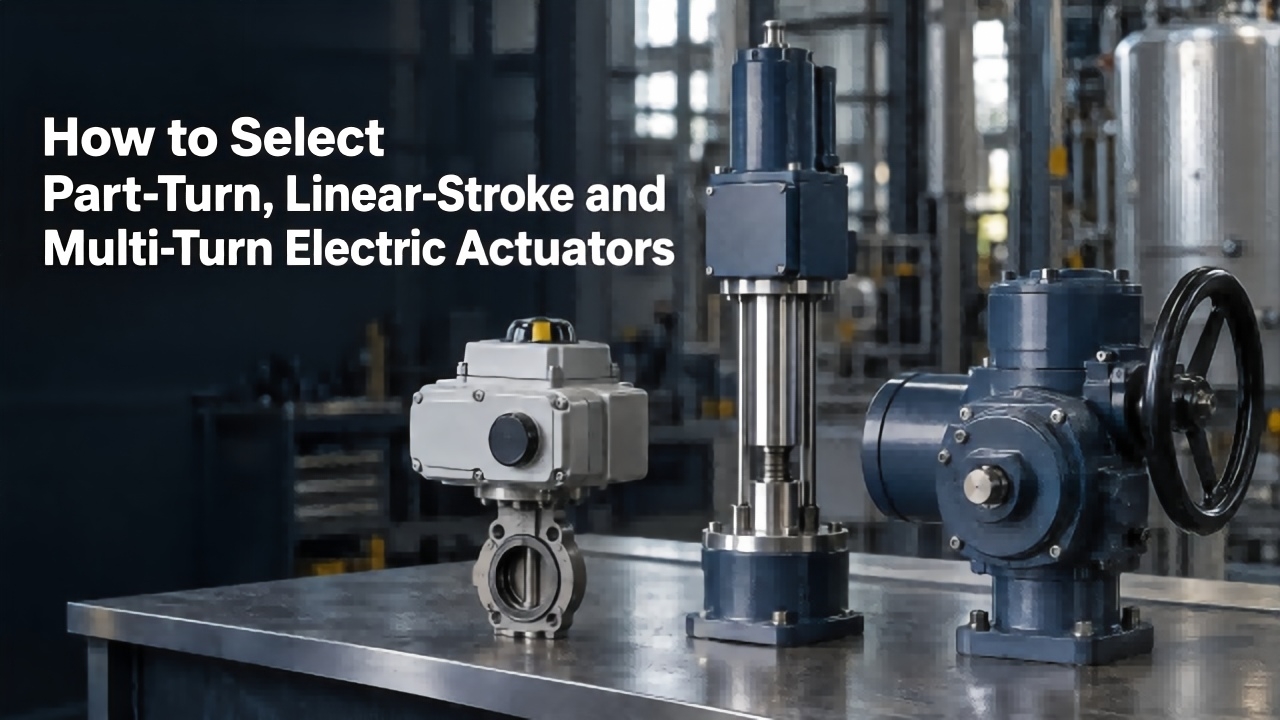
Learn differences among part‑turn, linear‑stroke and multi‑turn electric actuators. This guide covers matching valves, torque‑thrust calculation, 5‑step selection process and typical pitfalls for your industrial actuator applications.
How to Select Part‑Turn, Linear‑Stroke and Multi‑Turn Electric Actuators
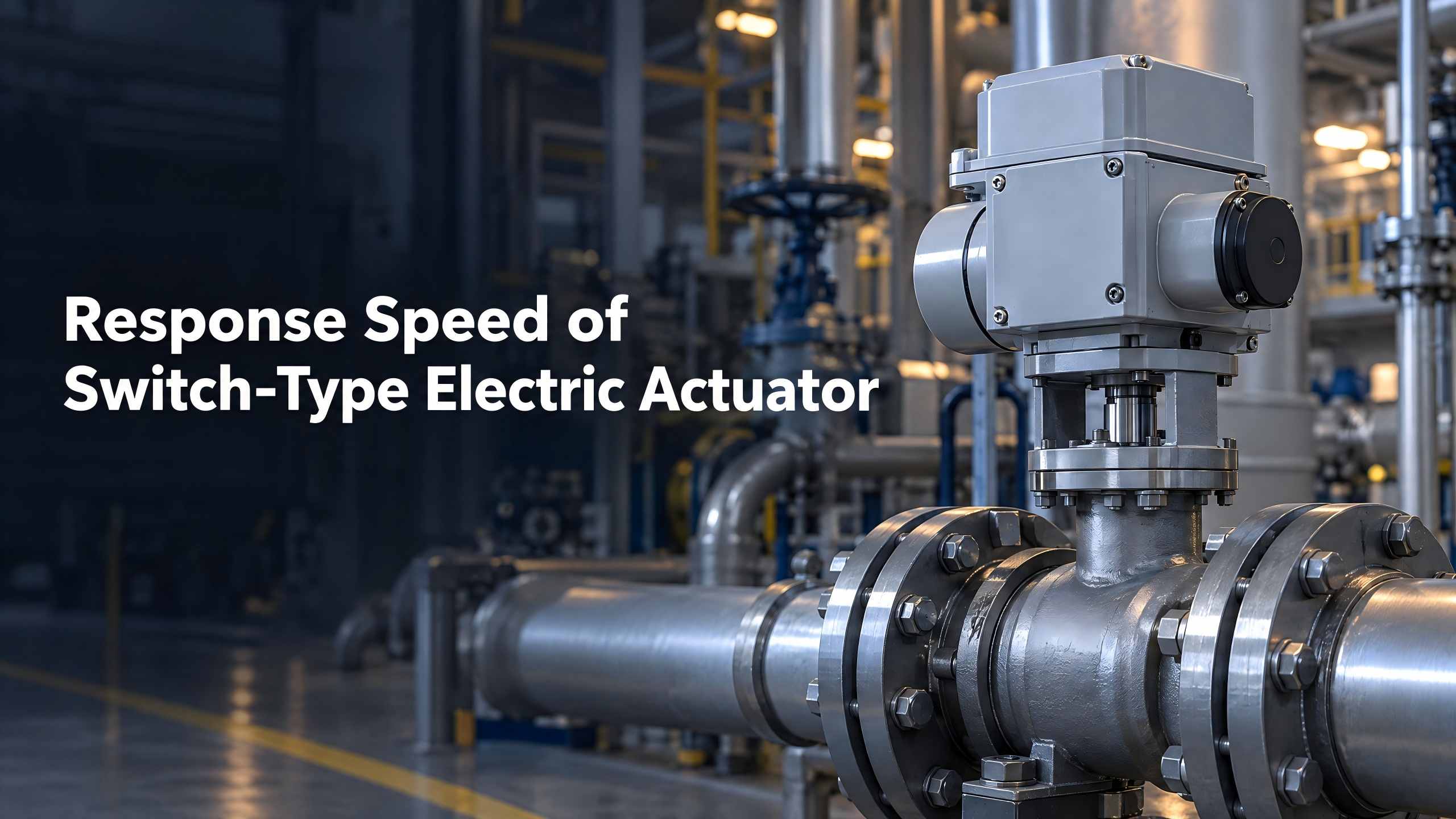
Learn about electric actuator response speed, internal and external influencing factors and key selection points, to select suitable actuators for valve automation projects and ensure efficient and stable system operation.
Response Speed of Switch‑Type Electric Actuator
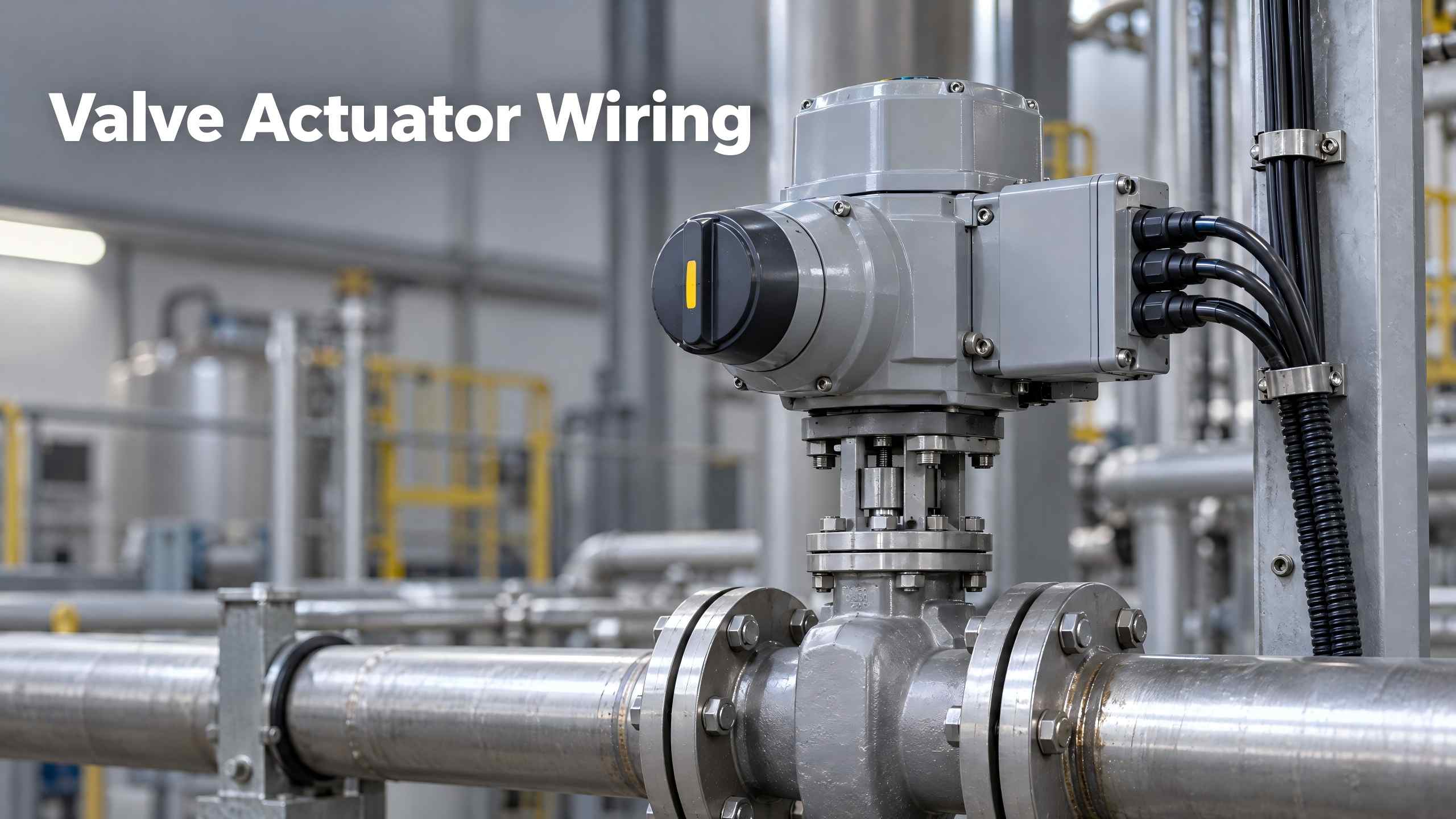
Valve Actuator Wiring describes wiring, commissioning and troubleshooting for electric valve actuators, guiding technicians to adopt standard wiring for stable industrial control.
Valve Actuator Wiring
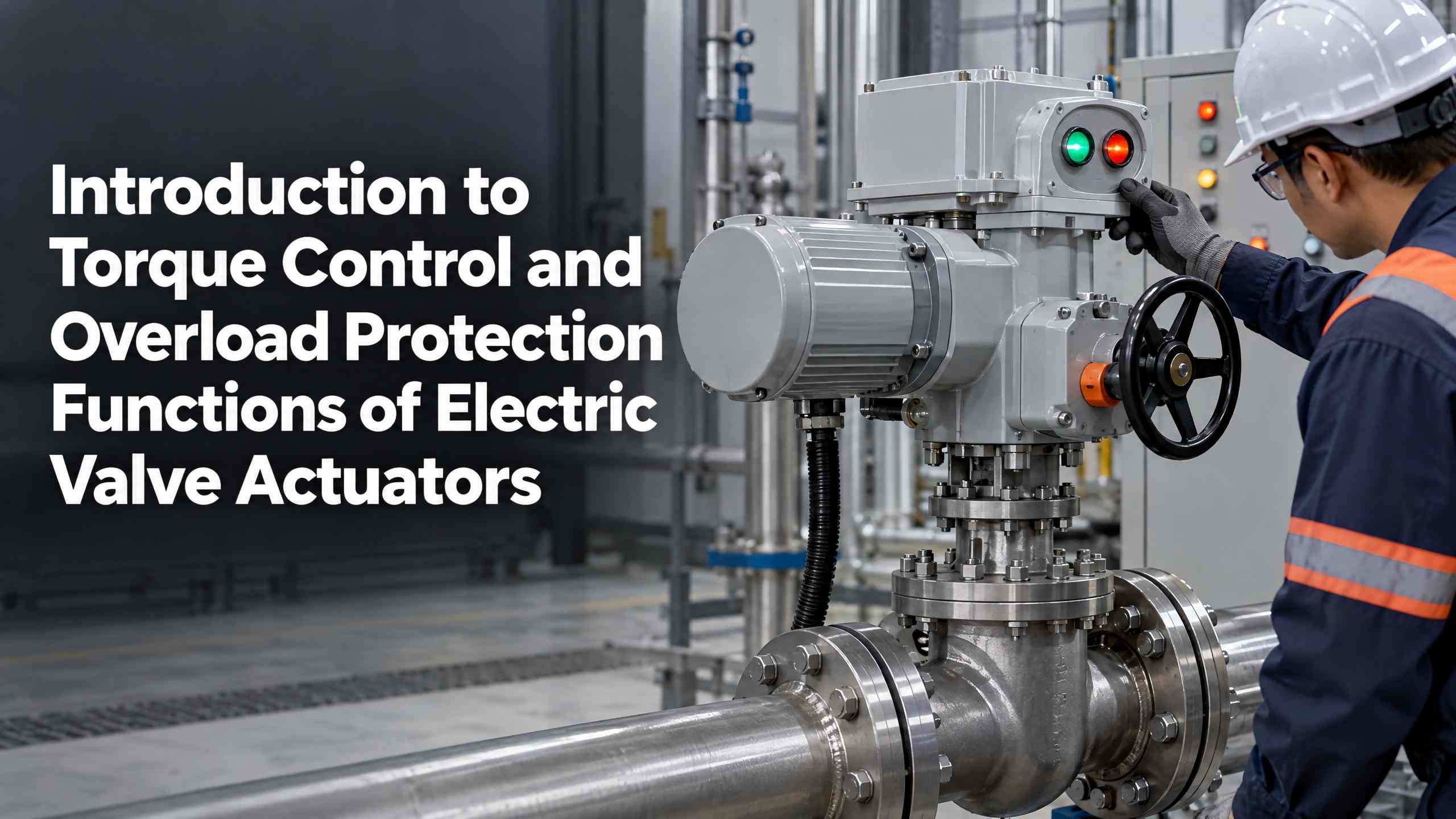
Valen Tech explains electric valve actuator torque control and overload protection functions. Learn how multi‑turn & part‑turn actuators prevent jamming and mechanical damage for petroleum, chemical, power and water pipeline systems.
Introduction to Torque Control and Overload Protection Functions of Electric Valve Actuators