
Practical Concise Guide for Converting Manual Gate Valves to Electric Operation
author: ATHENA GROUP
2026-06-26
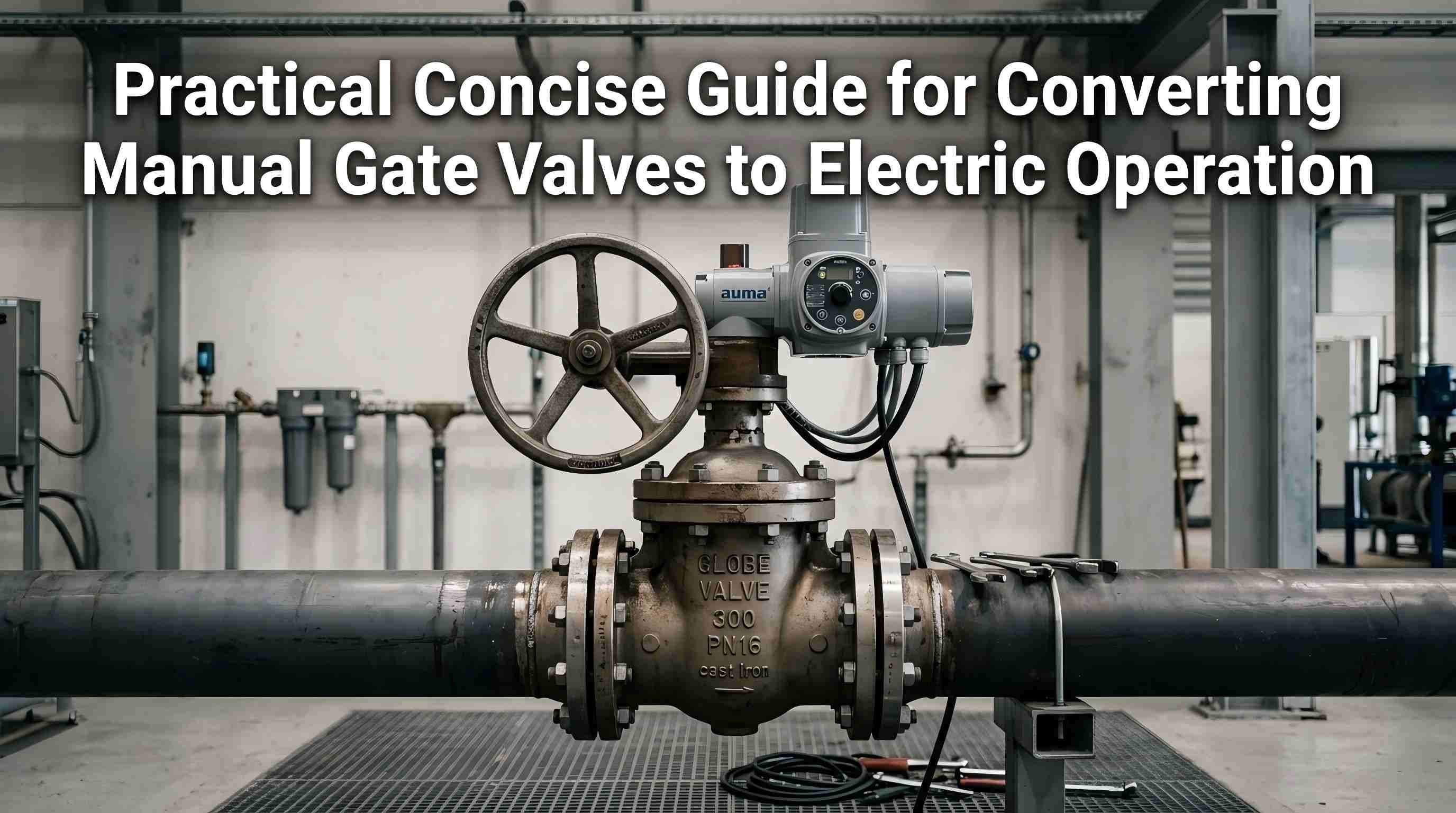
For manual gate valves widely used in industrial water supply and drainage, oil & gas transportation and other scenarios, manual operation is labor-intensive and incompatible with remote automatic control. Compared with completely replacing electric gate valves, retrofitting old valves with electric actuators using supporting components from ValenTech delivers higher cost performance. No modification to existing pipelines and valve bodies is required; only drive components need to be installed to realize electric opening and closing, suiting intelligent upgrading of aging equipment. This article briefly explains the transformation principles, model selection, construction, operation and precautions.
I. Core Transformation Principle and Retrofit Difficulty
Core transformation logic: Retain the original valve body and pipeline, install matched brackets, couplings and electric actuators. Electric power drives the valve stem to complete opening and closing, supporting local electric control and remote automatic operation while maintaining the original pressure resistance and sealing performance of the valve body.
Comparison of retrofit difficulty among different valve types: Ball valves and butterfly valves are easy to retrofit with universal brackets. Gate valve retrofitting involves complicated procedures and customized matched bracket couplings, with strict requirements for concentricity and fitting compatibility. Improper installation frequently causes malfunctions. ValenTech has developed special connecting kits for gate valves to greatly reduce assembly failure risks.
II. Pre-transformation Model Selection and Configuration Preparation
The stability after transformation depends entirely on fitting compatibility, covering two core parts: electric actuator selection and electric control system configuration.
1.Key Points for Electric Actuator Selection
- Match valve parameters: Select corresponding brackets and coupling sleeves based on the gate valve’s DN nominal diameter, pressure class and rising/non-rising stem type;
- Reserve torque margin: Select torque according to medium resistance with a 1.2–1.5 times margin to prevent motor burnout caused by overload during pressure-bearing opening and closing;
- Adapt to working conditions: Choose ValenTech electric actuators with corresponding protection grades for outdoor, humid, dusty and explosion-proof environments to fit various harsh industrial scenarios.
2.Power Supply and Control System
- Basic electric control: Only local valve opening/closing is needed; wire with matching voltage, featuring low cost and simple construction;
- Full automatic control: For remote operation, PLC linkage and automatic regulation, install 485 communication and analog signal modules to connect to the automatic control system. Actuators from ValenTech come with standardized communication interfaces for convenient networking without extra reconstruction.
III. Standardized Construction Procedures
- Shutdown, pressure relief and safety protection: Close the upstream main valve, drain all media to relieve pressure and cool down, cut off on-site power and hang warning signs. Construction with pressure, media or live electricity is strictly prohibited.
- Dismantle manual components and clean the valve stem: Remove handwheels and manual transmission parts; clear rust and debris on the valve stem to ensure a smooth, undeformed stem for subsequent installation.
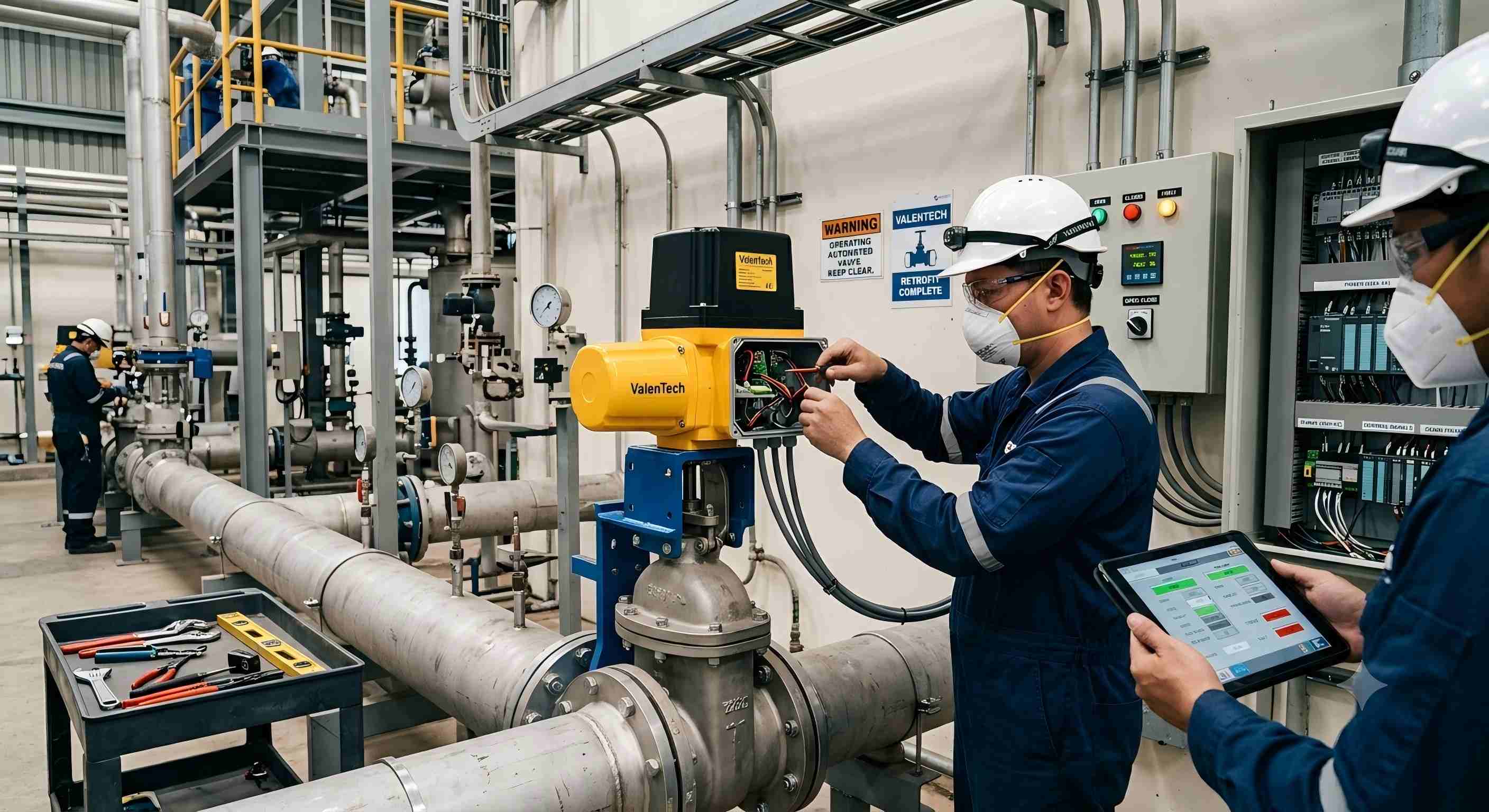
- Install brackets and actuators (critical process): Assemble customized brackets and coupling sleeves, align the actuator with the valve stem, calibrate horizontal and vertical levels to guarantee full concentricity without offset or tilt, and evenly fasten all bolts to avoid shaking, eccentric wear and coupling detachment during operation. The complete set of supporting coupling brackets from ValenTech features built-in positioning scales to save time on concentricity calibration.
- Standard wiring and circuit inspection: Distinguish power cables, control cables and signal feedback cables, apply waterproof and insulation treatment to all wires, and conduct full insulation testing after wiring to eliminate short circuits and electric leakage.
- Adjust limit travel and overload protection: Conduct low-speed power-on trial run, accurately calibrate opening and closing limits to prevent valve stem damage and sealing leakage from overtravel; adjust torque overload protection to enable automatic shutdown under excessive resistance to protect equipment.
- Pressure test and overall acceptance: Boost pipeline pressure slowly, perform full opening and closing cycles 5–10 times repeatedly, inspect smooth operation, abnormal jamming, leakage at valve body and connecting parts, and accurate signal feedback. Acceptance is passed if all indicators are normal.
IV. Operation Specifications After Retrofit
The equipment retains dual modes: electric operation and manual emergency operation.
1.Conventional electric operation
Press the open valve button, the valve stem rises and stops automatically when fully open for full flow; press the close valve button, the valve stem descends to close and stops automatically to cut off medium circulation. General standard: counterclockwise for opening, clockwise for closing. Refer to the official manual for special models.
2.Manual emergency operation during power failure
Release the manual clutch of the actuator and operate the valve with the original hand crank. Reset the clutch immediately after operation to restore electric control mode.
V. Exclusive Precautions for Gate Valve Retrofit
- Handwheels and transmission mechanisms shall not be used as lifting points; avoid impact and collision on transmission components.
- Double wedge gate valves must be installed vertically with vertical valve stems and top-mounted handwheels; tilted or inverted installation is forbidden to prevent jamming and sealing failure.
- For gate valves equipped with bypass valves, open the bypass valve first to balance inlet and outlet pressure differences before formal opening, reducing opening and closing resistance.
- The electric gate valve is only for full flow or full cut-off of media; half-open throttling is strictly prohibited to avoid sealing surface erosion and subsequent leakage.
- Only use the original factory hand crank for manual operation; auxiliary levers for forced opening/closing are forbidden. Shut down for maintenance of sealing surfaces and valve stems if jamming or leakage occurs.
- Fully lubricate valve stems, couplings and transmission components at least once a month for frequently operated electric gate valves.
- Follow the official product manual for all installation, commissioning and maintenance work to avoid equipment malfunctions caused by non-standard operations.
VI. Summary
Manual gate valve electric retrofit is a low-cost intelligent upgrading solution with no pipeline modification and short construction period. The core difficulties lie in fitting selection and coaxial bracket installation. Users may choose basic electric control or remote automatic control as required. Avoid throttling, forced operation and non-standard installation during service, and conduct regular maintenance. Equipped with a full set of retrofit accessories from ValenTech, the retrofitted valve delivers performance equivalent to brand-new factory electric gate valves, cuts operation and maintenance costs, and realizes stable intelligent pipeline operation.
Multi-Turn Electric Actuators: Basic Knowledge
What Are the Common Types of Valve Actuators
Related Article
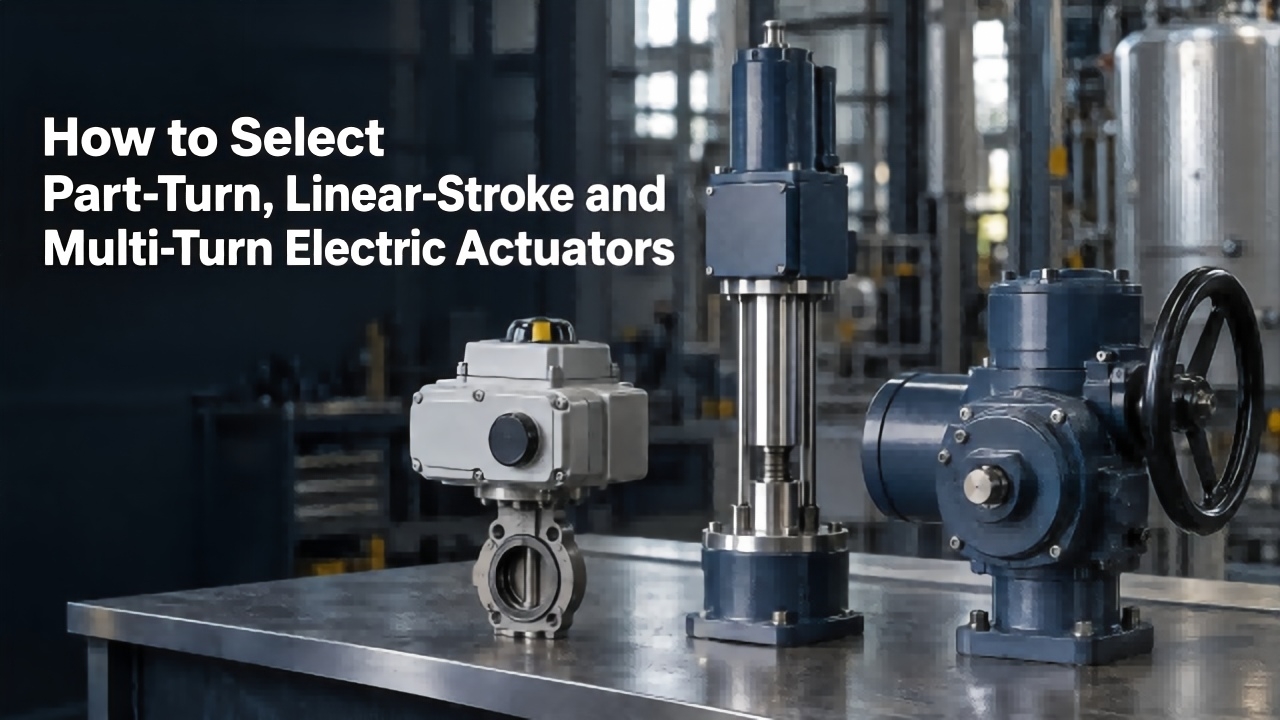
Learn differences among part‑turn, linear‑stroke and multi‑turn electric actuators. This guide covers matching valves, torque‑thrust calculation, 5‑step selection process and typical pitfalls for your industrial actuator applications.
How to Select Part‑Turn, Linear‑Stroke and Multi‑Turn Electric Actuators
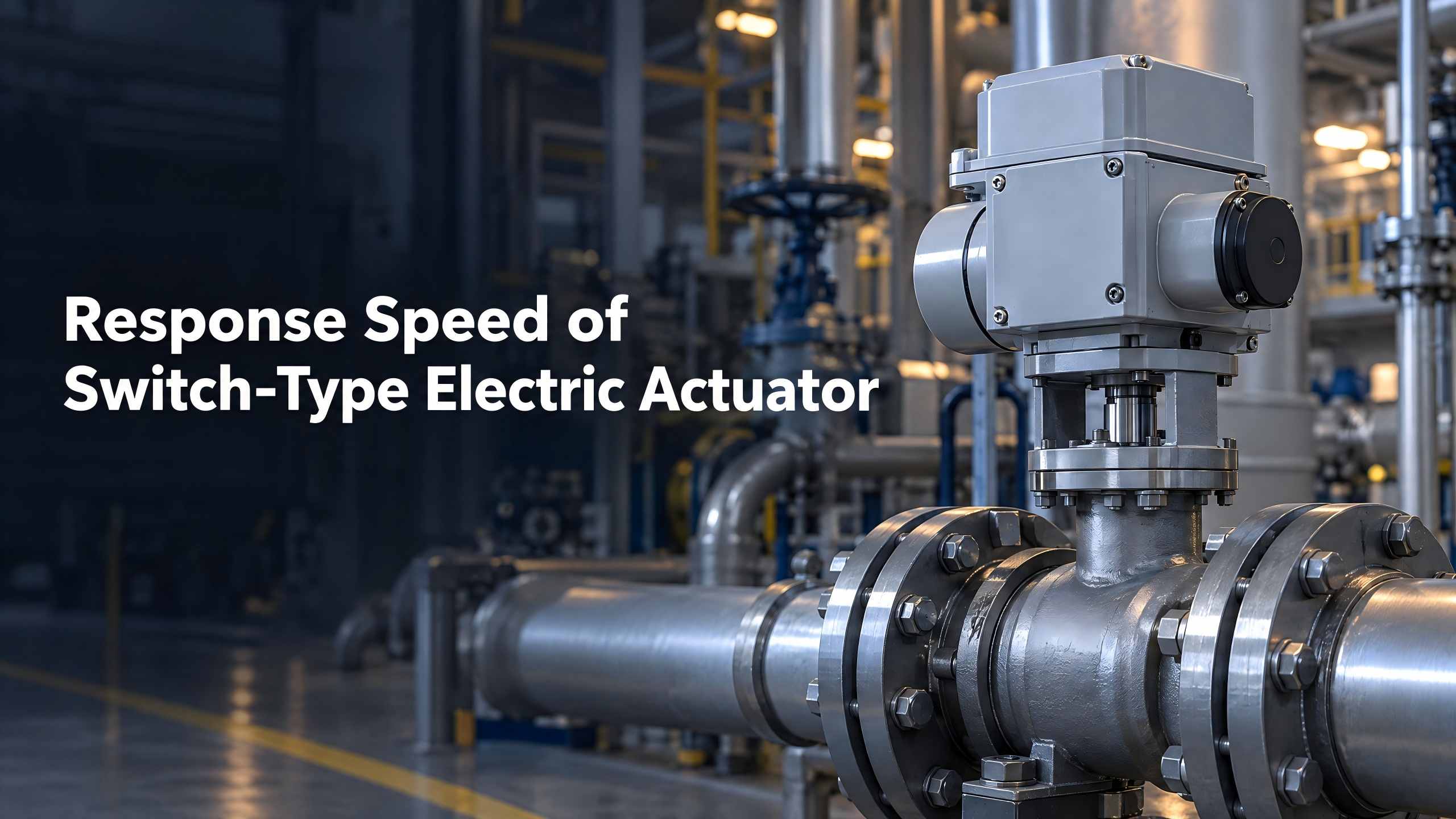
Learn about electric actuator response speed, internal and external influencing factors and key selection points, to select suitable actuators for valve automation projects and ensure efficient and stable system operation.
Response Speed of Switch‑Type Electric Actuator
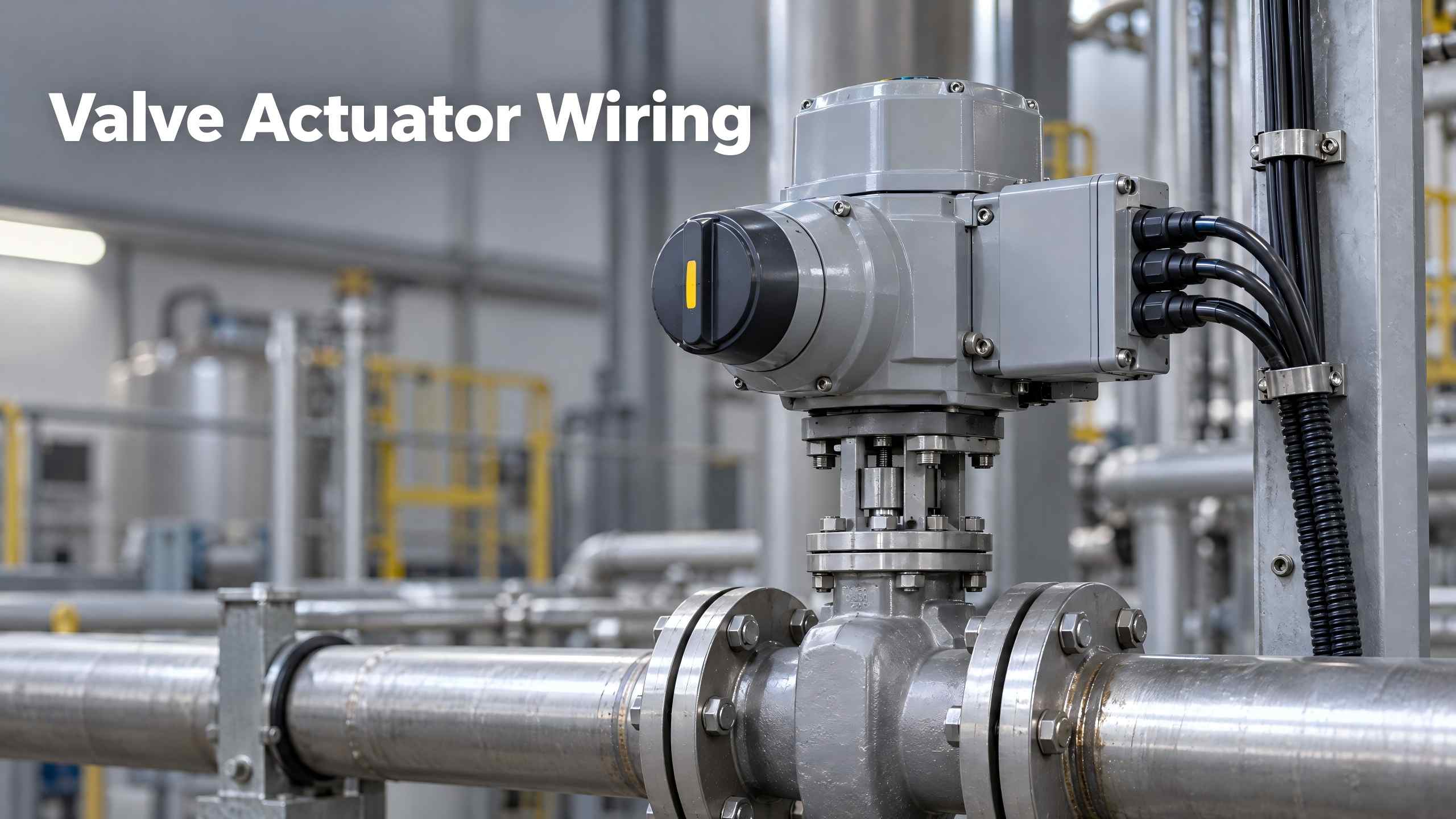
Valve Actuator Wiring describes wiring, commissioning and troubleshooting for electric valve actuators, guiding technicians to adopt standard wiring for stable industrial control.
Valve Actuator Wiring
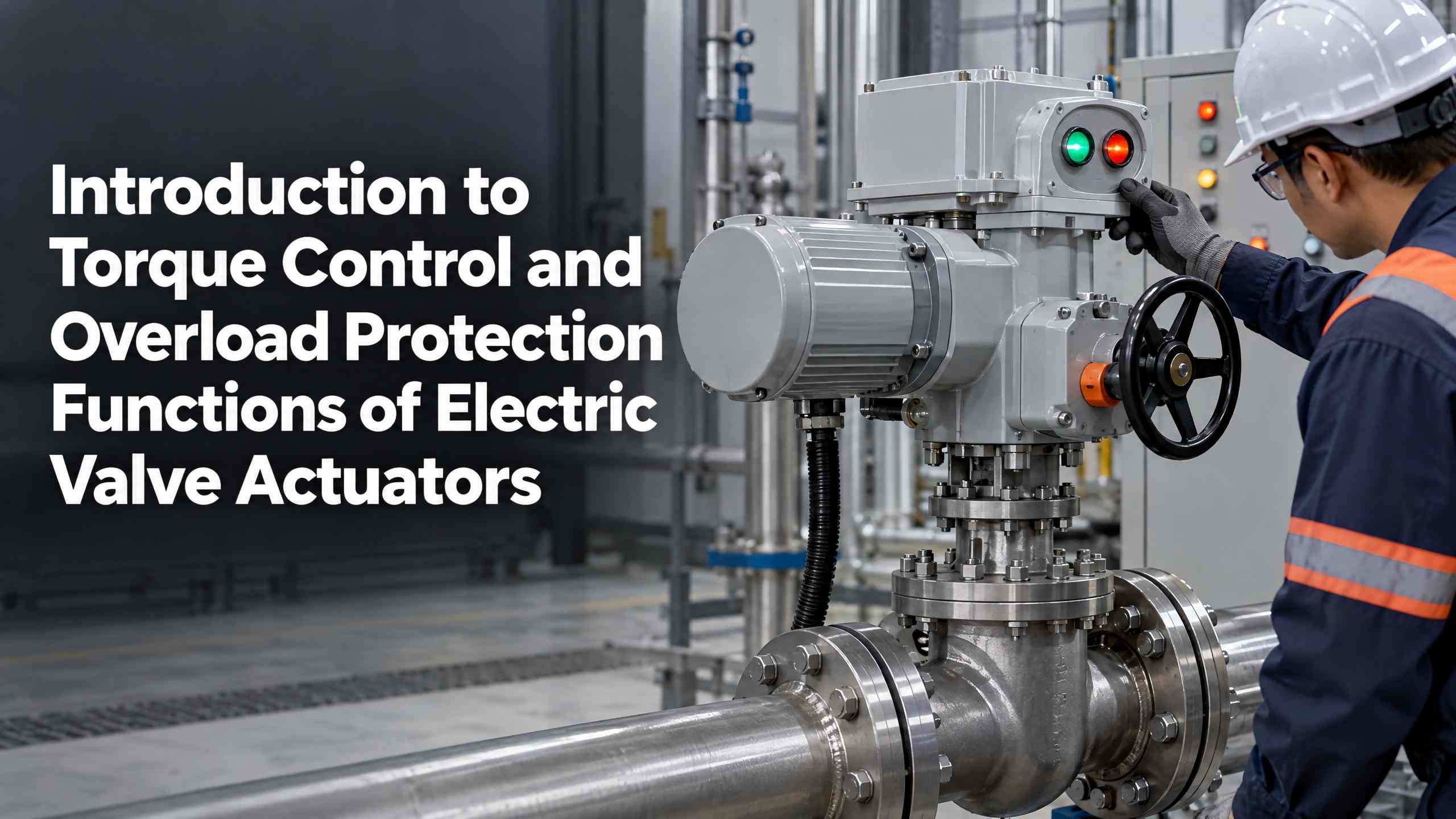
Valen Tech explains electric valve actuator torque control and overload protection functions. Learn how multi‑turn & part‑turn actuators prevent jamming and mechanical damage for petroleum, chemical, power and water pipeline systems.
Introduction to Torque Control and Overload Protection Functions of Electric Valve Actuators