What Does IP68 Even Mean in an Actuator
How Is IP68 Achieved in an Actuator?
If you're working with automation in tough environments — like on a boat, in a wastewater plant, or out in the weather — you’ve probably heard the term IP68 thrown around. It sounds impressive, but what does it really mean? And more importantly, how do manufacturers actually make an actuator survive underwater for days?
It’s not magic. It’s not just a rubber seal slapped on at the end. True IP68 performance comes from careful engineering, material science, and a deep understanding of how water gets in — and how to stop it.
Let’s break it down in plain terms: how is IP68 actually achieved in a real-world electric linear actuator?
What Does IP68 Even Mean?
First, let’s get clear on what we’re talking about.
The IP code stands for “Ingress Protection” — a global standard that tells you how well a device resists dust and water.
- The first number (6) means it’s dust-tight — no dirt or particles getting inside.
- The second number (8) means it can handle continuous immersion in water, beyond 1 meter deep, for extended periods (usually 48+ hours).
This isn’t like IP65 or IP66, which only protect against splashes or jets of water.
IP68 means: "You can drop this thing in a lake, leave it there overnight, pull it out, dry it off, and it’ll still work."
So how do they make that happen?
Step 1: Sealing the Entry Points — Where Water Sneaks In
Water doesn’t usually flood in all at once. It creeps in through tiny gaps — especially where the rod moves in and out.
To stop this, good actuators use multiple layers of protection, not just one O-ring.
A. Double-Sealed Bearings
Most basic actuators have a single seal. But under constant use and exposure, that seal wears thin.
IP68 actuators use two seals:
- An outer wiper seal scrapes off dirt, salt, and moisture before it goes further.
- An inner static seal blocks anything that makes it past the first line.
These are made from high-quality materials like Viton® or EPDM rubber, which don’t harden or crack when exposed to sun, salt, or chemicals.
Think of it like having both a screen door and a storm door — double defense.
B. Protecting the Lead Screw
Inside the actuator, the lead screw turns to move the rod. If water gets into that mechanism, it washes out the grease, causes rust, and seizes everything up.
To prevent this:
- There’s a tight labyrinth seal near the motor end.
- Some models add a bellows boot — a flexible sleeve that covers the moving parts like a protective sheath.
- Others use hydrophobic vents — smart membranes that let air pressure equalize without letting water in.
Without these, changes in temperature could create suction that pulls moisture inside over time.
C. Waterproof Wiring – The Hidden Weak Spot
One of the most common failure points isn’t the body — it’s the cable.
Standard cables have small gaps between the wires. Water follows those gaps right into the electronics through capillary action — like a sponge soaking up liquid.
IP68 fixes this by:
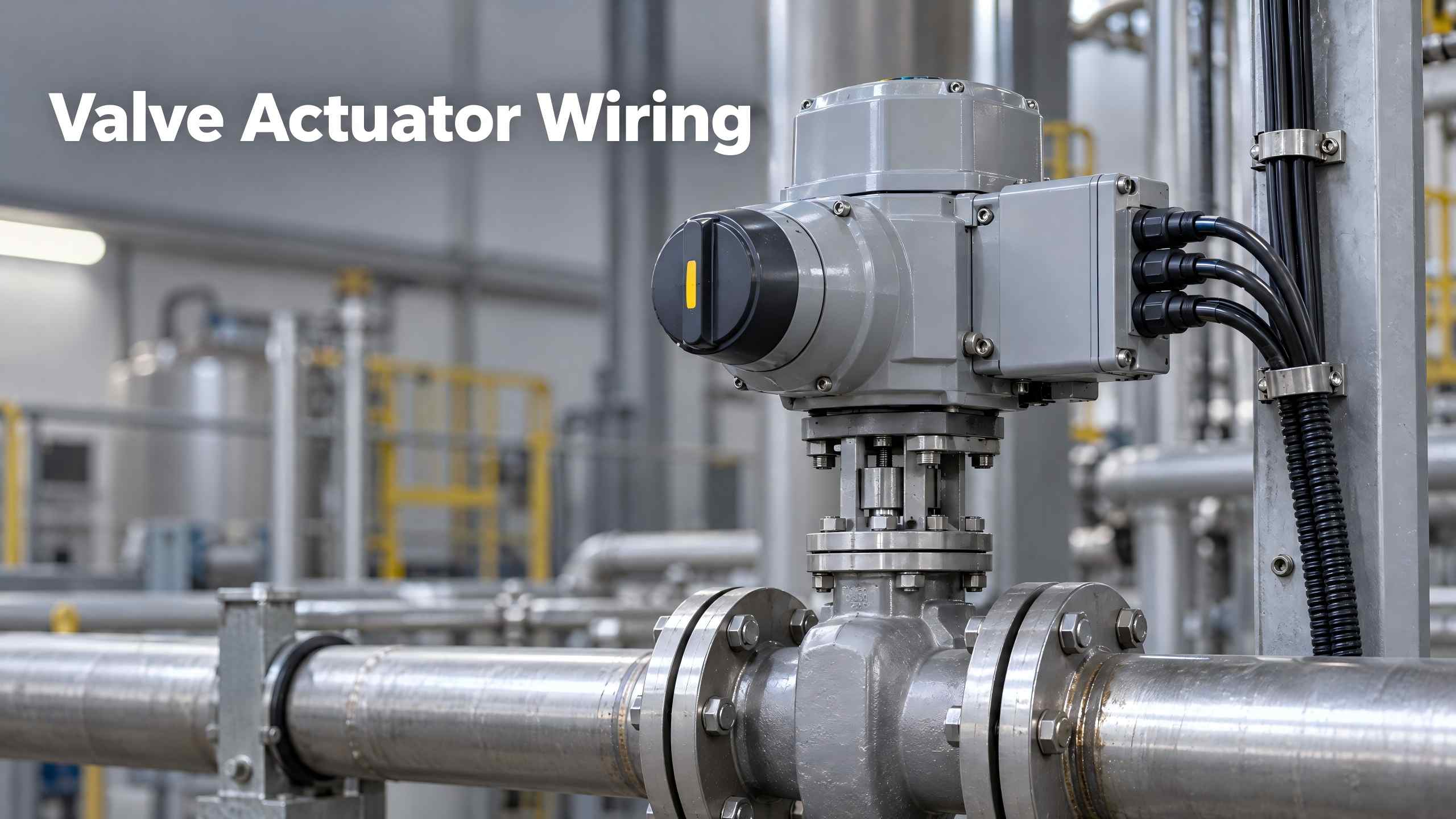
- Using overmolded cables — the connector is fused directly to the wire jacket.
- Adding strain relief clamps so pulling the cable doesn’t break the seal.
- Choosing PUR (polyurethane) insulation, which resists UV, oil, and abrasion.
And yes, the connectors themselves are rated IP68 — often M12 types with locking rings and dual O-rings.
Step 2: Making the Electronics Survive — Even When Wet
Even if water somehow gets inside, a true IP68 actuator is built to keep working.
How? By potting the electronics.
That means the circuit board — the brain of the actuator — is completely encased in a solid layer of epoxy resin.
This does three big things:
- Blocks moisture — no condensation, no corrosion.
- Protects against vibration — the resin holds everything in place.
- Dissipates heat — some potting compounds help cool the electronics.
You can submerge a potted board, take it out, and it’ll still function because there’s no air space for water to reach.
It’s like putting your phone in a block of clear plastic — nothing gets in.
Step 3: Building with Materials That Won’t Rot
Stainless steel doesn’t mean “won’t rust” — not all grades are the same.
Many cheap actuators use 304 stainless steel, which looks shiny but pits quickly in saltwater.
True marine-grade actuators use AISI 316L stainless steel — the kind used on ship rails and offshore rigs. It contains molybdenum, which fights chloride corrosion.
Other smart choices:
- Epoxy-coated screws and shafts to prevent internal rust.
- All-stainless fasteners — no mixing metals that cause galvanic corrosion.
- Zinc sacrificial anodes — little blocks that corrode first, protecting the rest of the actuator.
These aren’t extras — they’re essential for long life near the ocean.
Step 4: Designing for Real-World Abuse
An IP68 actuator isn’t just waterproof — it’s tough.
It has to handle:
- Vibration from engines or waves
- Voltage spikes from boat electrical systems
- Repeated cycles over years of use
So it includes features like:
- Rubber-isolated mounts to absorb shocks
- Wide voltage range (9–32V DC) to survive unstable power
- Thermal overload protection to shut down if stalled
- Reverse polarity protection in case someone wires it backward
These protections mean fewer surprises when you’re miles from shore.
Step 5: Testing Like It Matters
None of this counts unless it’s tested.
Real IP68 certification means:
- Submerging the actuator at 5 meters depth for 48 hours
- Running it while underwater to simulate real motion
- Cycling temperatures to check for condensation
- Exposing it to salt spray for days
Only after passing these tests can a manufacturer honestly claim IP68.
Final Thoughts
Achieving IP68 isn’t about slapping on a label — it’s about building something that won’t quit when the environment turns harsh.
It’s the difference between a tool that works until it rains… and one that keeps going no matter what.
So next time you see “IP68,” don’t just assume it’s waterproof. Ask:
What kind of seals? Is it potted? What grade of stainless steel?
Because in the real world — on boats, in sewers, out in the field — details like these are what separate reliable performance from sudden failure.
Looking for actuators built to last in the toughest conditions?
Explore [Valen Tech Co., Ltd.](www.valen-tech.com) — where innovation meets industrial strength. From precision motion control to robust system integration, Valen Tech delivers solutions engineered to perform — rain or shine.


Are Double-Acting Actuators Better for High-Cycle Applications
150 PSI Pneumatic Systems Applications
Related Article